1 free read left. Create a free account for unlimited reading + AI research.
Create free accountWhitepaper European Conference on Games Based Learning (ECGBL)
1 free read left. Create a free account for unlimited reading + AI research.
Create free accountWhitepaperEuropean Conference on Games Based Learning (ECGBL)
The sample had a mean age of 20.84 and included 55 men and 45 women.
This study examines video gaming among 100 Hong Kong undergraduates, with a mean age of 20.84 and a sample of 55 men and 45 women. Its central aim is to understand why students play, which genres they prefer, and how gaming affects their cognitive, social, psychological, and behavioural lives. The research combines survey responses with hierarchical clustering to group students by motivation and genre preference, offering a segmented view of a population that is often treated as uniform.
Gaming motives centred on emotional satisfaction, challenge, and escapism, producing five distinct clusters: emotion-oriented, peer-oriented, socially oriented, inexplicable, and family-oriented. The family-oriented group was predominantly female. Adventure and strategy emerged as the most favoured genres, and genre clustering yielded four groups, including a male-skewed fighting and battle-oriented cluster and a female-skewed family-entertainment cluster. One genre cluster, roughly 79 percent male, gravitated toward action titles such as battle royale and first-person shooters, while another showed no clear preference.
Across the full sample, students reported cognitive improvements on all seven measured dimensions and social or psychological benefits such as strategic planning, team collaboration, and relief from stress and anxiety. Poor sleep was the only significant negative effect, concentrated among two clusters. Importantly, the study found no significant association between gaming and aggression or hostility. The reference list, which draws on psychological research on motivation, pathological gaming, and escapism alongside industry reports, suggests a balanced framing that weighs gaming's risks against its documented benefits.
European Conference on Games Based Learning (ECGBL) · 2025
European Conference on Games Based Learning (ECGBL) · 2025
European Conference on Games Based Learning (ECGBL) · 2025
European Conference on Games Based Learning (ECGBL) · 2025
European Conference on Games Based Learning (ECGBL) · 2025
European Conference on Games Based Learning (ECGBL) · 2025
European Conference on Games Based Learning (ECGBL) · 2025
European Conference on Games Based Learning (ECGBL) · 2025
European Conference on Games Based Learning (ECGBL) · 2025
European Conference on Games Based Learning (ECGBL) · 2025
European Conference on Games Based Learning (ECGBL) · 2025
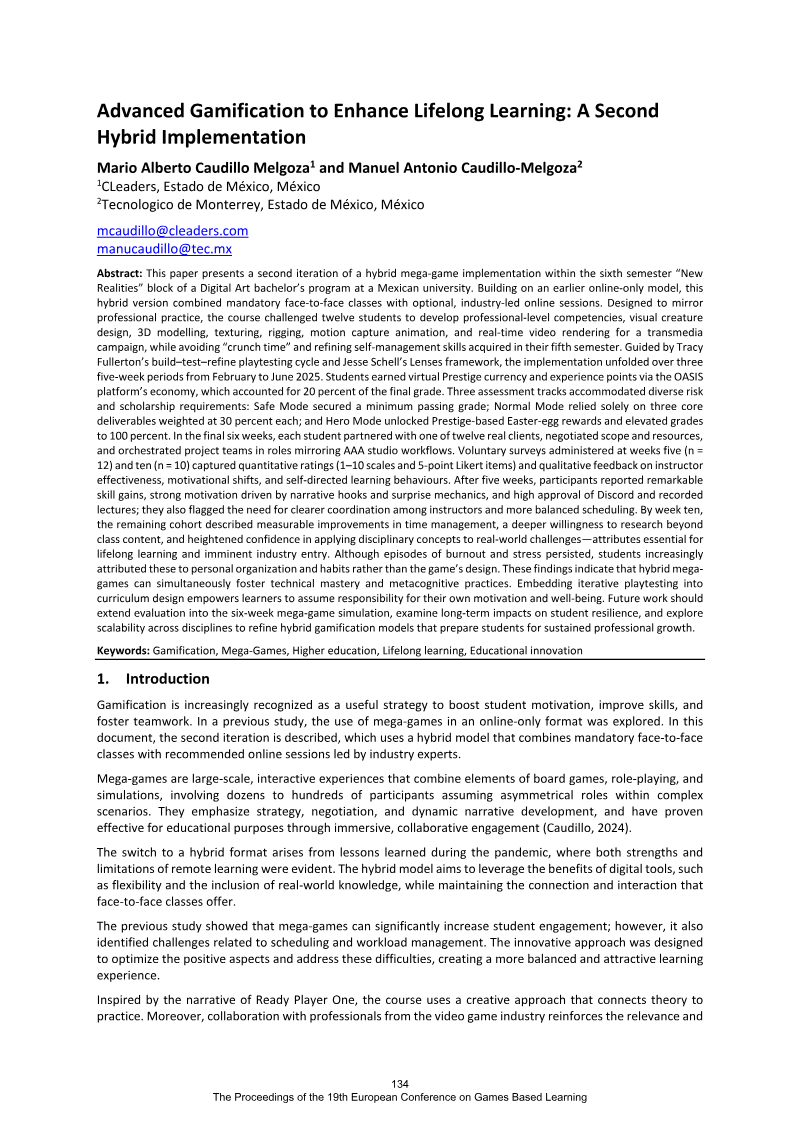
European Conference on Games Based Learning (ECGBL) · 2025
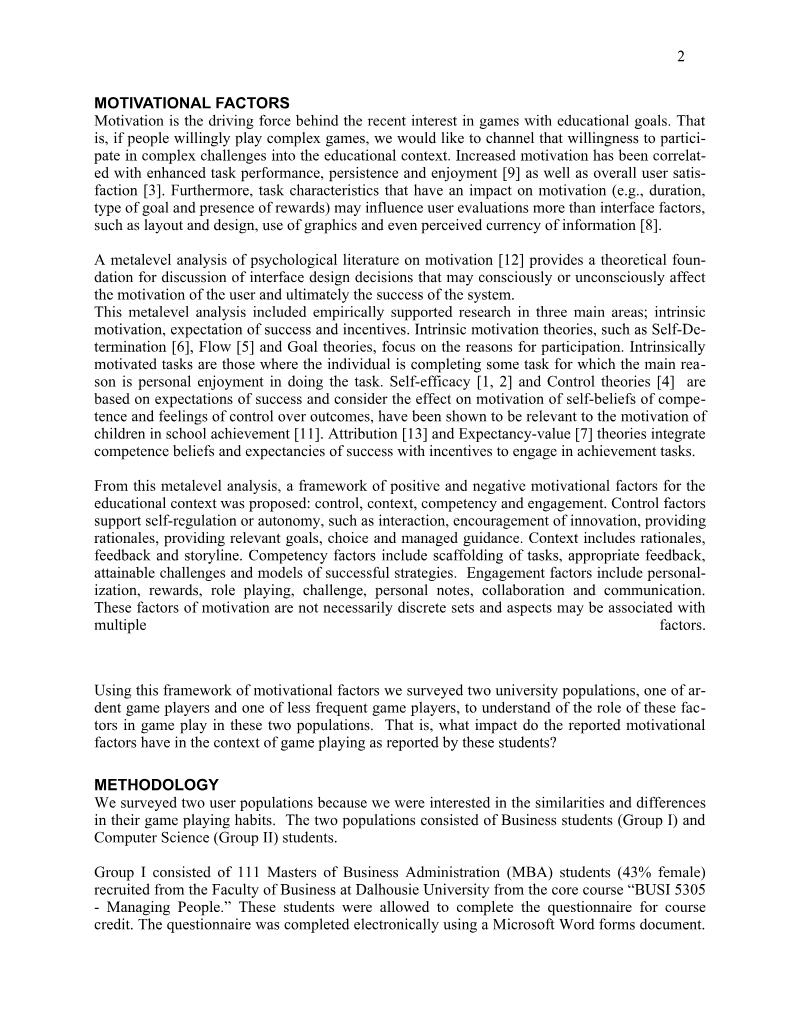
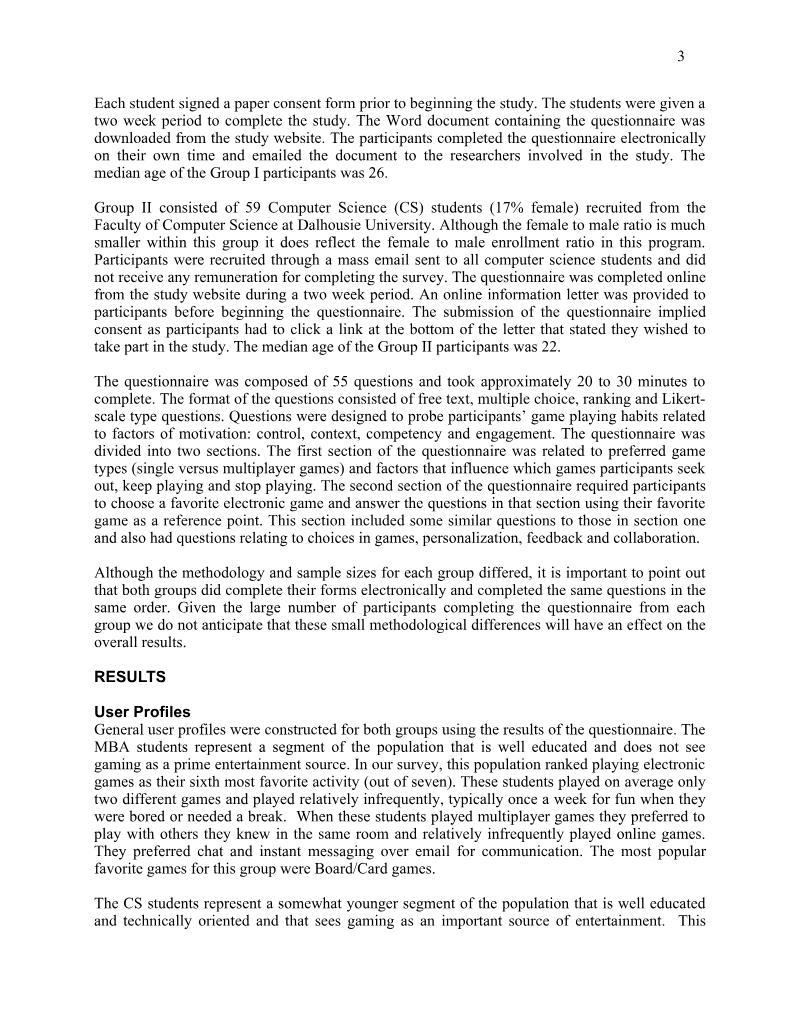
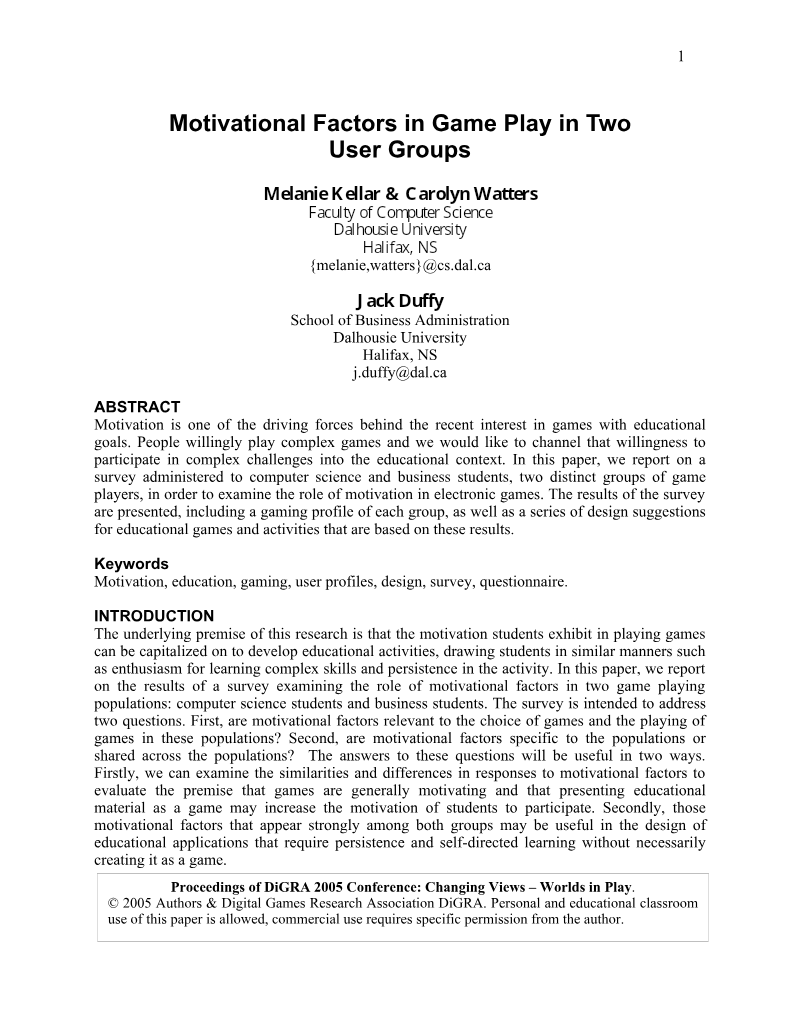
DiGRA · 2005