1 free read left. Create a free account for unlimited reading + AI research.
Create free accountReport American Journal of Play
1 free read left. Create a free account for unlimited reading + AI research.
Create free accountReportAmerican Journal of Play
Nearly all American children under eight live in homes with tablets or smartphones.
Interactive digital games now occupy a substantial place in young children's lives, and this analysis examines how that medium shapes their learning, physical health, and social-emotional development. National surveys cited in the work find that nearly all American children under eight live in homes with tablets or smartphones. Children aged two to four play digital games for roughly 20 minutes daily, most of it on mobile devices, while children aged five to eight average about 42 minutes. The authors argue that digital play should be judged by whether it helps children become smarter, stronger, and kinder, and they propose a four-level model of interactivity (receptive, manipulative, embodied, and contingent) to distinguish digital play from traditional forms.
On cognitive outcomes, the evidence is mixed. Many educational apps have never been formally tested, and few include adaptive challenges or responsive feedback, though some meta-analyses report learning benefits from touchscreen use, particularly in STEM domains. Active video games reliably increase light-to-moderate physical activity in children, supporting a modest case for their role in physical health. Research on prosocial outcomes is the thinnest of the three areas. The authors draw on classroom studies showing that cooperative activities increase sharing, helping, and turn-taking, and on a 2019 study finding that eight-year-olds who played competitive games with peers showed improved peer relations a year later. From this, they hypothesize that well-designed, cooperative digital play could support empathy and teamwork.
The overall conclusion is cautious. The authors position digital games as a distinct and still poorly understood component of play, one that does not fit neatly into existing frameworks, and they note that children's play was already shifting before digital media became widespread. They call for substantially more research on specific titles, levels of interactivity, and emerging virtual and augmented reality games designed for young children.
American Journal of Play · 2025
American Journal of Play · 2025

American Journal of Play · 2024
American Journal of Play · 2024

American Journal of Play · 2024
American Journal of Play · 2023
American Journal of Play · 2022
American Journal of Play · 2022
American Journal of Play · 2021
American Journal of Play · 2020
American Journal of Play · 2020
American Journal of Play · 2019



DiGRA · 2026
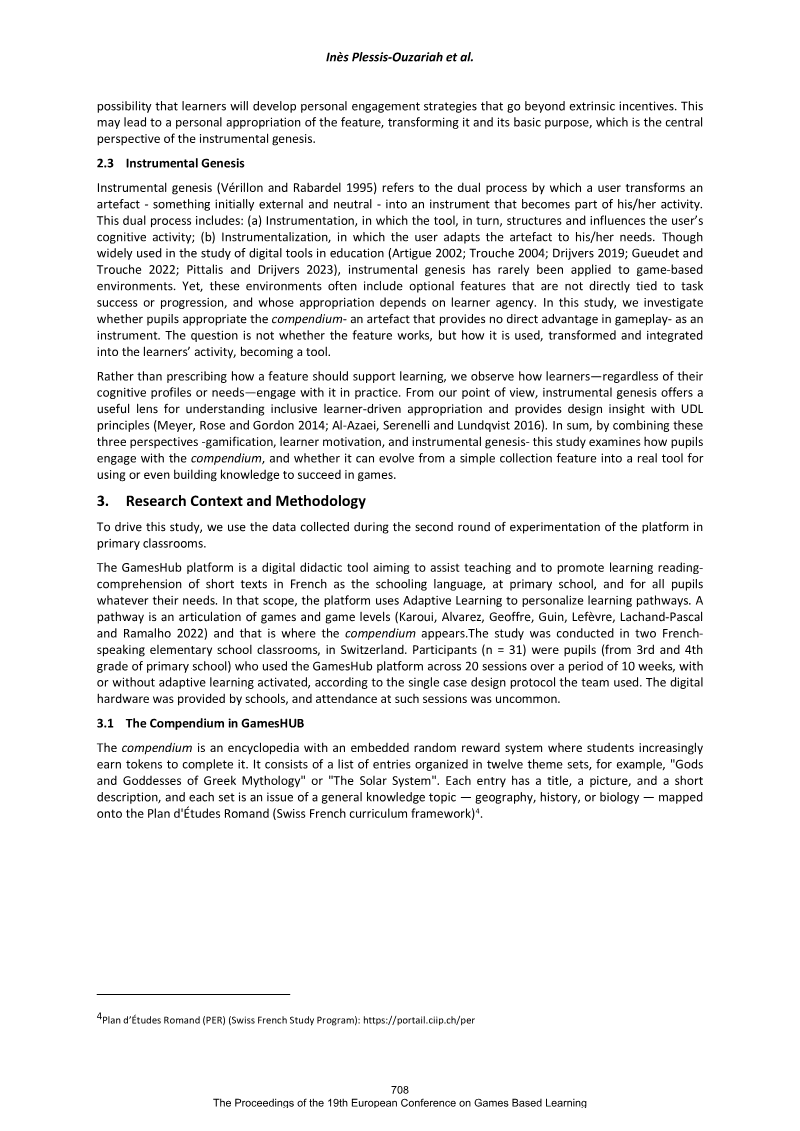
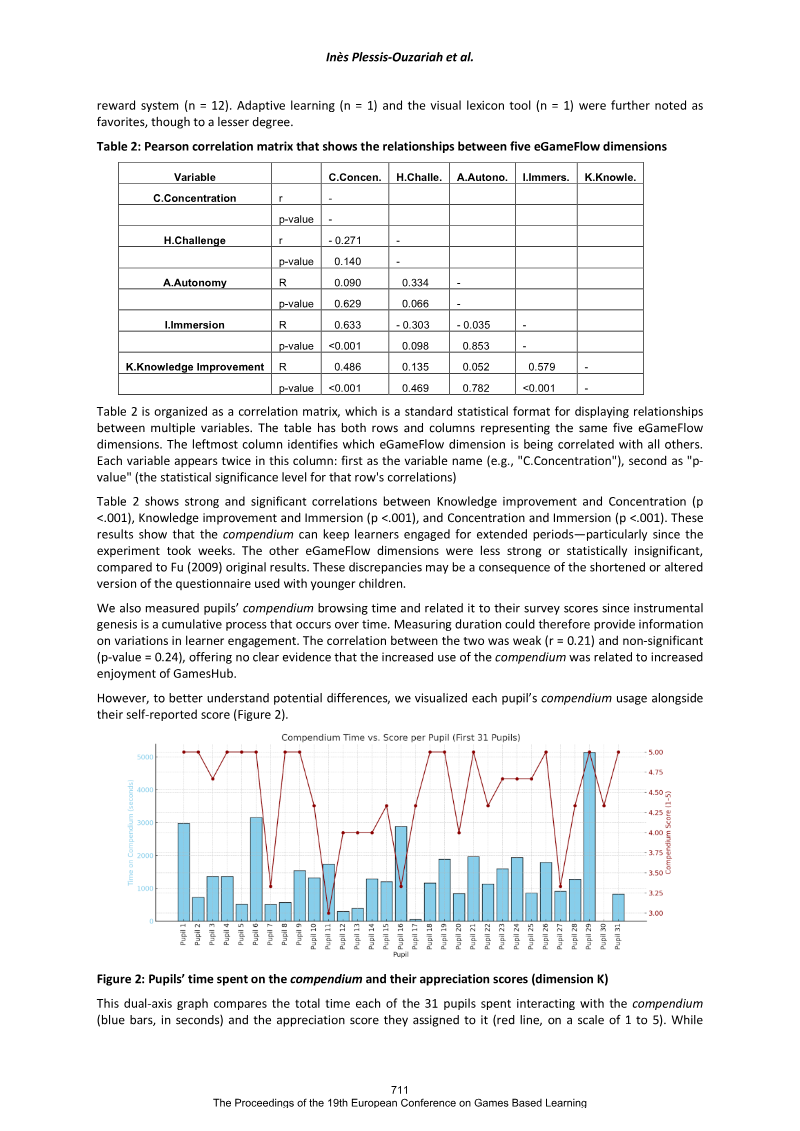
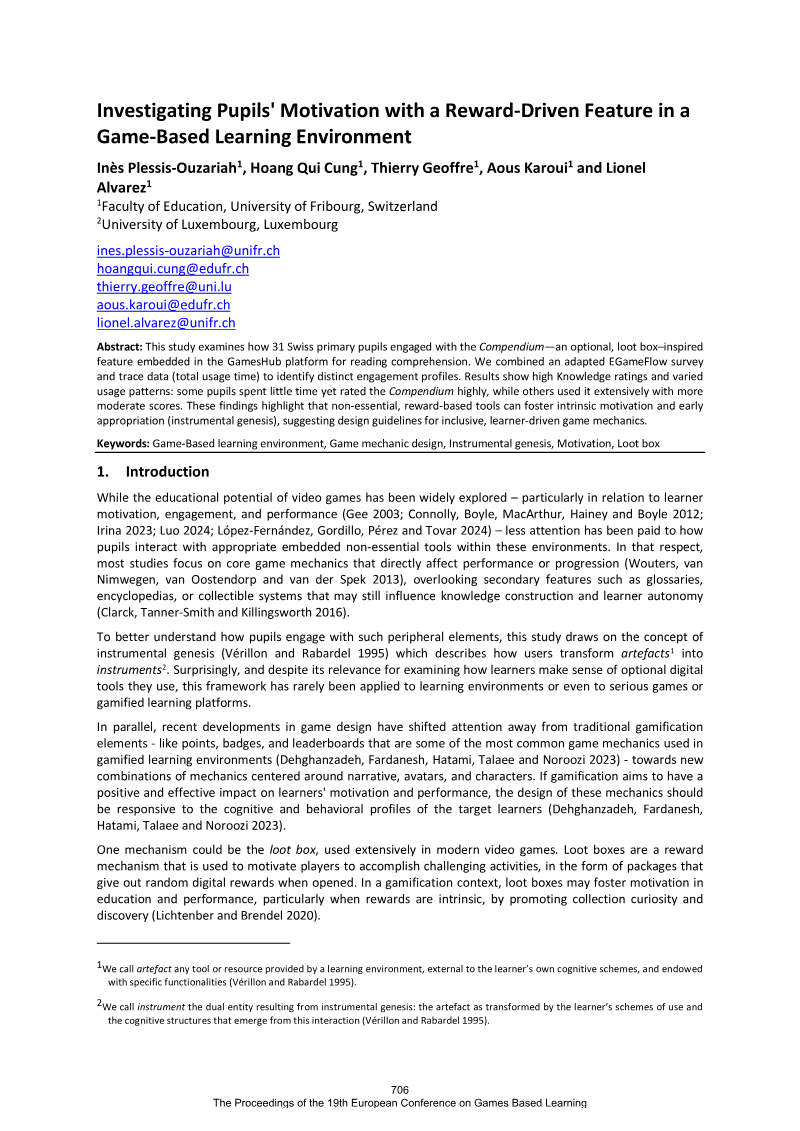
European Conference on Games Based Learning (ECGBL) · 2025
European Conference on Games Based Learning (ECGBL) · 2024