1 free read left. Create a free account for unlimited reading + AI research.
Create free accountWhitepaper European Conference on Games Based Learning (ECGBL)
1 free read left. Create a free account for unlimited reading + AI research.
Create free accountWhitepaperEuropean Conference on Games Based Learning (ECGBL)
The author observes that maze-navigation educational games remain largely unchanged since LOGO and Karel the Robot. The paper argues commercial titles offer greater innovation in integrating programming into core gameplay loops.
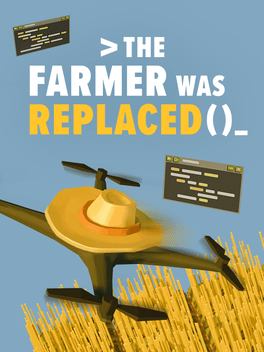
This paper conducts a close reading of two commercial programming games, GLADIABOTS and The Farmer Was Replaced, to identify design strategies that educational game designers could adapt. Motivated by the observation that maze-navigation educational games remain largely unchanged since LOGO and Karel the Robot, the author argues that commercial titles offer greater innovation in integrating programming into core gameplay loops, while educational titles tend to be stronger in pedagogical grounding. The analysis is framed by game design theory (core loop and uncertainty), game-based learning, and computing education research, particularly computational thinking and constructionism.
The method is hermeneutic inquiry through close reading, guided by two analytical lenses: computational concepts and practices, and the integration of programming in the core loop. The two games were selected from the fifty most positively reviewed Steam titles tagged "programming," chosen to contrast design approaches. Data came from extended play sessions with spoken observations, regular screenshots, and reflective notes revisited the following day. The study is a single-researcher qualitative analysis, so its findings reflect one interpreter's reading rather than measured learner outcomes.
GLADIABOTS uses a visual scripting language to program robot AI in arena battles, introducing hidden information and player unpredictability that sustain iteration rather than a single optimal solution. Its ELO-based matchmaking adapts opposition to skill, creating a feedback loop in which match results drive code revisions. The Farmer Was Replaced, an incremental game built around a Python-like language, embeds concepts such as conditionals, loops, and functions in an upgrade tree, where new mechanics are introduced through resource-gathering needs. The author concludes that embedding programming within meaningful goals, using adaptive difficulty, and letting complexity emerge from interacting mechanics can make educational games more constructionist and engaging. Empirical learner studies and a broader game sample are proposed as needed follow-up work.
Each row is a game or company this document names, each column a document, oldest first. A mark means that document names it. Select a row to see those documents.
European Conference on Games Based Learning (ECGBL) · 2026
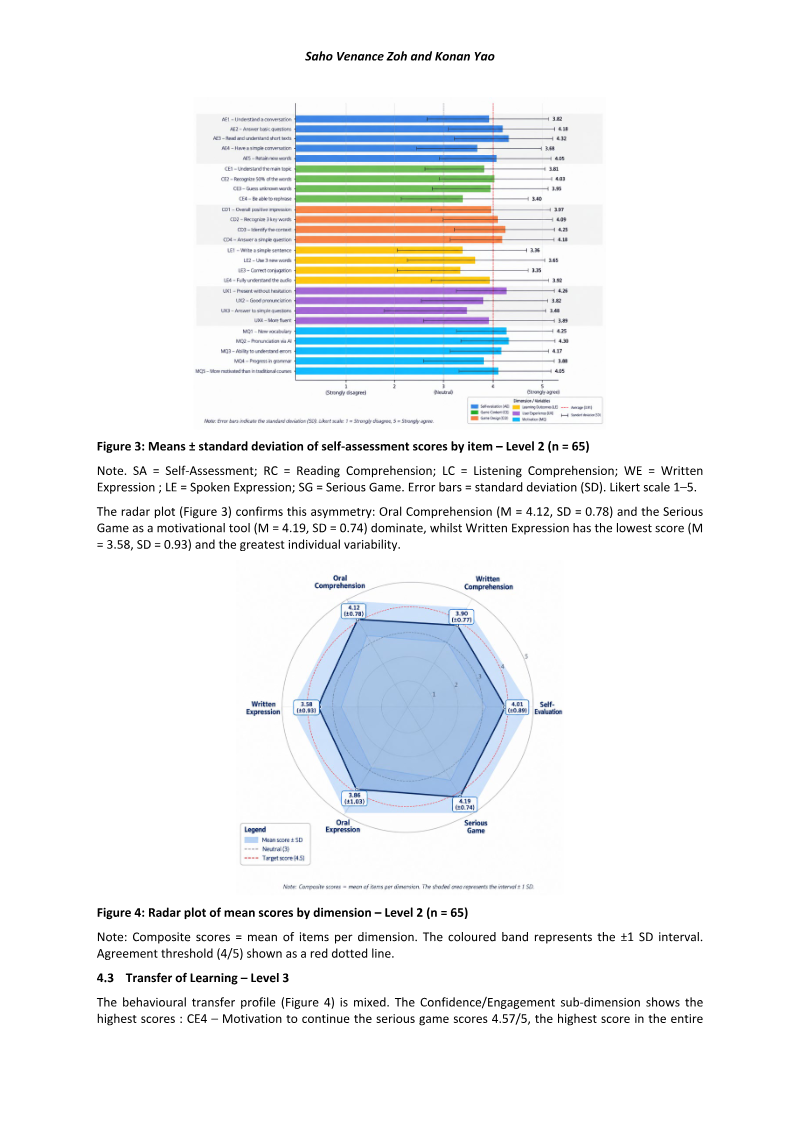
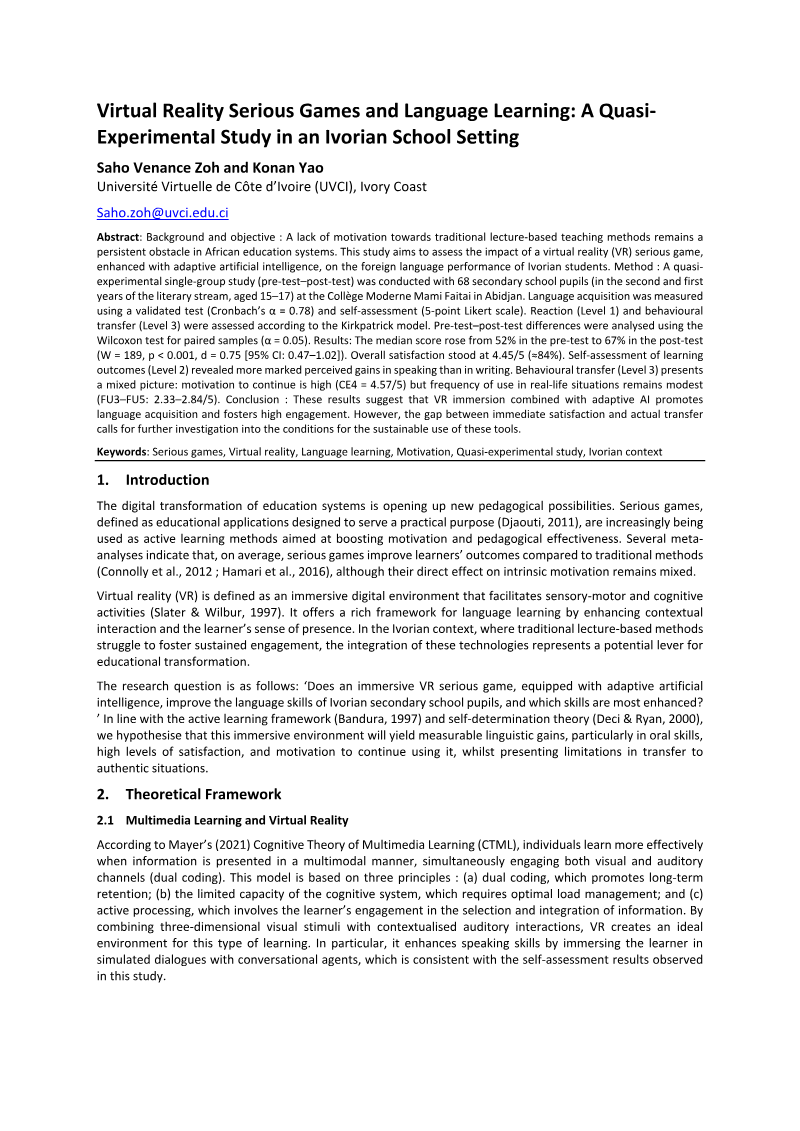
European Conference on Games Based Learning (ECGBL) · 2026
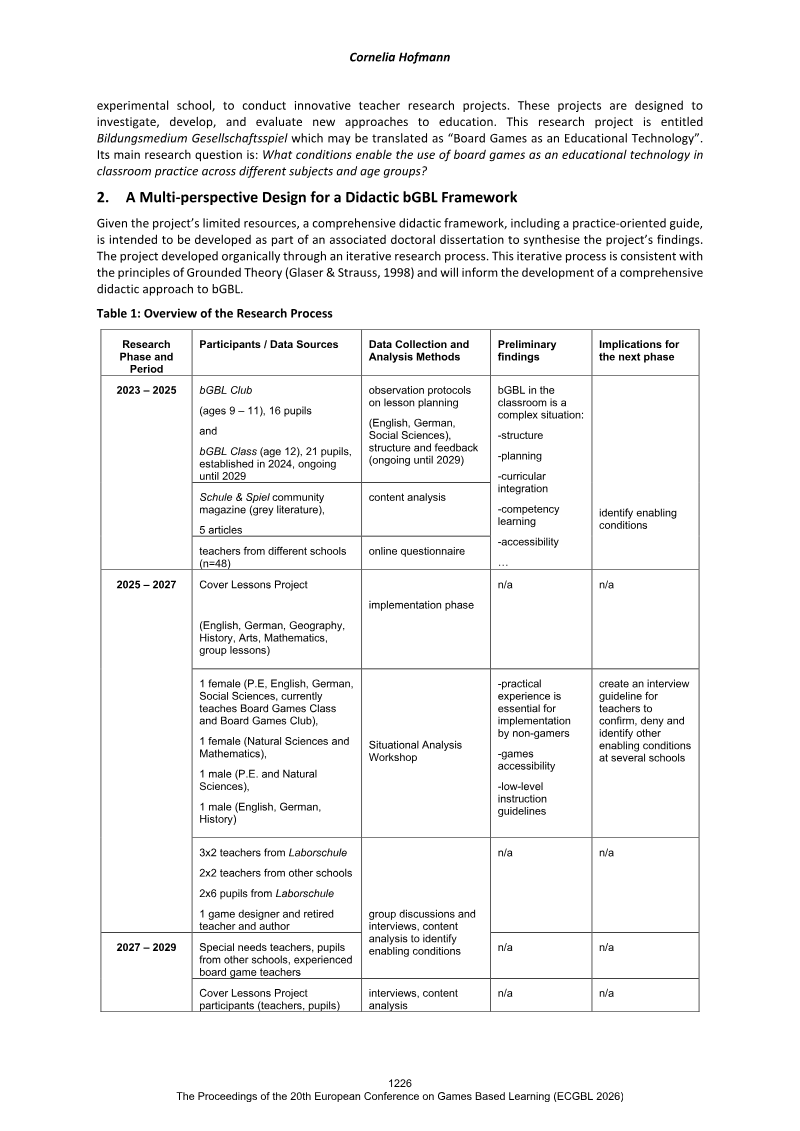
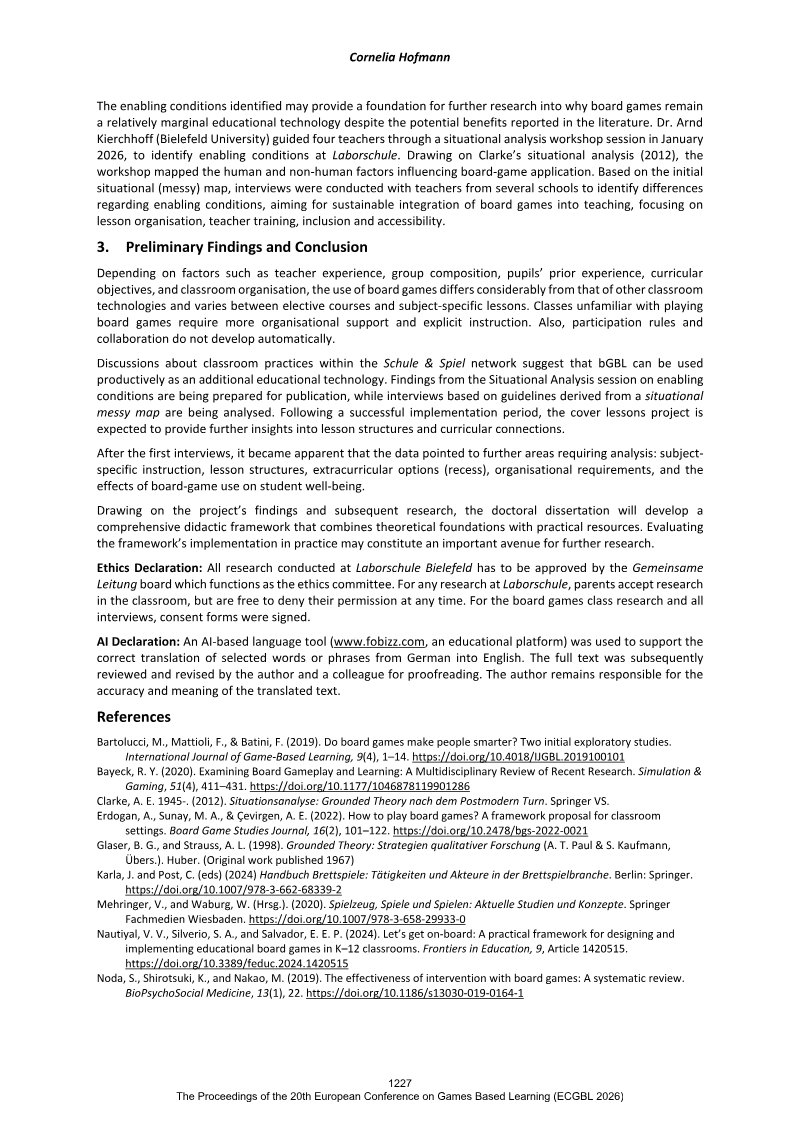
European Conference on Games Based Learning (ECGBL) · 2026
European Conference on Games Based Learning (ECGBL) · 2026
European Conference on Games Based Learning (ECGBL) · 2026
European Conference on Games Based Learning (ECGBL) · 2026
European Conference on Games Based Learning (ECGBL) · 2026
European Conference on Games Based Learning (ECGBL) · 2026
European Conference on Games Based Learning (ECGBL) · 2026
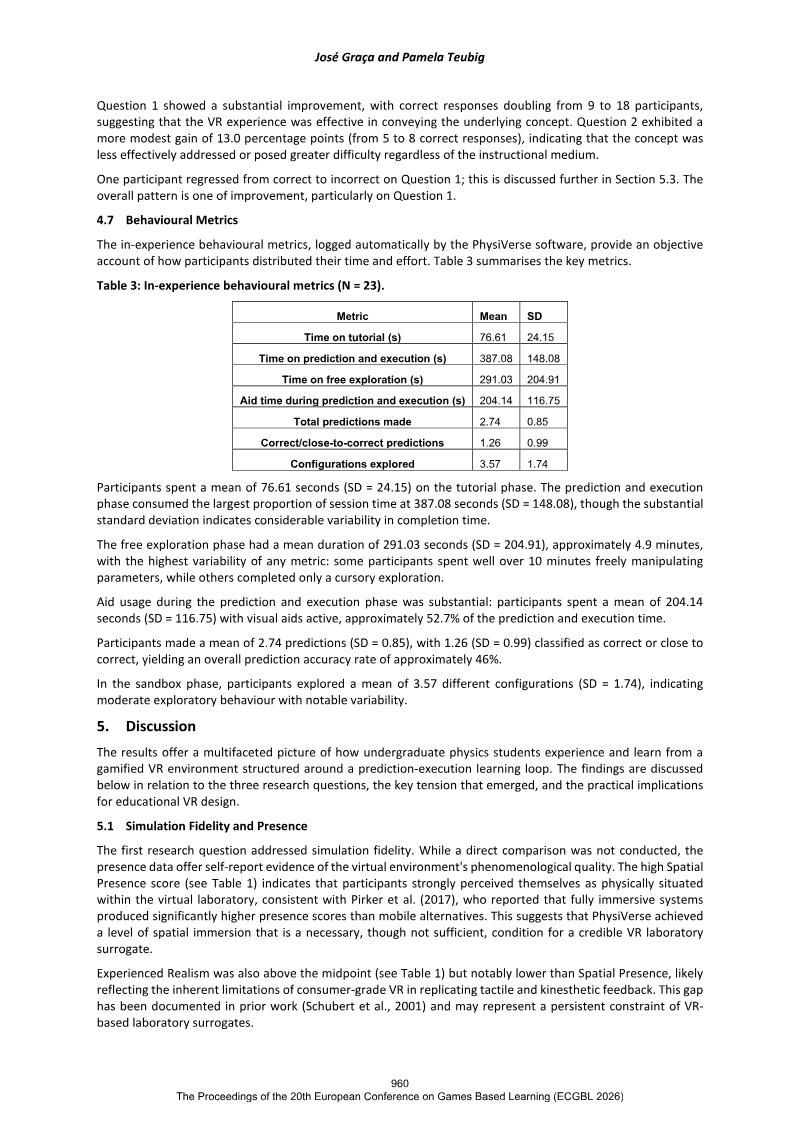
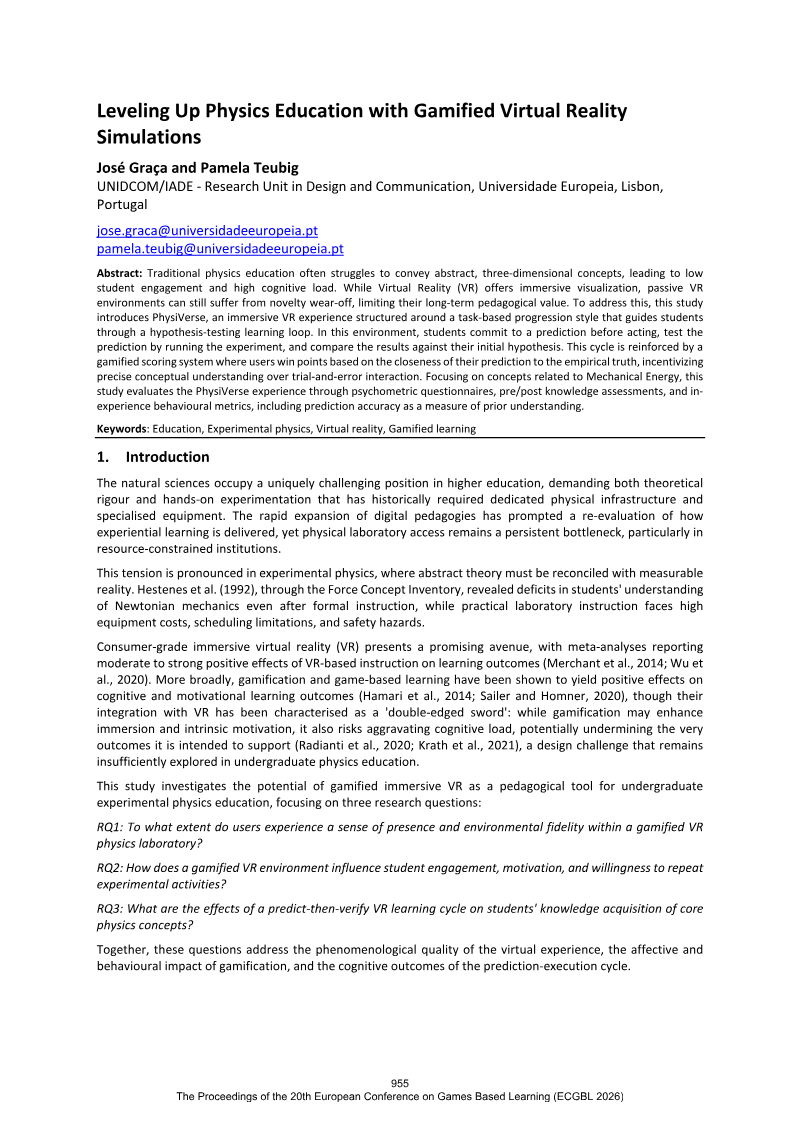
European Conference on Games Based Learning (ECGBL) · 2026
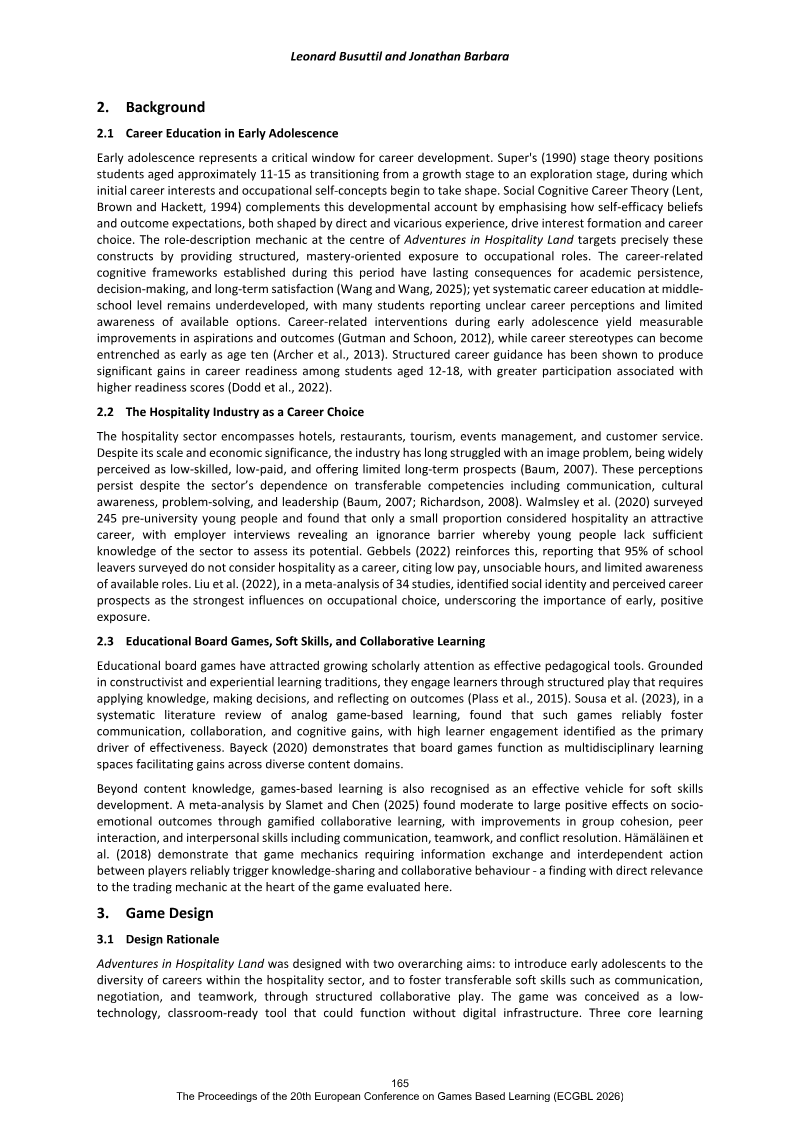
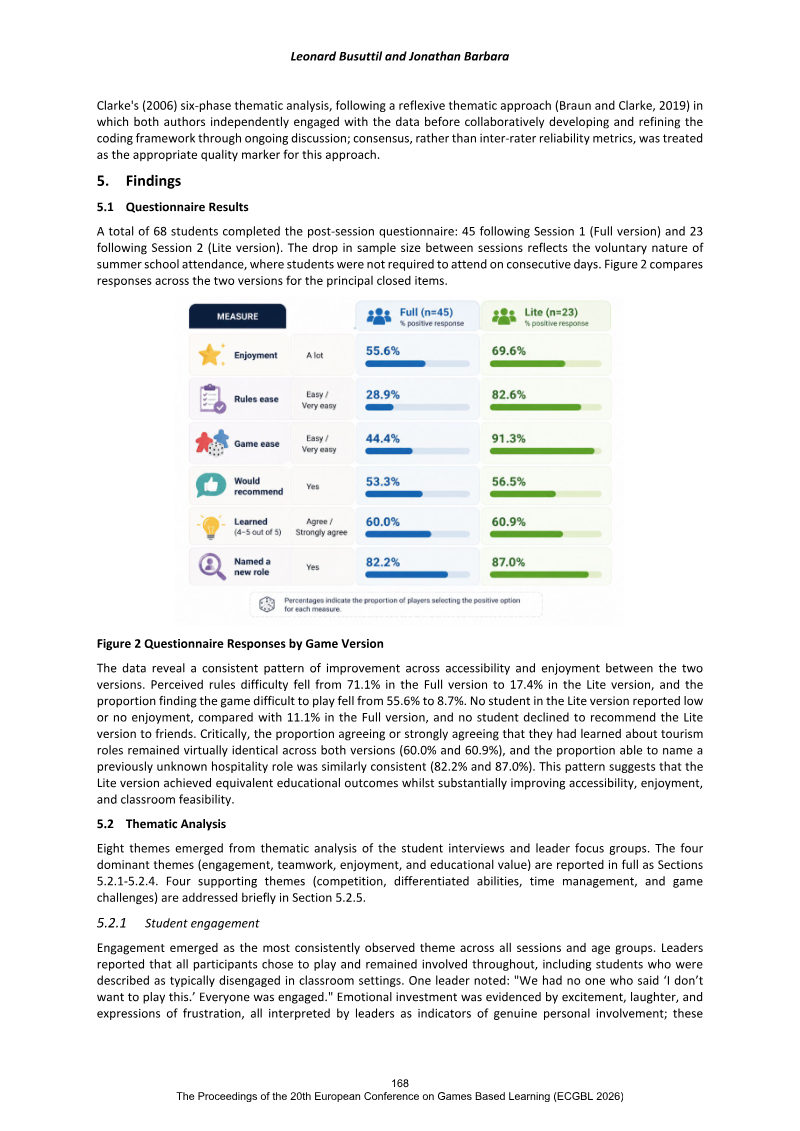
European Conference on Games Based Learning (ECGBL) · 2026
European Conference on Games Based Learning (ECGBL) · 2026
European Conference on Games Based Learning (ECGBL) · 2026
European Conference on Games Based Learning (ECGBL) · 2026
European Conference on Games Based Learning (ECGBL) · 2026