1 free read left. Create a free account for unlimited reading + AI research.
Create free accountWhitepaper DiGRA
1 free read left. Create a free account for unlimited reading + AI research.
Create free accountWhitepaperDiGRA
The study examined 110 students randomly assigned to one of several onboarding variants for the puzzle game Baba Is You.
General gaming expertise, measured through self-reported weekly hours and years of play, emerges as a stronger predictor of player outcomes than the onboarding approach a player receives in the puzzle game Baba Is You. In a study of 110 students randomly assigned to one of several onboarding variants (Tutorialized, Safe Problem-Solving, Increased Impasse, and an Original condition), expertise strongly predicted the number of levels completed (β = 9.68, R² = .24, p < .001), a result robust to the exclusion of influential cases. Onboarding condition, by contrast, produced no difference in overall performance. Expertise also tracked rule-manipulation and undo behaviors, indicating that experienced players engaged the game's mechanics in qualitatively different ways.
Perceived difficulty rose for all groups between the first and third sessions, though the increase was smallest among players who received tutorials. Expertise did not affect subjective ratings as a main effect, but it shaped how enjoyment changed over time. In the Increased Impasse and Original conditions, high-expertise players grew more enjoyment across sessions while low-expertise players declined, whereas Tutorialized players declined similarly regardless of expertise. One enjoyment interaction was sensitive to outlier removal and should be interpreted with caution.
The authors interpret these patterns through Calleja's Digital Game Experience Model and prior findings that design effects differ for novices and experts. Structured onboarding appears to support novices, while it may constrain experienced players who prefer open exploration. The study therefore supports treating expertise as a core individual-difference variable in game research and design, rather than relying on onboarding design alone to shape engagement.
The study's limitations include reliance on self-reported general gaming experience rather than puzzle-specific skill, which serves only as a rough approximation of expertise and is known to be moderately correlated with expert-rated performance. The sample of university students and the single puzzle title also constrain how broadly the findings apply. Even so, the work provides a systematic test of how onboarding approaches interact with player expertise, a question prior research had largely left unexamined.
Each row is a game or company this document names, each column a document, oldest first. A mark means that document names it. Select a row to see those documents.

DiGRA · 2026

DiGRA · 2026



DiGRA · 2026



DiGRA · 2026



DiGRA · 2026



DiGRA · 2026



DiGRA · 2026



DiGRA · 2026

DiGRA · 2026



DiGRA · 2026



DiGRA · 2026

DiGRA · 2026
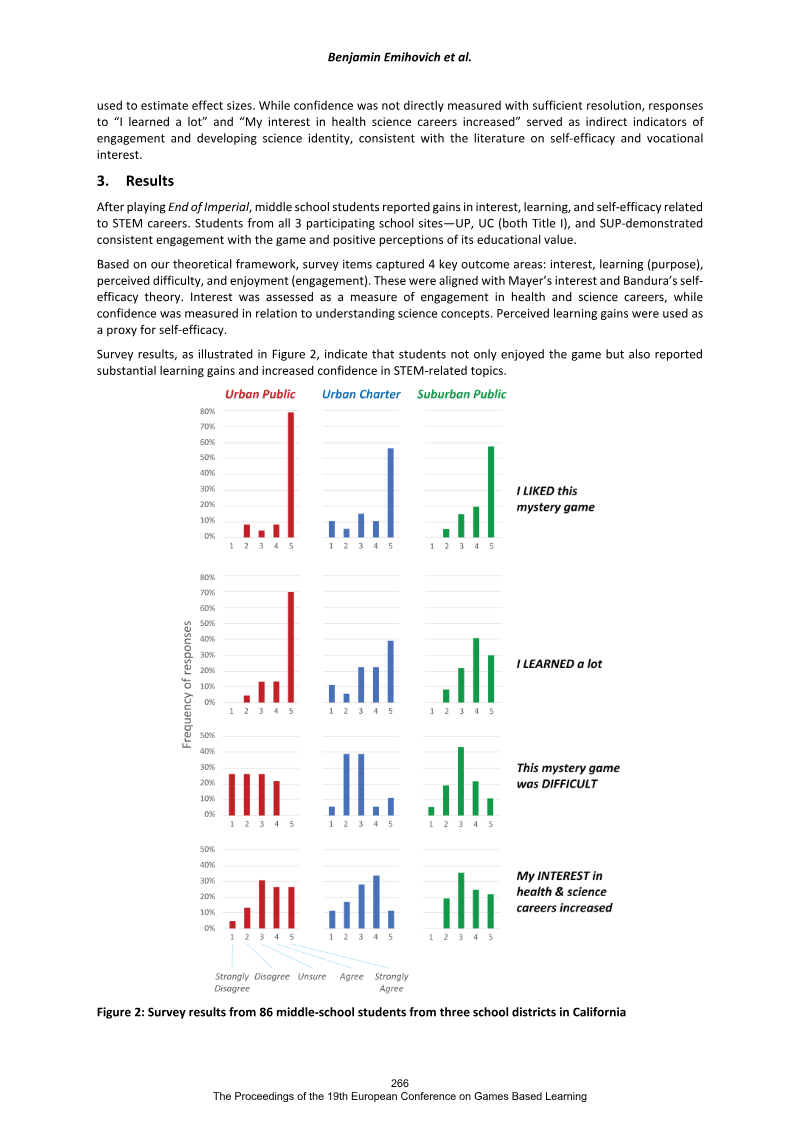
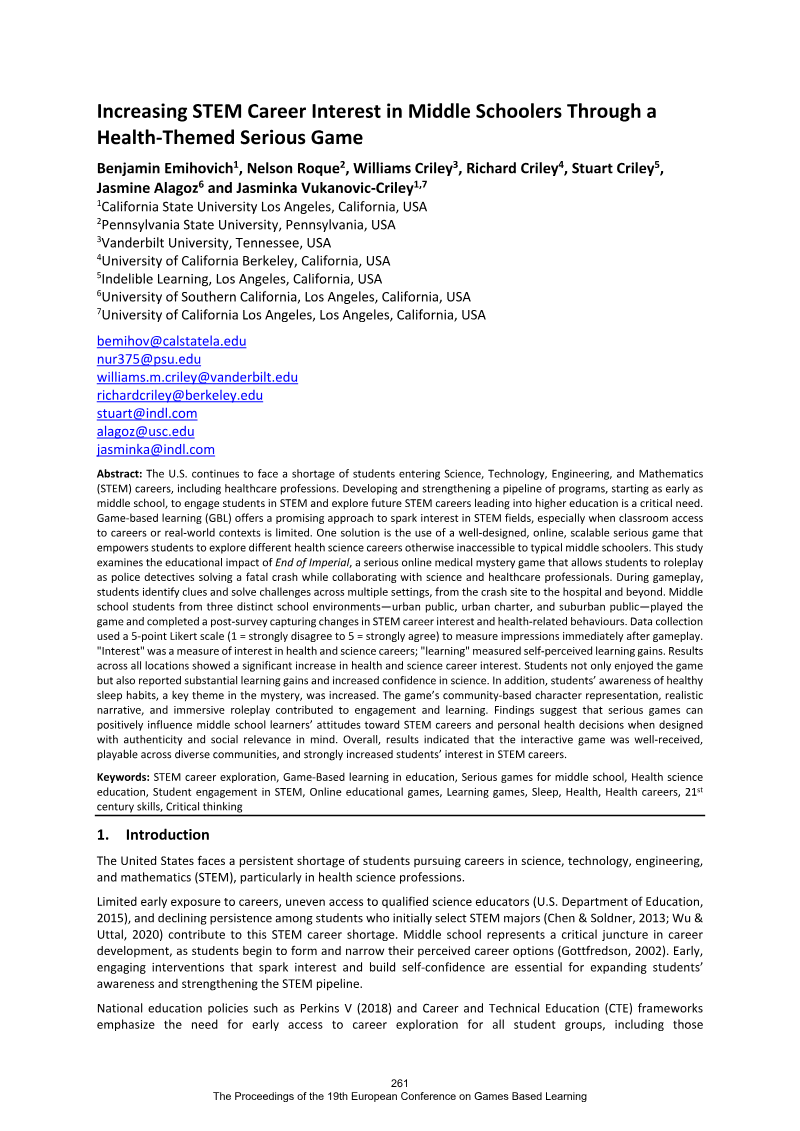
European Conference on Games Based Learning (ECGBL) · 2025
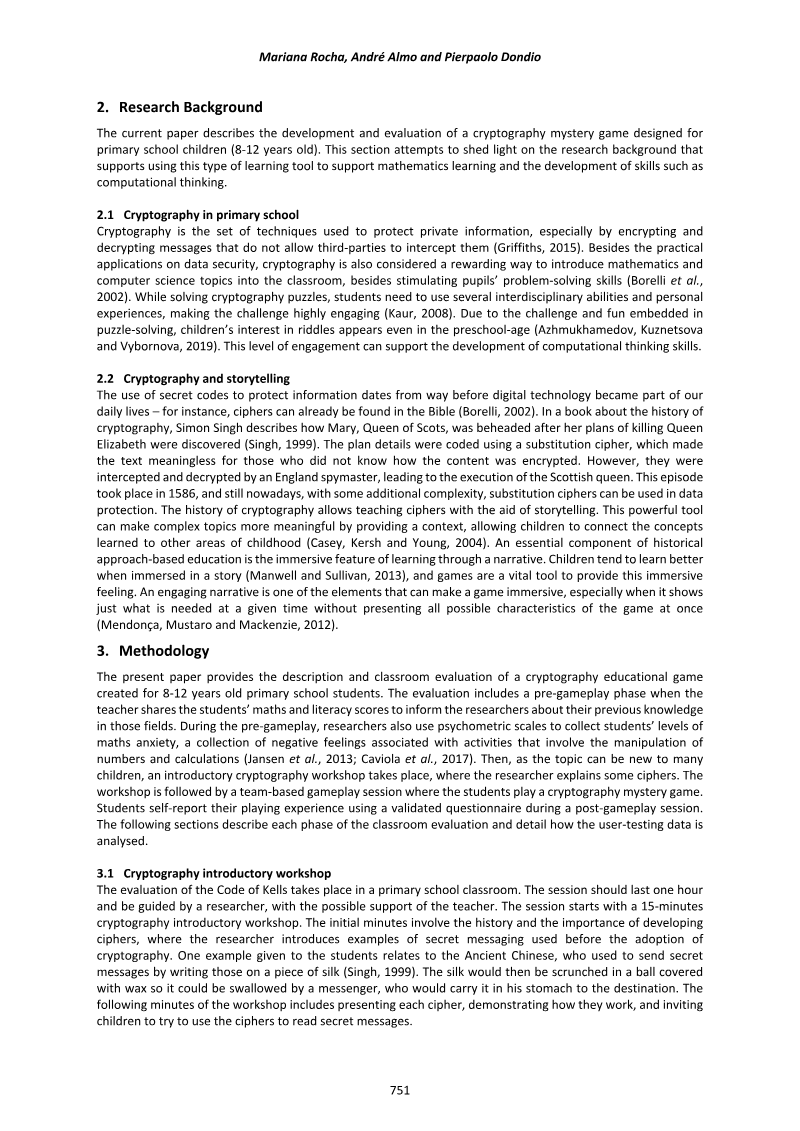
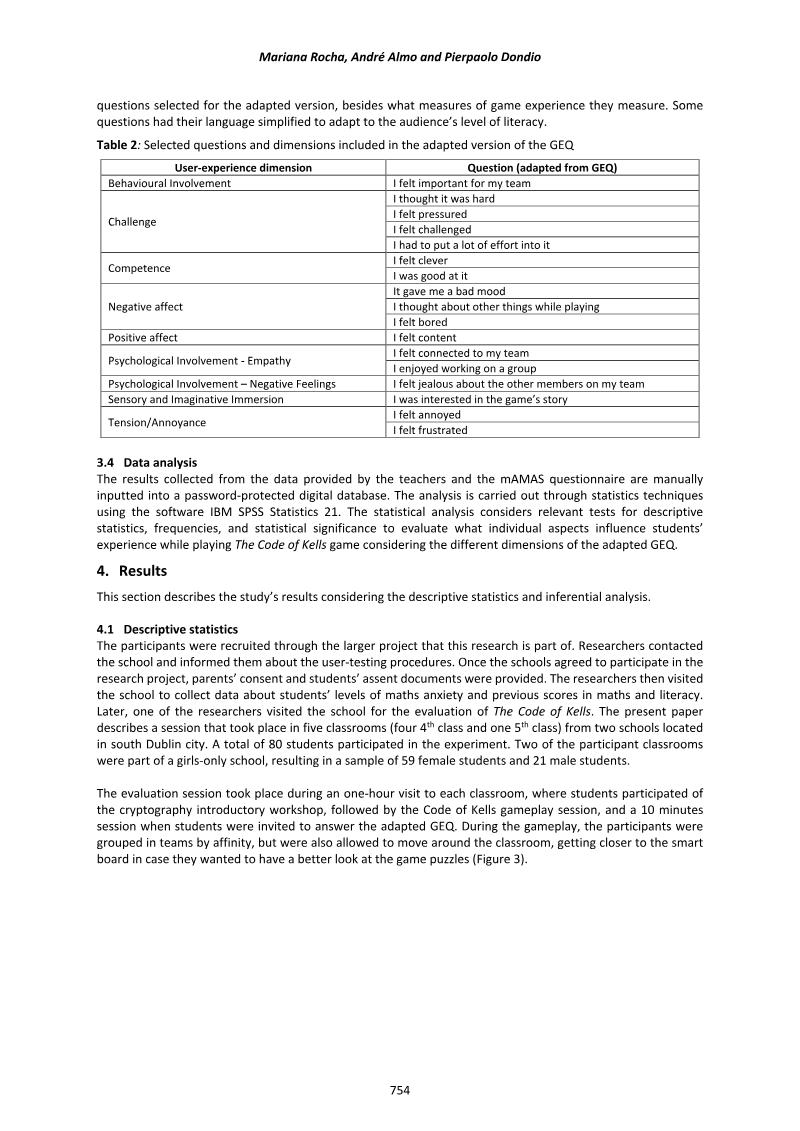
European Conference on Games Based Learning (ECGBL) · 2022
European Conference on Games Based Learning (ECGBL) · 2022