1 free read left. Create a free account for unlimited reading + AI research.
Create free accountWhitepaper European Conference on Games Based Learning (ECGBL)
1 free read left. Create a free account for unlimited reading + AI research.
Create free accountWhitepaperEuropean Conference on Games Based Learning (ECGBL)
The qualitative study examines how adolescent and young adult players view digital simulation games as a medium for geography education. It draws on 19 interviews.
This qualitative study examines how adolescent and young adult players view digital simulation games as a medium for geography education. Drawing on 19 interviews with players of five simulation games, the research finds that players' attitudes fall into three groups: dismissive, enthusiastic, and mixed. Dismissal typically rests on game content, while enthusiasm centers on engagement, interactivity, and the opportunity to explore systems. Players often regard games as more action-oriented and interactive than books or film, though some question their value because of accessibility barriers, time demands, and a perceived tension between play and learning.
A consistent finding across all groups is that players undervalue games' potential for critical reflection, argumentation, and opinion formation. Respondents tended to focus narrowly on subject knowledge, and when they did see educational promise, they cited game mechanics far more often than content. Most envisioned teacher-guided use, such as introducing a lesson through a game and then conducting debriefing sessions to discuss content accuracy and broader implications. Respondents stressed that successful classroom integration depends heavily on context and on educator-led briefing and debriefing rather than on the game alone.
The study also highlights substantial variation in reflective capacity. Depth of reflection differed notably by age, educational level, and the specific game being played, suggesting that players' ability to evaluate games as educational media is uneven. The authors conclude that this variation points to a need for greater "educational games literacy," so that learners and educators can more critically assess and productively use games in instruction. The work is situated within broader research on game-based learning and game literacy, and it employs Mayring's qualitative content analysis.
European Conference on Games Based Learning (ECGBL) · 2026



European Conference on Games Based Learning (ECGBL) · 2026
European Conference on Games Based Learning (ECGBL) · 2026



European Conference on Games Based Learning (ECGBL) · 2026



European Conference on Games Based Learning (ECGBL) · 2026



European Conference on Games Based Learning (ECGBL) · 2026



European Conference on Games Based Learning (ECGBL) · 2026
European Conference on Games Based Learning (ECGBL) · 2026
European Conference on Games Based Learning (ECGBL) · 2026



European Conference on Games Based Learning (ECGBL) · 2026
European Conference on Games Based Learning (ECGBL) · 2026



European Conference on Games Based Learning (ECGBL) · 2026



DiGRA · 2026
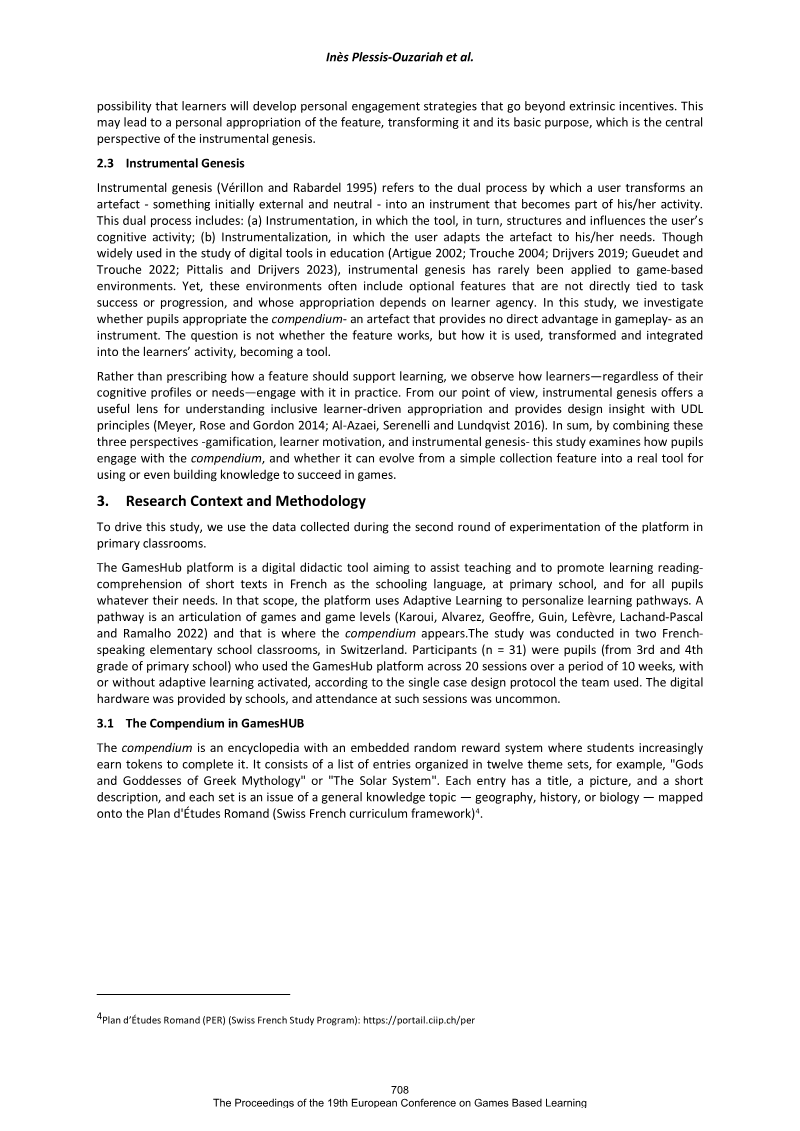
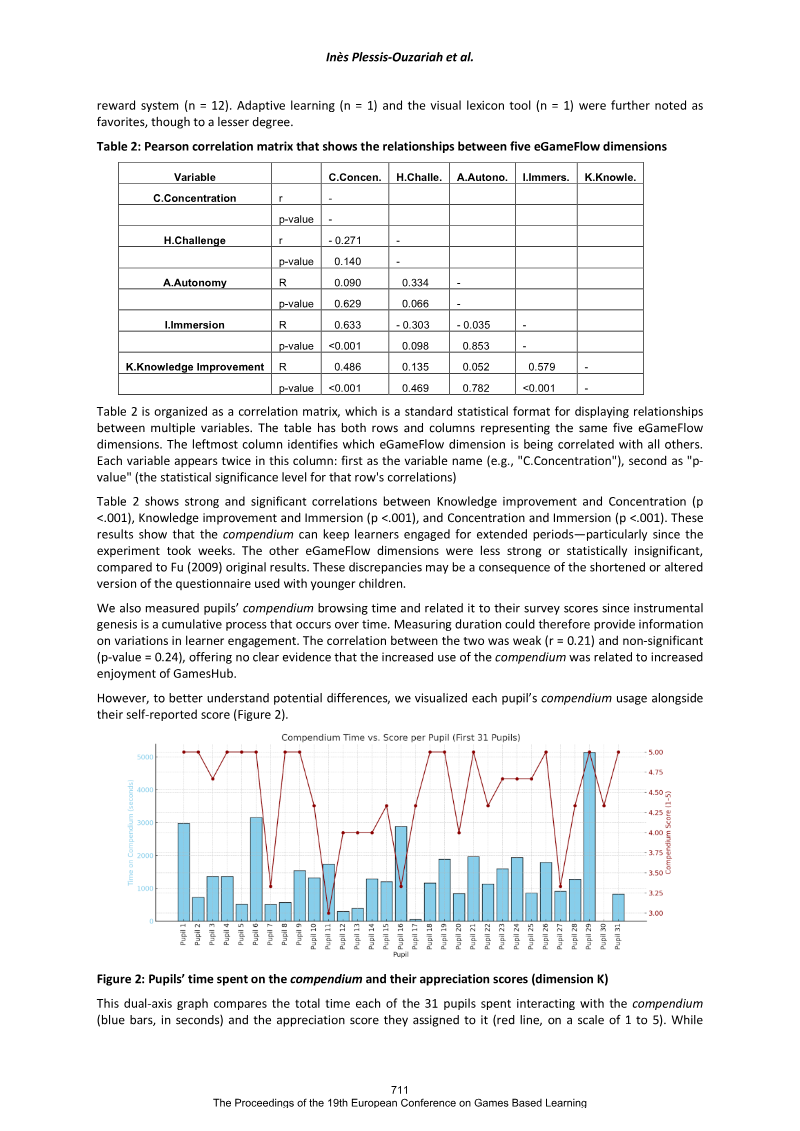
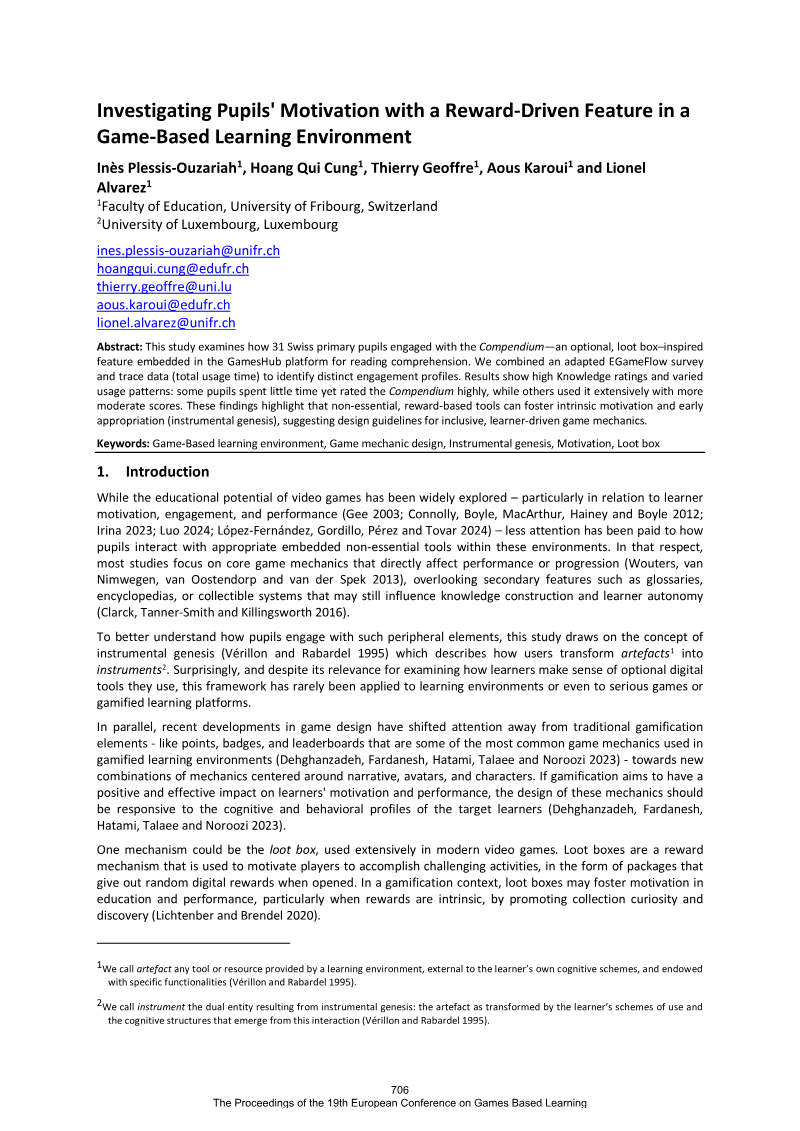
European Conference on Games Based Learning (ECGBL) · 2025
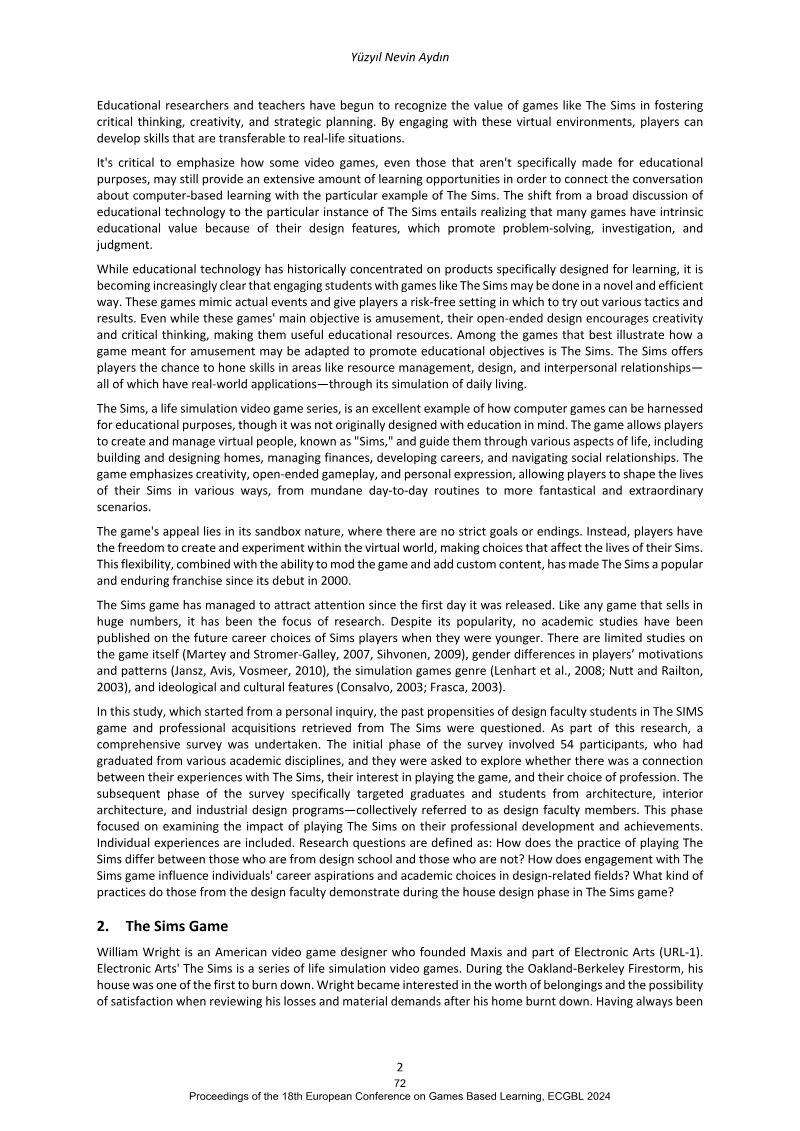
European Conference on Games Based Learning (ECGBL) · 2024