1 free read left. Create a free account for unlimited reading + AI research.
Create free accountWhitepaper European Conference on Games Based Learning (ECGBL)
1 free read left. Create a free account for unlimited reading + AI research.
Create free accountWhitepaperEuropean Conference on Games Based Learning (ECGBL)
Players are scored on validated test-quality indicators rather than on how much activity they perform. The game is built around explicit Bloom-tagged learning objectives using the MDA framework.
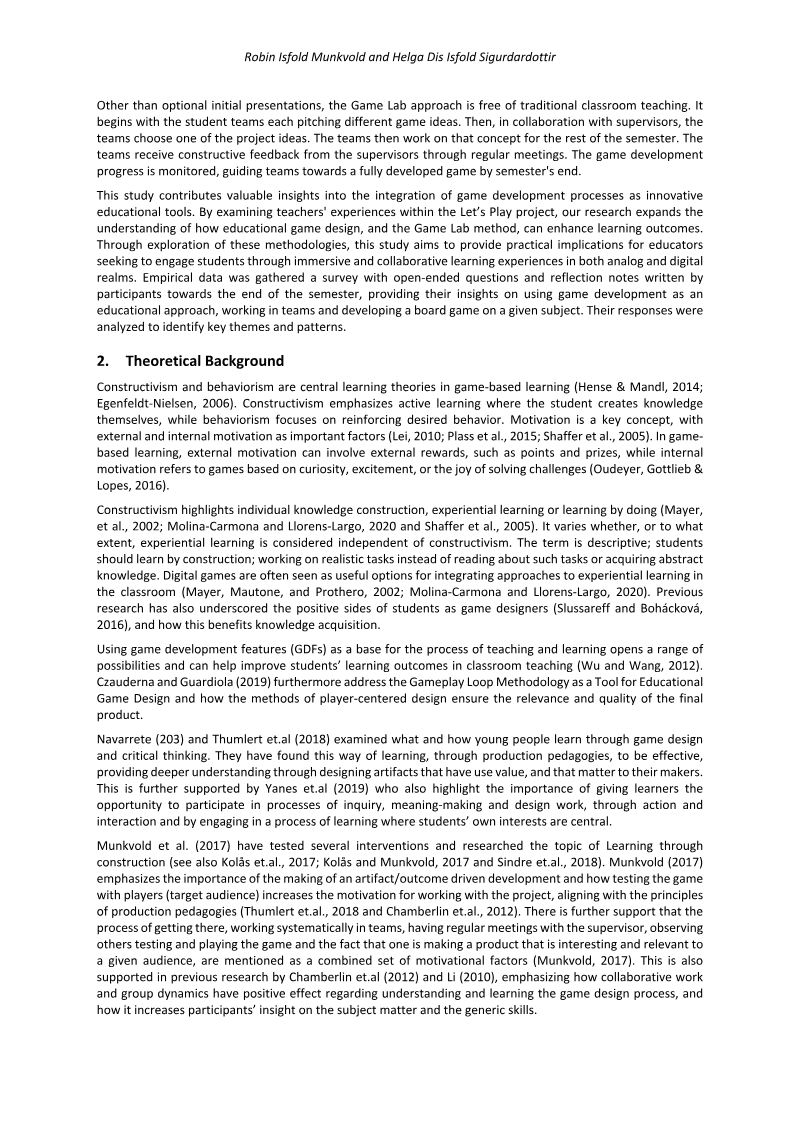
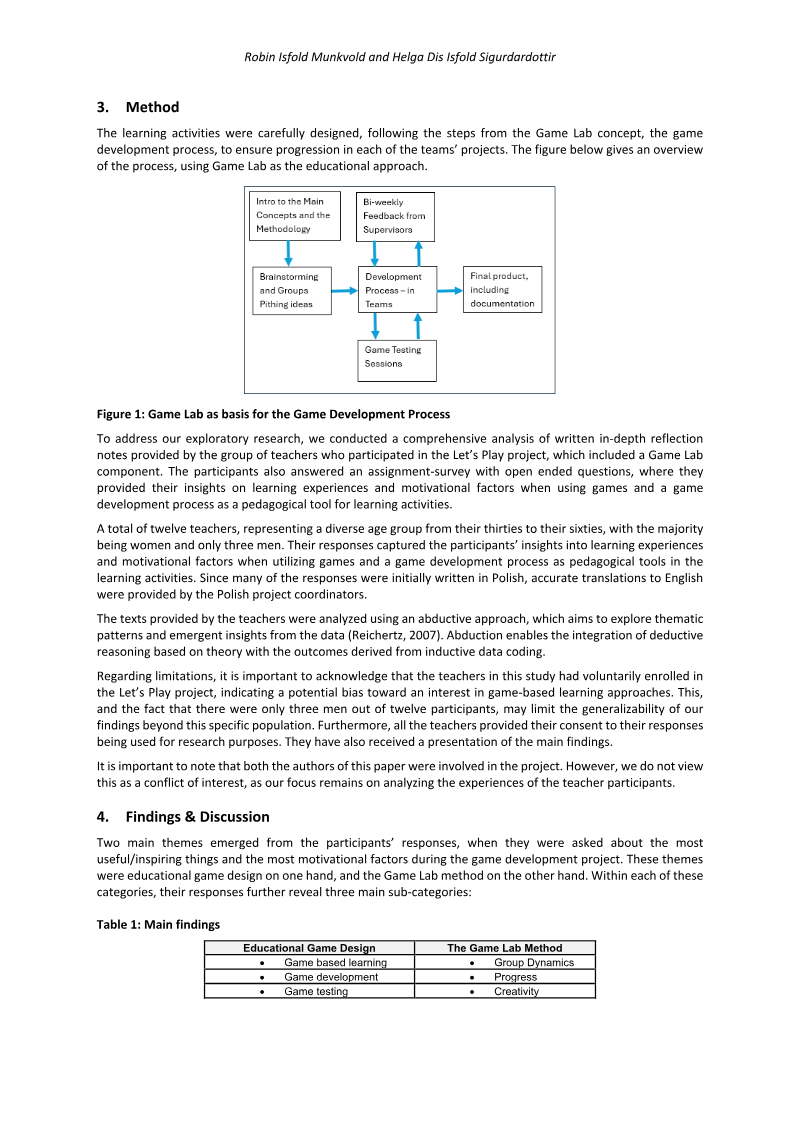
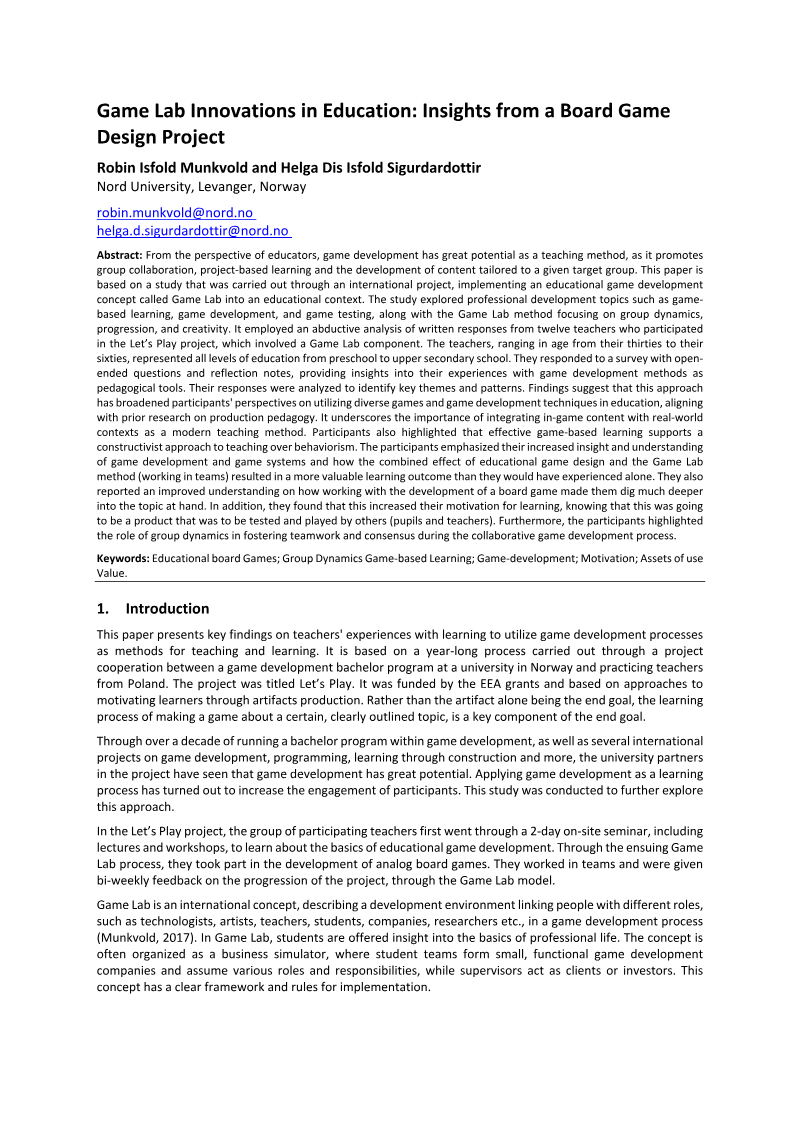
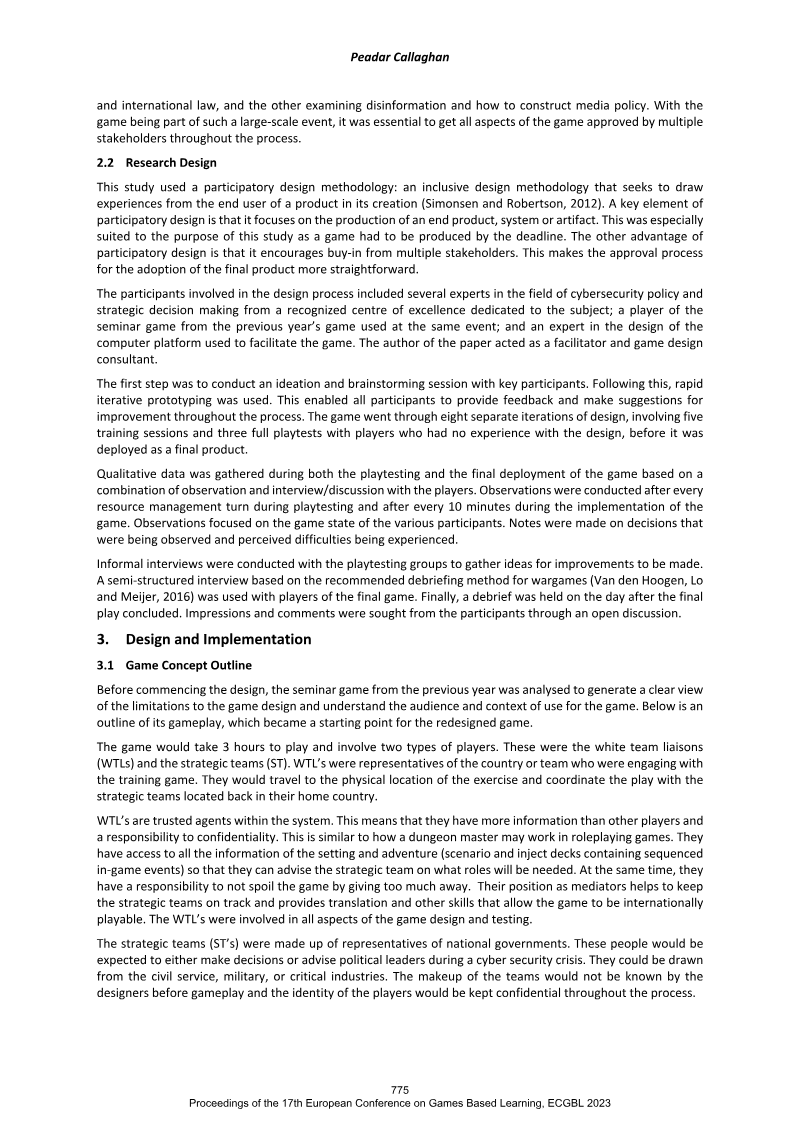
Test Royale is a web-based competitive educational game designed to teach unit testing, with its score computed directly from validated test-quality indicators such as mutation score, code coverage, useful test code, and execution time, rather than from how much activity a player performs. The game is built around explicit Bloom-tagged learning objectives using the MDA (Mechanics, Dynamics, Aesthetics) framework. The work is positioned as a proof-of-concept contribution to computer science education and to professional software testing practice, and its authors present the findings as encouraging preliminary evidence rather than confirmatory results.
In a classroom pilot with 16 undergraduate students, the gamified group outperformed a non-gamified control on mutation score, branch and line coverage, useful lines of test code, and total score, with large effect sizes. These differences survived Holm-Bonferroni correction, although only total score survived the stricter Bonferroni threshold. A separate industry pilot with 11 professional developers found excellent usability, with a mean System Usability Scale score of 80.0, though the 95% confidence interval's lower bound sits only marginally above the benchmark of 68. Motivation did not change significantly in the professional group.
The evidence base is limited by small samples, a single-session design, and a confounded comparison: game mechanics are entangled with feedback immediacy, so the source of observed gains cannot yet be attributed to game features alone. The authors acknowledge these constraints explicitly. Their planned next steps include a fully powered three-arm replication to separate mechanics from feedback immediacy, longitudinal retention testing, and open-source release of the platform to support independent validation.



European Conference on Games Based Learning (ECGBL) · 2026



European Conference on Games Based Learning (ECGBL) · 2026



European Conference on Games Based Learning (ECGBL) · 2026



European Conference on Games Based Learning (ECGBL) · 2026



European Conference on Games Based Learning (ECGBL) · 2026



European Conference on Games Based Learning (ECGBL) · 2026



European Conference on Games Based Learning (ECGBL) · 2026



European Conference on Games Based Learning (ECGBL) · 2026



European Conference on Games Based Learning (ECGBL) · 2026



European Conference on Games Based Learning (ECGBL) · 2026



European Conference on Games Based Learning (ECGBL) · 2026
European Conference on Games Based Learning (ECGBL) · 2026
DiGRA · 2025