ArticleThe Game Business
Games Media Crisis Deepens, Bloober Hunts Weird Horror Titles, and New York Games Week Soft Launches
1 Oct 20261 pages~12 min full read
The video game industry is currently navigating a period of significant structural instability, characterized by widespread media layoffs and evolving event strategies. Recent job losses have impacted major outlets, including Future’s Gamesradar and Techradar, as well as the editorial staff at Popverse and Metro’s games division. This contraction is largely attributed to declining web traffic caused by shifts in search engine algorithms and the increasing prevalence of AI-driven search services, forcing many media organizations to pivot toward subscription-based models to ensure financial viability.
In the development sector, Bloober Team is actively expanding its horror portfolio through its Broken Mirror label. By appointing former Techland franchise director Tymon Smektala, the studio aims to cultivate unique, high-impact horror titles that mirror the viral success of indie phenomena like the Backrooms. The studio is currently managing seven projects, including the Nintendo Switch 2 exclusive Onyx: The Dark Grip, which reflects a strategic, long-term effort to build deeper relationships with Nintendo’s ecosystem through innovative, hardware-specific gameplay.
Simultaneously, the industry is witnessing a shift in event management with the soft launch of New York Games Week. Rather than relying on traditional, large-scale conference models, organizers are prioritizing a decentralized, community-focused approach. This strategy emphasizes regional networking and flexible, smaller-scale activations over the rigid, high-cost structures of legacy trade shows. These developments, alongside broader industry news—such as Meta’s introduction of AI-powered game creation tools and various studio restructurings—highlight a broader transition toward decentralized, platform-agnostic, and community-centric business models as the industry moves into late 2026.
The Game Business · 2026
The Game Business · 2026

The Game Business · 2026
The Game Business · 2026
The Game Business · 2026
The Game Business · 2026

The Game Business · 2026
The Game Business · 2026
The Game Business · 2026
The Game Business · 2026
The Game Business · 2026
The Game Business · 2026
GREE
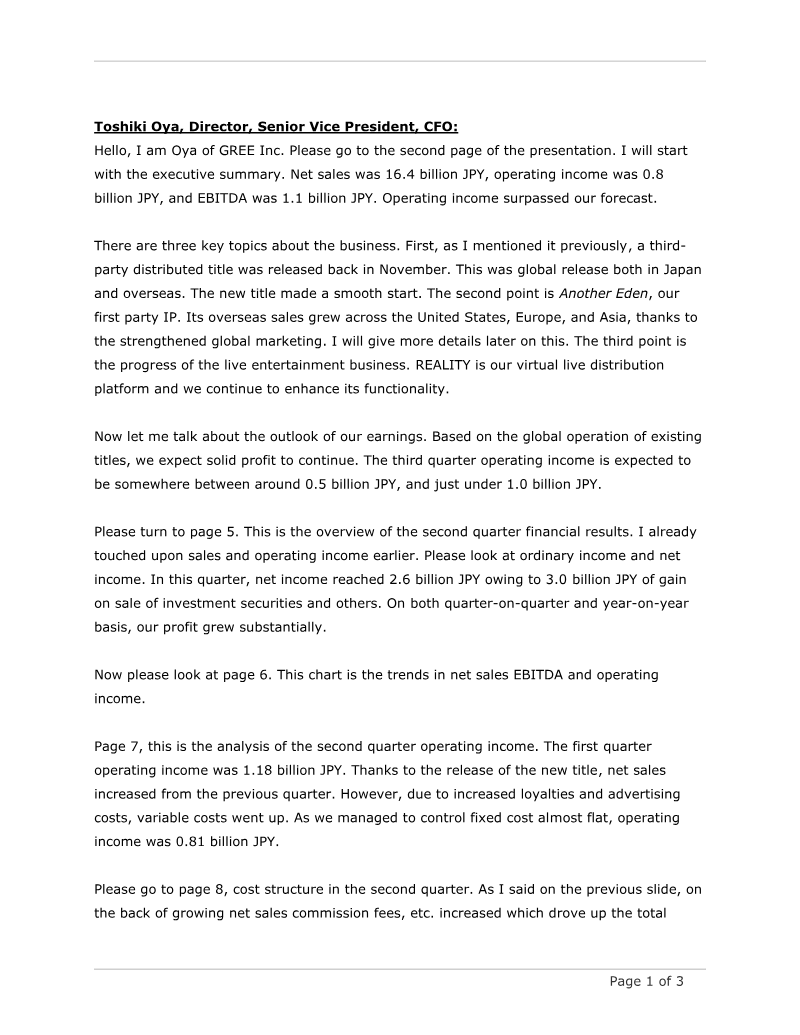
GREE
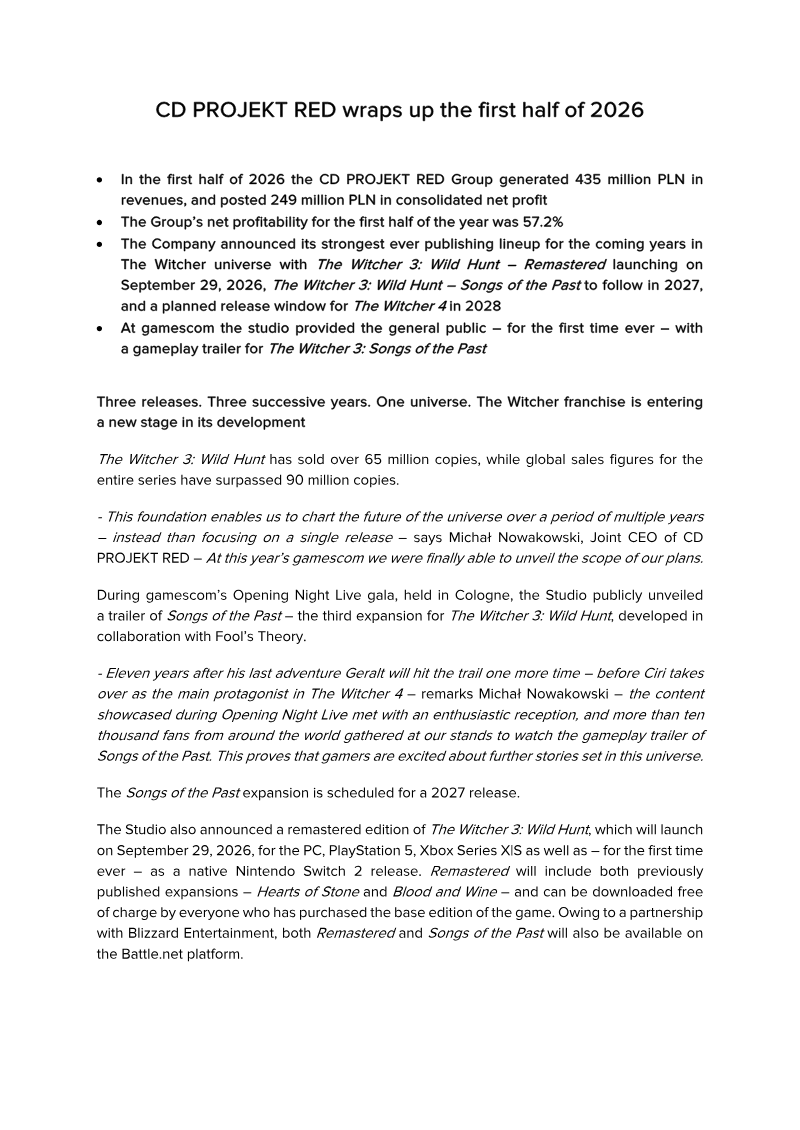
CD Projekt · 2026
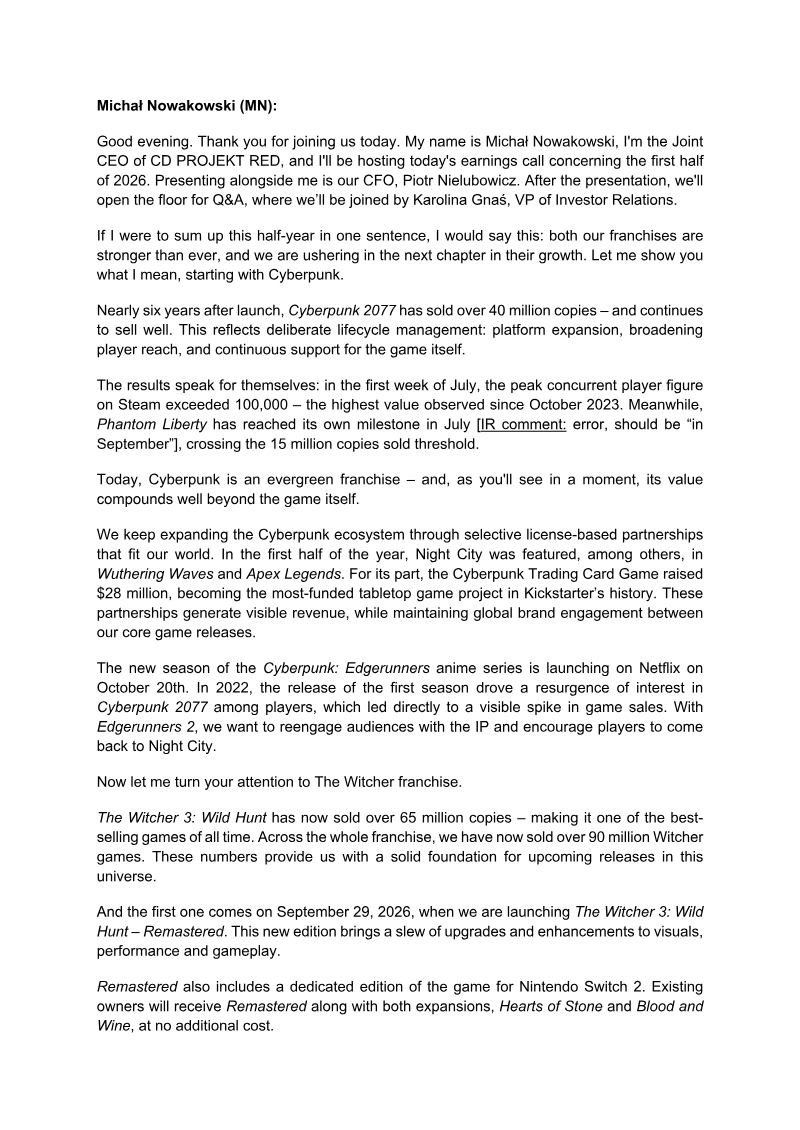
CD Projekt · 2026
IGN Entertainment · 2026
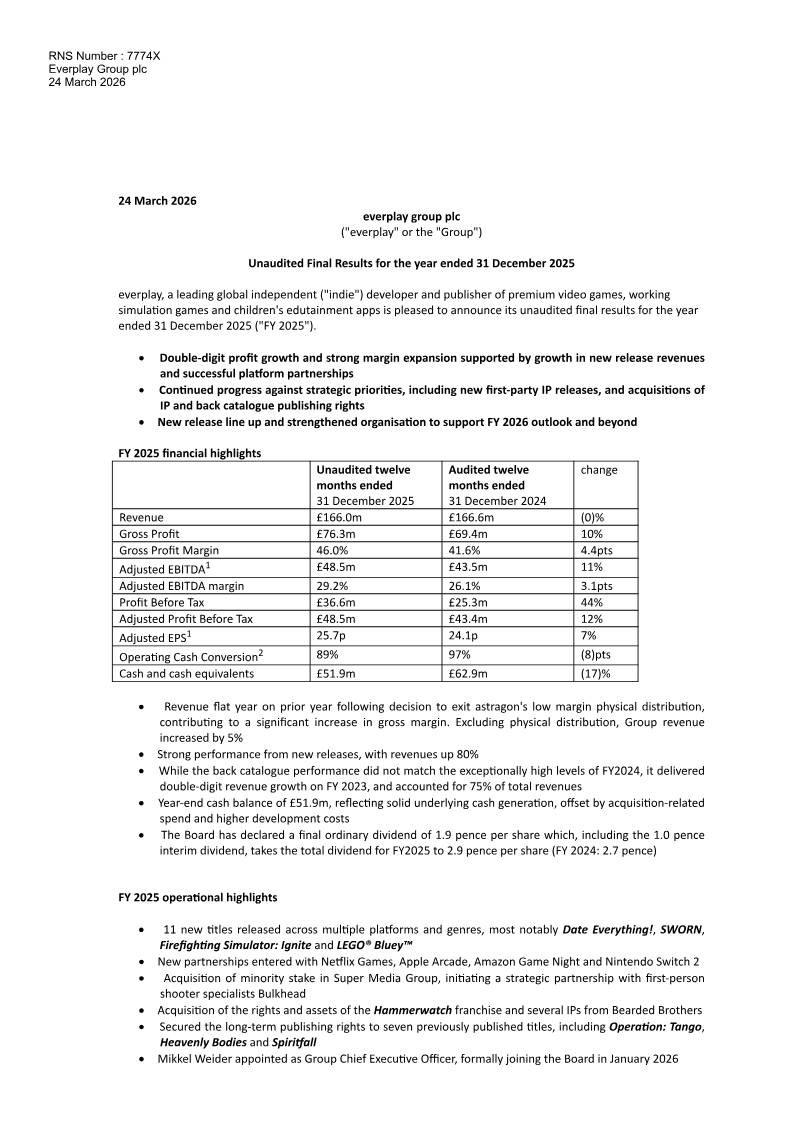
Everplay Group · 2026
Capcom · 2026
Square Enix · 2026

Coda · 2026
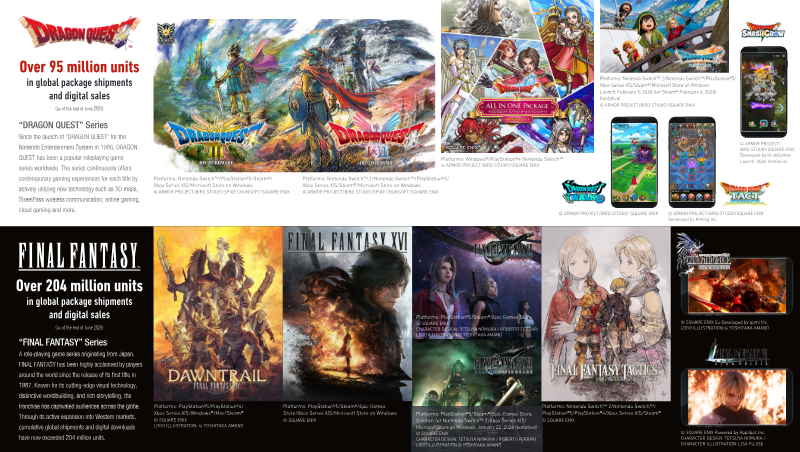
Square Enix · 2025
Rokky · 2025
CD Projekt · 2025