Key insights
4 slides
Market Trend
The MMORPG genre is experiencing a notable resurgence in market relevance.
This trend challenges the recent industry focus on console-based blockbuster releases. The genre is reclaiming significant attention.
Key Players
Established titles are central to the renewed interest in the MMO space.
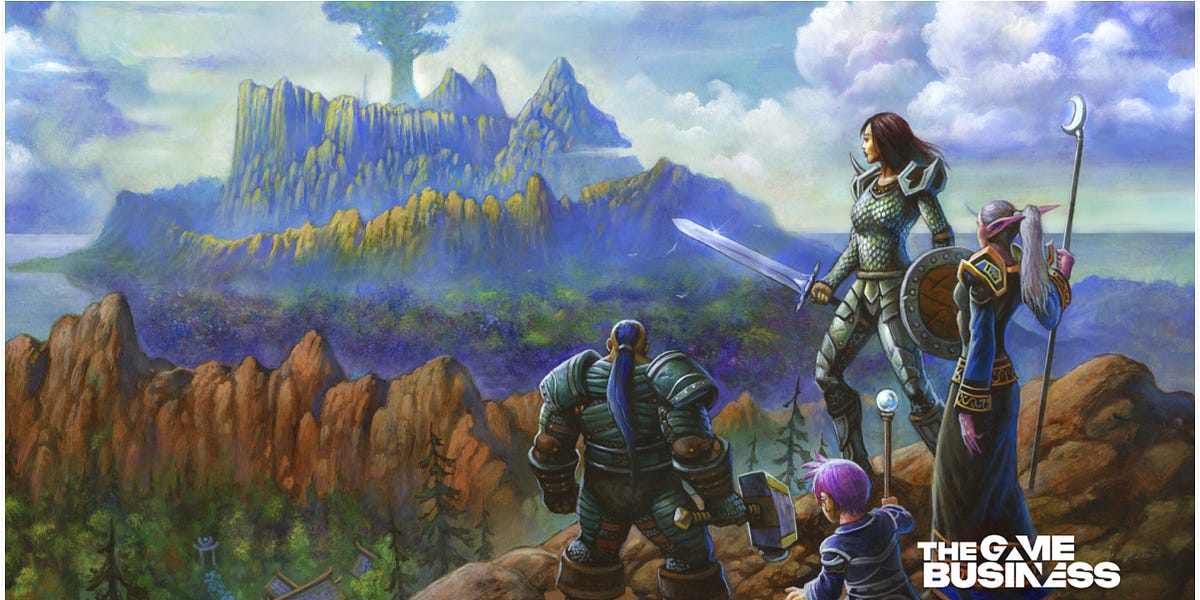
World of Warcraft, RuneScape, and Aion are at the center of this renewed interest. These legacy titles are reclaiming significant attention.
Historical Context
The current market activity marks a shift from the mid-2000s era.
In the mid-2000s, the industry saw a wave of failed attempts to replicate World of Warcraft's success. The current climate suggests a potential shift in player engagement patterns.
It's like trying to catch lightning in a bottle; many tried to copy a past success but couldn't.
Competitive Landscape
The resurgence of MMOs is occurring despite a highly congested September release window.
This window featured significant competition from major console titles. Legacy titles manage to reclaim significant attention despite these high-profile alternatives.
1 / 4
Ask AI about this report