1 free read left. Create a free account for unlimited reading + AI research.
Create free accountReport SELL – Syndicat des Éditeurs de Logiciels de Loisirs
1 free read left. Create a free account for unlimited reading + AI research.
Create free accountReportSELL – Syndicat des Éditeurs de Logiciels de Loisirs
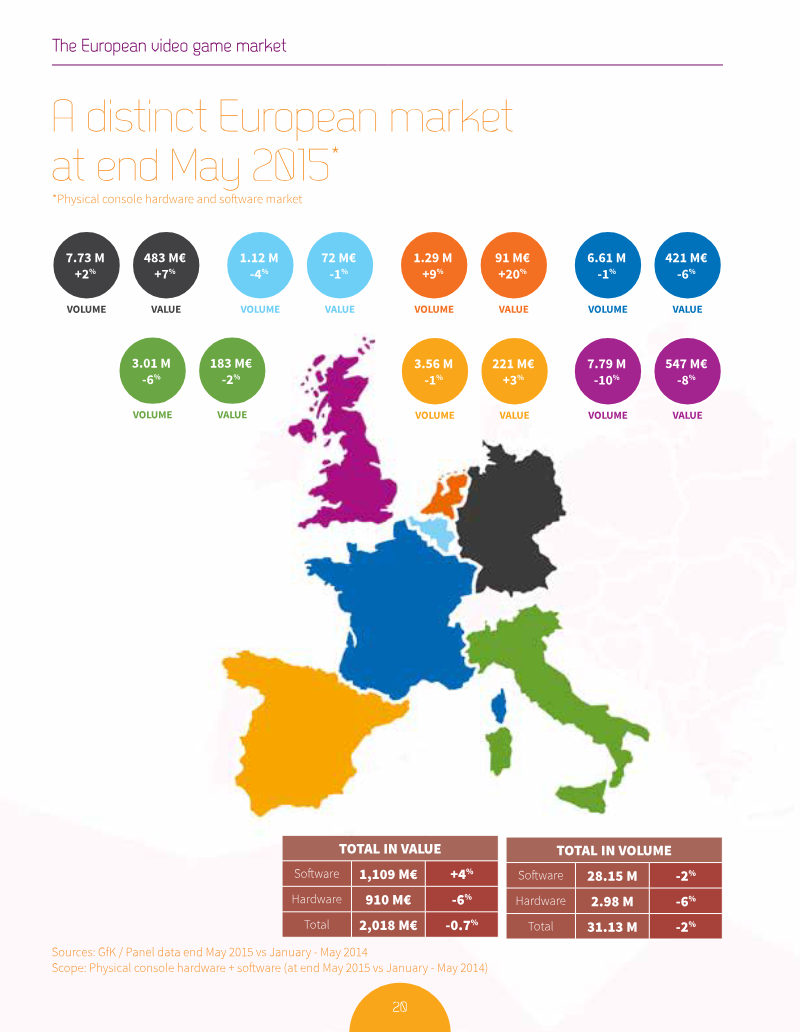
The physical market saw a 0.7 percent decline in value and a 2 percent drop in volume, while the software sector grew by 4 percent in value.
The European video game industry experienced a significant turning point in mid-2015, marking its first period of sustained growth since 2008. This recovery is primarily fueled by the widespread adoption of eighth-generation consoles and a strategic transition toward digital business models, including the integration of prepaid cards and interactive gaming toys. While the broader European physical market faced slight volatility—characterized by a 0.7 percent decline in total value and a 2 percent drop in volume as of May 2015—the software sector demonstrated resilience with a 4 percent increase in value. These trends suggest a maturing market where hardware cycles and evolving digital ecosystems are successfully offsetting traditional retail fluctuations.
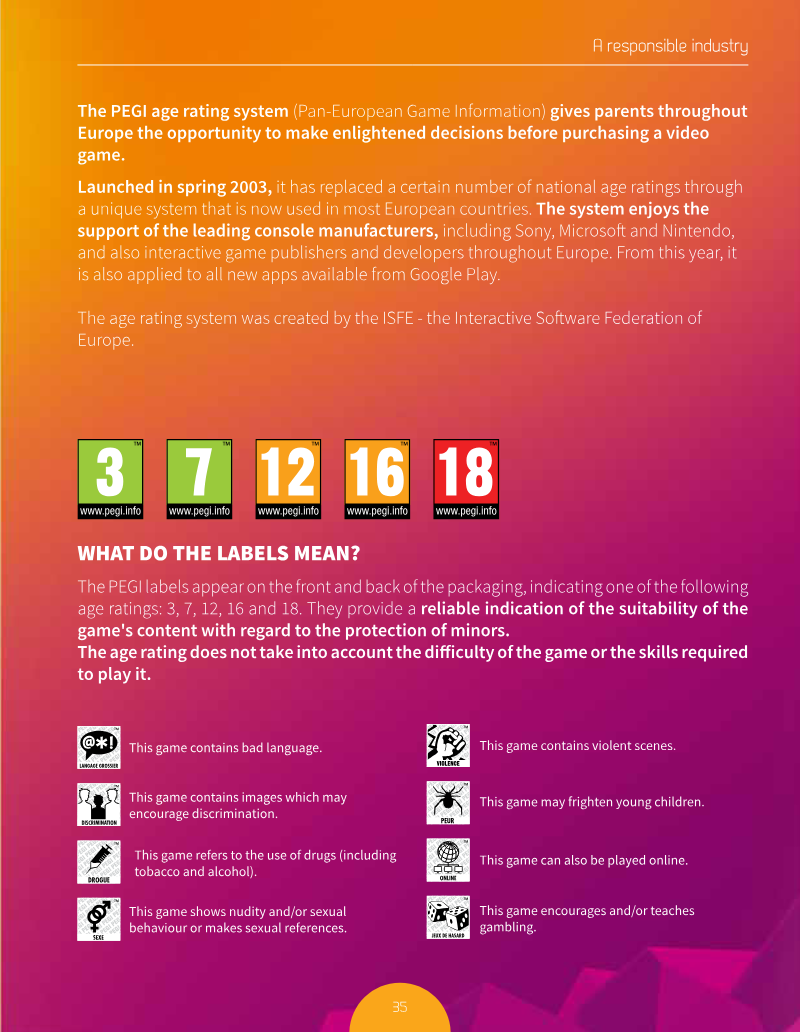
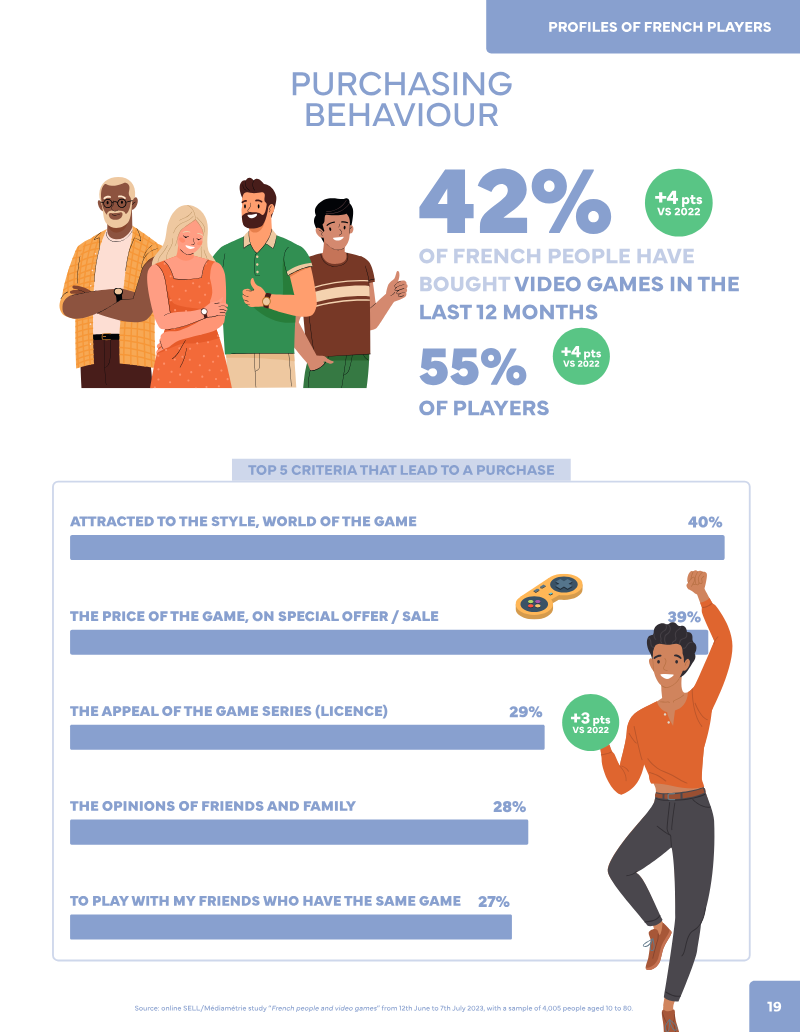
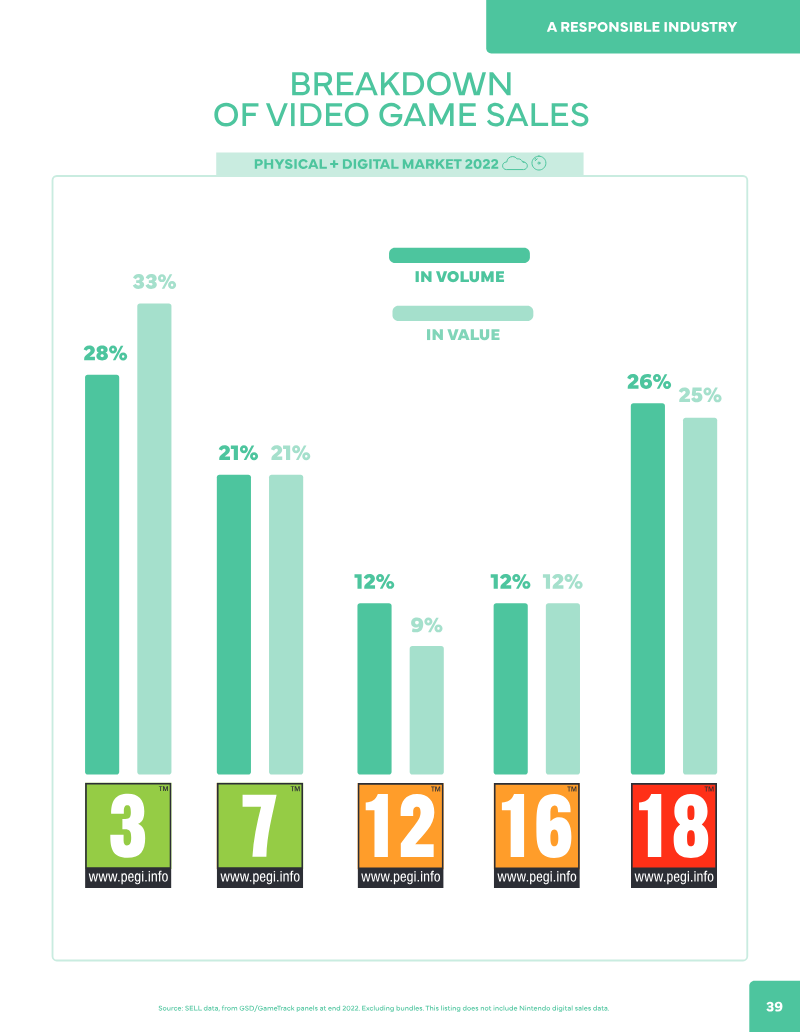
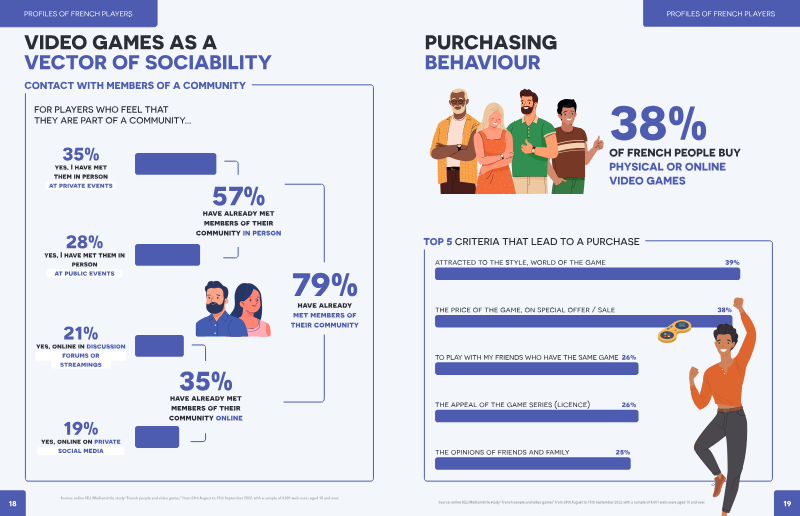
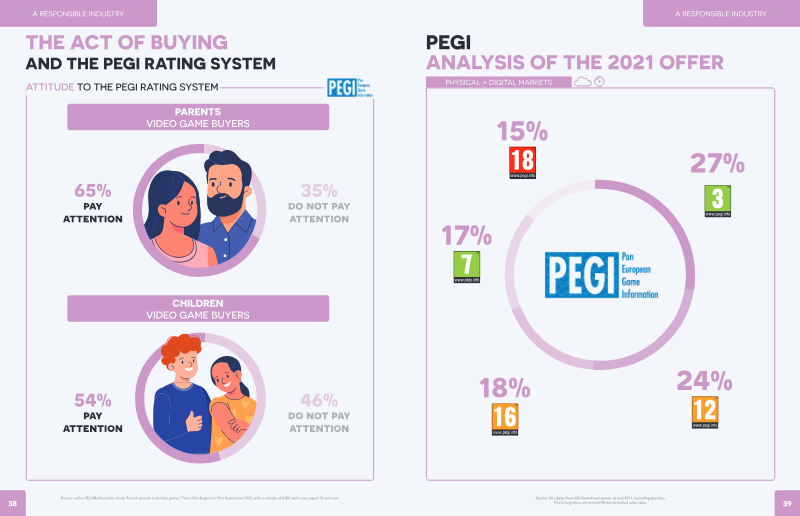
In France, consumer behavior remains distinct, with video games functioning as highly premeditated purchases often tied to strong brand loyalty and gift-giving traditions. To support this consumer base, the industry maintains a rigorous commitment to safety and transparency. The Pan European Game Information (PEGI) rating system continues to serve as the foundational standard for content guidance, with the vast majority of titles rated for younger audiences. Complementary initiatives like PédaGoJeux further facilitate family engagement, while trade organizations such as SELL provide essential market structure through high-profile events like Paris Games Week and IDEF.
These insights are derived from comprehensive market research conducted by GfK and IPSOS, which utilize representative consumer panels to track purchasing habits across both physical and digital platforms. By synthesizing data from major markets including France, the United Kingdom, and Germany, the industry maintains a clear view of regional performance. Moving forward, the sector remains positioned for continued expansion across hardware, software, and accessory segments, supported by a robust framework of consumer education and professional advocacy.

SELL – Syndicat des Éditeurs de Logiciels de Loisirs · 2026
SELL – Syndicat des Éditeurs de Logiciels de Loisirs · 2026

SELL – Syndicat des Éditeurs de Logiciels de Loisirs · 2025

SELL – Syndicat des Éditeurs de Logiciels de Loisirs · 2025
SELL – Syndicat des Éditeurs de Logiciels de Loisirs · 2025

SELL – Syndicat des Éditeurs de Logiciels de Loisirs · 2025

SELL – Syndicat des Éditeurs de Logiciels de Loisirs · 2024
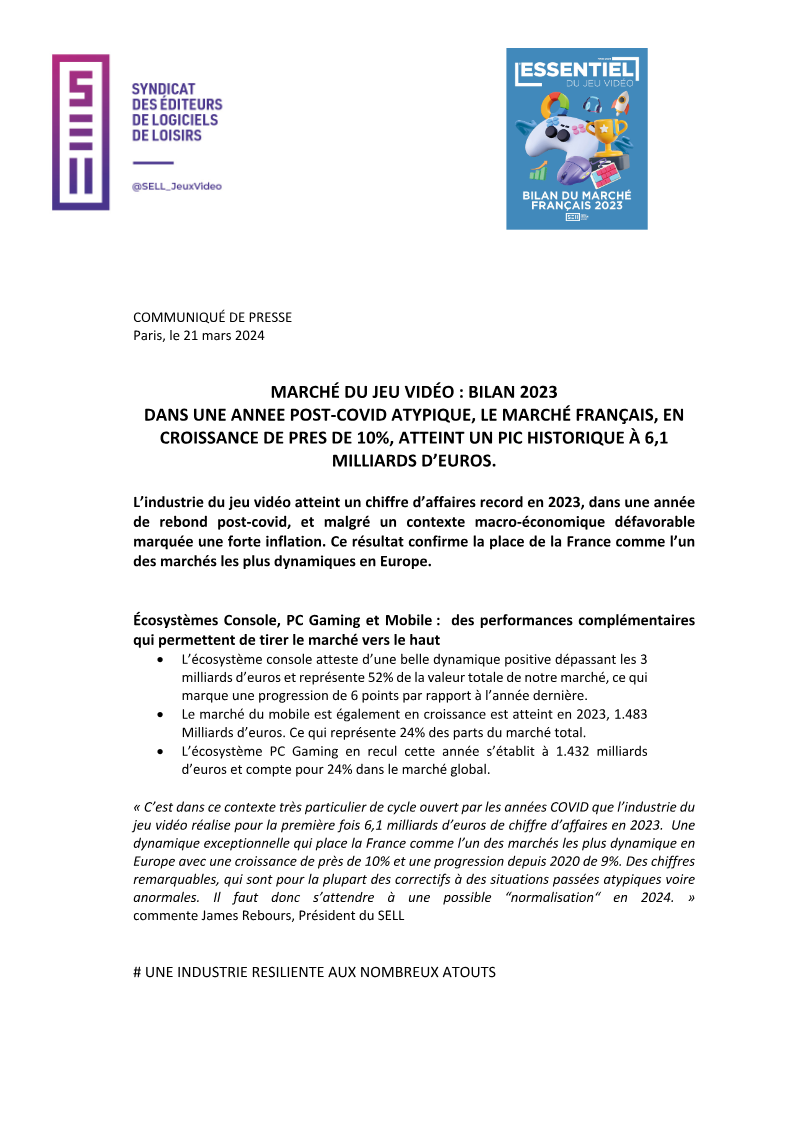
SELL – Syndicat des Éditeurs de Logiciels de Loisirs · 2024

SELL – Syndicat des Éditeurs de Logiciels de Loisirs · 2023
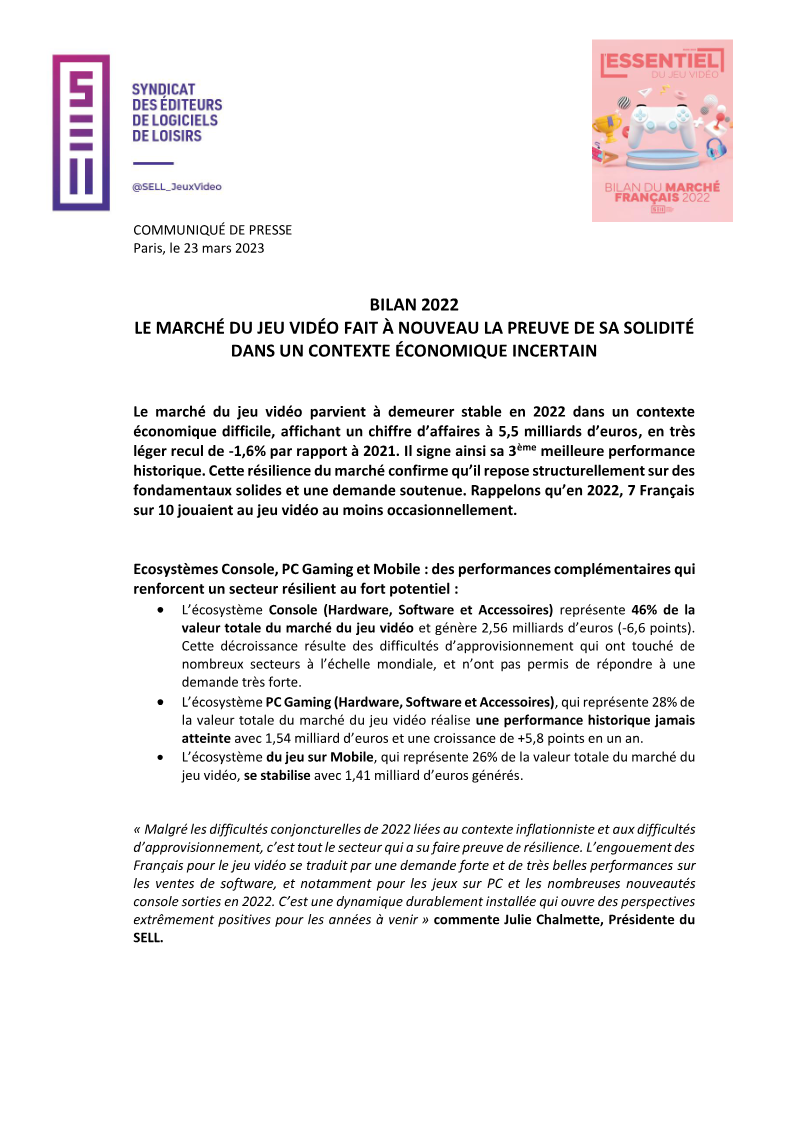
SELL – Syndicat des Éditeurs de Logiciels de Loisirs · 2023



SELL – Syndicat des Éditeurs de Logiciels de Loisirs · 2023

SELL – Syndicat des Éditeurs de Logiciels de Loisirs · 2022