1 free read left. Create a free account for unlimited reading + AI research.
Create free accountFinancial report Ubisoft
1 free read left. Create a free account for unlimited reading + AI research.
Create free accountFinancial reportUbisoft
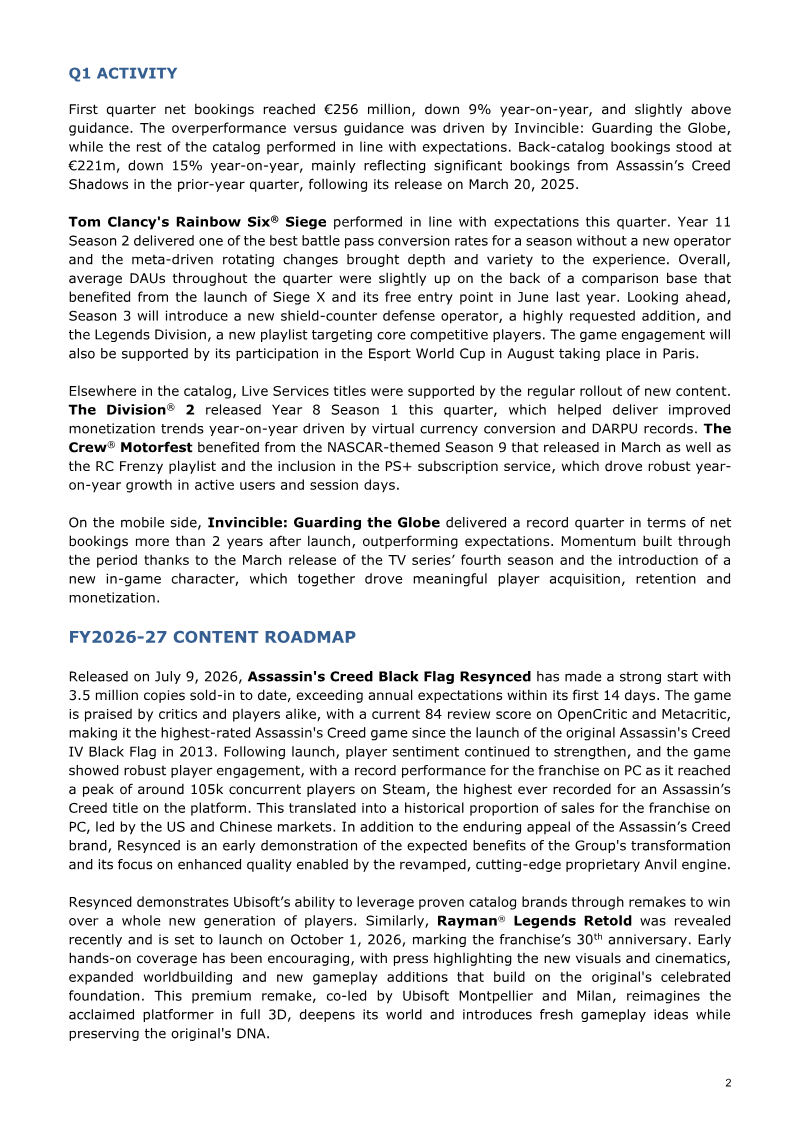
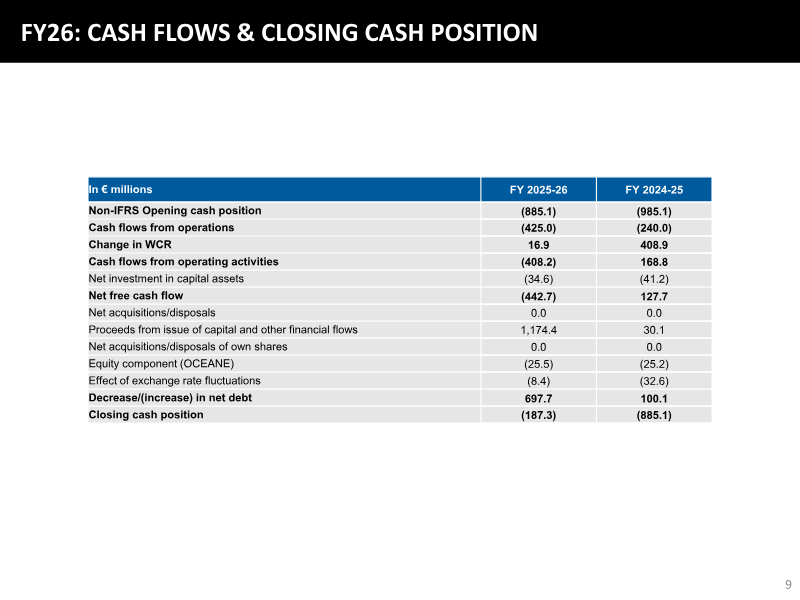
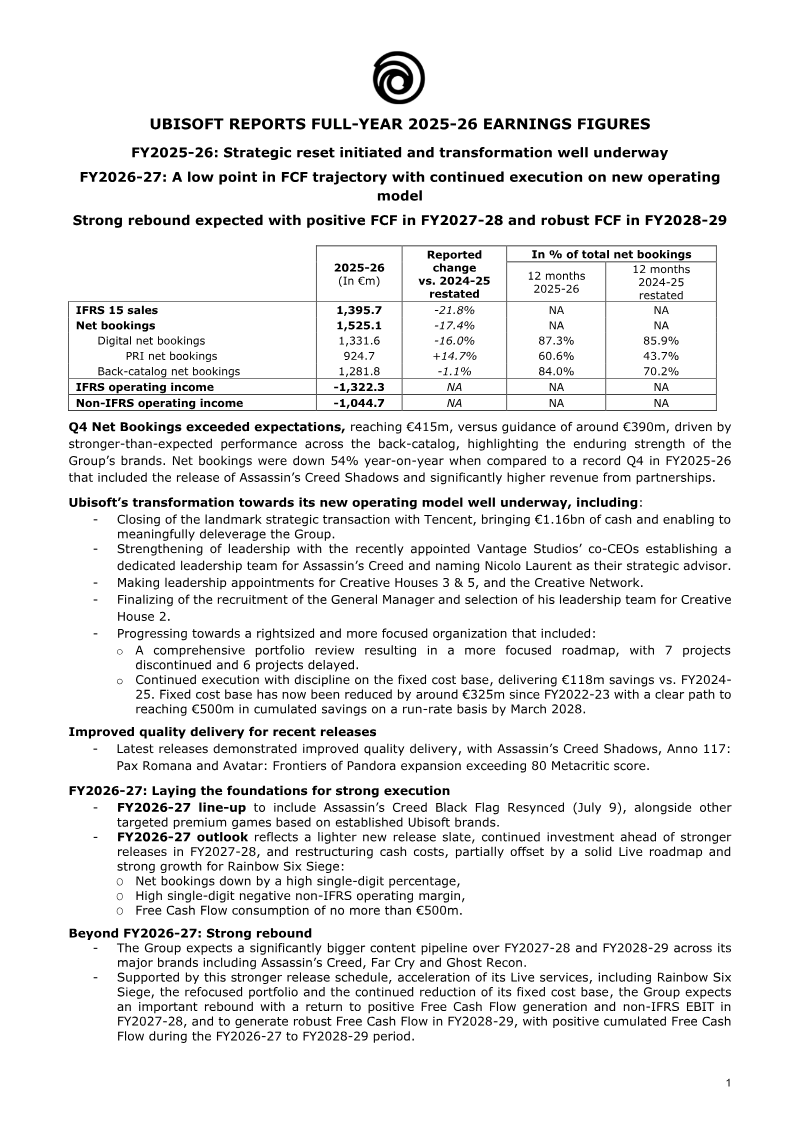
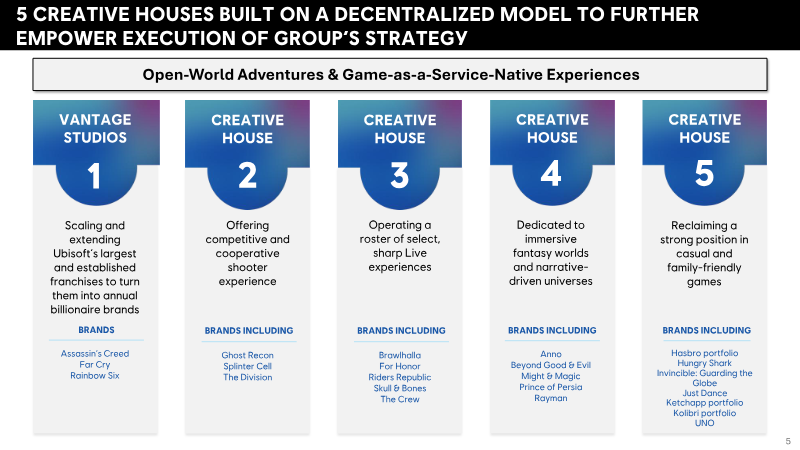
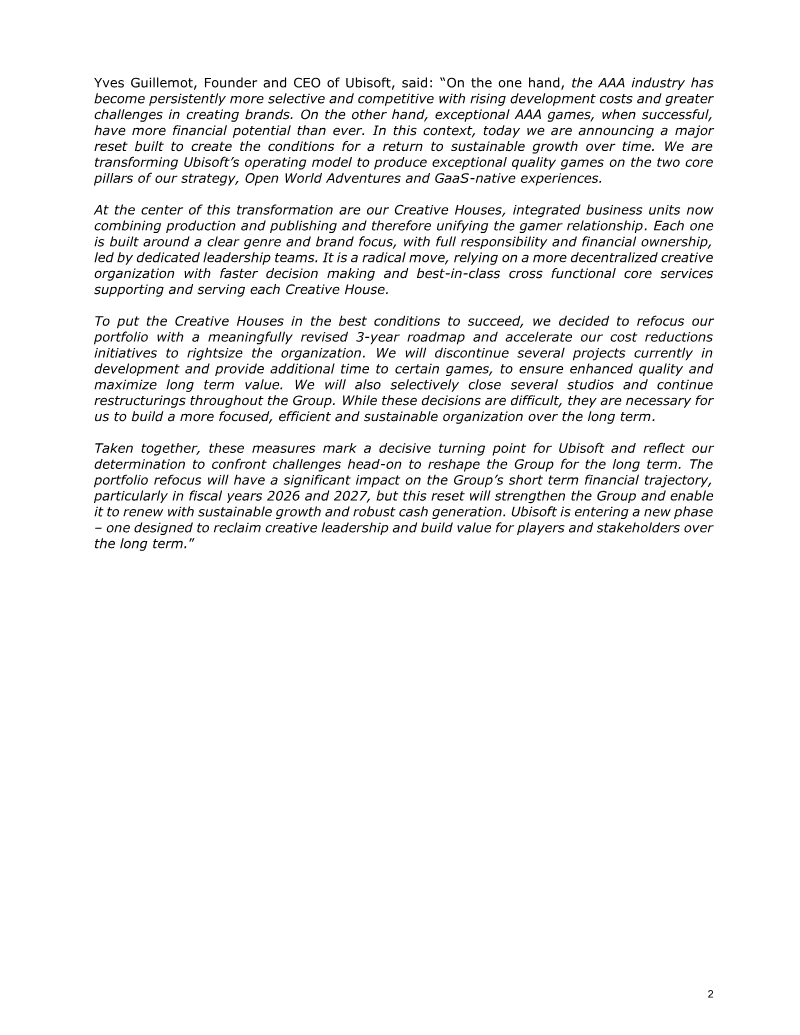
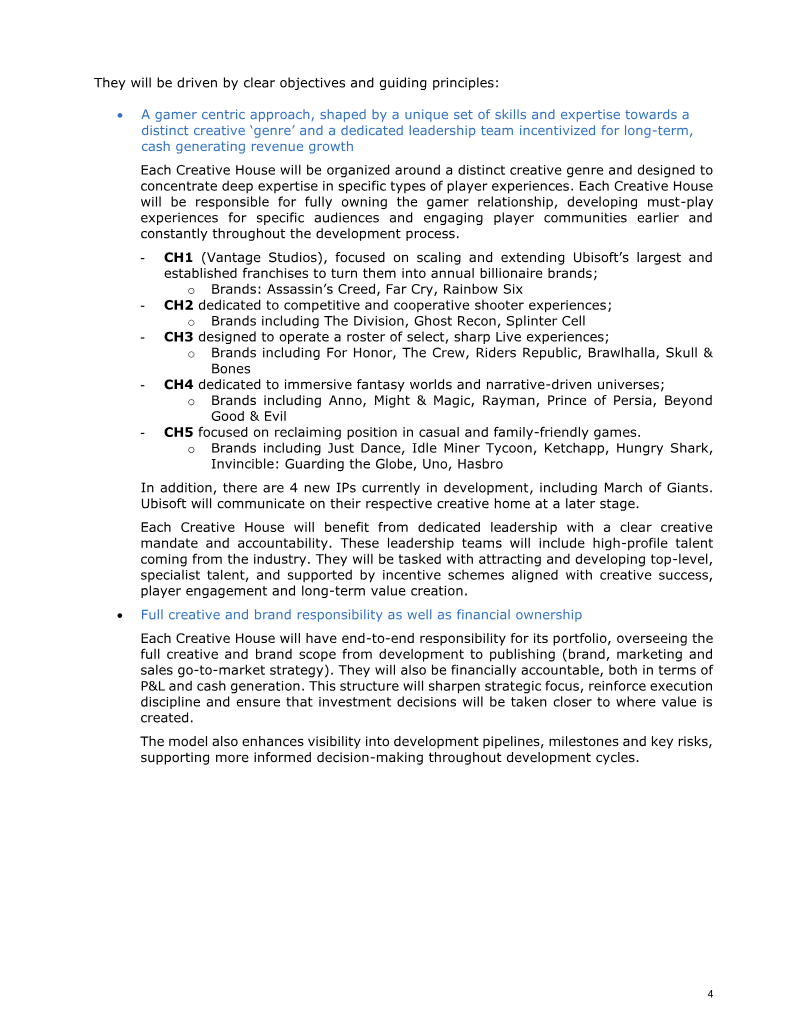
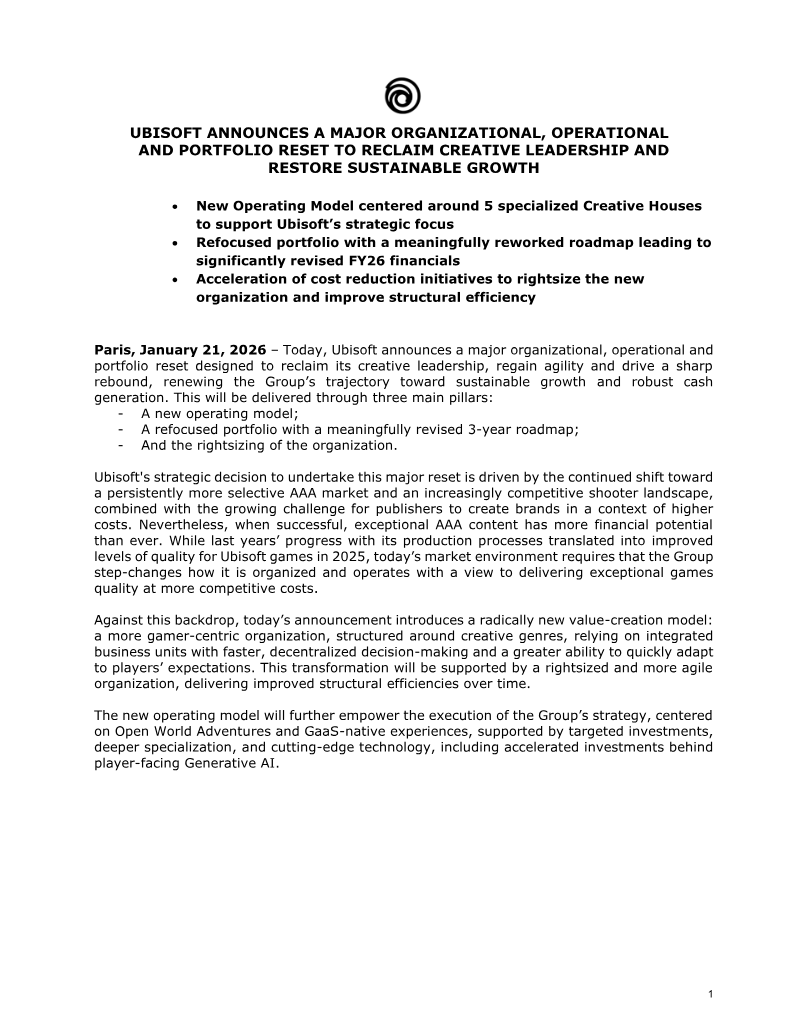
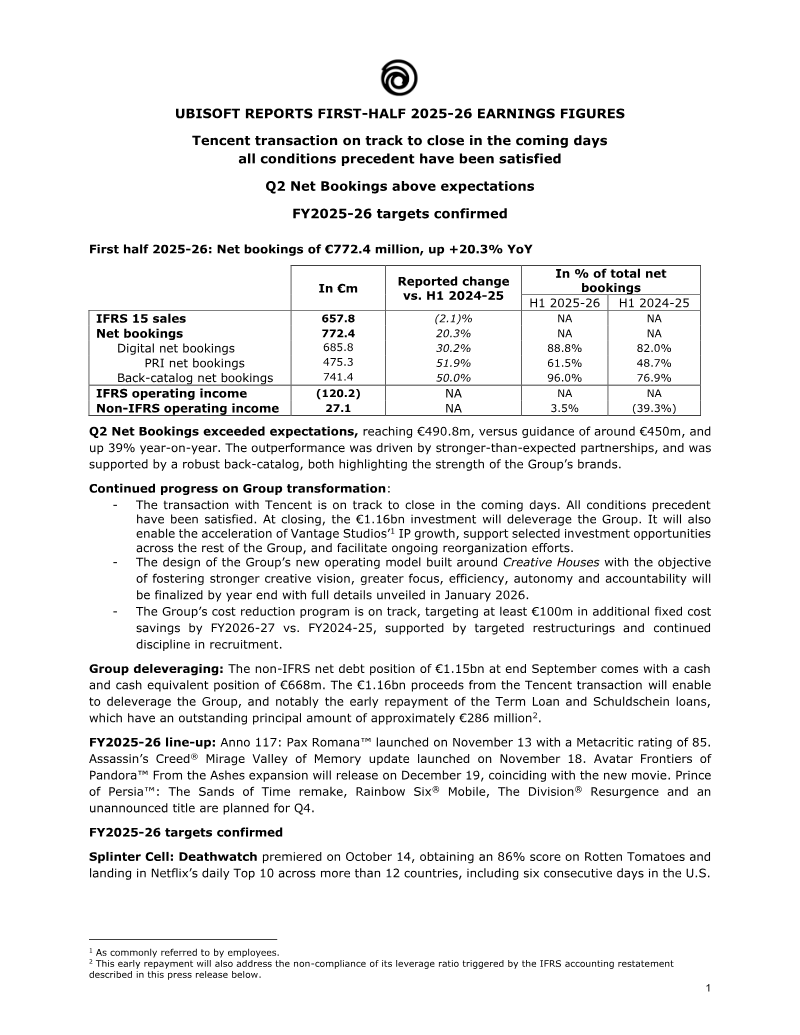
Ubisoft’s 2025-26 fiscal year represents a period of profound organizational and financial restructuring aimed at stabilizing the company’s long-term trajectory within the competitive AAA gaming market. The primary thesis of this transformation is to restore sustainable growth and operational agility by shifting toward a decentralized model centered on five specialized "Creative Houses." This strategic reset is supported by a significant €1.16 billion capital contribution from Tencent, which has been instrumental in strengthening the balance sheet, repaying debt, and facilitating the launch of the Vantage Studios subsidiary to scale core franchises.
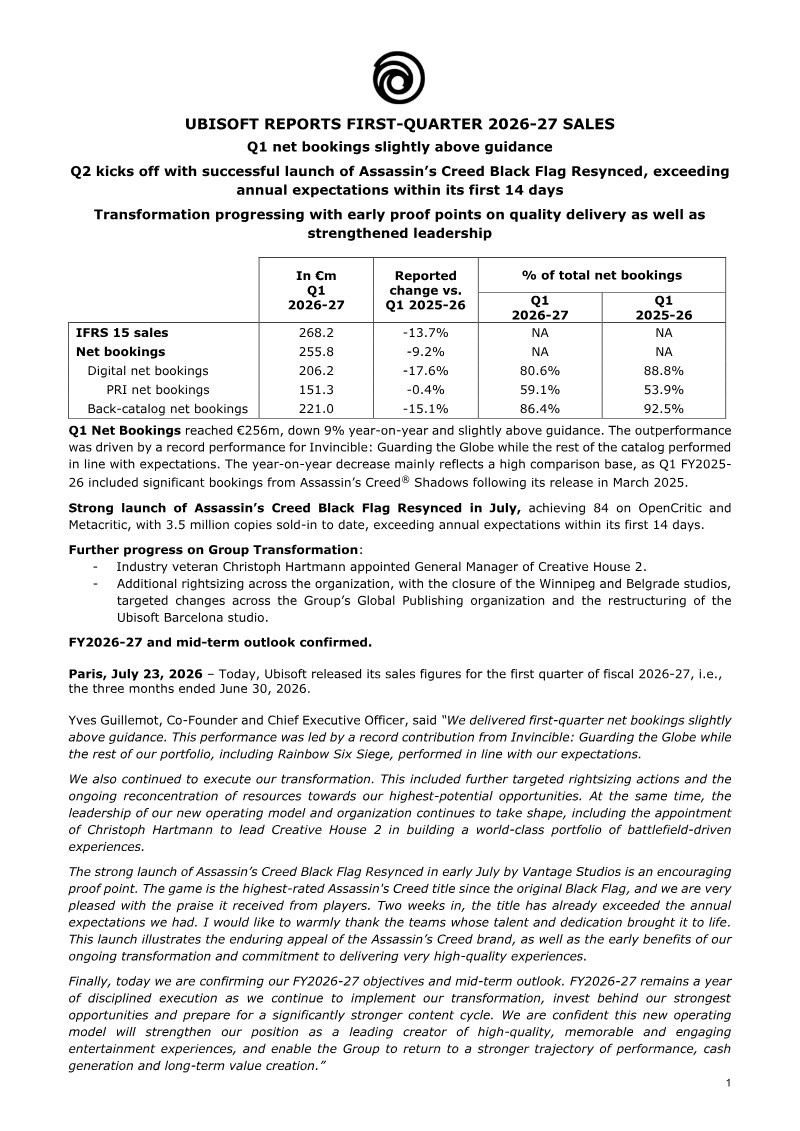
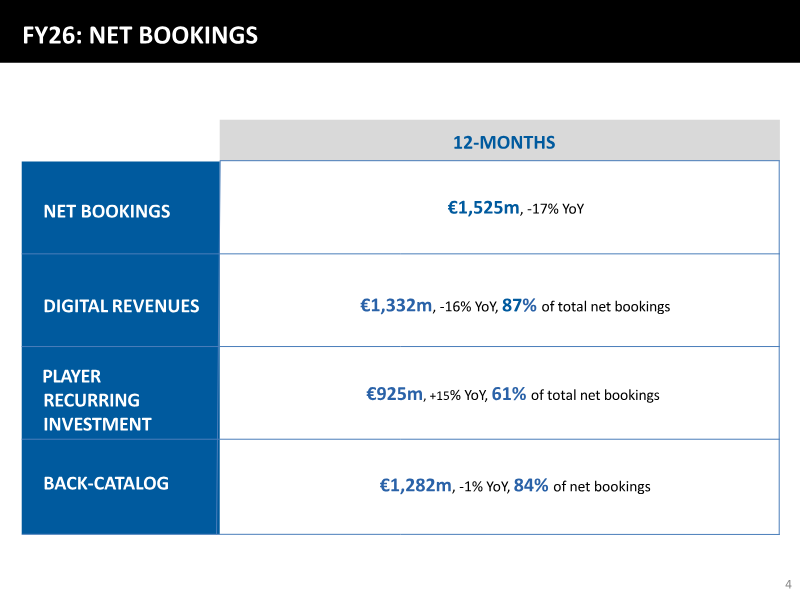
Financially, the company faced significant headwinds, reporting a 17.4% decline in annual net bookings to €1,525 million and substantial impairment charges totaling €487.4 million, largely driven by the cancellation or postponement of various game projects. Despite these challenges, the company’s consolidated net income reached €875.2 million, bolstered by non-recurring items and the strategic realignment of its assets. The company is now operating with a more disciplined cost-reduction program, focusing its portfolio on high-potential Open World Adventures and GaaS-native experiences while maintaining a conservative financial risk profile to navigate a lighter release slate in the upcoming fiscal year.
Beyond financial restructuring, the company has formalized a robust governance and risk management framework to address operational, technological, and reputational threats. This includes the integration of AI-driven moderation tools, a centralized data office, and a refined sustainability strategy aligned with CSRD requirements. Executive compensation has been strictly tied to measurable performance indicators, including carbon reduction, player safety, and long-term shareholder return, with leadership demonstrating alignment by waiving variable remuneration during this period of transition. These measures, combined with a commitment to "accessibility by design" and ethical AI adoption, reflect a broader effort to ensure operational resilience and regulatory compliance across its global footprint.
Ubisoft · 2026

Ubisoft · 2026
Ubisoft · 2026
Ubisoft · 2026
Ubisoft · 2026
Ubisoft · 2026

Ubisoft · 2025
Ubisoft · 2025
Ubisoft · 2025
Ubisoft · 2025
Ubisoft · 2025
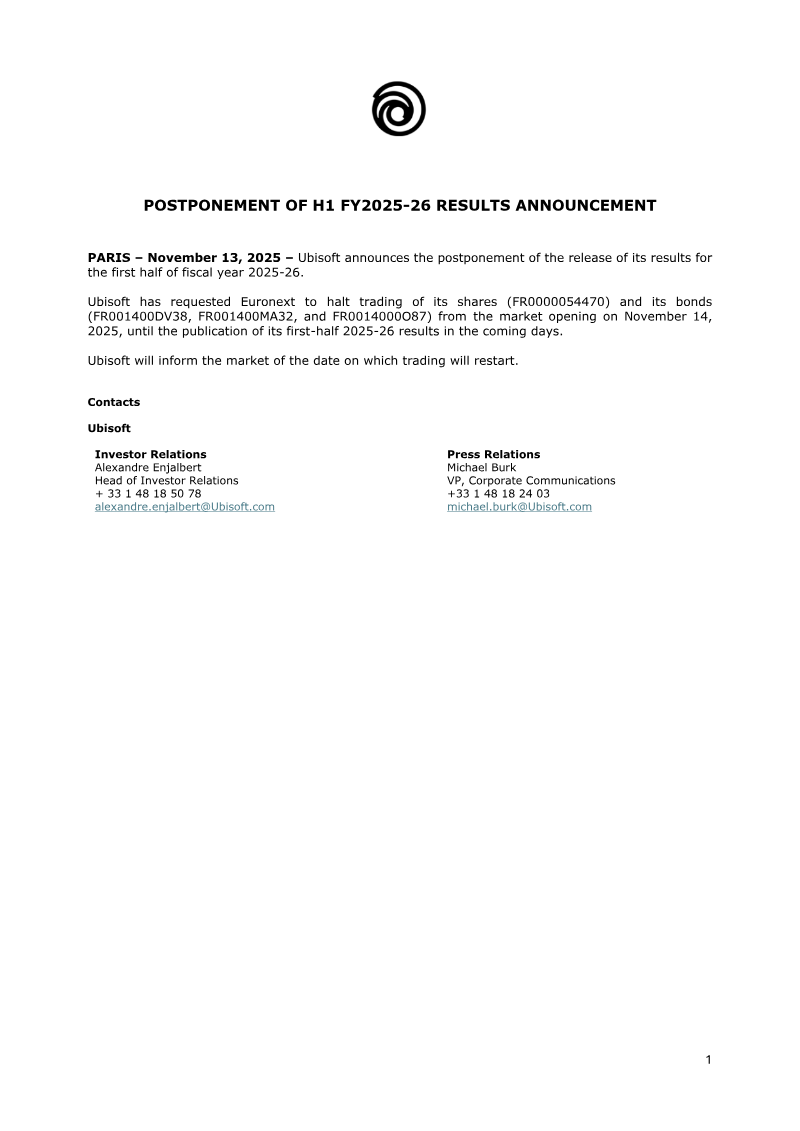
Ubisoft · 2025

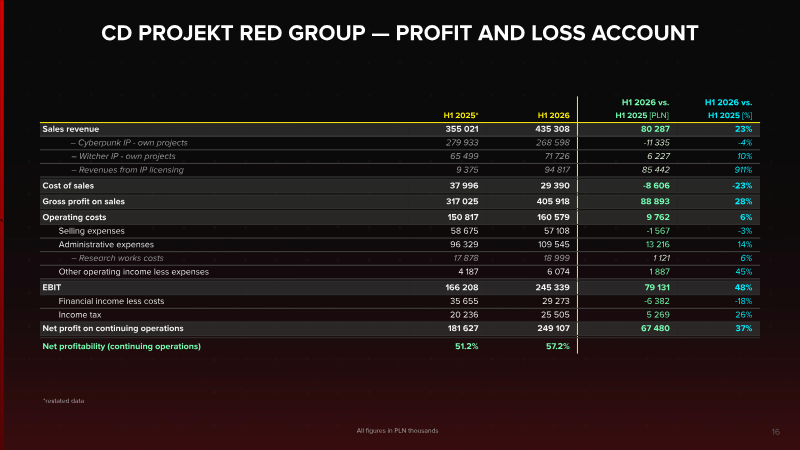
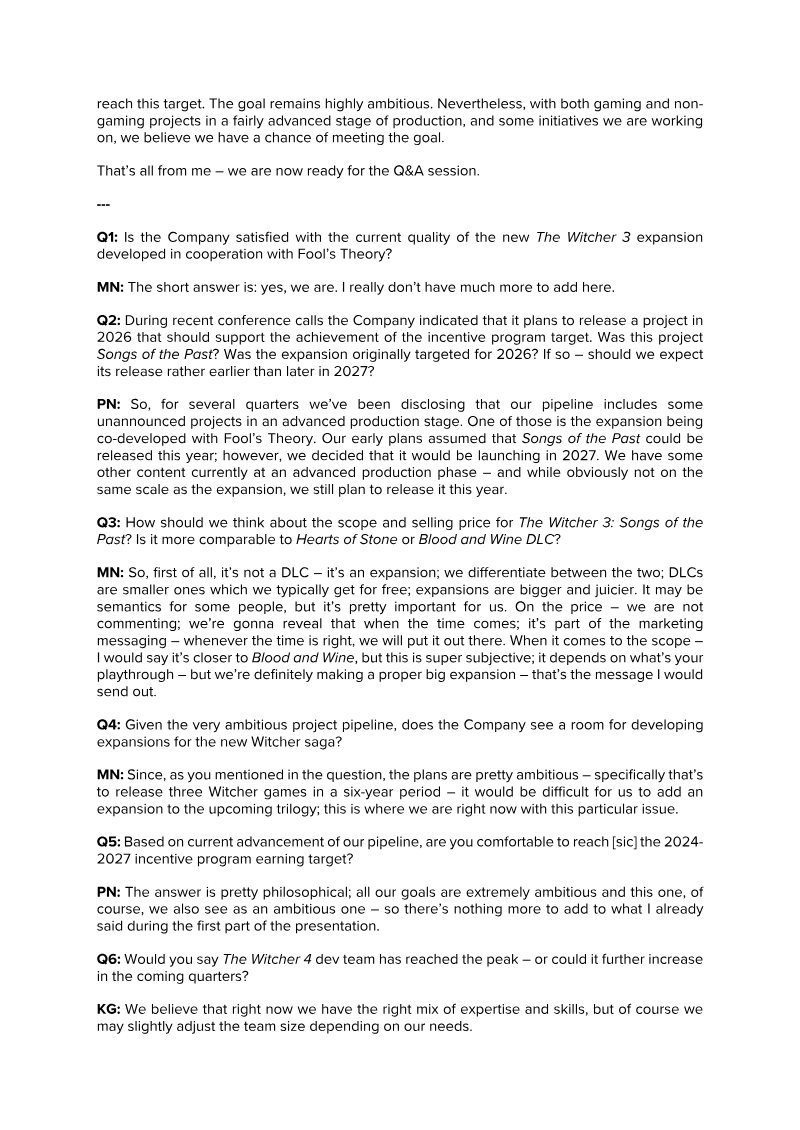
CD Projekt · 2026