
Pour une Pratique Responsable du Jeu Vidéo: France
202320 pages~21 min full read
The guide presents a comprehensive overview of the French video‑game ecosystem in 2023, emphasizing the need for responsible consumption and the protection of minors. It argues that widespread digital engagement—now a daily habit for two‑thirds of adults and more than half of teenagers—requires coordinated action from industry, parents, and public authorities to ensure safe and balanced play.
Survey data collected from the SELL‑GSD/GameTrack panels at the end of 2021 reveal that 70 % of French residents play video games at least occasionally, with 53 % doing so regularly. Daily play is reported by 68 % of adults and 52 % of children aged 10‑17, while 95 % of parents are aware of parental‑control tools; only 44 % actually use them, and 51 % know of them without applying them. Parental involvement varies: 13 % supervise every session, 22 % select titles, 25 % advise against certain games, and 40 % allow autonomous play without consent. Moreover, 64 % of parents admit to playing with their children at least occasionally, highlighting the family‑oriented dimension of gaming.
The market analysis shows a split between physical and digital sales, with physical units representing 34 % of volume and 40 % of value, while digital formats account for the remainder. PEGI age‑rating labels dominate purchase decisions, being consulted by 67 % of adult buyers and 64 % of parents, and the system’s classification process involves independent bodies (NICAM and VSC) to certify titles across the Pan‑European market.
The publication also details the functionality of console‑based parental‑control systems, online interaction moderation tools, and the educational outreach conducted by the SELL and its partner network PédaGoJeux. Campaigns such as Safer Internet Day and a series of PEGI‑focused awareness drives illustrate the sector’s proactive stance on fostering a safer, more informed gaming environment for all French users.

SELL – Syndicat des Éditeurs de Logiciels de Loisirs · 2025

SELL – Syndicat des Éditeurs de Logiciels de Loisirs · 2025
SELL – Syndicat des Éditeurs de Logiciels de Loisirs

SELL – Syndicat des Éditeurs de Logiciels de Loisirs
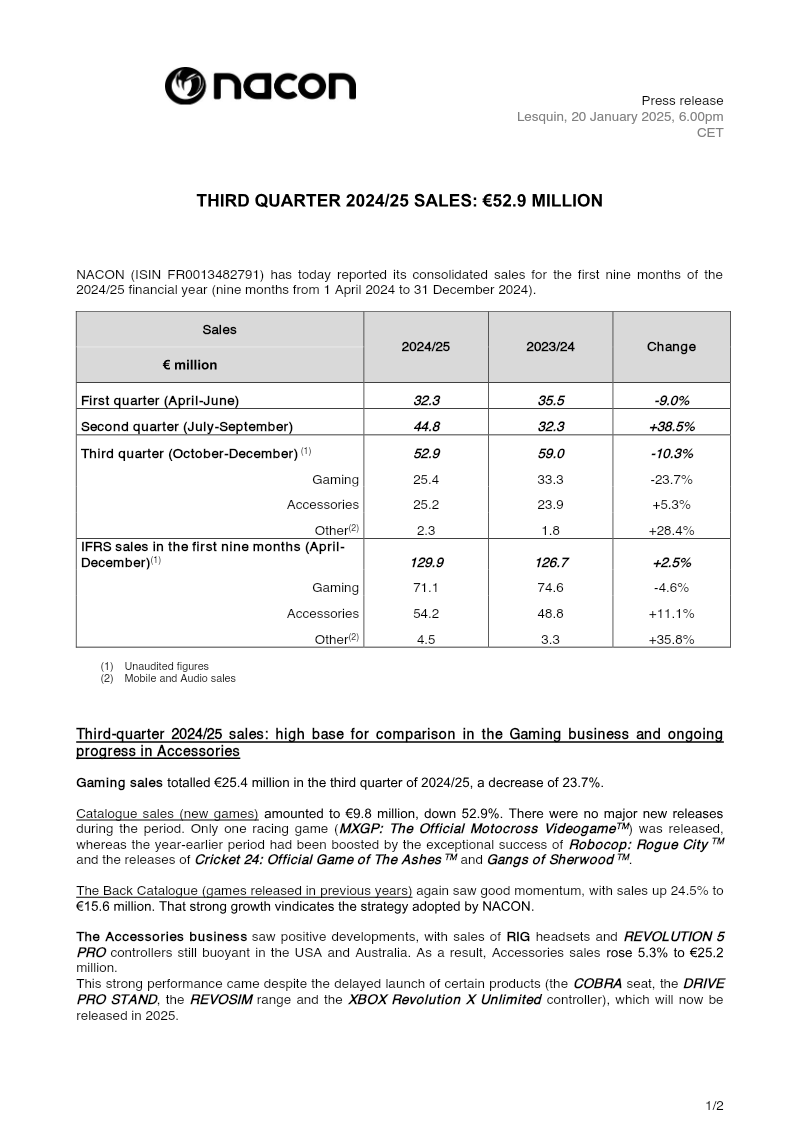
Nacon · 2025
Ubisoft · 2026

Niko Partners · 2026
Bryter · 2026

GameAnalytics · 2026
Poki · 2026

Sensor Tower · 2026
GamesBeat · 2026

Anzu · 2026
Newzoo · 2026
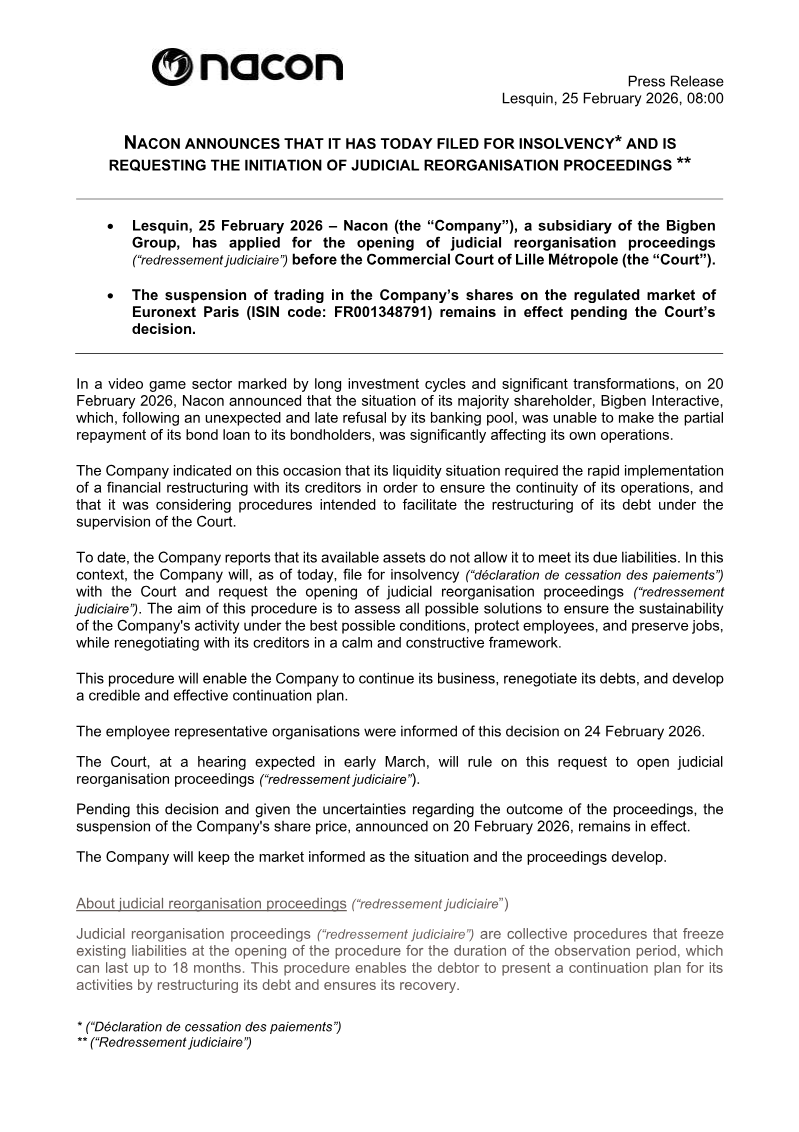
Nacon · 2026
Ubisoft · 2026