1 free read left. Create a free account for unlimited reading + AI research.
Create free accountWhitepaper Journal of Games Criticism
1 free read left. Create a free account for unlimited reading + AI research.
Create free accountWhitepaperJournal of Games Criticism
Traditional video game morality systems frequently fail to facilitate genuine ethical reflection, instead reducing complex dilemmas to binary, utilitarian mechanics that prioritize ludic progression over meaningful choice. By framing morality as a character-stat management tool or a deterministic path, these systems operate within a closed magic circle that effectively insulates players from the consequences of their actions. This approach transforms ethical decision-making into a superficial game element, where the primary goal is often the optimization of rewards rather than the contemplation of right and wrong.
A significant shift in interactive media design is emerging through titles that externalize morality by removing traditional karma-based feedback loops. Games such as Papers, Please and Spec Ops: The Line demonstrate that moral weight is most effectively achieved when players are forced to confront the implications of their decisions without the comfort of programmed justifications. In these environments, the tension between bureaucratic necessity and personal ethics, or the subversion of the heroic shooter archetype, strips away the illusion of agency. By implicating the player directly in the narrative outcomes, these games transition from simple entertainment to meta-textual experiences that challenge the player’s own responsibility.
Ultimately, the most profound ethical engagement occurs when games abandon pre-programmed moral paths in favor of placing the full burden of choice on the player. This evolution suggests that the most authentic moral interaction in digital media may involve the realization that the only way to avoid complicity in a simulated atrocity is to cease play entirely. By moving beyond the constraints of traditional game design, these titles successfully bridge the gap between escapism and introspection, proving that true ethical depth in gaming is found not in the mechanics provided by the developer, but in the internal decision-making processes of the individual.
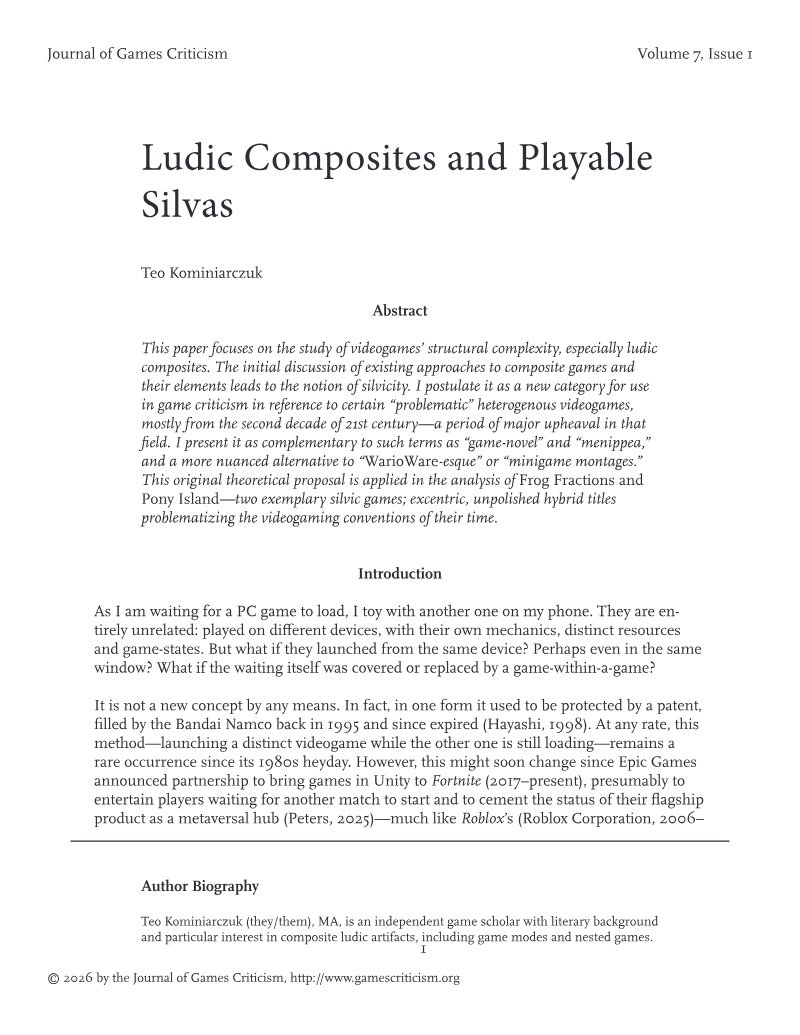
Each row is a game or company this document names, each column a document, oldest first. A mark means that document names it. Select a row to see those documents.
Journal of Games Criticism · 2026
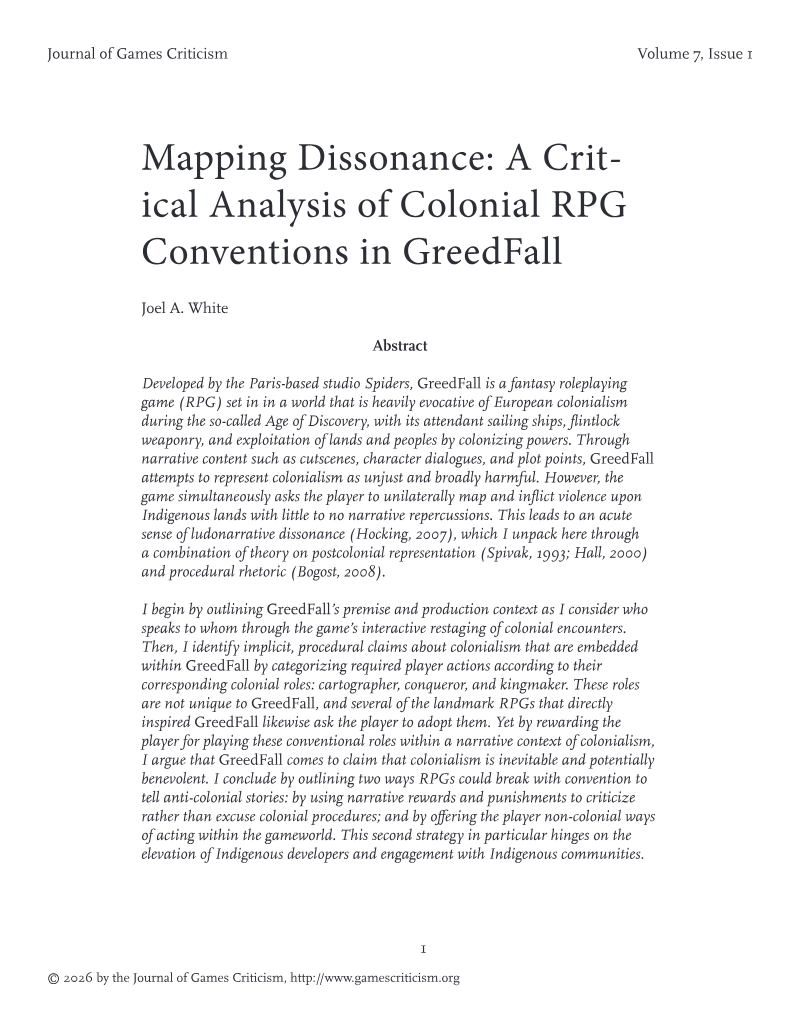
Journal of Games Criticism · 2026
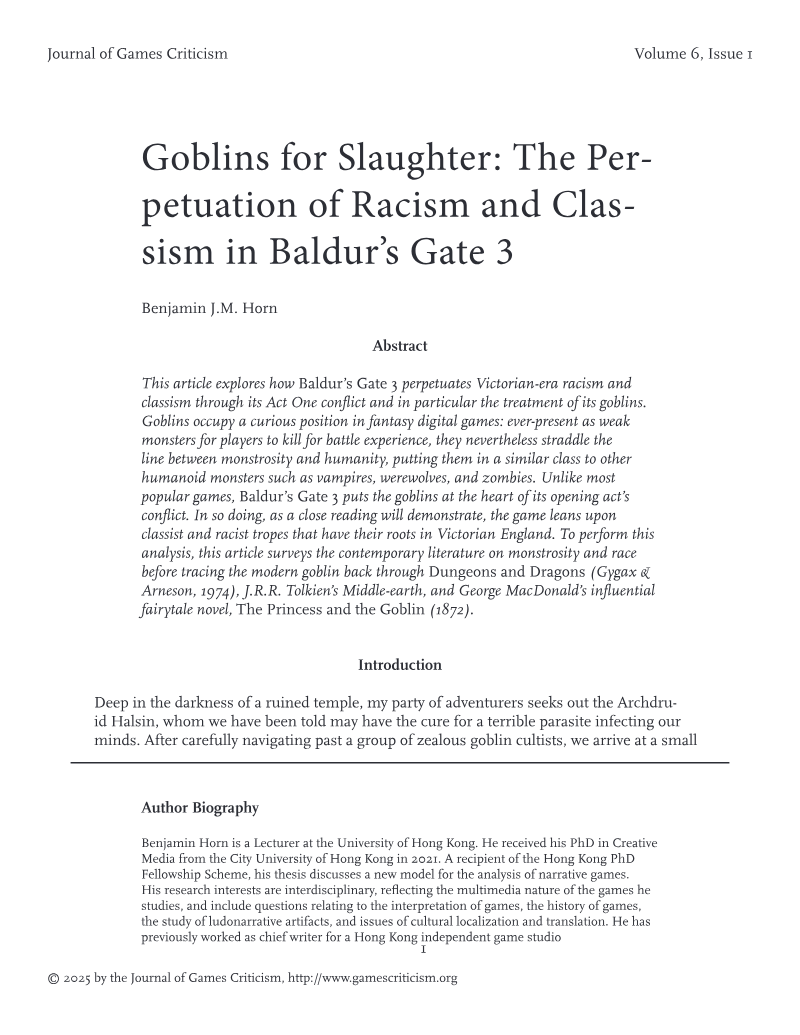
Journal of Games Criticism · 2025



Journal of Games Criticism · 2025
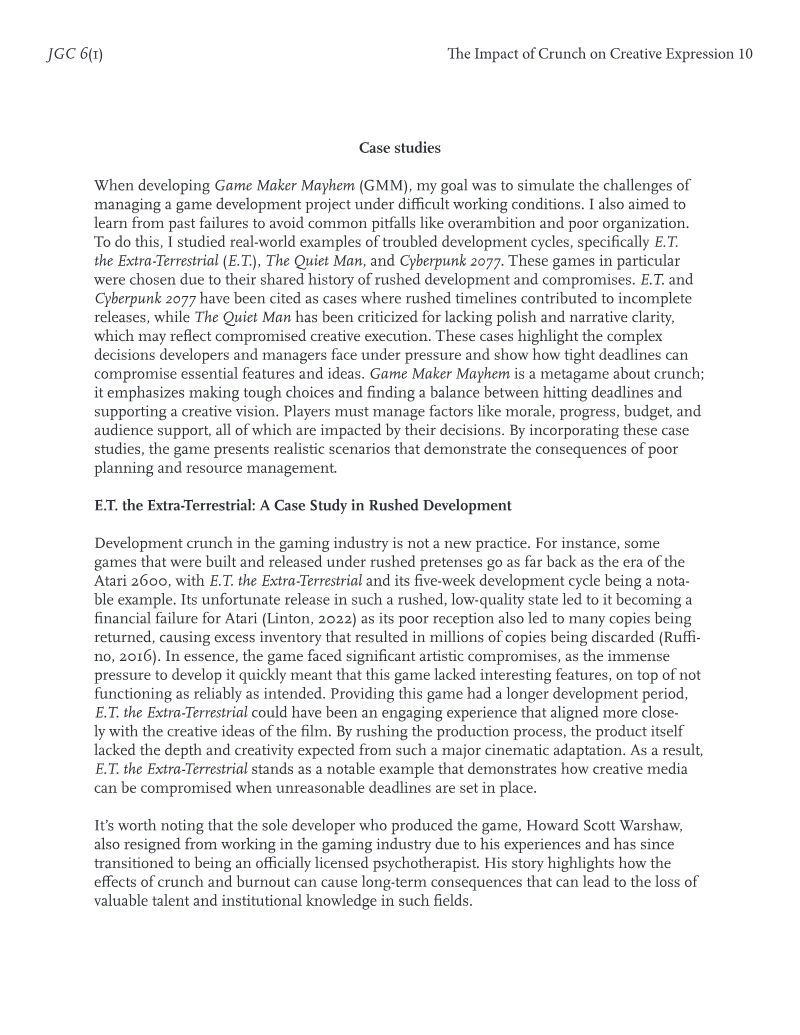
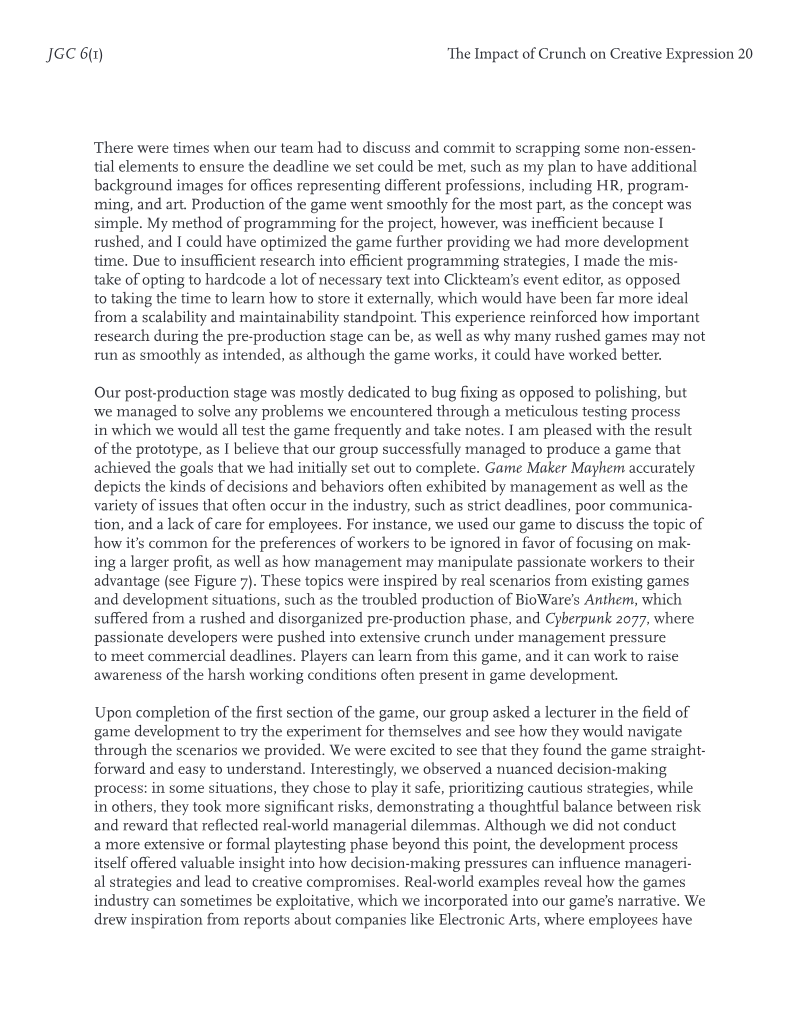
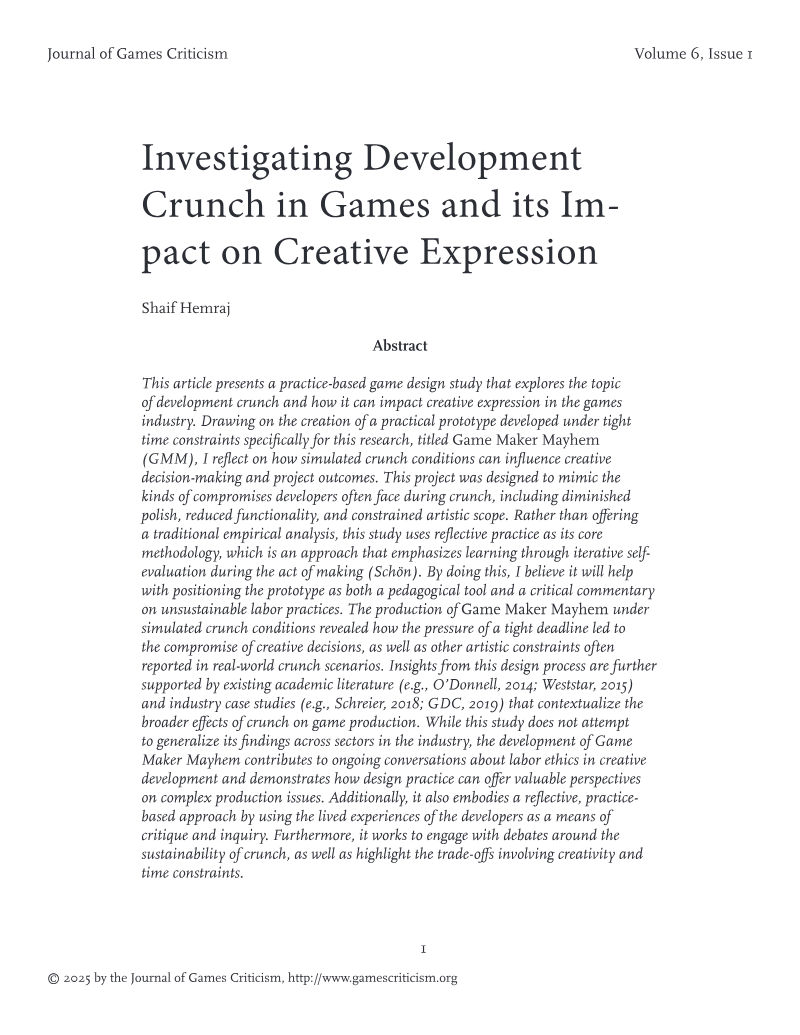
Journal of Games Criticism · 2025
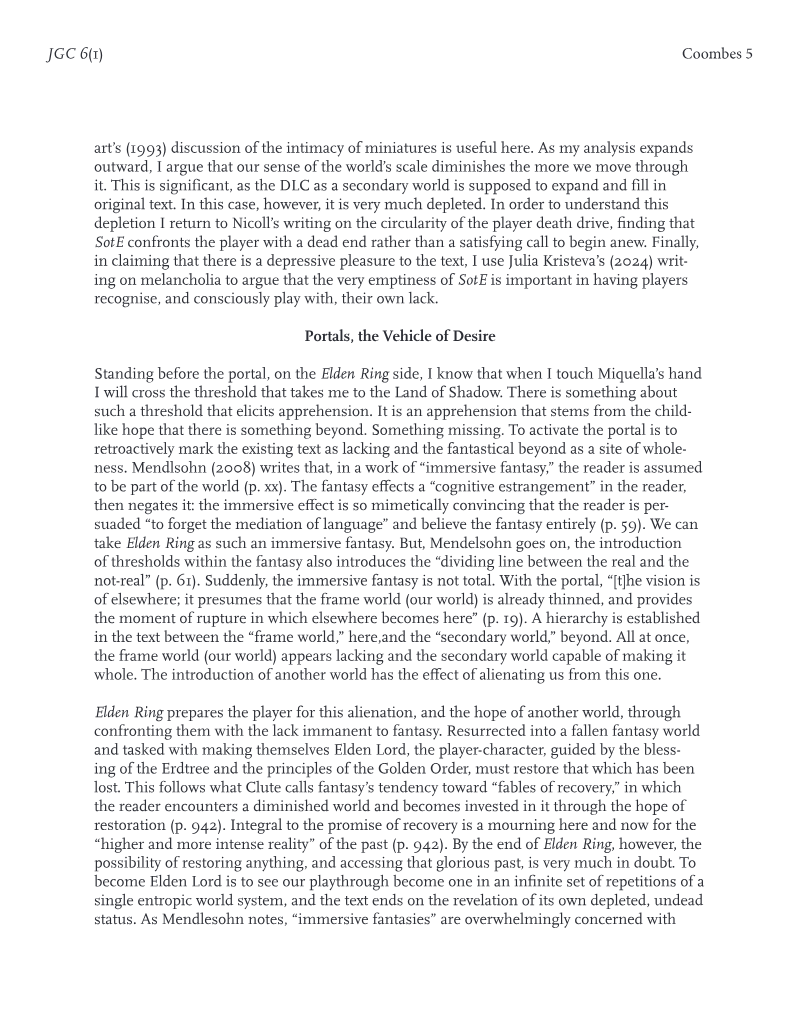
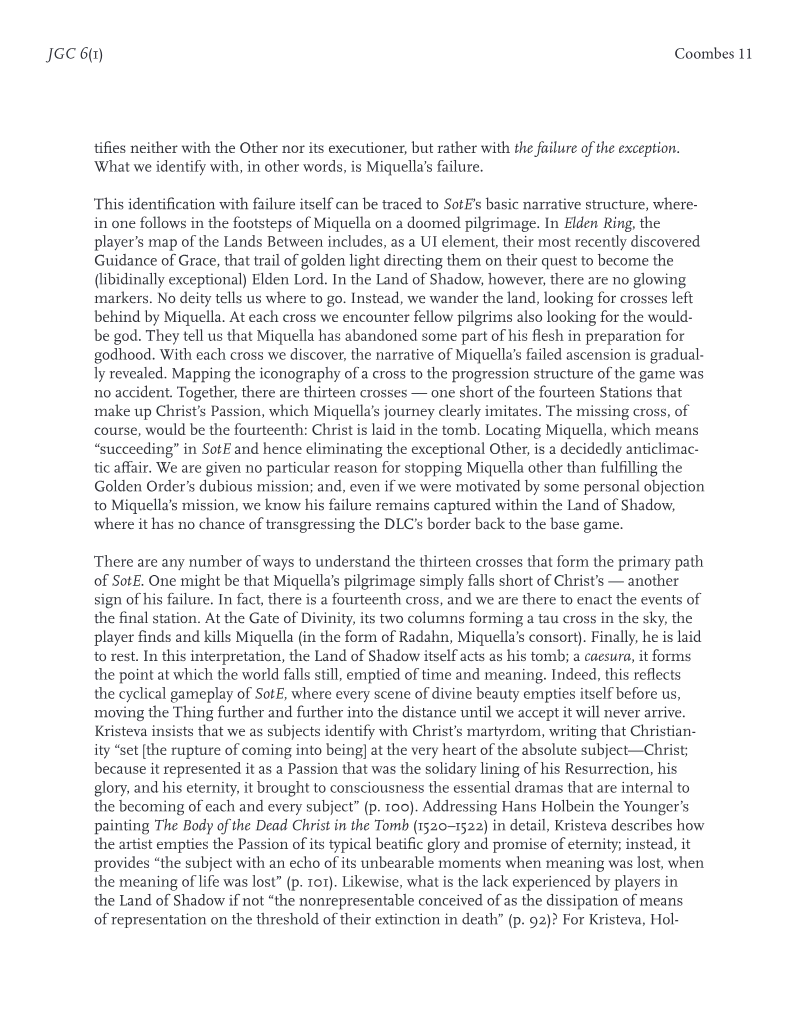
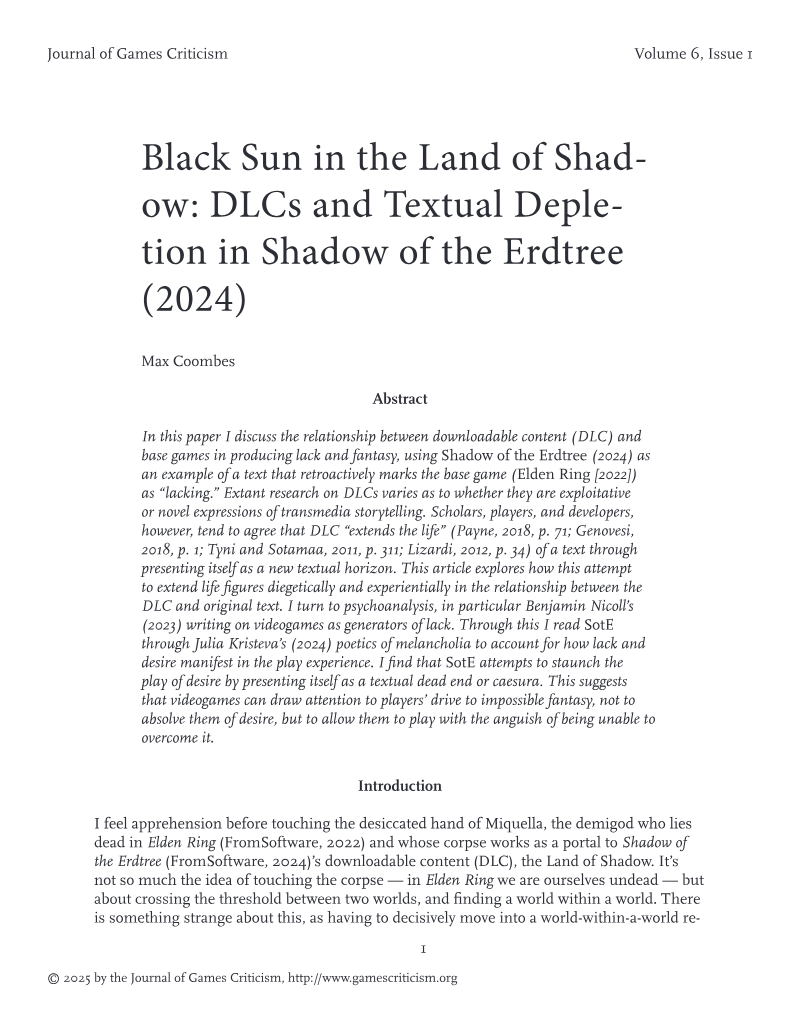
Journal of Games Criticism · 2025

Journal of Games Criticism · 2024
Journal of Games Criticism · 2024
Journal of Games Criticism · 2024
Journal of Games Criticism · 2024
Journal of Games Criticism · 2024
Journal of Games Criticism · 2024
DiGRA · 2026