VideoThe Game Business
Developers are holding back game features due to online safety laws
11 Sept 202556 min video
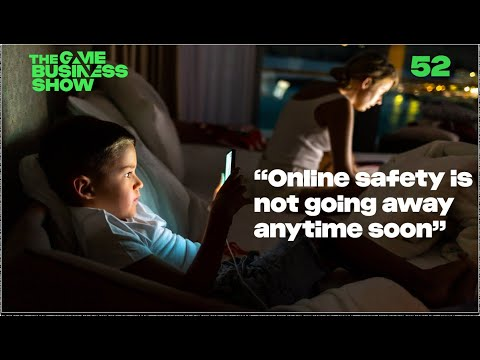
This week on the Game Business Show, governments globally are ramping up online protections for children, including the UK's online safety act, but are video game companies doing the right things. Also, we discuss Capcom's console concerns, Hollow Night's Blockbuster opening, news data, and the game business is heading to London. Hello and welcome to the game business show with me, Christopher Ding. And my guest host for this week is a real video game legal expert and veteran who has worked at Disney and King and is currently senior associate at media IP and tech law specialist Wigan. It is Isabelle Davis. Hello Isabelle. Welcome to the show.
Hi Chris, thanks for having me. Looking forward to chatting about various uh fun legal topics today. Um well hopefully as fun as possible.
Yeah, well fun and legal are the two words that often go together. from the I'm sorry mocking your entire profession.
Let's just undermine it from from the start and then
No, but it's serious. It's serious and important issues, right? And it really does matter and we will talk about some of the legislation uh that's that's
going on in the UK and some of the changes to the online safety act and additions that's happening but um and not just the UK but globally um uh and some many of that involves video games but there are a few other things keeping you busy, right? Yeah, I mean online safety has been a big part of my work pretty much since the OSA came into force at the end of 2023. Um that has been a very common theme. Um but to be honest, even this summer and I guess up to the spring, there's been a lot of I guess kind of EU policy work as well. Um we've got off in Brussels and we've also got a policy arm called Flux Digital. And for those of you that are kind of following the kind of EU policy track on things like virtual currencies and in game monetization at the moment, that's a very hot topic at the moment. um leading in towards this kind of proposed digital fairness act which will probably be in draft probably early next year or maybe even in 2027 if it gets pushed back. But there's a bunch of stuff in there that is super relevant to games. Um whether it's yeah virtual currencies, subscriptions,
addictive design, which you know is kind of geared towards social media, but does definitely touch upon some of the stuff that we sometimes see in games. Um and dark patterns. Dark patterns are the thing that people are starting to kind of knock on my door about recently. Go on, talk us through dark patterns.
It's a bit of an interesting one. So dark patterns is a phrase that's been around for a while and actually in the UK we use the kind of slightly more neutral phrase online choice architecture which basically says, you know, it could be good or bad, right? It doesn't necessarily have to be dark. It could be a light pattern. In the EU, it's very much dark patterns. We're focusing on the things that um we think are causing harms to consumers. I think the current issue is is that there's no express legislation apart from the EU digital services act that tries to deal with dark patterns and even under that act, it's still not defined. So it's very open. Um, and I think what we're trying to work out currently is what do existing laws cover? So for example, like would a dark pattern related to privacy settings fall under GDPR? Probably yes. But what does that look like? Um, does a dark pattern in relation to spending or in-game spending? Does that fall under some of the initial consumer laws we've got? The
big question mark I think is kind of project engagement dark patterns, which I think is what the DFA, digital fitness act is probably going to try and tackle. Um, so one of the things that they mentioned in the digital fairness act report from last October is autoplay video functionality on social media. Just that kind of everending churn of just like content, more content, more content. Um, but even in that check, they mentioned things like, you know, incentives for logging into things or disincentives for disengaging with products, which is maybe a little bit more the sort of things we would see in in games. Um, so it's going to be very interesting. I think the other thing more generally is that we're seeing a lot more lawsuits in the US around anti-addiction for social media and games which we don't know if they're viable yet. It's still very early days but there's generally a bit of a mindset change I think with policy makers when it comes to engagement and how they should be legislated against.
And dark patterns are these sort of basically unethical design strategies that sort of trick
people to do stuff they're not they say want to do or that's that kind of thing, isn't it?
Yeah, exactly that. And I guess the the interesting thing about something like a dark pattern is that they can be actually quite hard to detect. Um so it's going to be an interesting one for regulators to kind of get their heads around because fundamentally actually finding these things and actually going do we think this is a dark pattern and does this actually cause harm to consumers is a big question. Um certainly could be a dark pattern but if it doesn't cause any harm then what are we legislating against? H digital fairness act obviously a lot of the focus buzzwords around loot boxes and things like that but that's um there's there's like I was looking into this before we launched the game business because one of the things that a lot of people said to us is we want more policy and legislation coverage and there's a lot there's a lot going on in a lot of countries.
Yeah. I think actually that's one of the things that at least in my role has really changed particularly in the last like three or four years. Um, I pretty much exclusively focus on regulation of the games industry now because there is so much going on. Um, and I feel like in
the UK we had the children's code published, I think it was in 2020, came to force 2021. Um, and that was really the first time in the UK that a regulator had really kind of zeroed in on the games industry and it felt like it from day one they were like we want to know how the games industry is handling child privacy and pretty much since that point certainly in the UK the EU it feels like video games is very much you know thought about from day one for a lot of these laws which is good in the sense that we're not just riding the coattails of what's happening to social media but it means that as you say it does mean that companies have to kind of ideally engage much earlier in the legislative process rather than waiting for something to get passed into law and then going, "Oh my god, how on earth am I going to comply with this?" Um, so yeah, this is a bit of a, as you say, a bit of a bang of the drum of, you know, speak to your trade bodies, speak to your policy advisers because this could affect how you operate your game.
Yeah. you know, in the short to medium term
and maybe adapt if you're not if you if you feel you might be there might be a few dark patterns sweeping into your design or or maybe you might be facing
legislation. You might want to um maybe move earlier rather than wait to be told.
Yeah, definitely a fine line to balance, right? And actually one of the things that came out in the digital fairness report is there's no real incentive currently to I guess I think the phrase they used is fairness by design is to kind of be like a a very fair ethical online company because ultimately if your competitors not doing it and they're you know winning on you know user acquisition or revenue etc then there's not really much an incentive to you to do it. Um, so I think that's something that also fundamentally regulates and governments need to get their head around. You know, are we we there's no point in bringing out laws basically if we're not going to bother enforcing them, which I think has been a problem um for a long time. Um, and not just probably in the EU.
Yeah. I mean, I've got I'm not a big fan of mobile games generally like playing them. Some of them I love um but the monetization in some of them, I've got a young boy who just started getting into games. I'm trying to steer them away from it because I'm like these aren't I think there's a perception around mobile games that reputation comes from bad actors doing things that sell stuff a
little bit and although this legislation might cause some short-term pain hopefully it will it'll make the market seem safer improve the quality of products in some ways maybe maybe
and those that are already complying right or already you know you know trying to operate their games business in an ethical fair way that's transparent to users will hopefully not feel like they've been punished because fundamentally I mean, some of the stuff I read in the digital fairness sector, I go, "Yes, there's definitely examples of that happening in the games industry, but equally, there's a lot of people that don't do that." So, it's just finding that balance of like, okay, how do we level the playing field and make sure that everyone's actually complying with their obligations?
Yeah,
let's see. The digital fairness act is definitely a bit of a monster, though. Um, so worth uh worth folks engaging on that because that's going to really be a step change.
We're not going to talk about that anymore. Oh, we're talking about we're talking about something that's actually not new. Did you quite rightly point it out? I initially said in my introduction, which I changed uh last second, was like it's it's just come in. It hasn't just come in. The online safety act from the UK. It's actually
been around a little longer. Um uh and is will correct everything that I get wrong in the next little bit. But this is an act that is designed to enforce online platforms to take action against illegal content or legal content that just could harm children basically or and and children places where children can access it. Um uh this summer in the UK that meant a number of online services um you know including pornography websites and places like that started adopting age verification measures. Um but this does encompass video games and we've seen Xbox are starting to do this. Steam is doing it in the UK. Roblox just announced it latest um protections u sorry verifications um um process that it's adapting um but there's been a lot of misunderstanding around this act if some of the comments on the game business has been sort of going to that's why I wanted to bring you on Isabelle did I get that right is that have I nailed what the online s designed to do
yeah I'd say the board straight to the bear basically so yeah there's a few different ways that different services can be captured under the act the main
place where video games are being caught is bas basically if you're a user to use aer service. So that basically means can users interact with each other? Can they generate content? Can they share them with each other? That's the thing that the online safety act is, you know, at its core trying to get on top of. So if you're a multiplayer game with chat or, you know, the ability to have user profiles or you allow users to create levels in your game, then that's the sort of thing that would be captured by this act. And and as you rightly say, the kind of content that they're trying to protect against is kind of twofold. There's the illegal harms which you have to protect all your users from, adults and children. Um, and that's stuff that is illegal offline as it is online, right? So, transexual abuse materials, grooming, terrorism recruitment, all the kind of stuff that people don't really want to be interacting with regardless of where it exists, right? Um, and hopefully, you know, for the vast vast majority of games, something they don't have to deal with hopefully that often. Um, but certainly is obviously a bigger issue on on social media platforms. The other one which is slightly more controversial is the legal but harmful
content um which you which you raise um and that is a duty to protect children from that. So under 18s in the UK um obviously that's kind of where the controversy comes right because the content that we're seeking to protect children from isn't legal but a decision has been made that this is seen as harmful to kids. So there's basically kind of two main thresholds of content. One that you have to prevent children from seeing pornography is one of them. Um, and then there's a sort of lower level of protect, which you don't have to necessarily block kids from seeing, but you might have to dep prioritize that kind of content or try and limit the way they interact with it. So, it there's a fair amount going on, but actually once you cut it down into kind of those two broad buckets, I think people can kind of understand, okay, this is what I need to do for this particular portion of my use and this is what I need to do for everyone else.
One thing I didn't quite understand is that obviously chat services or or you know, user generated content services. Does that mean children can't engage in these areas? No, not at all. Um, and fundamentally the OSA is a very riskbased piece of legislation. So the
thing that I always tell people when they say, "Oh my god, online safety act, I need to like age block all my users. What do I do?" It's okay, take a step back. There's two kind of I guess main pillars under the OSA. There's the risk assessment duties and then there's the safety duties that flow from that. You have to do certain types of risk assessments under the OSA because that's basically, you know, if Ofcom, the online safety regulator, comes and knocks on your door, they'll say, "Can we see your risk assessment?" Because we want to see how you've kind of evaluated the risk of all these different harms happening in your service and what you're doing about it. The safety duties are the what are you doing about it? What measures are you enforcing? Um, Offcom has codes of practice that have ideas about how you might go about meeting your safety duties, but they're not the be all and end all. they can sometimes in some cases be alternative measures that you decide to implement so far as you meet the underlying act. So age assurance is one part of that where yes there are certain situations where having insurance will pretty much be a hard requirement under the OSA but in a lot of situations it might be
recommended or you might think actually there's other ways I can protect users. So and I actually think games is a great example of that in many cases. So a lot of the content that's harmful to children is stuff that actually a lot of games companies probably also don't want on their service, right? You know, whether it's people showing pornography or another really one of the high the kind of like really legal but harmful bits of content that offcom are very keen on people preventing is content that promotes, educates or glamorizes suicide, self-injury or eating disorders.
Most services don't actually want that kind of content on their service. So actually there may not be a need to even identify the child users cuz guess what? You don't even want your adult users to really be interacting with that kind of stuff on your game service, right? So there's, as I said, the risk assessment is the kind of your bible, right? It's the thing that says this is my service. This is where we think there are risks. This is what we're going to do about it. And assurance is only one piece of that puzzle. Um, and as you said, there,
you know, games games companies want their games to be fun, right? They want
people to have lovely experiences and hopefully not foster really toxic environments. So surprise surprise, actually a lot of the stuff that this act covers,
most games companies don't want in their game anyway.
But if you are a user gen, you know, if you userated platform or if you're got a chat service in it or something that you know connects kids together and it could, you know, obviously you could get a bad app to do something that that ruins that experience. What are your other options other than to block people? I guess I I need to look at the offcom recommendations. I guess
look at the offcom codes of practice. It depends exactly what the issue is. So for example, if they think you're if you go through your risk assessment and you think, "Oh, actually I think it really appears that my service is at high risk of grooming. Maybe you've had a lot of different instances of it or you've had some near misses or you've had law enforcement get in contact with you about this issue before, then maybe you're kind of looking at the high the risk profile." And then at that point you might go, "Oh, okay. Maybe it is better that we identify our kids and maybe pull them off. But there's a bunch of other measures in there that they
suggest. So, for example, they say, you know, don't encourage people to make friends with people that they don't know.
Oh, yeah.
So, don't say, oh, you know, you just play with five people. Add all these five people that you may have only spoken to once.
Nintendo approach. Yeah.
You know, stuff like or or don't let people direct message other users if they're not already friends, right? basically kind of trying to kind of cut off those windows of opportunity where a bad actor could actually approach a kid. Or even as simple as, you know, if you've got user profiles in your games, maybe don't make it public on that user profile that this individual is a child and this individual is an adult, which I can't really think there's any examples of that, but in social media, obviously, it might be a lot more common. You need, you know, people put photos in there in their school uniform, whatever. That might be something that, you know, people just want to avoid doing in in games, people uploading photos, etc. So again, HS is one piece of the puzzle. It may be a good idea to do it. It may be even necessary in some cases, but it's absolutely not the beall and end all. Um, and in a sense, it's a shame that HS has got so many headlines because
actually a we do a lot in the game sector already on I think player safety more generally. Um, and I think actually for a lot of the game studios we've been advising, you get to the end of the risk assessment, you go, "Oh, actually, you know, there's some great stuff we're doing already. like maybe we need to just document some of the process that we've got or maybe we need to think a little bit more about how players interact with each other. But actually a lot of folks do a lot of good stuff already. So it's hopefully not actually too big a step change.
Yeah. I mean it's been a UK story because obviously it's the that's what's happened in the last few months but there are the things happening globally right around this subject.
Yeah. It's definitely the kind of like political and legal hot potato at the moment online safety. Um, so the EU, as I mentioned a bit earlier of the digital services act, that's a a different approach to how we're doing it in in the UK under the BSA. You basically have to work out which category you fall under and then the measures are just basically mandated on you from from there on out.
Oh, really?
There's none of this like risk review point or just, you know, deciding what measures may or may not work for you. It's a bit more kind of hard line.
That's slightly different in relation to the protection of children portion under the DSA because that will have a risk element. But again, it's it's a little bit more strict in terms of what you do and don't have to do. It's interesting as well actually because even today, president of the European Commission, Ursa Vanam, was saying, you know, we want parents to parent their children, not algorithms. So there's this really strong sense of children should be protected from, you know, hostile online environments. Again, algorithms makes me think social media. So they're definitely still at the front and center of um these particular pieces of legislation. I think Australia is also one that has kind of led the charge on a lot of this stuff. So the honor safety act there has actually been around since 2021. So even predates what's been going on in the UK. They've also been in a bit of a process of kind of introducing industry standards and codes relevant to different kinds of services. Video games actually don't have their own code. We basically fall under relevant electronic services. But again, they only actually just released their protection of
children guides last night.
Oh.
So I must confess I'm not entirely on top of it yet. But it this is again this is like one of these areas that's very fast moving at the moment. And they also did a massive technology trial on age assurance um that was published last week basically looking at all the kind of commercial solutions on the market and whether or not they're any good. So pretty much every week at the moment there's something new to kind of get on top of in the online safety sphere. The one that I think is going to be really interesting over the next couple of years is of course the US though. Um the kind of big landmark moment in the last kind of few months was the Supreme Court ruling um in relation to Texas. So Texas basically wants to age verify pornography in their state
which obviously first amendment arguments are saying you shouldn't restrict you know adults from doing this. The Supreme Court has said you can go ahead and do this. So there's a question mark about whether okay whether age insurance is going to become even more of a thing US side as well. Obviously that currently just relates to kind of adults. So whether or not there something will filter down to the children level I think remains to be seen. That going to be quite a political
step change if it is. The other thing is they've got a kids online safety act that's been swirling around for years. Um again mainly aimed at social media and and curbing that for children. Um but the other thing that's popped in the kids online safety act is back to the original point addictive design and dark patterns. So, it's all a big kind of melting pot of
overlapping issues at the moment. Um, but online safety is not going away anytime soon, I think, is the the way to look at it.
I did see quite a heated debate under one of your LinkedIn um posts between um but I I kind maybe it's cuz I'm a parent. I kind of sided with this one person was saying it was draconian and and privacy and stuff and someone else said, "Well, you wouldn't let someone into a strip club, would you like 10?" And I was I sort of sort of went along with that to be honest. Um and like you have age ID in real world, why wouldn't you do it in the digital world? But I'm I perhaps have a slightly different perception because I had a different opinion because I'm terrified of what the children are growing up into. um at
the moment. But it
it's fascinating though talking to parents about these kind of acts though and fundamentally yes some may feel there's overreach in some places but in a lot of these cases I think parents feel like the heart of the legislation is in the right place. Yes, there's TV issues and yes, there's stuff we still need to work through, but fundamentally there's become that shift of politically basically should tech platforms or online platforms have more responsibility to their users on some of these topics and I think most parents feel that is a yes. Um, it's just obviously most of the time you hear what people are saying on Twitter and Reddit which might not necessarily fully
refct. Yeah. And it's and but it's also, you know, this stuff is a slightly hindrance to adults that don't have children. Absolutely. If you if you want to certain you want to go on certain websites and you have to, you know, I don't know, put in your credit card details. I don't want her to do that just be, you know, and I guess there's an element of that, but I don't know. I'm being I'm being reductive. I'm not
here to debate the the truth is it's happening. We'll move on. Yeah. Um I actually saw a story I think it was you you mentioned the online safety act tightening their rules around self harm content
which is quite an interesting one actually because I guess some self harm content is designed to discuss the subject not to but anyway I don't that was a separate conversation but there is more to come from this then offcom this isn't just like the act is in place and then and and we've now offcom has hired a lot of people and they're keeping themselves very busy. Um I'd say we've had you know a lot of the major pieces of guidance have been finalized this year which is why things like the age we've started to see being rolled out um because some of those guidances have have happened and they've been published and they've come into force. So that's that's very much kind of done and that's why people are doing they're kind of getting with their risk assessments this year because we've ultimately got the guidance that supports that. But even when they published some of the guys offcom was like, "Oh, there's still things we're considering or we're looking into stuff that might get updated." Which again is one of the things that makes keeping up with this act interesting but quite challenging. I
think one of the things that I'm holding out for a bit to be honest is um some more guidance around parental controls. So back when Offcom was consulting on all of this in 2024, they were very flippant about parental controls. I think there was literally about two pages out of the 1,600 pages of consultation reserved to parental controls and it was very much like well they're inconsistent and people don't use them not relevant. Um and actually in one of the more recent pieces of guidance they've said this is a priority for us to look into and actually actually try and understand and appreciate a bit more. Um because I think actually that's one of the things that as the game industry we've been really good at and we continue to invest in these tools right about empowering
um to actually make decisions for their children. It's they're amazing. Some of these controls you can really like log in, connect your account, you can limit their play time. You can up increase it, decrease it. On a Friday, you can only play for half an hour. On a Saturday, you can play for two hours. You can you can watch what they do. It's really like Nintendo's got its app and Xbox has its
entire system. It's really good. But I don't imagine they are being overly used, but I think that's probably I I as a parent, I feel that's a visibility problem and not a um not a quality problem.
Yeah. Yeah. Some people say think it's just like a parental education thing. you know, maybe we just need to get better at promoting them. Um, some folks think it's more of a generational thing, like, you know, when our generation
who have grown up with games, who know how they work, who know that these tools exist, grow up and have kids, they will become just more commonly adopted.
Um, there's I mean, one of the things that's actually mentioned in the EU uh digital services act guidance is around parental controls and whether or not there needs to be more use around um interoperable parental tools like those kind of master umbrella apps that kind of gather all the tools together so it all sits in one place. when I interviewed this was this is a good few years ago now Microsoft was doing its service and it was like we want everyone to use this we just want to make this available to companies if you want to utilize this and your games and your things you can um because and they've got their head AI they'll do all sorts of stuff but it was like um I mean I don't know if there's a business model for them that or they just think it's a good thing to do but it was just and
that's how it often starts people forget that the age rating system in the US started off as Sega's age rating system that's where it began then it became and then and then then because of the multiple the whole court cases they said we need an age rating system and they created then the ESRB got formed and they built it on top of what SA had done already. So it was um
it was a uh you can you can do these things. It's great. Um I'm not here to that wasn't what I ask. I was going to ask though. So Offcom's how is it what's been their approach been so far. It seems to be they're very proactive and
yeah I think I mean Offcom So Offcom has been around for a long time in the UK. It's a regulator that already exists. They regulate broadcast TV. They broadcast uh they sorry they regulate telecom. So they they've got their few fingers in a you know in a few different pies already. Um and they were given the online safety regulation mandate you know several years ago now. So for them I guess it's been a real period of education because you know video games is a great example of a sector they've never really had to interact with before right they've really had to scale up on
you know how the ecosystem works um and how it all fit how all the pieces fit together right you know things are different platform to platform game genre game types like where studios are based how they operate some people self-publish some people don't so actually just getting to grips with how these systems work I think it's been quite interesting does have dedicated folks internally for games um like they do other sectors. So again, as I was mentioning earlier, this is not
an area where we're being left behind as a sector. We're very much being thought of front and center. Um over the last year or so, they've been um engaging with a number of games companies directly talking to them about how they're approaching the risk assessments, what they're thinking about certain obligations. Um and on the whole, it's been very discursive. Um again, it's not been, you know, penal from the start. It's not like they're coming in and issuing astronomical fines. They are really trying to kind of, you know, work with the sector to get to ultimately what is going to be a good place of compliance. Obviously, I
can't don't think that will last forever. At some point, the kind of grace period will run out, but I don't think we're anyone near that.
Well, we're all going through a learning process at the moment. go through a learning.
Exactly. Um and actually I have to say on the whole UK regulators are
much better at this than a lot of other regulators worldwide in taking that kind of like
a just consultation approach actually speaking to companies and getting their views and stakeholders and then actually having a roll out that is a little bit more layered um than just go right it's enforce go I we're going to enforce against you. I'd say the only only sector that is feeling this sharp end at the moment from offcom is obviously uh the pornography sites and 4chan and 4chan is suing Offcom in North Carolina um over this act. That's going to be an interesting one to see how that pans out.
Um yeah, not my favorite place. Uh um you've had some games companies I know I saw some of your comments perhaps coming to you a bit panic maybe over
selling it but certainly concerned about things. What are they are they getting things wrong? wrong are they are they misunderstanding stuff?
Um I think on the whole I mean generally actually I think the level of knowledge on the OSA is much higher than I've seen with other acts in the past. I feel like with I think a good example for example is GDPR when it came out in 2018 that also was an absolute mad panic in summer 2018 um after that came into force and people were really having to think about how they process data and just generally have a slightly different mindset to um how they operate games particularly those that were very data heavy um there's been a bit of an element of that this summer but actually I'm amazed actually just how many more for example indie studios are how much more aware they are of this act than perhaps they have been with previous acts. I don't know if it's because it's just been so headline grabbing. I think some of the trade bodies have done amazing work actually in in talking to and flagging um this to you know a whole range of companies and as I said offcom has been fairly vocal and visible. So I think
that helps. I guess the thing that I wouldn't say people get wrong but the thing that I guess always kind of catches people a bit off guard is that
there's no real exemption formemes in this act which is kind of one of the big criticisms. the regulatory burden is basically the same whether or not you're one of the biggest platforms on the planet or you're a tiny studio starting out because fundamentally if you're a user to use a service you have to do this risk assessments um and you have to kind of go on top of your safety duties um so that's something that's obviously particularly at this point where the act is so new and people are getting their head around it right it will get easier in time the compliance burden will lessen practice will develop it will get better but yes no doubt this summer has been probably more difficult um from a regular occupant perspective for this. What I remember about the GDPR stuff is I think my legal team at the time were recommending me one thing at the start and then then got increasingly more panicked about how I'm doing and then beca and then became less panicked and it's like the their their view on it and
I think that was partly because the journey on it changed like wow
actually this this stuff's actually okay you know there was a time at one point that if someone bought a ticket I had to get permission to send them the ticket that was what my somebody was telling me I was like surely I can send them the thing they bought like it was, "Oh, no. If you want to use their emails, you have to get their consent to send them." But that's surely implied by the fact that I bought a ticket.
Yeah. You wouldn't tell them to agree at the point they bought it. But
yeah. Yeah. But it was weird. It would all that stuff got worked out because of course that made that was nonsense. But um
but yeah, I can I imagine there's an element of that. And I was going to ask if there's companies being caught up in this that perhaps shouldn't be caught up in this or maybe who might you might be surprised, but it's smaller companies is the thing, right? It's these
smaller businesses. Is it costly? How much car? I mean, you know, there's no exactly how much this would cost, but is is it if you're a small company making, you know, five person indie making an online game and suddenly you're having to do risk assessments and all that kind of stuff and maybe incorporate age gating and all this, it feels like that
might be a problem.
Yeah, I mean, Offcom again in its guidance gives various figures as you go through the consultations. Unfortunately, it doesn't look like I don't think there's a one single point where they've compiled all the figures together. Um, but it's it's not cheap, particularly, you know, if you're if you've got a big game with a lot of users. But I guess, you know, if you're starting out, yeah, this isn't necessarily a cheap thing to comply with. The one thing I would say is that it just really depends like, you know, how much you're doing yourself versus like how much you're getting advisers in or how much your um or how sophisticated your user to use the system is. I will say that Ofcom has got a digital tool on its website to help you do your risk assessments. Um that's one of the things I normally try and flag first when Indies come to me is said like look I'm absolutely happy to help you as much as you would like but a good place to start might be just to walk through this tool and kind of get your head around like what the sort of questions information you might need to gather. And you might find you actually can do a pretty com, you know, comprehensive first stab at a risk assessment and then, you know, you
can someone like me who kind of walk you through the kind of finer details uh and kind of little bits. But yeah, I mean certainly if I was uh an indie game studio setting up and I was looking for financing and I wanted I knew I wanted to do a multiplayer game um you know I get companies saying you know should I budget should I have some legal budget for dealing with GDPR? I'd say yes. And also the OSA now, like if you're going to speak to your investors about raising some money for this game, you're going to have to think about online safety as much as you are, you know, consumer protection or GDPR. Now,
do you think this legislation might make game developers or even maybe the ones you've spoken to already said this, think twice about adding certain features or functionality to the games?
Yeah, because I've spoken to some already. Definitely. Um,
yeah. or they've sort of gone we will do it but might maybe we won't do it on first launch like you know I think a good example would be like you know let's kind of get the core game monetization loop sorted like let's make
make sure that we think the game play is good and only then kind of invest in you know clan functionality or chat functionality etc. Um some games where it's just they they've got in their head that the community and the social is so inbuilt to the game then it's kind of unavoidable. Um, and obviously there's a lot of gay gay games that have been built on that basis. But
yeah, definitely and I again I can imagine it being similar with GDPR back in 2018. It's that question of Well,
I would argue the GDPR was quite a good thing. I used to do it like when we went through when I used to work on these ticket sites, I was asking question.
Glad to hear it, Chris. I'm glad to hear it.
But as in as in I would I'd look when we GDPR came in. Yeah.
I'd go actually why am I asking them that question? I don't need to know their gender, right? You know, these are certain things you could just you could just remove this stuff. You thought, well, this is actually I don't need this.
I don't need well I I do need this, but I don't need it to be that, you know, I don't need to know exactly what their job title is or I don't need to know exactly where they live broadly to know that which continent they're in. You could start you started going through those things and work which I think is a good thing. You're only asking for
information that you need. When you're adding features to a game, you might be, oh, this might be fun. Who knows? It might resonate. And now you're sort of going, we're not going to put it in because um it requires having to go through these um safety. I think that's perhaps more of a negative thing. I don't know. We'll see. I guess
we'll see. Definitely. I think fundamentally, as you say, with I guess with GDPR, as you say, you're either collecting data or you aren't, but at least there are certain principles that you can follow to as you say go, we should probably minimize the amount of data we're collecting. We should probably not hold on to it forever, but what are the rules? Whereas, as I said, there's no real dimminimus for the online safety act. As soon as you have anything that's used to use the risk assessments, etc., which again maybe the OSA and OCOM will develop in the future where Offcom will be like you know what maybe there's a risk assessment express or risk assessment light that we could roll out for you know used to use services in a in a certain category but unfortunately I don't think that's going to be anytime soon maybe that's my little pipe dream from my side
well can can companies get around this
by working with like external ser services I mean like got cough come out of nowhere Um, so Gumbers get around this by working with like external services. By that I mean if Discord is doing age verification, which I think they are actually um, and they go, "Well, you know what? We'll just use Discord as our as our forum or as our main communication tool because they they're they're handling this for us."
Is that is that possible? Can is that a way sort of not not getting around it, but sort of addressing uh the OSR but with not by not having to do it yourself? I guess it's definitely one thing to consider, right, in a in a suite of options. Um, I guess fundamentally when you're working with any third party service, right, you're also somewhat going to be bound by what you can agree with them contractually. And
yes, they may be able to give you tools that are very helpful, but fundamentally, if you're the one still controlling that space or you're, you know, you have to moderate your own server or chat room or whatever, then that still might fall to you ultimately.
Um, and actually it's quite interesting because the way that like the provider is defined under the OSA versus the DSA can end up in actually different results with which party is ultimately responsible.
So even if you do it and under the OSA you go, okay, I I'm just going to sign up to this service. I'm going to I'm not going to worry about this. I'm not going to build my own system. You don't necessarily you're not necessarily out of the woods in some other jurisdiction. Um, so again like with all of these things, you know, don't don't leap into any big decisions with, you know, any partner. I think that that just not that's also just not from an online safety perspective, right? That's always just a general
do your DD before you before you decide to put to anything in particular.
We had one reader question and I I I'm pretty sure this is someone who's read the head headlines and got something and got it wrong. Uh, it's related to Steam introducing credit card verification in the UK. Um, so he wrote, "How do debit card holders pay for online games on Steam now? They've been banned. Hundreds are banned." Very strong word. Hundreds
of thousands, maybe millions of games are affected by this. They're effectively locked out of buying our games. Um, is that right?
No, you I'm sure you can still use deic cards on Steam to buy games. It's just being used, as you rightly say, credit card verification for pornographic content.
Pornographic games.
So, yeah, you can still use the debit card to buy other games on Steam. I'm I'm sure that I can't I can't I can't speak for Steam, but I'm pretty sure that would be
Yeah, but I mean but this is Yeah, but they Steam are doing these credit card verifications, but like not everyone has a credit card, but I know other sites are doing multiple forms of verification that you can use your face scanning all that kind of stuff. How do you see that playing out? Do you see it just everyone having multiple ways of
Yeah, I mean it we're so we're in such early days of this requirement at the moment. Like it only came into force like in the last like three or four weeks. Um but as you say I think the problem is is that no one method is going to be completely bulletproof. Um so I I guess practice will develop in terms of a kind of like what people are
comfortable using because one of the big questions with any form of age is okay well the law can say this is what you can use but if people don't want to use it then you kind of fall at the first hurdle. Um and I think particularly for people sorry people for companies that are looking for global solutions that normally probably means you know you might need like more than one or to think about more than one solution. I think for example like in Germany um facial age estimation you know looking at people's faces and guessing their age um is a bit of a no no there I think just from like a biometric data perspective. So if you go okay well we're just going to do this then maybe if Germany has similar laws at some point again from the EU stuff that that might happen. Um, does that mean that people are going to have to broaden their broaden their um broaden their options? But as I said, it's super early days at the moment and I think a lot of companies are just trying to work out a what's what works best for their user base, what's not privacy invasive or like the least privacy invasive functionality and you know
basically like does this work going forwards particularly again if you have to partner with a third party platform, right? you like you don't you really don't want to be on boarding a whole solution that then you go like no one wants to use this or this is not good for you know most of the countries. So I think there'll still be quite a lot of shifting um on this particular topic. So we'll see.
Well Roblox are running rolling out it stuff aren't they? They've got their facial age estimation thing. They've got ID age verification. They've got verified parental consent. So they've got like a few things they're planning on bringing in. And this isn't just because of the um the OSA. that it's because I think generally they think this is probably a safe it's probably a smart thing to do with the way um things are going
going. Yeah.
Yeah. And then obviously they've probably got a issue with they're so popular and actually being seen as a safe place for kids is is business um you know is it's a good it's a good business decision as much as any as well as a good thing to do as well as complying with local laws. Well, as yeah, as I was saying earlier, right,
like you know, having a get your game be a nice safe place to be, which isn't toxic, is not a bad business. You know,
I think, you know, we're so overwhelmed with choice nowadays as consumers in the game sector that
I can I mean, I'm a gamer myself. like, you know, why would I spend time, money somewhere where the community are just horrible or miserable or unpleasant when I could go somewhere that is much more pleasant and has a good community feel and you can actually, you know, feel like you could invest in the game, right?
And I know it might it might create for some smaller companies that, you know, in this tight financial market with at the minute, um, might be an extra burden, but, you know, it might be important for your long-term success. Well, I mean I mean I'm aware there's time and we do want to get through some of our round up of the news stories, but there is a side story to this because we're talking about protecting children online and I know people feel differently about this legislation, but at least it's coming from governments, right? It's coming from people that we've elected um and then this summer we've also had payment processes, you
know, companies like Mastercard who are also trying to police things online now by making demands of the likes of Itch and Steam and and for me that's pretty concerning. We live in this sort of a um where you know hang on who should be the ones that are telling uh controlling what content can and can't be shown or can and can't be protected against. Yeah.
Yeah. And actually some of those issues have been conflated with some of the online safety requirements. Um yeah I mean you don't want to sound kind of too like you know cyber punk arisaka milit but fundamentally like one of the things that you do have to take into account nowadays is that not only are governments uh and and and legislators making the rules but obviously platforms try and have their own rules etc as well which in this particular example you know there's two big payment networks in the world Mastercard and Visa they're putting pressure on payment process which are in turn putting pressure on other third parties. Yeah, that that is quite worrying I think. And I actually think one of the interesting things in the last years generally is that there's
been a much bigger focus across pretty much all of the tech aspects of the tech sector around things like antitrust and competition, right? And should those few, you know, gatekeepers or very big companies be able to kind of dictate rules um for what isn't isn't allowed um more generally, you know, or to be seen in this situation to make value moral value judgments, right? But yeah, it's what a political uh
yeah at the moment.
I'm I'm concerned, but I have faith in the voice of gamers uh making it making themselves heard as they they they're very good at that.
We're good at doing that.
Um uh for good or for ill. Um before we wrap up, there have been a few other stories this week uh that I thought would run through is I'd love to get your points thoughts on them if you have any.
Um one of course is we talked about Hollow Light Silk Song a couple of weeks ago. It has been unsurprisingly a smash hit. The Metroid Vania game. Uh it crashed digital storefronts across the likes of Nintendo, Xbox, and Steam. Nintendo took it ehop offline completely. Um the game wasn't available
to pre-order or pre-download, which meant everyone was basically trying to do it all at the same time, which is part of the problem. Um the game attracted over half a million concurrent players at launch on Steam. According to a lot of the data trackers that we use, um, we're looking at around three million sales so far, which to put into well, obviously, it's on Game Pass as well, but to put into context, it's already it's basically almost out sold the bestselling Metroid game, which is one of the games that's in the the genre that it's named after. Uh, is the game the genre is named after. Um, Hollow Knight blows my mind about it because it's a niche game. We just say we talked about it a few weeks ago. Um, but it's flown out of the gates. Now, it's worth remembering that the original Hollite sold 15 million uh get copies. That really didn't happen overnight and a lot of that was at below $10. It had a very long tail. Um um millions were still coming into the game 8 years after release. So, it's still e early days for this one, right? Just because it it seems like a good game and it's only done well. It doesn't mean it's going to continue to do well. It doesn't mean it won't it. It's just early days, but it's
a it's a it's a fun, positive story and it's um I know everyone gets upset when someone goes, "It wasn't made by five people. There was contractors involved." I understand the debate, but I think the point is it was made by it wasn't made by 500 people taking five
a very small dedicated team who could, you know, have time over seven years to make the game that they wanted to, right? Because I think it was originally planned to be DLC, right? But then it just kept on growing and growing and growing until it was like its own thing. I mean I think the thing that I found absolutely fascinating about this was I don't know if you saw the whole dialogue between uh various piracy subreddits um so obviously you know piracy is an issue obviously in games some more than others um and I think the PC release was DRM free which I think was well received by those communities as you can imagine but there was a bunch of people on Reddit who were you know self-proclaimed pirates saying we don't think you should part of this game it's great value the team's made you know huge efforts to make this game over release. Yes, someone has cracked it in 50 minutes, but please buy the game. I was like, wow, this is a real kind of like on
honor among thieves moment that I've not really felt like I've seen in a long time. Um, yeah, I just thought that was it just goes as you say to say what a kind of landmark,
you know, moment in in gaming this release is
and how positive fan reception is generally in that they mean I don't think piracy is quite the issue it was back in I remember when I basically everyone was pirating DS games like that was a common practice. you bought you bought a Nintendo DS piracy card, an R4 card from Amazon and then you were then it was like that was common practice, you know, but now I it's not quite the I think it is more for the retro scene because we had Atari on the show earlier in the week and the Atari CEO says we've always, you know, people emulate a lot. But yeah, it is it's obviously um but my point being that even the pirates are going, "No, yeah, no, we're happy to spend $20."
Yeah, we're happy to spend the $20. Um
well, people think people the big feedback was when they put the $20 price was, "Guys, you could have charged more for this." Yeah,
I I love that. You know, you don't get gamers saying that, guys. Come on, increase the price, please.
I think Berserk Gate 3 was quite similar because people are like, "This is just such good value." Like, are they crazy?
Are they crazy?
I'm getting so much value out of this game. I think I feel like I must have paid like I want to say like 35 or 40 40 quid when I first bought it. And I think Yeah, I was like, "Wow, okay. I really didn't expect it to be higher." So, it's funny how um you know, price perception um differs amongst games.
Yeah. Yes, certainly. Um uh we'll move on to our next story which is related actually price connection. There's a price connection here. Capcom uh Capcom has expressed concerns about the price of the PlayStation 5. In an interview with Nikki Games I always pronounce that wrong. Capcom president Harui Harui I really I get told off every time I get uh names wrong is I get it every time. Uh Haru Harui I can't say it. Haruhiro Chushimoto said that that when we consider the hardware cost, subscription cost and software, consumers are looking at spending over $670 equivalent in Japan at the point of purchase. He said this is not an amount that can be easily reached, especially for younger generations. This situation is not
limited to Japan, but is similar overseas as well. By contrast, he pointed to the comparatively low price of the Switch 2. The Switch 2, I know us in the West are going, "That's not cheap." But in Japan, it's actually about $329, so it's it's not too bad. Um, he said that the response to Switch 2 is beating Capcom's expectations, which reaffirms the high level of costconsciousness amongst ordinary consumers, he says. Now, I've got um I actually did a little tweet um earlier in the week um where I said that I'm a little anxious about the console space because this isn't the first company to say a little bit worried about console. Sega was on our show back in June and they didn't talk too much about it but they were a little anxious about where console market is going um because they these machines are going up in price partly driven by the tariff situation. Um we're seeing a generation of people who are brought up with games tablets. I was brought up on consoles making a new generation brought being brought up on tablets and phones and PC and Roblox and that's changing sort of uh uh demographics. Um, PlayStation sales are
slight PlayStation 5 sales are slightly behind where the PlayStation 4 was very slightly. And look, GTA might change all that, but Xbox sales are quite heavily behind where Xbox was in this point in the generation. So overall, that those two, if you count those two as a separate market, we are seeing um a decline in those that sector. Nintendo Switch 2's flown out of the gates, which is obviously fantastic, but it it's really early days to be making any calls on this. Um, Switch was a very successful console. Switch 2 was always going to fly out of the gate. It was largely depending on how much stock they could make and they made a lot of it. Um what matters is where you know we'll start seeing at Christmas what the real appetite is holiday season what the real appetite is for for Nintendo Switch too. We've said that a lot on the show. So I I've started to grow just a little bit apprehensive as prices keep going up and the numbers are slightly down and user numbers are slightly down. Revenue numbers are not uh because they everything costs so much more. So I sort of understand where Capcom were coming from.
Yeah. I mean it's tricky, isn't it? Because I think I think was it is it Don Daglo who's done various console wars
blogs GDC talks over the years. I mean
I think if you look at the launch prices of costs of consoles adjusted for inflation it's stayed I think actually stable since like the mid 80s which is crazy when you think about it. Like it actually hasn't materially increased in price. But to your point, the issue now seems to be that these consoles aren't dropping in price where whereas previously you'd be able to get like, you know, a PlayStation 4 in the middle of, you know, a console generation towards the end of console generation for like, you know, under a couple of hundred quid or 300 quid or whatever. It doesn't feel like that is really necessarily happening anymore because of all the things you mentioned like, you know, tariffs, um, you know, inflation obviously going up more generally. Um, and I guess a, you know, some commentators have said, you know, we're fundamentally not seeing the kind of speed of technological developments that we used to, right? Like everything is just kind of slowing down a bit.
Um, so it is going to be interesting to see how this pans out for software sales, right? On on the back of the back of that,
we don't often talk about real pricing,
right? You know, and um when I I remember in 1998, I got my Nintendo 64. Been out two years at that point nearly and it cost my mom £150. got got with a copy of a game Golden Eye. The retailer thrown in a copy of World
Yeah.
the retailer threw in a copy of World Cup 98 and a and a third party controller. It cost £150 quid. 150 quid in today's money is £300, right? And the Switch 2, guess it came with a game. It came with a was £450, right? And then I'm having to pay for a subscription service to play online and and and that's all fine. I'm okay with that. they are the entry level pricing is is certainly higher and even in software pricing I talk about specifically in the UK but it's it's because it's a little we had a little bit more of um price wars going on
but the real price of games has changed so um yes $50 years ago might be $70 today but we also had pre-owned and we had um tradein options and we had ways of bringing that price down and we don't
really have that as much anymore I know there's things subscription services which allow access for for lower pricing at least upfront pricing
but um it's not quite you know I remember getting brand new trading in four old FIFA games or you know the year before and getting a new getting a new game for a pound from game that was a common thing I used to do and that's just sort of gone away also the price you know it was never really $50 it was case in the UK about £45 it was always5 less than that because the retailers would compete with each other yeah
so um
yeah it's um it's it's it's anyway different. I understand Capcom's point.
Um,
sorry to play in there because then that's a whole other thing that's probably thrown a whole bunch of economic modeling.
Well, and and yeah, then you start then you start going about the fact that games actually at this price, but there's also high the collector editions are now regular thing and then you've got the the deluxe edition which froze in all that kind of stuff is an interesting thing. Nuzu has just shared its market data. This does connect and it actually
broadly backs up Capcom's concerns. So news expects uh console users to increase this year but not by much. It expects just a 2.5% rise in console players by the end of the year to 645 million users. Put that into comparison. Uh uh PC is expected to grow 3.1% so um bigger growth to 936 million players while mobile is meant to grow 4.5% to 3 billion players. That's like just a different world. Um, consoles not only have a smaller user user base, it's expected to grow the slowest. Where things are more positive for consoles is in revenue. So, revenue is expected to grow to $45.8 billion. That's a rise of 5.5%. That's the biggest growth of all the three areas. It's bigger growth than PC, a bigger growth than mobile. And um, you know, PC is expected to generate 30 39.9 billion. So kind of consoles are growing slower uh in terms of users but in growing faster in terms of revenue because things are everything I think is a lot more expensive now on consoles. All the prices are going up um which backs up consoles points. Console gaming
is growing cost is is becoming increasingly costy and it's leading to slower user growth potentially leading to slow growth. These things don't necessarily relate. Hey I've been in this industry long enough to know that um proclaiming the death or being concerned about any sector can you be undermined very quickly. It was only eight years ago everyone was telling me that handheld gaming was dead and then
PC was dead.
PC PC's been dead many times. Consoles have been dead before as well. Um so we go through this. It all takes a bit of innovation, the right game, something to catch on. I don't know maybe a certain Grand Theft Auto something like that uh can can change the story overnight. But certainly I understand um understand I understand why people are concerned at the moment. I am concerned at the moment. Um news shared some other stats. PC gaming revenue is expected actually only expected to increase 2 and a.5% to that aforementioned 39.9 billion. That's mostly due to the fact that Hell Divers 2 and Power World was such big hits last year.
Really? That's what's made such of a dent. That's amazing.
Obviously, there's been some big games released this year like Monster Hunter
World and stuff, but nothing quite to that level. And also the back end of this year is quite quiet.
Well, everyone thought that Grand Theft Auto was coming out, right?
Yes. Everyone everyone ran away. Yeah. It's that that concern. Um, in terms of mobile, mobile revenue will grow 2.9% usually says to 103 billion. I thought that was a bit of a slow growth. Um, they said the challenge there is discoverability.
Oh, I'm not quite I'm not sure that's but um but obviously despite the relatively slow revenue growth, it's likely developers will be making more money because or take at least a bigger slice of that revenue because of the direct to consumer monetization that has increased as a result of Epic versus Apple and the App Store stuff that's gone up there. So, that's the other um statistics. It's all guesses really, but educated guesses.
Overall positive though, I think. Yes, it's it's growth. It's fairly modest growth, but it's still growth everywhere. There's actually years we've seen dips. I think mobile has been the only one consistently in the last
probably 5 to seven years. It has been consistently growing, whereas there's definitely been dips.
Even that growth, that growth starting to slow and there's an element of if
this number turns out to not be quite right, we're into sort of it's only growing with the rate of inflation sort of situation. So, it's like where is that really growth? Uh, but it's certainly slow. I mean, if GTA had come out this year, it would be a different story, I think. Um, uh, I'll end on one final note. It's a game business story. The game business is going to London on Friday, October 24th at London XL. There is a video game investment summit taking place alongside MCM Comic-Con/EGX. Uh, the keynote speaker of that is none other than Peter Moore. He is Sega, Xbox, EA, and Liverpool FC fame. Um, amongst others. He's also been at Unity and Reebok and all sorts. I am hosting that session. I'm going to be interviewing Peter on stage. I'm very excited. We're also going to record it and uh release it as an episode of the Game Business Show. But if you'd like to see it in person, meet Peter live. You can even say hello to me if you like. You have to be an industry person to go, but the tickets are free. Doesn't cost anything. Um you just need to apply for a pass. The details on where to get that pass is in the game business newsletter. It's on the game business website and it's also in the YouTube blur if you're
watching this on YouTube. It's not just Peter Moore. Lots of stuff is going on. There's an investment panel featuring Team 17, YCA, and Transcend Fund. uh my old folks at Games and Shop is are hosting that one. Also, by the way, that free pass also gets you access to Comic-Con. So, um it's on the Friday, so you know, if you want to come along to that, too. I I mean, I'd love to see you. Are you going to come, Isabelle? You going to join us?
Yeah. I mean, to be honest, I love the fact that there are more summits going on at this point in the year because I always feel like the start of the year up until Gamescom is just crazy, right? Like there's so much going on on the B2B front. So, actually, it's nice to see something in the autumn, right? something as we kind of roll towards Christmas that we can all kind of gather around the campfire and discuss.
I do love the because it used to be the EGX event and they merged it with Comic-Con. But I do quite like, you know, you get to see some industry people, but you also get to, you know, if you cuz we're all nerds, you get to go on the show floor. I think on the Friday there's a James Bond session happening which I'm also hosting. So if you're into that game, there's just some stuff to do for fun as well. Um, and you can probably expense it. Uh, yeah.
Not the stuff I'm buying at Comic- Con,
I don't think. But yeah. No, no, I didn't mean I didn't mean you can't you can't All those Funko Pops.
Yeah,
they're not getting through you.
All these meme mugs that I buy every day. Yeah.
Yeah, that MCM t-shirt is uh Yeah. Um but anyway, join us for that. I'd love to be there. We'd love to be there. We recently did an event in Cologne uh where we did a live session. We did a live session in LA as well and we've got one coming up in in London. So, it' be good to see if anyone listening or watching would like to join us there. We'd love to see you. But that's all we have time for today. Thank you Isabelle for joining us. It's been a pleasure to have you.
Thanks for having me, Chris. Yeah, it's been really fun talking about all this.
Yeah,
I'm sticking to fun. I'm sticking to fun.
It was fun actually. I learned a lot and hopefully it was fun for the listeners as well. We will be back with more interviews, news, and analysis next week. Until then, everyone at home, thank you for tuning in.
Auto-generated captions from YouTube — names and numbers may be misheard.
Global online safety legislation, including the UK’s Online Safety Act and the EU’s Digital Services Act, is fundamentally reshaping the video game industry by imposing rigorous compliance requirements on user-generated content, chat functionality, and monetization. These regulations mandate that studios conduct comprehensive risk assessments rather than relying on blanket age-gating. While regulators currently favor an educational approach over immediate punitive measures, the administrative burden is significant. Consequently, many developers are choosing to delay or entirely omit social and community features to mitigate legal exposure, despite the potential for safe environments to foster long-term player retention.
Beyond government mandates, the industry faces a shifting landscape where private payment processors increasingly act as de facto gatekeepers, enforcing their own content standards alongside official legislation. This regulatory complexity is compounded by broader economic pressures. Data indicates that console user growth is stagnating at approximately 2.5 percent, even as revenue grows by 5.5 percent. This trend suggests that higher price points for hardware and software are driving short-term gains while simultaneously creating barriers for younger consumers.
The industry is currently at a critical juncture where the intersection of safety compliance and rising costs threatens to stifle innovation and accessibility. While studios possess the tools to manage player safety, the lack of traditional price drops and the erosion of secondary markets are heightening consumer cost-consciousness. To navigate this environment, developers must balance the necessity of early engagement with policy advisors against the need to maintain core gameplay experiences that remain accessible to a broad, global audience. Success in this climate requires a strategic focus on both regulatory agility and sustainable pricing models to ensure long-term market health.

The Game Business · 2026

The Game Business · 2026

The Game Business · 2026

The Game Business · 2026

The Game Business · 2026

The Game Business · 2026

The Game Business · 2026

The Game Business · 2026

The Game Business · 2026

The Game Business · 2026

The Game Business · 2026

The Game Business · 2026

Naavik · 2026
Naavik · 2024
Deconstructor of Fun · 2026

Two & a Half Gamers · 2026
Naavik · 2026
Naavik · 2025

Naavik · 2025

Naavik · 2025

Deconstructor of Fun · 2025

Deconstructor of Fun · 2025

Naavik · 2025

Naavik · 2025
Comments