ArticleThe Game Business
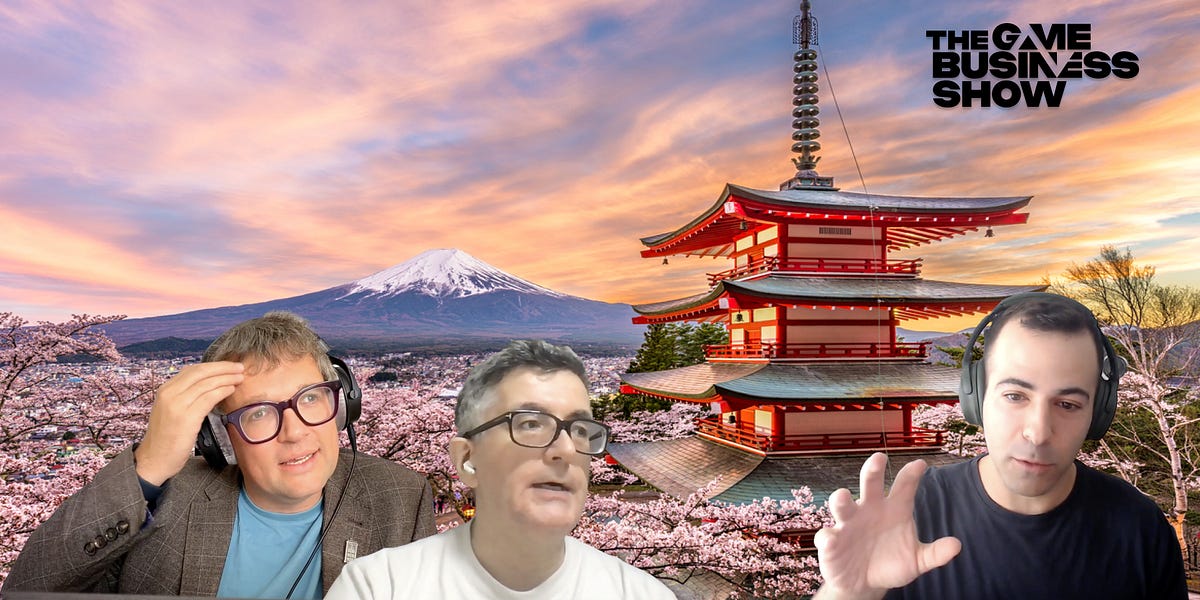
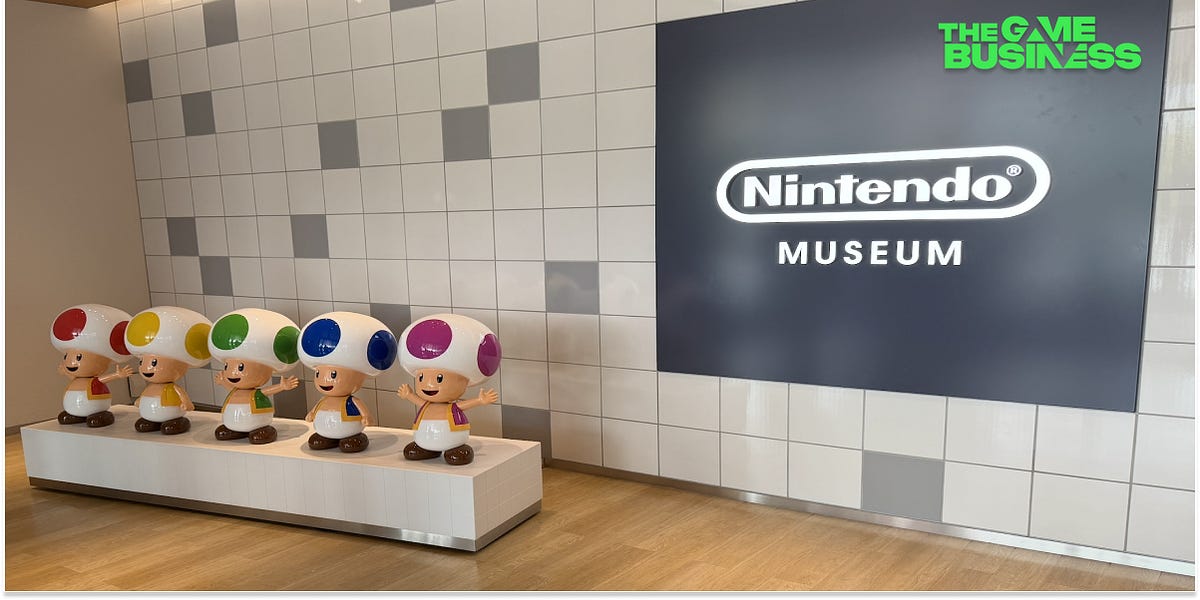
Here’s The Dring: Nintendo’s Kyoto Museum
28 Sept 20261 pages~3 min full read
Key insights
5 takeaways · ~2 min read- 01Nintendo is leveraging physical experiences, such as its Kyoto Museum, to bridge its historical legacy with its future business strategy.
- 02The Game Business platform has reached a milestone of over 30,000 subscribers as of September 2026.
- 03Industry analysis for the final quarter of 2026 is heavily focused on the anticipated market impact of the release of GTA 6.
- 04The Game Business is expanding its industry coverage through high-profile on-stage interviews with key figures including Ken Kutaragi, John Romero, and Brenda Romero.
- 05The publication is currently transitioning toward a sustainable financial model supported by its paid subscriber base.
Summary
The Nintendo Museum in Kyoto serves as a strategic focal point for understanding the company’s broader initiative to leverage physical experiences as a core component of its business model. By curating its historical legacy, the organization reinforces its brand identity and deepens consumer engagement, signaling a shift toward integrating tangible, real-world touchpoints into its long-term growth strategy.
This analysis highlights how Nintendo utilizes its physical presence to bridge the gap between its storied past and its future trajectory. The museum functions not merely as an archive, but as a deliberate effort to maintain relevance and cultural resonance in an increasingly digital-first industry. By anchoring its intellectual property in physical space, the company strengthens its market position and fosters a unique connection with its global audience.
The scope of this observation is centered on Nintendo’s operations in Japan as of late 2026. The insights are derived from industry commentary and direct observation of the company's recent expansion into experiential retail and museum-based branding. This approach reflects a wider trend among major gaming entities to diversify beyond software sales by investing in permanent, location-based entertainment that capitalizes on established brand loyalty.
Cite this report
Citation
Generating citation…