Transcript
Welcome to the Navit Gaming Podcast, where it is our mission to explore the business and future of video games. We bring together the industry's brightest builders, investors, and thinkers to keep a pulse on current events, dissect emerging trends and games, share lessons learned, and have a great time. This podcast is also part of Navik's growing ecosystem which ranges from free and premium research to consulting and advisory services. For more information, visit www.navic.co. This episode is brought to you by Heroic Labs, which powers some of the world's biggest games with its heroic game stack. Its composable products are Nakama, the open- source back-end game server, Hero, the game development framework for all your live service game features, including the complexity of managing offline mode, Sattorii, the
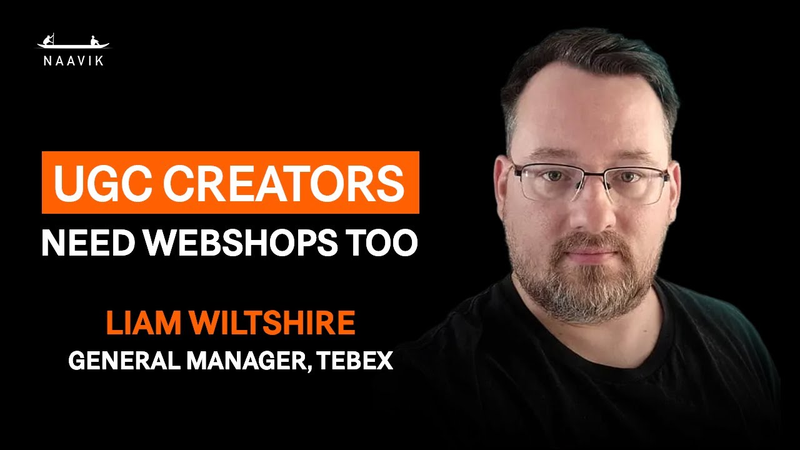
worldclass live ops product for maximizing monetization and retention. And lastly, the Heroic Cloud to provide massive scalability. After nearly 10 years of operation, thousands of studios trust Heroic Labs to help them focus on their games and not worry about game tech or scaling for success. To learn more and reach out, make sure to visit heroiclabs.com or check out the link in the show notes. Now, let's jump into the episode. Hello everyone. I'm your host, Devon Becker, and today I'm delighted to be joined by Liam Wiltshshire, the GM of TEX. TEX helps game studios and game servers better monetize through direct to customer compliance, fraud protection, and a whole lot more. So, today we're going to discuss some of the realities of direct to customer monetization across multiple platforms. But just to start things off here, uh could you go over your background and the origins of TEX along with its important relationship with Overwolf?
Sure. Uh hi Devin. Thanks for thanks for having me. So, yeah, my name is Liam and
I'm the interim GM at TEX. Um, I've actually been with TEDex for for just over nine years. So, started at the founders's kitchen table. Literally just kind of the two of us. It was crazy times. Um, it's very very different uh now obviously. Um, initially started as a CTO. Um, so joined to to lead the technical side of the business. Um, so did that for a while. Uh, and then shifted more into kind of the operations and payments side of the business. Um, and then like I said more recently uh into the gym role. So TEX's history is super interesting. Uh we actually started for people that are old enough to remember as uh which solved a really simple but very real problem that UGC creators running servers in Minecraft, the likes of Hypixel and Mineplex back then. They had these brilliant, brilliant servers and this amazing content. Uh, and people were coming back and people were playing Minecraft for these for these experiences, but they needed a way to,
you know, fund these these servers. They needed a way to accept money that was kind of safe and global and low friction and didn't involve them having to worry about it. And that's how we started. So, it was, you know, it was very Minecraft specific. We then realized that this same problem existed on other games that had servers, the likes of Rust and Arc and Garismod, etc. Um, you know, all these things around payments and chargebacks and tax and fraud, none of that should sit on a hobbyist or a small team, right? Um, really good example of that was actually War Bandits. Um, still a a very popular server in the Rust community. we were able to save them I think it's like over a thousand hours by taking all that responsibility for like chargebacks and tax and all that stuff so they can spend the time building their brilliant server and their amazing experiences. The way that that then continued to progress is that we started to realize,
well, hold on, this isn't just a a game server thing, right? This isn't unique to servers. This happens across all UGC uh modding, apps, overlays, and also with games themselves in game purchases and studios and and mobile games and and crossplatform and everything else. So, as you mentioned, we were actually acquired by Overwolf uh just coming up four years ago. It'll be four years in February, in fact. Um, and they specialize in UGC, they are like the UGC people creating this new profession, this new guild of creators. And the way that um, TEX and Overwolf work really well is this kind of free UGC kind of ad supported mods and apps and TVX's kind of premium UGC support just like really work together so nicely. Uh and between kind of between both sides, the the distribution and the tooling and the ad network on the overwolf side and then this entire monetization stack um and growth engine that TEX has. It just means that we can support kind of
studios that are doing games as a platform, UGC creators, kind of the whole range across proper DTC ecosystems. Well, it does seem appropriate that uh of all genres to start with to help get money that they need to survive survival games seems very very appropriate. So,
it works really well.
Yeah, good on you guys. I mean, uh now that you've had a chance to grow a bit since like some of those early days as well, like what kind of customers do you guys generally work with in terms of like the direct customer monetization like uh across different platforms, different genres, things like that? Just give a better idea of who you work with usually.
For sure. And I think the interesting thing is that because of our UGC background, we had this really strong crossplatform approach, we've worked in all games from Arc to Rust to to Minecraft to, you know, GTA um and so on. And it means that we're very at home both on desktop and mobile. Um I was experiencing UGC around moder
uh around moderation, around content and safety. Um, IP compliance means we're really well placed to support games as a platform and that's something that I'm I'm loving. So games as a platform, we can talk about it a bit more, I'm sure, but you know, from the early days that it was very much like desktop only and and that's kind of where it was. We are seeing it grow and I'm really excited for for 2026, I think we're really going to see an explosion of, you know, games as a platform across mobile and console and PC. And that's something that that we're really really um yeah really excited for. So between yeah private servers, mod authors, the premium mods in in Arts Fiber Ascended, uh TEX is the kind of underlying kind of payments infrastructure that powers that. We try and stay out of the spotlight as much as we can. That's not
Yeah, we're not here to be the the the the heroes, right? You know,
just today the n the ninja turtles and the and the Power Rangers, they're the they're the heroes in more ways than one, I guess. Um but we're we're not here to be that. We try and sit behind
the scenes, but those those premium mods, PC first studios, uh, mobile studios such as, you know, Boom Bit, etc., uh, we do, you know, everything from one creator with a laptop all the way up to kind of enterprise studios and we're really proud to work with with such a range. Well, I gota imagine then you guys having already worked with GTA servers before are really looking forward to that release as well as uh you know from from what I'd seen uh in in sort of like you know leaks and other things potentially coming out from this studios. They were definitely more interested having acquired sort of the the 5M developers like looking at what they might be doing uh more broadly around mods to actually support them directly with their own launchers, things like that. bit a bit of a tangent, but I just thought I'd mention that that does seem like a lot of exciting potential future for what you guys are doing. Uh, but just kind of getting more into the details, how does this sort of creator economy uh work uh like with private servers or just bonds in general like differ fundamentally from like mobile game studio like mobile studios or even PC studios that are like
actual game studios uh and that whole direct to customer like monetization experience. Yeah, I think I mean I suppose there's a bit of a a false assumption that that I'm going to challenge a little bit. Um I I don't want to say the host I'm not want to challenge the host too much, but I'm going to that like creator economies are seen as this one thing. Um and I think that's that's kind of the thing that we we've seen over the last kind of decade and a half is that even within creator economies, you've got lots of different areas, right? So, a game like Hypixel, I I kind of named them at the beginning, they've got a Guinness World Record for concurrency. Um, and it was something like 150,000 concurrent players. Now, that's the scale of of many games. You know, there are games that don't have 150,000 concurrent players. So, the way you have to kind of think and approach an economy like that is, you know, finely balanced economy, you know, like true economies in game economies become very, very difficult. um you probably a lot of these studios
and and and Hypix as one they want to avoid pay to win. They don't want to be a pay to winer but that's not what they do. So working out what is going to be interesting to players and what is going to get players kind of engaged and infused but isn't just pay to win um is is a really big thing and obviously that is a challenge that also crosses over to a lot of mobile games and a lot of desktop games. Um, but at the same time, like Hypixel, massive concurrent players, but one of their core gameplay elements are these mini games, which are much more like mobile because they are fast-paced. They're like a short game session. You go in, it might be a five-minute game and you're out again. Then you go into another one, you pay play that game, and you're out again. So, it's much more like that kind of quick short life cycle gaming session that we tend to see on mobile. Um, so even within one server, you've got kind of both both ends of the spectrum. you've got other g other servers. So on the other end you have things like uh GTA and roleplay servers. Now they are very much you're investing your time into that. You are it's total immersion.
It's very much I am spending hours and hours of my life in this one scenario, this one piece of gameplay. Um so we then mix and match different areas based on that experience. Modding on the other hand, very very different. That's more like selling a core game mode. that's much less like mobile because we're selling an individual mod that's enhances the experience. Um, so yeah, it it it really is a mix. You know, you have long session, you have long sessions of big cars, which are very different to mobile. You know, you will have players that will buy multiple items in one go. So, if you're on an RP server and you want some new new clothes for your character and you're maybe changing careers in game, you might be you're going to be buying both of those at the same time. you're building a cart and you're checking out. That is obviously something that you're never going to see really on mobile. Mobile mobile it's very much I'm buying this thing. Get through as quickly as possible. Get back into the game. Um I think the key takeaway though out of all of this is that for private servers D2C is native and web stores are native.
Like we've been doing this for years. You know servers like Hypixel, servers like um or creators like Gabs, servers like um UKRP have had web stores for you know over a decade in some cases. Whereas with mobile, it's very much a new thing and it's about that behavior shift that we're having to retrain players that this is the the new normal. And I think that's the biggest difference,
right? Because you're not trying to get around the payment rails that were sort of enforced for a while. Um, one thing you brought up that made me made me wonder around pay to win and and things like that where uh are you guys ever looking at for example like a Roblox
design patterns for what people are doing for because you know there's a variety of things that it's individual creators coming up with their own sort of IP sort of schemes within Roblox that are that use the native currency as opposed to being like a typical cash IP system. But do you guys look for those patterns because it is sort of like it it suits to an extent what you guys are doing. And as a second part of that, are you guys looking at uh the Fortnite
edition of AP uh and and seeing about, you know, how you can work that into your systems or at least look at it? Yeah, I think that the the wider pattern and the wider thing that's interesting around like you said like the Roblox model where it's kind of a almost like a cashless or fiatless I suppose is more accurate um ecosystem is the ability to keep um kind of money within the ecosystem for longer particularly from like UGC angle where for us for example a lot of our creators are also customers um and you'll find this across a lot if you've got games as a platform where you can run experiences And you can also play other people's experiences. It is that kind of it's not like you're neither or no you're not a creator or a player. You are both which is super exciting and this is one of the things that I love. Right. Yeah. This is why I'm so excited for games as a platform because it is making this so much more possible. Um but therefore from a I guess a commercial concept one of the really exciting things is to be able to
keep kind of that money in the ecosystem. So, I buy, you know, virtual currency for a particular game. I might, you know, I might buy a script. Let's say I'm building an experience, but I'm not a brilliant scriptor. I might buy a script that does something that I want in my game. So, I buy that from someone who's produced a script within like this game's marketplace, within this game's economy. I use that in my game. I then receive currency for producing, you know, in this game. So, someone's then playing my experience and they're they're buying content. So, I receive that. I then might want to upgrade my game. I want might want to do more with it. And so I may then buy a 3D model to add to my game as a new character or whatever else. And you can kind of keep it within the ecosystem, which is great for for the studios because at the end of the day, someone's going to take that cut for each transaction. Someone's taking the cut. And I would much rather the studio takes that cut than the bank. That's, you know, some people might might not be too happy with that, but that's that's my view. I'd much rather, you know, I'd much rather a game studio be able to receive an extra kind of 1% on the
transaction or whatever than, you know, JPM taking their their piece or whoever it might be. So, that for me is is a really exciting thing. That's the trend I think we're going to see is that there'll be this this concerted effort to be like, let's, you know, let's introduce spend back. Let's kind of, you know, have secular kind of e economy flows because it is better all around. It means, you know, pricing can be a little bit lower because it's cheaper to process these payments. Um, it means that players kind of feel invested in the platform and in in the entire economy from like a marketplace to the games to, you know, whatever else. Uh, and I I genuinely think it's a way that everybody wins.
Nice. Well, well, hopefully that that continues to be the case because uh there's definitely a lot of effort put in that direction.
Um,
yeah, for sure.
And you touched on this a little bit, but I wanted to dive deeper into uh the aspects of the player relationship. So you mentioned obviously like there's there's not the nativity of the the payment rails on you know PC and even on like some of these other platforms where it's yeah technically you pay into say
you know buy or something but then you're spending that and it has its own flow that's not part of necessarily uh you know go payment rails that are built into that but how does the overall player relationship work uh when you're kind of you talked about not having to retrain people and things like that necessarily. So then how does it work across that? Like uh you know you also have like the lack of say maybe frequency of play or lack of notifications those things that you get from mobile that you have in addition to the payment rails just like how broadly what do you see across?
Yeah for sure and I I guess this is where you know and and this is something that I think mobile studios can definitely learn from D2C because D2C has always been about owning that relationship. there is a real desire to support that community, a real um you know motivation to be like I am part you know I identify as part of you know the Hypixel community. I identify as part of the Bandits community. I identify as part of you know some of these communities. I mean like I said Hypixel has got players that have been playing on that server for over a decade. Um there is that real like you know
dedication and and loyalty loyalty I guess. And that that's the word I was looking for. Um, and that's something that that these these games have built over time, and they do have like while you're in the game, you will get little reminders now and again. Um, you it' be quite common to say, "Hey, so and so's purchased, you know, this this little uh pet that follows them around. You know, get yours at and the link to the store." Um, or, you know, a little pop-up that says, "Hey, you know, we're we're running we're going to be running a Black Friday promotion. We're going to be running um, you know, a Christmas promotion, whatever else." you will still have those kind of prompts and those reminders that a the store is there and and there is really great value to be had. Um but because of that that loyalty and that kind of that owning of the relationship and that's what really we're talking about. It's building that kind of player loyalty, building that, you know, we want to be part of this this, you know, this community and and be and be part of of this game and support, you know, the creators of this this content, right? Uh, and that's what kind of control of the play relationship really means. And I think that's something that, you know,
is something that mobile studios can learn because we know, and I know I'm very fickle when it comes to mobile. I'll, you know, if I know I've got a a 12-h hour flight somewhere, I'll be like, "Right, what games can I download that going to be offline? Games that will keep me occupying for maybe half an hour each and and I'll download six games, but there's very little loyalty there." And so, I'm guilty of it as well. And I'm sure I'm sure we all are to to varying degrees. But this is the exciting thing that by taking more ownership of that relationship and having more direct like interaction with the players rather than it being via this like faceless um algorithm. Um, I suppose you can start to build that loyalty and that kind of sense of belonging to a wider community which then naturally play PE players go, well, I want to support these games. I love this game. This is I want to support. I'm going to see what's on the store. I'm going to check out their Black Friday sales. I'm going to, you know, engage with the wider community. You know, maybe we'll talk on, you know, maybe there's a Discord or a forum if you're of a certain age like myself, whatever that might be. Um, and so
that's that's what you that's what control of the player relationship really means is building that kind of brand loyalty almost. Um, and that's something that I think you know mobile and PC studios to a degree can definitely learn from kind of the more old school UGC. Yeah, it's funny too because like you're comparing mobile and and PC and stuff like that to there. You don't necessarily you mentioned the loyalty issue and it's like well you don't really have that same style of user acquisition on PC and mods that you do for mobile which might also lead to that sort of disloyal relationship that sort of you know whatever you know goes as opposed to like you know the word of mouth or whatever else is generally leading to people joining these communities. Uh it it I think has a little bit more being prepared to be engaged with the community as opposed to just hey I saw an ad in another mobile game that made me download this mobile game which doesn't even play like the ad. Well, I mean that is true and like I said definitely things that we can learn but it's it's an interesting thing because one of the other ways that that
I know you know particularly kind of you PC and crossplatform games as well kind of build that loyalty is obviously around kind of influences and influences influencers and streamers. Um but like my children for example and it's a kind of a personal example definitely my son plays more on mobile than he plays kind of on PC. uh because yeah, he plays it like when he's on the bus to school or he's just out or whatever. And yet when he's on YouTube or when he's on Twitch and he's watching, it's all PC streamers. um you know and it might be Roblox, it might be uh Minecraft, it might be you know what whatever whatever else it might be but it's going to be it it's predominantly kind of PC or sometimes console but mainly PC based games uh kind of PC streamers so but it's not building awareness and loyalty again for the the mobile games right so I think this is where there's that that shift I think we will see and I think some of that is probably the the
the economics of a mobile game, you know, losing such a big slice for such a long time, it makes some, you know, all the margins get that much thinner. You the the cost of, you know, engaging with these some of these these these these influencers becomes higher. Um, and I I do think we're going to start to see that now that you're going to have more visibility, more, like I said, direct relationships. You know, the there will be genuine long-term value. It's not we just need to get, you know, we want to get a player a purchase from this player now because they'll be going playing something else next week. It's actually we want this player to be playing our game for the next year, the next two years. The the kind of long time the lifetime value of that player is now suddenly very very different and it changes the whole complexity of the thing. Right.
Yeah, I was going to say that like a lot more longtail LTV as opposed to like okay, we've got maybe like a three-month LTV for most players at most. Uh obviously like you know a lot of mobile games don't last nearly as long as PC games. you know, there's definitely some exceptions as most of the top 20 charts usually show, but uh PC definitely I
mean that people are still playing Counter-Strike even though it's only had, you know, updates here and there. Um so it is definitely an interesting different environment. Um, but you know, speaking some of the stuff you're talking about with mobile, but also bringing out both across the the two different platforms, what have you seen change more recently as a result of a lot of these different sort of legal decisions, many of them involving Epic especially? Uh, but also, you know, like there's there's the EU legislation stuff and just in general, like the regulatory and legal environment has changed quite a bit. Uh, more like but this it isn't doesn't just affect mobile, right? This is definitely something that should be affecting you guys. I mean, especially since Epic isn't exactly a mobile first company, right? Like, so it definitely is trying to bring people towards where they are on PC as well. So, what are you kind of seeing across all of that?
Absolutely. I I think you're right. I think, you know, this this whole concept that that platforms and obviously right now we're looking at kind of Google and Apple, but platforms more generally are being forced towards greater openness.
Now for me that that's that is the exciting thing is like I know we talk a lot about hey you know the savings on fees etc etc etc and that's super important like I'm not going to downplay that as I mentioned it changes the the economics of a lot of the other things that that we can do um but it really comes back to by by forcing that greater openness and that studio choice we are going to see as I said more control of the player relationship but it also means that there's more creative control so one of the things right now is if you want to you're producing a mobile game and you want it to obviously, you know, list highly in the Google store and you're you're relying on that for your survival, you therefore do kind of have to a degree build the game that is going to show up in the search. I mean, you know, Google Play SEO is its whole entire thing, right? And that's that's a whole whole heap of stuff that I've looked at and want and glad I don't have to get involved in that, honestly. But it is, you know, it's this whole thing. And being able to actually own that relationship and and own your
community and be like, "Hey, this is actually the game we've wanted to make for years. And now that we, you know, we're not beholden to having to rank highly in the results or having to be found for searches or whatever it might be. This is the game that we've wanted to make for you guys forever." And you've got your loyal uh player base, your loyal fan base, and you can do that. And that's that creative control, I think, is super exciting. Uh but I think it also goes the same for you know for for for PC. We are seeing you new distribution channels. You know Steam is obviously still very very important and it's going to be important forever. Um 100%. I I don't you know myself personally I don't want to go back to the time when I had like 20 CD wallets full of CDs and you're trying to find the right one and then it scratched and it doesn't work and
or five different publisher specific platforms.
Yeah. And I mean you know when when you're of a certain age you remember that stuff you go actually may look quite you know it's quite good now right um but at the end of the day we are seeing these different these different kind of the distribution mechanisms and we are seeing more games that are that
are are kind of self-publishing and self-distributing um you know obviously we we've had an announcements very recently obviously the repurchase of Hightail and and kind of their plans seem to be from from what I from what I've seen is is it's got to be self you they're going to have their own launcher and they're going to have their own um you know kind of distribution which you know remove you know gives them the control to build the game they want to build right and and again and that's a great example of having control of that relationship because they have such a loyal fan base through the UGC and this is where those things tie so nicely together that they have this UGC kind of loyal fan base that that you know they're going to be interested in hightail when it comes out. um you you you just know it's going to happen. Um and that is a a classic example of when you when you make these platforms open up and give more power back to the studios. These are the things that are possible. Uh we're going to see I think a lot more player first economies. You know, studios own the IP
and that is that's great. But being able to then open up that IP to your community and be like, "Hey, create some cool stuff with this." Um like that that that's the thing that excites me. My my first game, the game that I play most is Ark. Um I play with my wife. We have our server with some friends on it as well. It's great. But the thing we always do is the vanilla art game is great, but whenever we start a new a new map, the first thing we do is like make sure we've got the right mods installed. Make sure we've got the Power Ranger skins installed. Make sure we've got you whatever. And being able to say this is the the economy. This is the IP that we've got. This is the like almost like an engine like a Roblox type you know here's a game engine produce really cool stuff with it is so exciting uh and obviously we've seen it on PC for a long time I think we are going to see with this continue opening up that it becomes easier because you know rewarding content creators is right at the end of the day they are spending their time and their passion and making these games more relevant you know again Minecraft a
brilliant example people still buy Minecraft more than a decade after its launch and that is predom predominantly due to these amazing experiences of UGC. So it is 100% right that these creators should be rewarded for that and we should create this guild of creators that that Overwolf is doing. But we want studios to win as well because ultimately it is their IP. So by I think this is something that the opening up of these platforms makes that a lot easier to achieve that the different the different players can all have their piece. Um, and I think we're going to see a lot of this being taken advantage of in a lot of these games as a platform opening up over the next couple of years because of it.
Well, nice. I mean, definitely a very optimistic take and hopefully something that that continues to progress without legislation blocking it in and said supporting it, but uh, a bit of a
It might take some time, but we'll get there. We'll get there.
Yeah. I mean, two steps forward, one step back kind of tends to be the way it works. But I I do appreciate Epic at least spending some of that Fortnite money to help push that forward
regardless of what their motives actually are. Uh
I I think we all owe them a Christmas present.
Yeah, just go just go buy some Fortnite skins, call it a day. But uh I I based off something you said, I want to throw a little bit of a at you, which is uh you're talking about distribution and mentioning Steam and stuff like that with Steam Deck getting some decent traction and uh the Steam sort of like uh the the the Gamecube as people like to call it uh you know all the sort of platforms they're they're trying to introduce and expand that out. Have you guys looked at that as obviously you know you're trying to support Steam games and and this is a that is a platform instead of Windows you're looking or even Mac you're looking at this sort of Linuxbased system. Uh, and you know, see, Steam Deck's been out for a little while, so there's some time to process it. Obviously, the other stuff isn't out yet. Have you guys like looked at that, seen how you could maybe support working on that platform, or is it just like, hey, it's pretty plug-and-play despite being like a Linux based system. We could support it pretty easily because it it's not exactly, you know, the normal thing you'd be dealing with.
Yeah, for sure. And I I think you've kind of hit the nail on the head a little bit. It's not something that
we've we've spent a huge amount of time looking at um kind of in our in our kind of environment but you know with it being kind of Linux based and it is it's more even even you know the Steam Deck is more akin to a kind of miniature PC than you know like a a traditional console. And I mean this is the conversation about um the uh that the Steam Gamecube break that um you know they're saying you know it's going to be seen as a PC almost. It's going to be probably going to be priced like a PC. It's not it's not to be considered in the same realm as a console. Um and so that does give a lot of flexibility um around you know kind of you know web browsers and all of these things that you know a lot of the the the same patterns that we've used in the past do kind of cross over. That said, the other thing that I think a lot of games and and a lot of kind of motion record and monetization platforms like TEX are looking at is how can we remove as much
distraction from the game as possible. You know, like anytime we always say that anytime someone is spent paying, they're not playing. Um, so how can we keep cutting that down? How can we keep reducing that? So, kind of in-game webshops is something that that we've spent a lot of time working on. um both actually in the UGC space. We're we're currently exploring ways to make that possible within UGC. We've we've done it for years and years within Minecraft. Now, for Minecraft, you still have to go outside to make the final payment, but you can browse and and add your items to your cart and do all that in game and just go out to make the payment. We're exploring it for other games that we support. Uh and we're we're working on that exact same pattern with some of the the mobile and and desktop studios that we work with. Um so actually removing as much of that kind of alter of game experience as possible um is something that is going to be important. Obviously the challenge on mobile is that you can kind of do it's it's different degrees of what you're allowed to do right and this is you know one of the big challenges right now for mobile is you
know the law in Japan which is obviously changing in the next day or two is different from the law in Europe is different from the law in the US which is kind of like uh who really knows and all of the and then other like Brazil is currently looking at it but they've not made any decisions yet and yeah we've got yeah we've got internally this massive spreadsheet of this is the current state of play right now for the all these countries that like we end to update it like every single day to keep on top of it because it is it is truly insane. Um so that's that's a big part of the challenge is you know you can remove the friction in some places in some places in other countries the friction is is still there right. Um, so I think that's yeah that's I know kind of veered off topic slightly but but the same challenges exist that like on on a Steam Deck you know it is small screen. Do you kind of want to try and go through the purchase experience or do you leverage things like you know with TEX we have save payment method so you can save your card you can save your PayPal account you can save your um Navay account you if you've got a South
if you're South Korea you got South Korean navigay uh wallet you can save all these things against yourself. Um, so we're again exploring ways of going well okay if you've got the in-game browser and we already know the payment method. Can we just do a simple thing like where maybe they get text a onetime password so they you know so we know that they authorize it they get they get a text with a onetime password they key that in in game and then the purchase is done and they don't need to leave the game at all. So these I think the things that are more it's like across the board how can we reduce friction how can we reduce out of game time which is then going to benefit Steam Deck it's going to benefit any type of handheld whether that's mobile whether that's you know you know whatever but also you know PC and and UGC as well.
Well I'd appreciate that because the Steam uh purchase flow is a ridiculous number of steps already. I don't think it would be hard for you to beat Steam's payment rails because it's seriously like six or seven steps if you're paying via PayPal in there just to purchase like a $5 item in a game. So,
should should be a low bar to to go.
I I like I'll let you know as soon as we're there.
Yeah, definitely. No, I I have a Steam Deck user, so I will definitely look forward to that. Somebody who owned uh Steam Link and the original controller and all that, uh I would love to see what you do with those payment flows.
Awesome. But um we we did a release uh Navic uh released a uh a deep dive recently uh in the direct to customer payments uh on kind of the future of that and it was really interesting to look at one aspect that I wanted to kind of dig into your thoughts on which is this sort of idea of moving from these really simplistic web shops to this more full e-commerce experience where it's not just you're just basically replicating the screen onto a web browser. You're actually trying to build a full-on e-commerce site with with shopping carts and loyalty programs. I mean, obviously there's there a little bit of loyalty program stuff already, but it could be a bit more robust. It could be a bit more like a real web store. Uh, what are your guys' thoughts on all that? Like, is that stuff you guys are working on, stuff you've explored? Like, what are what overall thoughts there?
Yeah. So, it's something that we we definitely do kind of think about a lot. So, one of the things that that we see is
purchasing and and maybe it's an age thing as well. I think it depends on the the age demographic of your players. Um but you know purchasing on PC we we do see the average spend is is quite a bit higher. Um I know we've shared this this with you guys recently but it's you know it's it's a good kind of 10 or so% um higher than on mobile. Now for me again of a certain age that seems quite obvious like I still if I'm buying flight tickets I very rarely buy them on my phone. I will still go to my laptop to buy or or a tablet at least to buy tickets for flights and things because I'm like I don't know it's it's a it's a thing. Um, and and but I think there is that there isn't a greater element of trust when you're kind of buying from a a web browser experience or you know a true web shop experience as opposed to a quick in-game kind of wham bam thank you ma'am sort of um sort of journey right so a lot of what we're seeing and a lot of what we think about is how you make
that kind of webshot experience second nature uh and this is the thing right it's it's we want to I mentioned at the beginning retrain train players to be like this is the normal you much like on UGC where people go well of course you've got a workshop of course that's that's just normal um having that experience where you go actually you're going to have a curated shocking experience but it's not just going to be the quick buy pay back in the game kind of thing um is is important and a lot of a lot of the mechanics that we're seeing kind of support that. So, a great example is obviously you you talked about loyalty programs and that's great kind of once you're used to shopping, but actually how do you train someone to visit the web shop in the first place? And this is where one of the things that we we advocate for a lot is to move the, you know, like the daily perks. And a lot of mobile games have this mechanic, right? each time you log in, you you get 100 coins, you get 150 coins on day two, you get some gems on day three, you get, you know, a an bundle box on day four,
whatever it might be. And actually, one of the things we advocate for is moving that to the web shop or having a second, you know, a second set on the web shop because then you're training players to go and visit the web shop every day to claim that reward. And okay, on day one, they're probably just going to claim the reward and exit back out to the game. On day two, they probably might just claim the reward, exit back to the game. But on day three they might go actually that's interesting I hadn't seen that before uh and then they start to explore and by the time you get to kind of five six seven um they are in that habit of going what's on the what's on the web shop today. So I think yes things like you know all all the normal web shop things like regional pricing like being able to gift to other players that's again that's part of that community building that when you have a true community and we see it a lot in UGC players will buy content for other players u and there's no there's like no expectation there's no like whatever it's just like they they've built these friendships and these relationships and it's near Christmas it's like hey I'm going to get you that that little pet that you've wanted for for the last six months or whatever. And we see that in
in UGC. We see it across the board. Gifting is is one of the most used features across Minecraft, across uh 5M, across Rust. It's used it's used across the board in in UGC. And so those sorts of features, the gifting and and creator codes uh again we talked about wanting to engage with kind of streamers and influencers more. Creator codes is a feature that you know we see commonly on say Fortnite you know the support of creator program and something that we have on on TEDex for you know across the platform it's available to UGC it's available to uh PC it's available to mobile but this is these these are things that not just saying it's just that one AP purchase job done you can you know using creative using gifting using um you know these these these mechanisms to get people coming back builds that community that we talked about and it's that's the real aid here is saving the saving the whatever it will be. I think we all know at this point, as much as I don't think the proposed settlement is going to go through as is, I think we have to be
realistic. Google and Apple are still going to get their piece. Like this isn't going to be free. Like I think anyone who says otherwise, you know, I admire their optimism. Um so, you know, I think we know that's the case. But having that control and building that relationship with your community through a true web shop experience is what's going to kind of make the difference and and really move the needle not just now but for the next two five 10 years. I think that makes sense to be like what could we do on the web shop that maybe is difficult to do in client or is more community oriented than would make would make sense inclient as well or or even just supporting like beyond creator codes just affiliate codes right which is something that is difficult to do like with unless you're doing some in-game deep link thing right
so it is interesting to look at it as a platform that can do more rather than just hey let's skip the the 30% cut try and get get a little bit smaller right like I think we're trying to move beyond that and it's something you've mentioned to me as well that that's a big thing to
think about is moving beyond that mentality and obviously that's nice right making more money especially if you're a company making a lot of money making a lot more money by by getting rid of that which of course you know was some of Epic's motivation to begin with uh but it is good to move beyond that
yeah 100% and I do think I I think you're right I think that whole like the headline of you're going to make more money is brilliant and don't get me wrong that's a brilliant hook to like be able to talk Yeah it's a good lead right you to say to to any studio whether whether it's desktop, whether it's mobile, but like hey, do you guys want to make more money? Um, like it's a great way to start a conversation, but it isn't the true like end goal for us like that whole giving power back to these studios and giving that kind of that ownership while still taking away the complexity because that's the thing is, you know, there are there are definitely studios that are obviously doing this themselves and they're going, "Actually, we're going to run our own payment stack. We're going to do all our own optimization. We're going to handle all the tax and things." And that's like that's great. Uh I I recently did a a
keynote at the live service gaming summit in London and one of the things I said is if I had a magic wand and I could put payments experts inside every studio. I would I would do it would be brilliant. I would love it. The reality is that most studios are actually downsizing, right? Studios are getting smaller. They're not wanting to head. We've seeing you know these these these announcements of, you know, having to to make layoffs because because of the the state of the the global economy right now. So being able to use something, you know, like a merchant record partner, someone like a TEX or or whoever to say, look, we will we will basically be that internal team that you never had to hire. Um, and that's the thing that like that's something that I love. I love thinking about this stuff. I love talking about this stuff, as I'm sure you've probably guessed. Um, that we can be, yeah, we can be that extension to the studio. We can kind of advise on a lot of this stuff and be like, hey, this is how you can build these relationships, but the relationship is yours. It's not TEX's, it's not whoever else, it is your relationship. Um, and
this is I think that's this thing that like I said, you know, the headlines great for kind of starting the conversation, but actually breaking down the hey, you can you can do the things you want to do. You can, you know, have you have better relationships with these these influencers and and you know, referral programs and affiliate codes and, you know, abandoned baskets. You know, one of those things like if I cancel a purchase on mobile, it just goes your purchase has been cancelled and I go, okay. You know, whereas, you know, one of the things that we'll do is is if you if you start going through the checkout and you and and you and you bail out, they'll be like, "Hey, we saw you started. You didn't finish. Was there a problem? Can we tempt you back, you know, depending on the studio?" And again, this is obviously per studio. And whether that they're comfortable with this, it might be a hey, you know, here's here's a a small a small discount or, you know, you go and finish a purchase now and you'll get a free extra bundle or, you know, whatever it might be. Um so we do all those things that that are very yeah are certainly not impossible to do in game um particularly on mobile but there are are a lot harder whereas we can make that you know and I think again you know a lot of merchant record platforms and a lot of well-built web shops such as TEX's make those
things a lot easier and we handle all the the the headaches and the heavy lifting and lead and lead the studio to just keep building kick-ass content. So, I mean, ju just getting into some more of the nitty-gritty details like of trying to handle these sorts of payments outside of the payment rail systems. I'm kind of curious how you guys are look at like subscriptions or some of this other um games as a platform stuff, but especially subscriptions because it's like normally that's handled by the payment rail system and there's like a centralized management for it that they could potentially have like there's a bit different approach than I think you guys probably could do on the sort of web platforms. How are you guys approaching subscriptions especially? Yeah, and I think this is where kind of D2C really can shine actually because, you know, again, we've talked about fees, we've talked about uh more control, we've talked about kind of that better lifetime value by building that kind of long-term relationship. You have that long tail of of LTV. Um but I think the the challenge that a lot of studios that we've spoken to have faced and and I had this exact conversation where um
you know a studio sort of said to me like we we we had like a battle pass thing but like 80% of all subscriptions failed. Um, and it and it kind of we we dug into it a little bit and the reason was that for them a lot of their players because of their like advertising cycles, a lot of their players would start kind of just before payday effectively, which then meant they'd make the first purchase, it'll come to renew and, you know, as happens, you get to the end of the month, you there's more months than money sometimes, right? Um, and so yeah, they try and they try and read the subscription and it would fail and okay, then maybe a retry mechanism and it fail and then it kind of gives up. Whereas, you know, you couldn't tailor a lot more because it's individually calibrated. You can say, well, actually, we're going to give a 10day grace per crew because we know that a lot of players are then going to get paid and then the subscription is going to renew. Um, and that's something where, you know, when you've got a one-sizefits-all, you have to kind of set the subscriptions and these these
retry mechanisms do 100% exist. You know, Google has this retry mechanism, Apple has this retry mechanism, but it has to kind of be configured in a way that works for like the majority, I suppose, whereas rather than it being pinned down like different countries, you know, you have, you know, countries like in the in the UK and and most of Europe being paid monthly, super normal. other countries being paid weekly or bi-weekly much more common. So, understanding where your player base is and understanding kind of their unique kind of needs means that you're much more likely to keep that successful kind of subscription going. Again, continuing to build that loyalty, continue to build that lifetime value. Um, and that's something that that that we really we really push. Um, you know, on top of that, obviously, you know, having the right subscription methods. So in a lot of places you still see you know okay well you can subscribe with a card and PayPal and that's about it. Um whereas yeah South Korea most people don't use a branded like a a you know an internationally branded Visa card or
Mastercard. Um some have PayPal but less so a lot of them want to pay their subscriptions with Navay or Toss Pay or or or those sorts of things. U you know Alip Pay in China again this is what people used to pay for subscriptions um me pay in Japan for example. So definitely that whole, you know, having the local subscriptions as well is super important and it's something that because that's what we specialize in. We specialize in understanding the the payments kind of ecosystem. We specialize in understanding how a player in Brazil is different from a player in Europe is different from a player in North America. And by age, you know, a player in North America that's 16 is going to be very different from a player in North America that's 60, for example. And so understanding all those differences and and that actually what's right for one cohort of players is going to be very very different to what's right from another cohort of players is what taking this control back and understanding your community and
understanding kind of your player base is is is really really valuable because it means you can make these things much more successful. Continue to build that that loyalty, that relationship, that LTP. Yeah, it's definitely nice that it's like a little not as one sizefits-all. Although I think there's an interesting flip side to that because you made me think about um Google's retrade mechanism which was kind of interesting is uh and and very annoying sometimes as a customer is if a payment fails it will look at your other payment options that you've put into Google Pay and just be like well obviously you wanted to pay with a different one. We're not going to ask you we're just going to charge you whoever we can. Which is interesting because it's like
that isn't just for that game or that device. it goes across like, hey, I have a Google Workspace subscription and then I have like a game inapp subscriptions and those are pulling from the same pool of payments. So like I might have one that I want I'm like, yeah, definitely definitely make sure you resubscribe to my workspace, but I don't really care as much about a game. Suddenly like if I put in say a privacy card for for to use for the game, it's just going to be like, well, that didn't work, but I'm going to kick back to your workspace card. So it's kind of an interesting
strategy.
Well, you've got a a company card attached to your account. suddenly you've got to explain to your boss so that why you need to pay off this receipt for uh for inapp purchase in your game. So, but it's just an interesting like you know flip side of that sort of uh one-sizefits-all versus a customized thing is they already have that pool of cards potentially in the Google Pay whereas you know and that's more of a subscription kind of thing rather than internet purchase thing but it is an interesting sort of like flip side of that.
Yeah, it is. It is definitely and I think I mean it brings on to an interesting point and and again this is where you know for for for TEX particularly obviously I'm going to talk about TEX in this example where we want to make sure that everybody uh wins right you when we say everybody wins we genuinely mean everybody you yes we are here as an extension to the studio we are here to have the studios back you know this is why we have things like you know charge rate protection you know if as as the merchant of record if we sell something and there's a chargeback We don't take the money from the studio. The studio keep their money. Like we've already bought that content from the
studio. They have that that is rightfully theirs. We take the hit. Uh and that will always be the case here. We're never going to we're never going to move away from that because we want to do what's right by the studio. But at the same time, we want to do what's right by the players as well. So you know one of the things that we do and yes okay you have to do this in certain regions but we do it across the board because we think it's the right thing to do is we will say 3 days before a subscription is due hey this subscription is due this is how much it's going to be this is where we're going to be taking it from you know if you've got you know if there are concerns there are problems you know let us know here's a button to manage it whatever uh and actually as much as you know the shortterm thinking can sometimes be yeah but I want that subscription I'd rather they realize after the subscription yeah that that classic thing and less so in kind of Europe, but I know in the States and I've had subscriptions in the States where it's like a 60step process to to cancel a subscription or something. Um, you know, I think it's always been more natural for it to be easier in Europe, right? But, you know, we see that
because, okay, there might be a short-term revenue loss, but you've kept them as a fan. You know, I've I've had subscriptions where it has taken me so many times. I've had to, you know, make an international phone call to an office in the States to cancel something or whatever and it's like, I am never using that product again. You could not pay me to use that product. I am done. They are dead to me. Whereas making it easier and making it kind of painless, they're still a fan of of you, of your studio, of your game. You know, maybe it's just a temporary thing. Maybe it's like, okay, actually, you know what? Christmas is coming up. I've got a bunch of gifts to buy. I, you know, I I can't do it this month. I'm going to resubscribe in January. You make it difficult and they go, that's it. I'm done. I'm gonna find a different thing. So that whole, you know, doing right by the c by the player as well actually is the best thing for the long-term partnership and the long-term kind of relationship between the game and the studio and the player and and as well.
Yeah. As a as a personal anecdote that kind of supports what you're saying, especially with the reputational hit and things like that in terms of uh
goodwill. Uh I noticed that so uh a lot of Black Friday deals come out for things that tend to be subscriptions and they don't tend to resubscribe you at the Black Friday price. They'll resubscribe you at the full price, right? So on Black Friday, I got hit with multiple charges from things I had done the previous Black Friday and forgot about and I was having to write a lot of emails because I didn't try and bother with their normal process because they'd already charged me because they didn't give me that heads up notice that you're talking about. So now they're going to have to deal with the potential backlash of that. And so I'm emailing all of them like hey you guys charge me you know I like your product but I can't purchase you know I can't afford it right now especially since you charge me full price like uh you know please refund me and cancel it and you know then I will definitely keep you in mind as soon as I can afford it again. Luckily most of them were good about it and in doing so and and refunding it promptly and not dragging me through the bottle of meds I'm like okay I probably will consider you know resubscribe to them. Had they dragged me through the mud it would have been like you guys will never see my money again. Yeah. And so I do think that does matter in that especially if they're hoping to get full price and not a Black Friday purchase. Again, I think that does does make a
difference, but it is interesting with those sorts of situations where a lot of subscriptions tend to come with a a first-time discount that doesn't renew. And if you don't give a heads up on that, you're really kind of asking for for some backlash.
Um and and this is it. I think like as I said from a from a one of the the unique things because obviously we're based in the UK you might have guessed um that you know we are used to this kind of slightly more regulatoryheavy I suppose um kind of EU kind of this is this is the right thing to the right way to look after consumers and like that has its pros and cons um you know GDPR was a m yeah as much as it's a great thing now it was a massive headache for everyone when it happened um and so you know I Yes, in some ways for us it's kind of second nature a little bit. It's like well no of course we you know we're not here to screw players over just as we're not here to screw a studio, you know, we are here to to make sure everybody benefits and kind of wins in this relationship. Um and so yeah, so for us
it's that's one of our very much our guiding principles. It's like we are going to do what's right by by everyone. Uh because that's how you build a longstanding kind of loyal player base, not a you know I'm going to play it for 5 minutes and then drop it for the next thing.
Makes sense. Um you know when it comes to to a lot of changes you've seen over time. Uh obviously you guys have been around since you know this this early stage of like Minecraft support and things like that building into a more robust thing. Uh and studios are kind of having to go through some of that evolution themselves right as this becomes more of a thing and become more of a legal option as well. Um, what kind of advice or or thinking would you want to give studios for sort of future proofing or thinking about the future of this stuff because it's probably not the end of changes, right? Like this this stuff will continue to evolve for better or worse, especially if somehow crypto gets involved and gets even crazier. But I just mean like how how would you advise studios to think about this, to approach this, to prepare for other potential changes and maybe even backpedaling and going back on this stuff?
So one of the things that I say a lot and I say it also to our um kind of UGC our game servers is don't think in terms of products and bundles and packages think about the ecosystem because you're right you know even within like let's say that DTC stays we know that in Europe for example next year there's almost certainly going to be new rules around like loot boxes and that whole mechanism um you know there's always been there's already been pressure right you know, a few years ago packs changed there so you can see what was in the loot box, etc. That's going to change again. Like these things are going to continue to become more kind of um paired down and and regulated. So if you kind of build your whole strategy around what you're going to sell, that's where you are going to come unstuck because the minute that changes, you have to change your entire model. Whereas if you think ecosystem, you think actually players being involved and and kind of UGC and games as a platform and how can
we use this IP in new ways and how do we build a loyal player base and a loyal fan base so that actually it doesn't to a degree it doesn't matter what the specifics that they are buying are because they're they want to support us. they want to buy. Whether it's, you know, whe whether it's kind of new um kind of new pets that have no impact on gameplay, whether it's, you know, kind of coins for a particular, you know, miniame or whether it's an XP boost or whatever it might be, they want to support us. They love our game. They understand that for us to keep doing this, we have to be viable. And that's kind of building that ecosystem and that kind of that player base and that fan base is is really, really important. Um, the other thing that I will say is just, you know, a lot of times studios will go, well, we'll worry about what's happening now and we'll worry about the future in the future. And I get it because there's a lot of moving parts. You get to, you know, you get to crunch time. It's like, this has got to get out the door. There are investors, there's
publishers, there's, you know, whatever. I get it. But be aware that you kind of have to look at what's on the horizon. Gaming is global. And that the fact that gaming is global is the very best thing because it means you have this such a diverse and wonderful player base of people that are enthusiastic and love what you do. But at the same time it means you are exposing yourself to global tax. You're exposing yourself to global consumer regulations. You're exposing yourself to you know players who have different expectations. We we had an interesting story recently where um we had feedback um personally at TEDex that players in Thailand um didn't feel or didn't in didn't enjoy our support process. And so we did some research into this. We were like, "Okay, and and a lot of a lot of companies would be like, um it's it's one country. It's this works everywhere else. We're not going to worry about it." And we're
like, "No, we want to get to the bottom of this." Uh, and what we actually we did kind of a bunch of research. We spoke to people we know and and obviously we had friends that are kind of Thai nationals and things and we we reached out to them and it turns out that in Thailand they do not want any pleasantries. They just literally want here's my problem. Here's the response. Don't that's that like we thought we were being like we were doing what we normally do. We were kind of I guess overserving in a way and being really pleasant and and you know kind of being like really supportive in the way that we do. You know we want to be supportive. We want to look after every single player on on that use it that buy something from Tedex, but we because of their expectations were different, we were missing the mark. And so we kind of went and actually we we took a time and understood their expectations and their needs and now how we handle those those requests now is very very different. Um so this is the great thing about it, right? But the challenges like I said are around you like I said understanding your global tax exposure. um you know you in the states for example you know
you you you don't collect sales tax you hit nexus in like say Texas which is 200 transactions they could be $2001 transactions you still hit Nexus and they can look back I think it's like seven years and the penalties could be 200% of the tax amount and they charge you interest it's like it's crazy scary like you you don't get into that so actually looking ahead and kind of seeing what is on the horizon and get advice you know whether that's you know whether that's an accountant whether that's a specialist tax authority whether that is a merchant of record. You get advice on those things. Understand what consumer regulations are in those other markets. Understand what the tax exposures might be. Um, make sure you've got that flexibility as we talked about. You know, cards and PayPal great in in North America, great in most of Europe, but even in say Europe, like in the Netherlands, picks for us is 68 and a half% of all transactions. That's like a bank-to bankank method. Uh, in Germany, cards are like it's sub 10%. I don't I can't I think it's like 8 point something but it's sub 10% of of
payments in Germany are on cards. Everything else is wallets. So some of that's PayPal, some of that's um well used to be so and is now cler um but it's very much those that they they don't use cards. Um Brazil another brilliant example you know even three or four years ago balletto over the counter payments was the thing. Uh and everyone's like you know Brazil was always going to be a cash first society. Everyone's going to go to their the the the the local place and pay for their BTO in a few short years. Pix is like 90% of transactions and I think we see like two BTO transactions.
Wow.
Yeah. It's just it's completely, you know, exchange. But you have to be know what's on the horizon and know these things are coming. Um because otherwise you'll suddenly find when this shift happens, you know, if if 10% of your player base is in Brazil and you're not offering picks, you've just lost 10% of your revenue. So you have to be on top of these things. Well, speaking of being on top of things and the horizon, what do you personally see say over the next two years? I don't want to go too far. Five years is what originally going to ask. I'm like, this changes way too fast
to ask 5 years. Just in the next two years since legislation does take time and things like that. What do you see kind of coming for obviously not like, hey, absolutely, you know, this is where the puck's going, skate there. But, you know, things to keep an eye on at the very least. I and I think actually the the proposed settlement from in the states between Epic and Google is is the first hint and so I think I think we will see kind of a more unified like standardized set of this is the expectations you know we've seen it in other industries before you know often times the US you know will set a a standard on something and a lot of the world will align to that you know we see it in in air travel for better or worse we see it in you know various other industries as well um So I think that's what we're going to see. I think as I said I think we are collectively coming to the realization that Google and Apple aren't just going to say okay we're not going to take any fees anymore like that's not going to happen like just categorically. So I think we recognize
that now. I think you know from this settlement I think that's the wakeup call that everyone kind of was waiting for to go well okay I don't think they're going to end up at that tier. Um I think it's quite clear that um you know the judge in that case has turn around and has said well I think maybe we need to look at this again. Um but but that fee is going to be that and I think we will see you know some of these other countries like I said India are currently kind of their their kind of economic um I can't remember the name the the department the economic lights fairness the fair trade uh commission are looking at it right now. Same in Brazil. Um obviously Australia have ruled that what what Google was doing was unfair but they haven't set um kind of the the repercussions for that yet. So I think what we are going to see is once the US kind of has more clarity I think we will see a lot of these other countries align more closely the EU may do its own thing because it's the EU and they always do. Um but I think broadly we're going to see that alignment. Um, and so I think at that point again all the things we talked about the narrative
of this save 30% isn't going to apply. It is going to be this is how you grow that loyalty that LTV and I think that's what we will see. I think we're going to see a lot more crossplatform games as platforms. Um, as I talked about that's I'm really excited for over the next few years. Um, you know, we we're already seeing examples, you know, um, Arc is a really good example and obviously something that that obviously I know closely because Overwolf and TEX worked a lot on it that it was the first game that allowed kind of real kind of third party modding in an official capacity that took a hell of a lot of work. You know, working with Sony, working with uh, Microsoft to do these things was really really um, a lot of work. and to get them on board and understand this is how this is how mods are going to be cooked. This is how mods are going to be distributed. This is how we're going to ensure that they're not going to cause problems with those consoles because those ecosystems are very tightly controlled. Um but this cross-platform you know PC, mobile, console uh and UGC
kind of games as platforms u ecosystem and this shared economic model uh which is like I said you know something that we've been doing a lot and and I definitely see that being um a key factor in the next kind of iteration of gaming over the next kind of yeah the next two years but also the next five years as well.
Cool. Well, hopefully the good parts at the very least are are accurate. We'll see. As you said, like a lot of stuff needs to get settled and then percolate across the globe. Like you said, the global part is both good and bad, right? And everyone will probably do things maybe slightly different. Uh but hopefully enough that people can manage. But that's where you're here to help, right? retail people can't figure that
and this is where exactly and and again I mean GDPR again is a good example of that where you know the EU have their GDPR thing and then you know in the US there's obviously more fragmented but certain states have their own data protection things which some of them are kind of akin to GDPR something a little bit different Canada has its own thing which has been kind of considered parity to GDPR but it still has its nuances
Australia's is a bit different again obviously the UK post Brexit we've decided to do our own thing as well so you know and and this is exactly that that keeping on top of all this stuff is is a lot of work. Yeah. This is why TEDex doesn't build games, right? We wouldn't Yeah, I would love to. I'd love to be able to build games, but I I wouldn't have the time. And and we have a fantastic team and a and a really big team of people that their entire life is like, okay, what's coming horizon? What's the next thing? What's the next thing in regulations? What's the next thing in data protection? What's the next thing in consumer protection? what's the next thing in you know all of these different things in payments and everything else because that's that's what we can do we can support studios and we you know as I said we we we think of ourselves as the the in-house team you never had to hire because we are always there kind of having kind of the studios back and be like hey this is the next thing we've got it you don't need to worry about it you carry on doing doing your your great thing you carry on bringing the magic we'll deal with all the nuts and bolts uh and I think that
is you know Having someone, whether it's in-house, whether it's, you know, a motion record like TEX, having someone who literally is there to keep on the nuts and bolts and and be on the ahead of the curve on that stuff means that you don't have to stress about it. It doesn't have to keep you up at night. You can be like, "Hey, we've got this brilliant game. Let's keep doing this. Let's keep building that audience. Let's keep building that fan base. This is the thing that we do. You deal with the nuts and bolts." Uh, and that I think works really well.
Nice. Well, we just got to keep on doing what you're doing then. Um, we're going to we're going to wrap things up with a just a quick rapid fire set of three questions here. Feel free to be controversial or spicy without having to explain yourself just to keep it interesting to, you know, make it make it worth listening to the end here. But, uh, we're just going to go over those real quick. First one being, and this doesn't have to be a TEX one, but, you know, feel free. The best implementation of a web shop you've seen personally. It doesn't have to be recent, but just in general, the ones like this is this is a solid web shop. I am going to use a tab example. Um but
uh Dawn of Ages by Boom Bit mobile game you the experience is so seamless. You really don't know that the difference. I had very little to do with it because I have no artistic talent to save my life. Uh but the team that did you know you genuinely don't know the difference between game and and web shop which is awesome.
Nice. Well, the uh the flip side of that biggest mistake you constantly see web shops making the one that's like come on guys.
See I've got two. I don't know which one to use. Okay, treating web shots as a discount channel. Uh this is the thing because again we talked about retraining players and everyone goes, "Hey, we're gonna take, you know, 25% off of all our products on the web shop." Okay, so you've just lost margin. You can build the player base rate. Adding value instead of discounting um is is the big thing, you know, unique, you know, unique experiences you can't get kind of in-game. Uh same things as we talk about on Black Friday. But yeah, treating web shops as a discount channel, not a premium channel. uh biggest mistake I ever see and it makes me cry every time.
Nice. And uh outside of the the sort of
Google v Epic and Epic v Apple and all that, uh is there any pending lawsuits or legislation or just anything in that sort of realm that you think will have a big impact uh you like a specific one as opposed to just like the broader shifts?
Yeah, I would say kind of the EU ramping up enforcement of the digital markets act. Um, I think you know and and the other ancillary bits around loot boxes and things that are all being tacked on to that. I think that's going to have a big impact because for most games it's the second biggest market after North America. So you would then get to this thing, do we build two experiences or do we coales experiences around the the most strictest implementation?
Yeah, I guess we had the whole thing that Supercell was pushing back against too with the whole like getting rid of microtransactions altogether. what we'll see where things go with the EU who likes to
supposedly it's going to, you know, hopefully it's going to work for um for Old School Runescape. So,
there you go. That's that's the only thing that matters, right?
Old school for a reason. Cool.
Yeah.
Well, I really appreciate you stopping by here, Liam. Definitely a lot of cool stuff going on. A lot of shifting in the industry, which you guys are hopefully staying on top of. It sounds like dayto-day basis at this point. So, I imagine we'll speak to you guys in in the future here as well and be like, "What what were we thinking back then? It's so different now." So, we'll see.
That that didn't that didn't age well.
Yeah. Exactly. Exactly. So, hopefully your predictions were at least hedged enough to just to to kind of be correct. So, we'll see. Fingers crossed.
Yeah. But thanks again for for stopping by. I really appreciate it. And uh and of course to the audience as well for for tuning in hopefully to the entire episode here. And we'll look forward to catching you guys on the next one. And in the meantime, uh enjoy the new year. If you enjoyed today's episode, whether on YouTube or your favorite podcast app, make sure to like, subscribe, comment, or give a five-star review. And if you want to reach out, or provide feedback, shoot us a note at [email protected] or find us on Twitter and LinkedIn.
Plus, if you want to learn more about what Navic has to offer, make sure to check out our website, www.navic.co. There you can sign up for the number one games industry newsletter, Navic Digest, or contact us to learn about our wide-ranging consulting and advisory services. Again, that is www.navic.co. Thanks for listening and we'll catch you in the next episode.
Auto-generated captions from YouTube — names and numbers may be misheard.



















Comments