1 free read left. Create a free account for unlimited reading + AI research.
Create free accountWhitepaper Bina Nusantara University
1 free read left. Create a free account for unlimited reading + AI research.
Create free accountWhitepaperBina Nusantara University
The research addresses the challenge of reintroducing traditional wayang to modern youth.
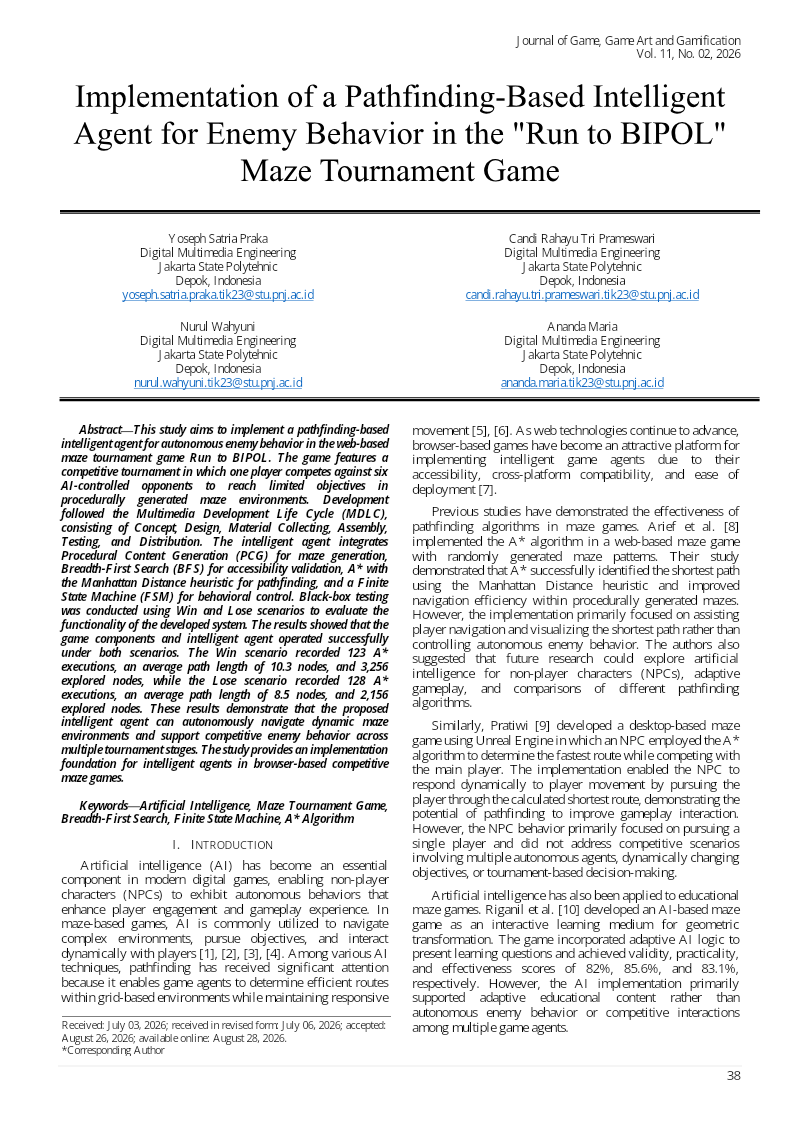
This research addresses the declining engagement of Indonesia’s younger generation with traditional wayang (shadow puppet) culture by proposing a contemporary visual redesign for use in modern digital media. The primary thesis posits that by deforming and stylizing traditional wayang characters to align with modern aesthetic trends and emotional expression standards, these cultural icons can be successfully reintroduced as relevant elements in daily communication, specifically through mobile chat stickers and game applications.
The methodology involves a comparative analysis of existing cultural preservation efforts, followed by the application of psychological frameworks to guide character design. Researchers utilized Daniel Goleman’s eight categories of emotion and Florence Littauer’s four personality types to categorize wayang figures, such as the Pandawa and Punakawan groups. To ensure the visual characters effectively communicate these traits, the study applied Joe Navarro’s research on micro-expressions, mapping specific facial movements—such as eyebrow positioning, eye dilation, and mouth shape—to the stylized puppet forms. The final designs were rendered in vector format to ensure compatibility with digital interface standards and to maintain a consistent visual syntax across different platforms.
The findings demonstrate that modernizing the visual representation of wayang—through simplified forms, contemporary color palettes, and standardized emotional expressions—creates a sustainable tool for cultural reintroduction. By integrating these characters into familiar digital environments like chat applications and adventure games, the research provides a scalable framework for preserving intangible heritage. The study concludes that this approach effectively bridges the gap between traditional Indonesian art and the communication habits of the modern youth, offering a viable model for future cultural digital integration.
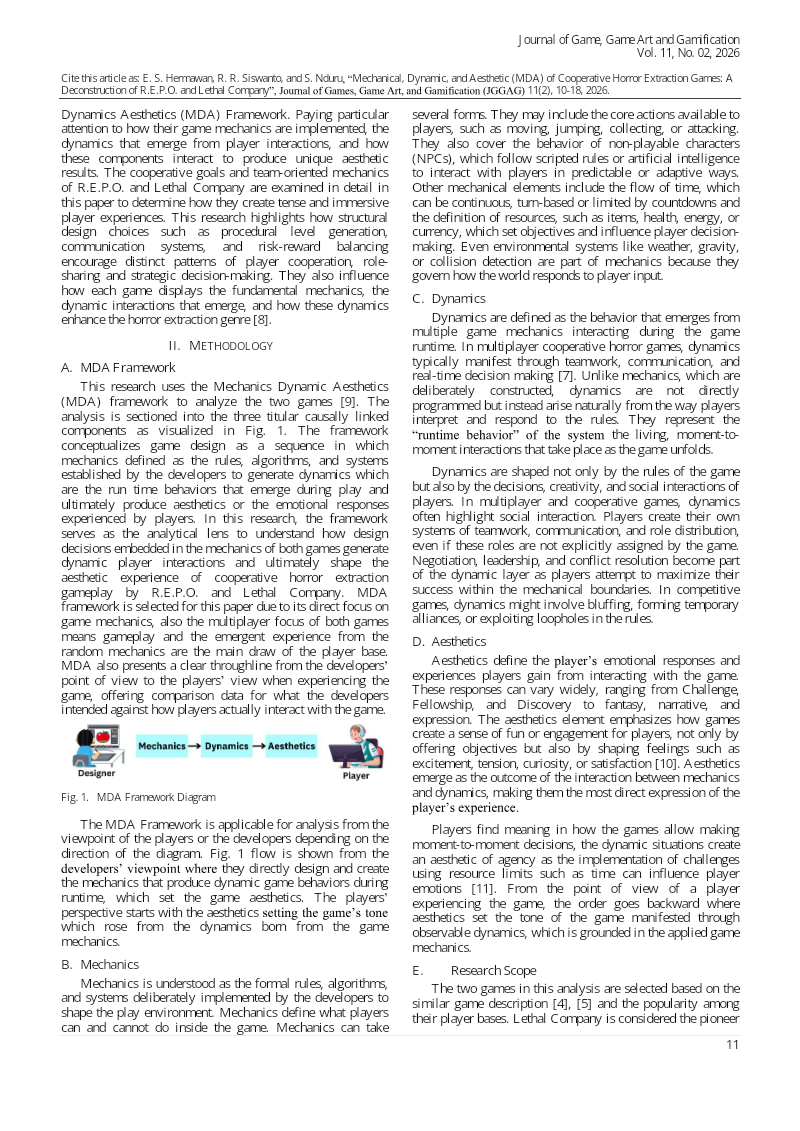
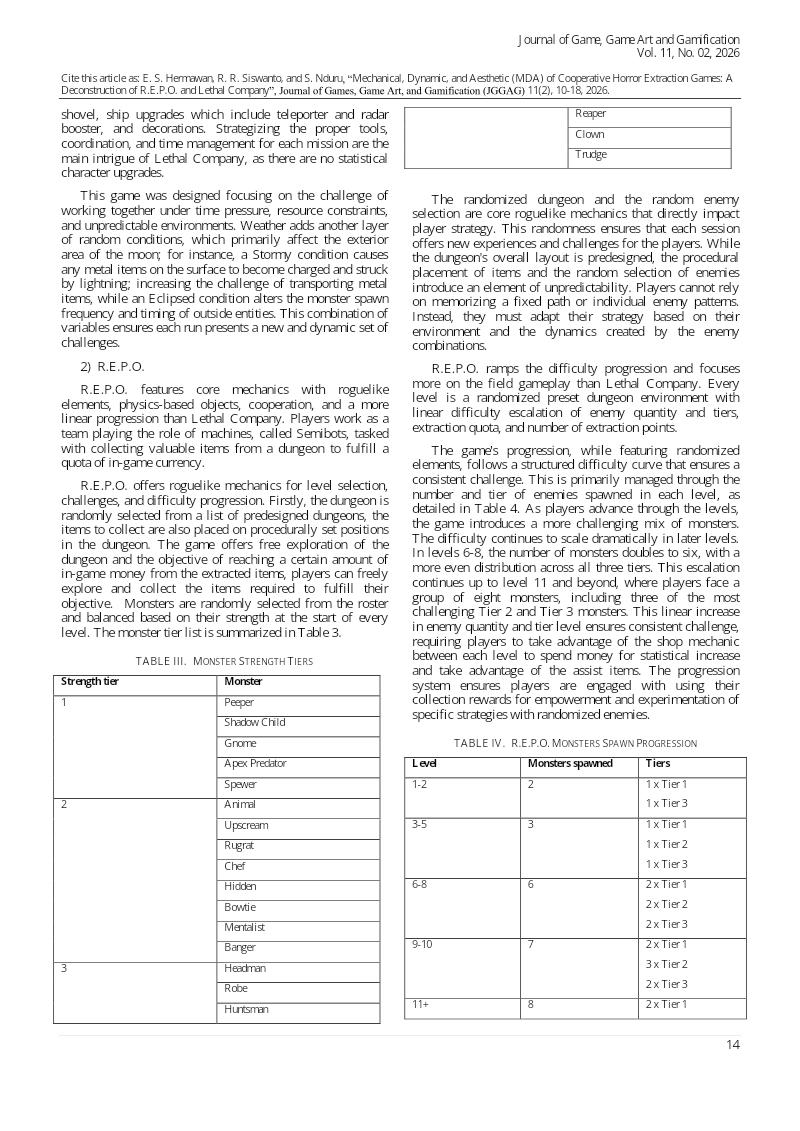
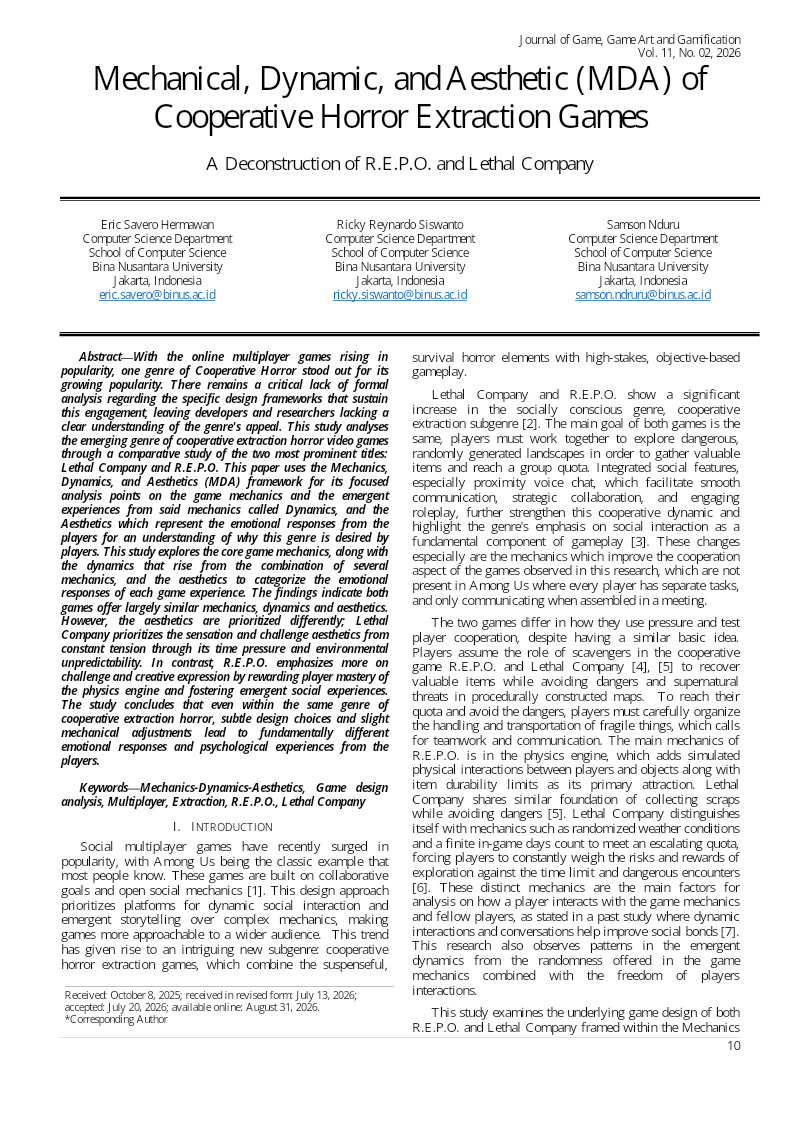
Each row is a game or company this document names, each column a document, oldest first. A mark means that document names it. Select a row to see those documents.
Bina Nusantara University · 2026
Bina Nusantara University · 2025
Bina Nusantara University · 2024
Bina Nusantara University · 2023
Bina Nusantara University · 2023
Bina Nusantara University · 2021
Bina Nusantara University · 2021
Bina Nusantara University · 2021
Bina Nusantara University · 2021
Bina Nusantara University · 2021
Bina Nusantara University · 2021
Journal of Games, Game Art, and Gamification · 2021
Journal of Games, Game Art, and Gamification · 2022