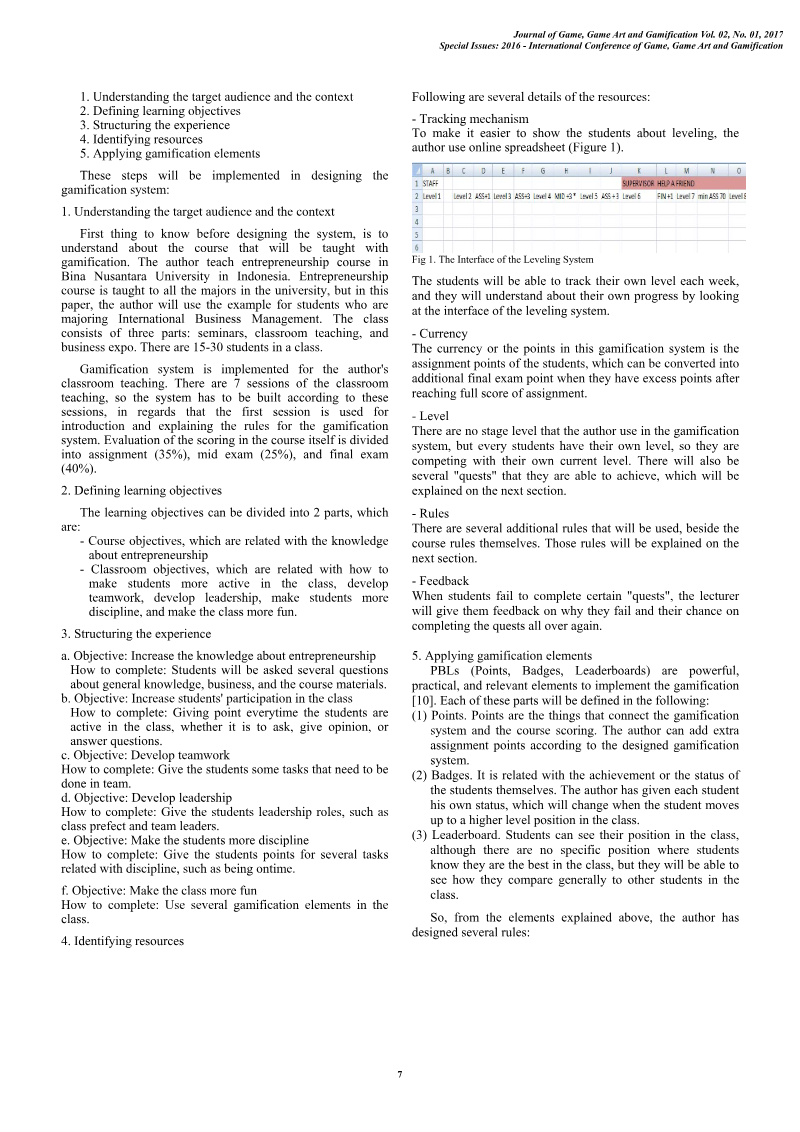
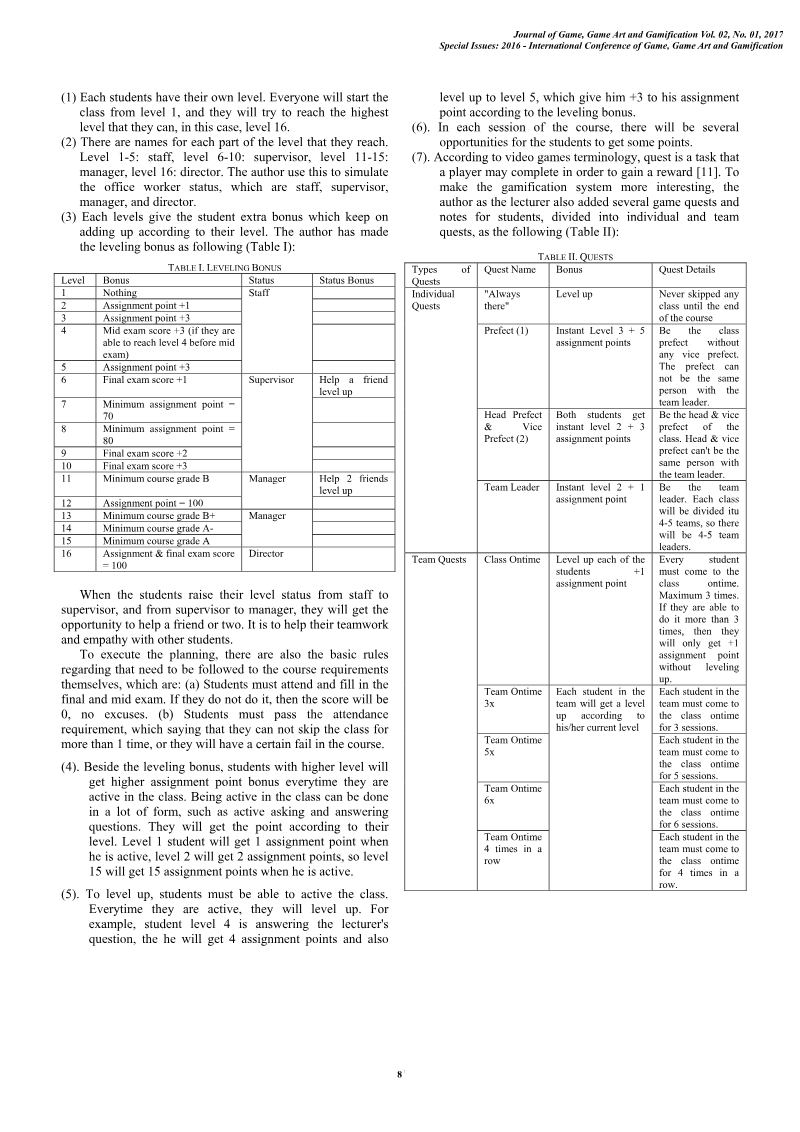
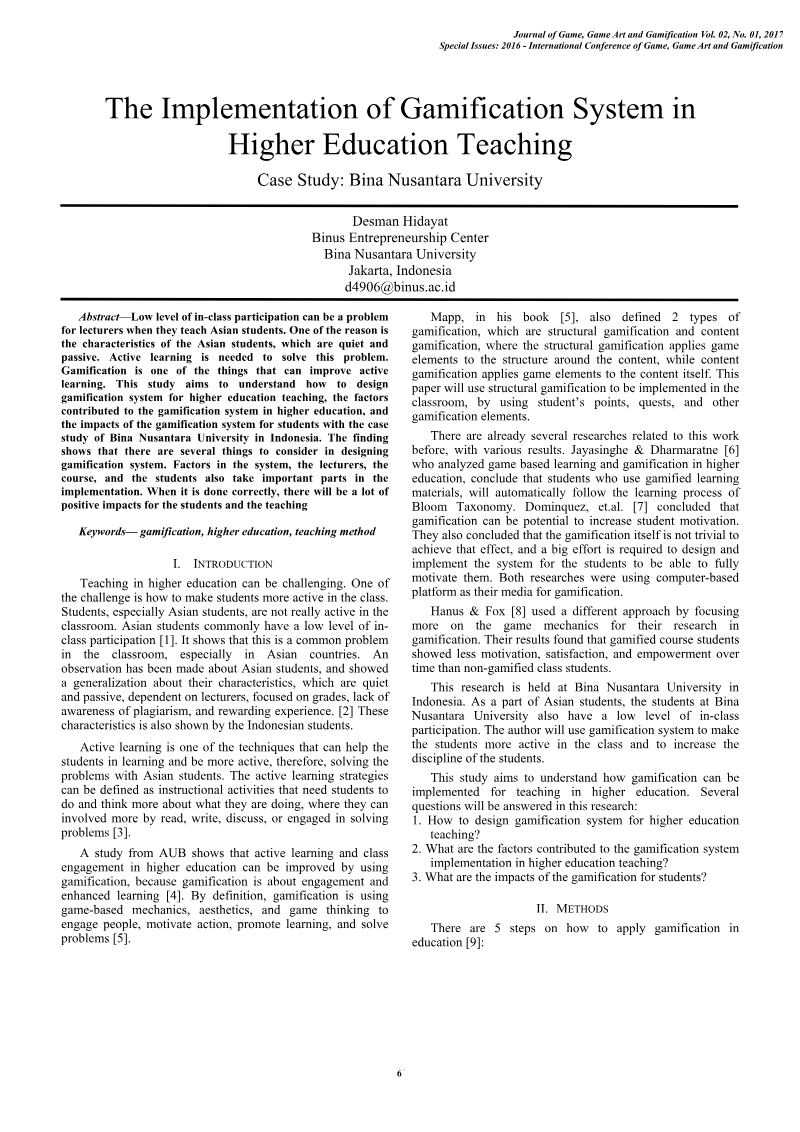
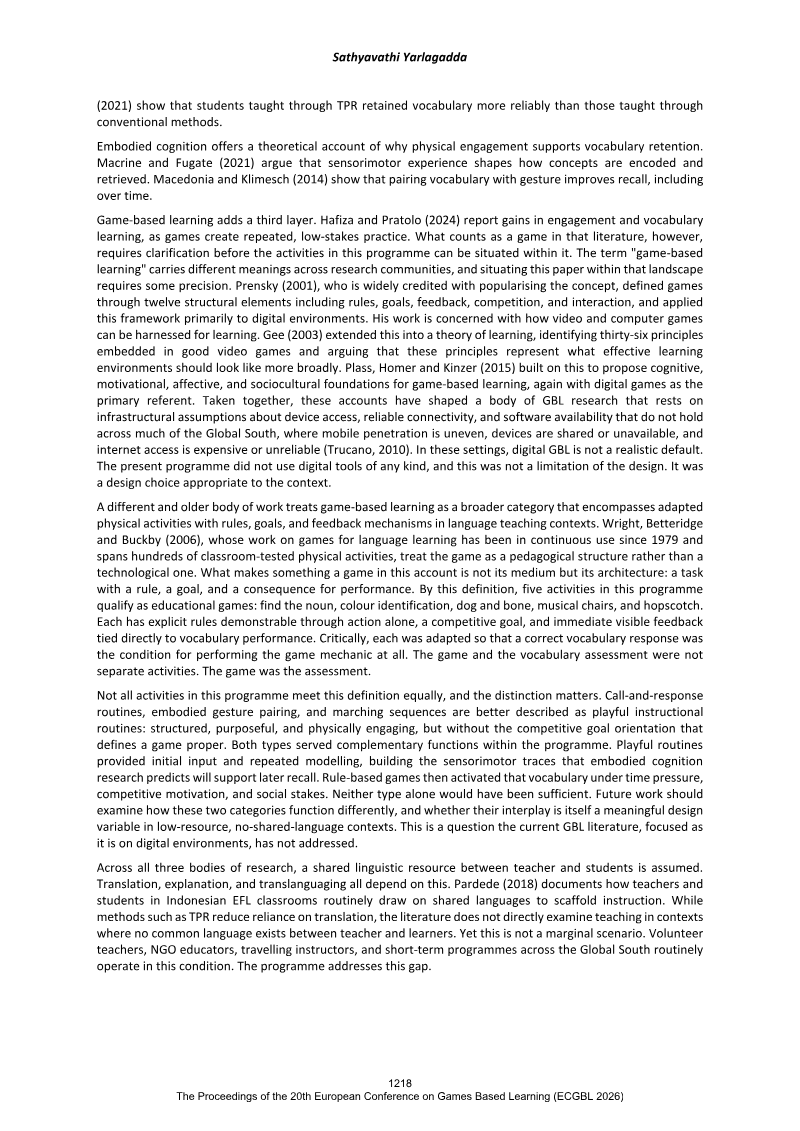
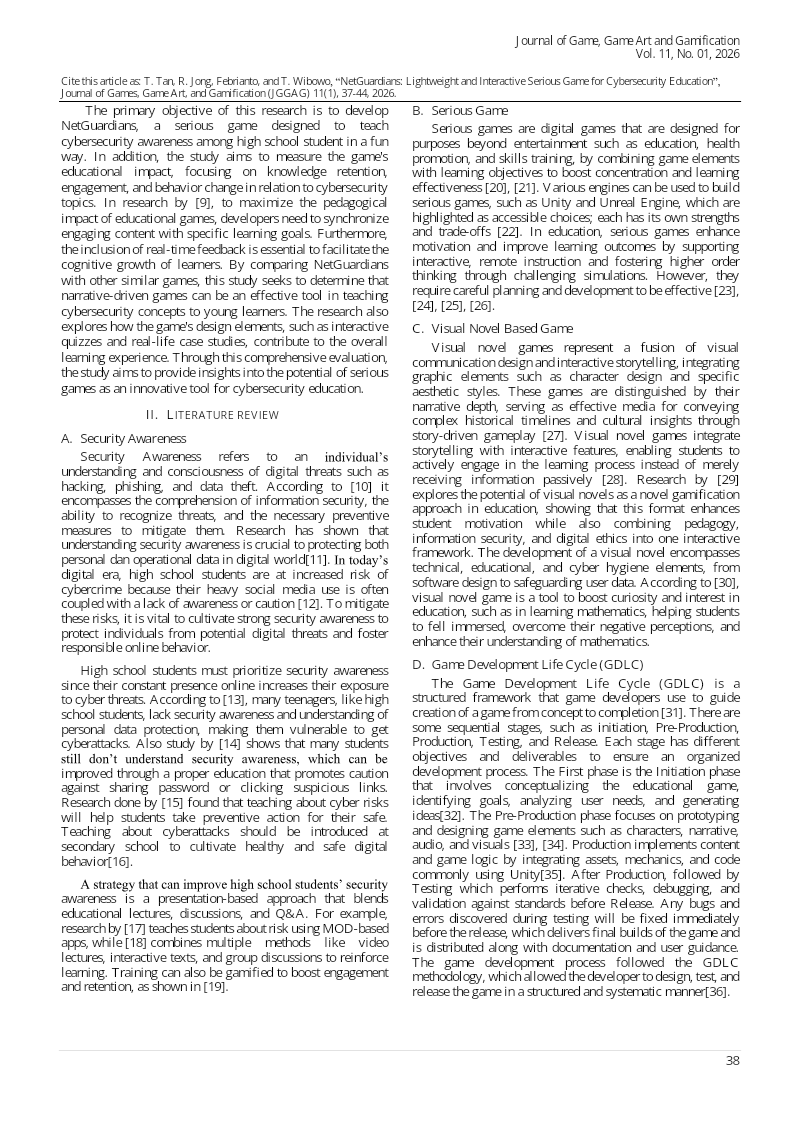
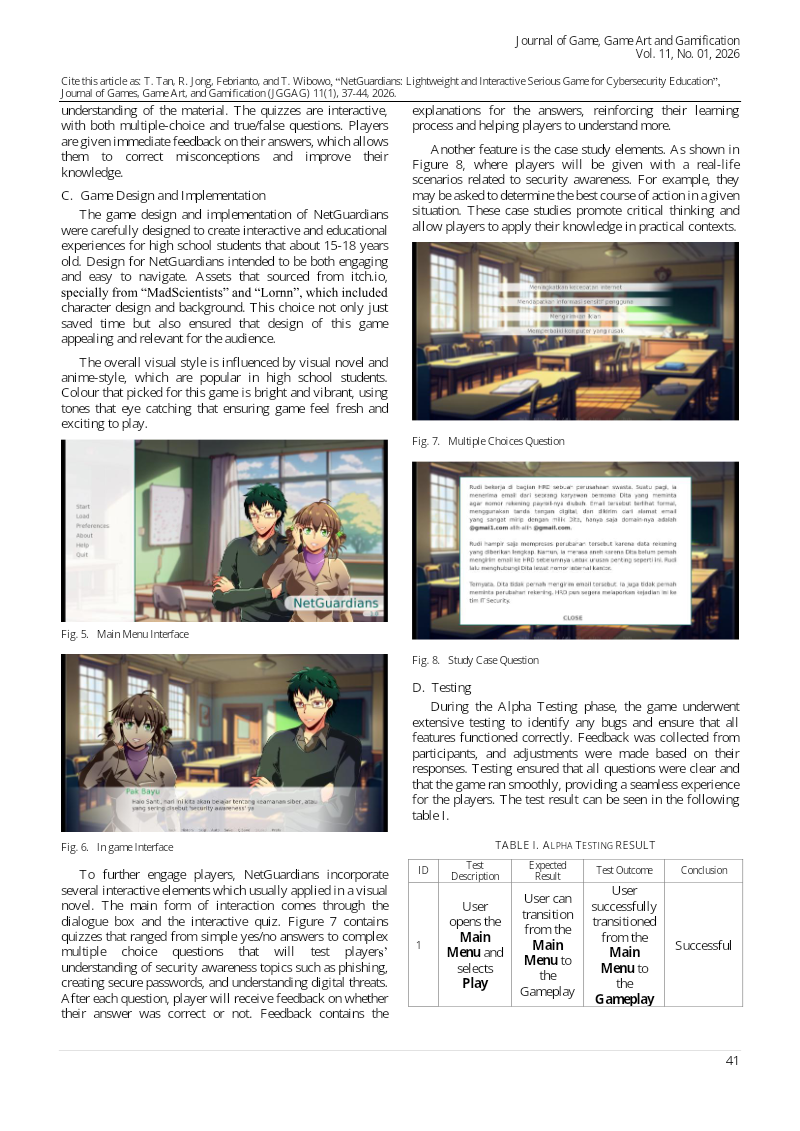
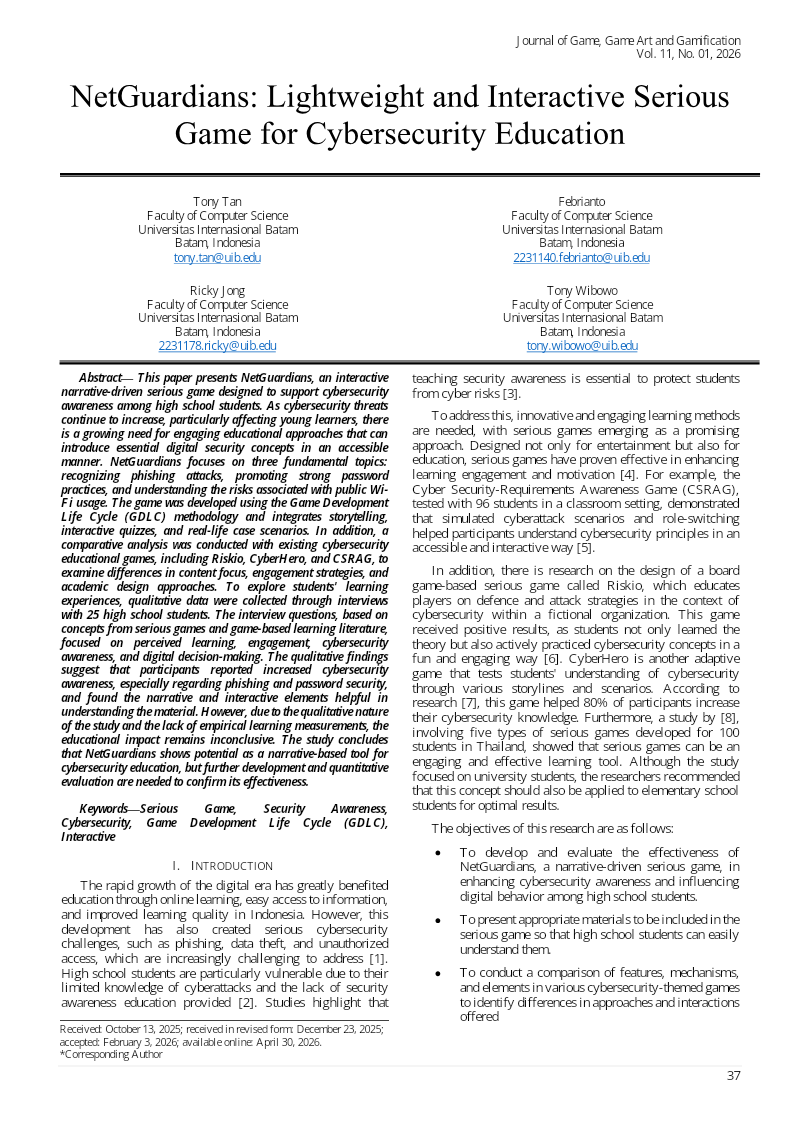
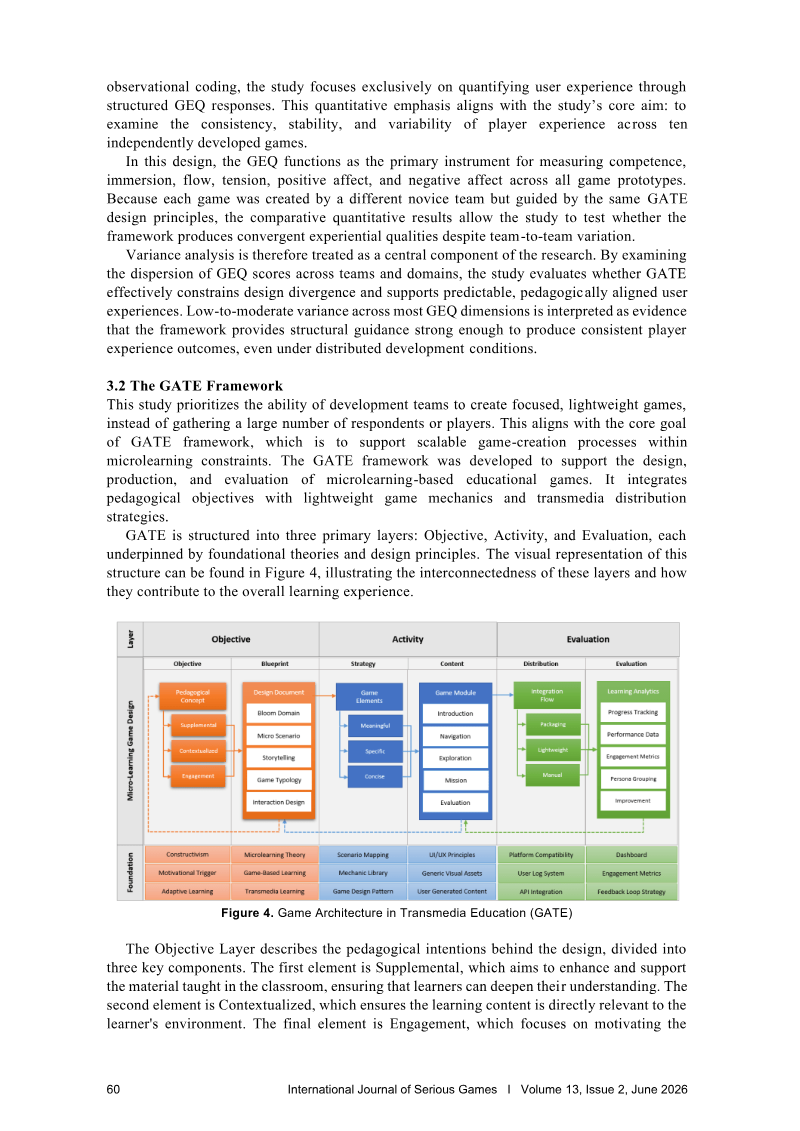
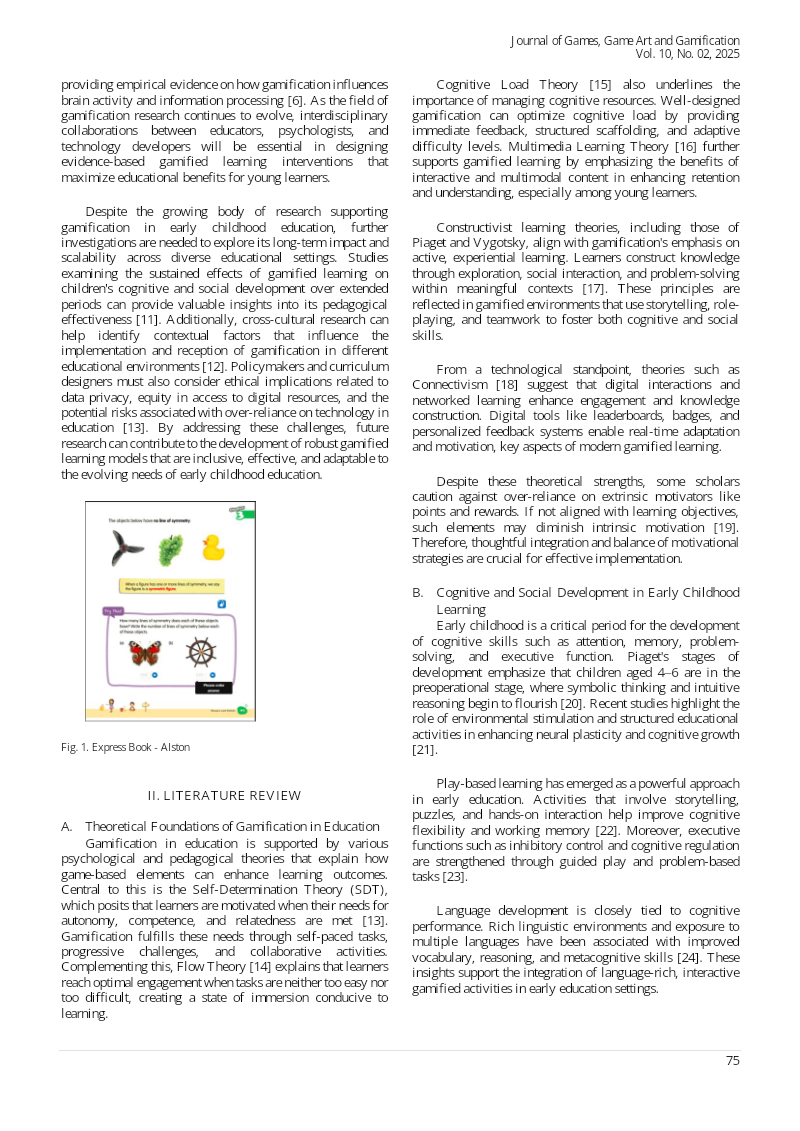
This study addresses the critical lack of public awareness regarding urban forests in Jakarta, Indonesia, by proposing the use of character design in educational games as a social messaging tool. Despite government mandates requiring 40% of the city to be designated as green open space, Jakarta has struggled to meet these targets, with urban forests remaining scarce and largely unrecognized by residents. The research aims to bridge this information gap by creating engaging, anthropomorphic characters that serve as mascots to promote forest conservation and educate the public on the locations and benefits of these green spaces.
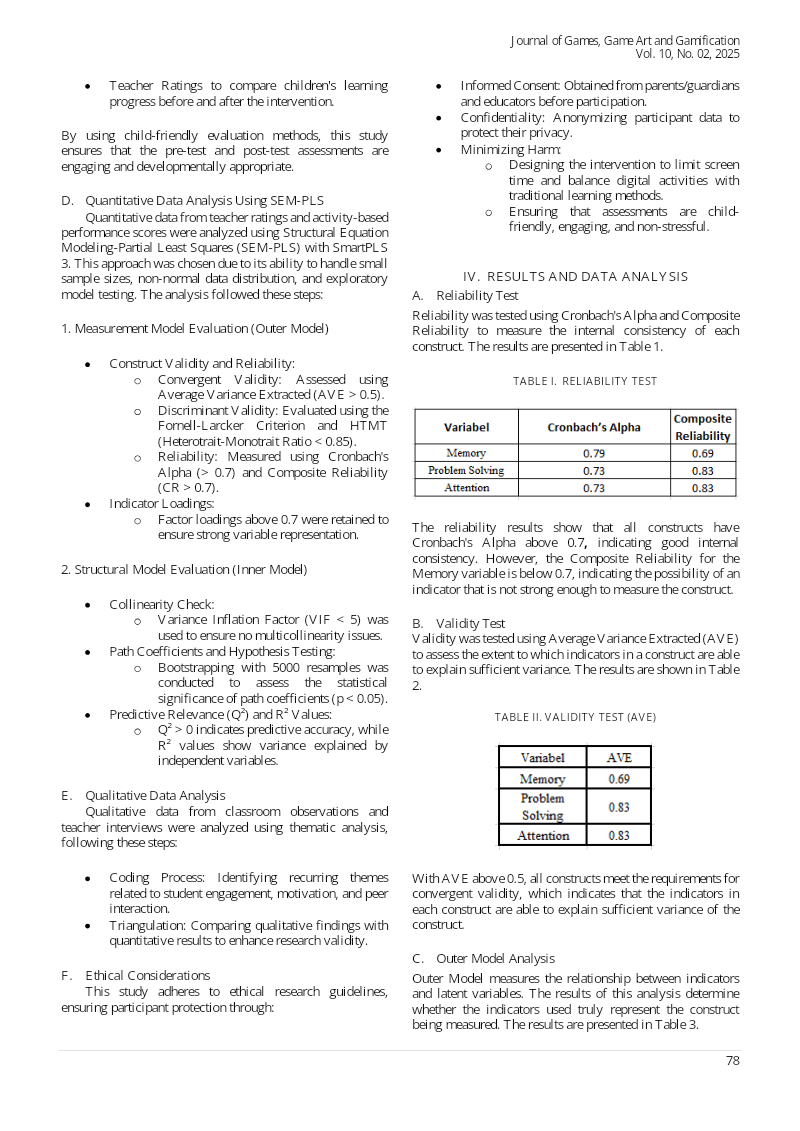
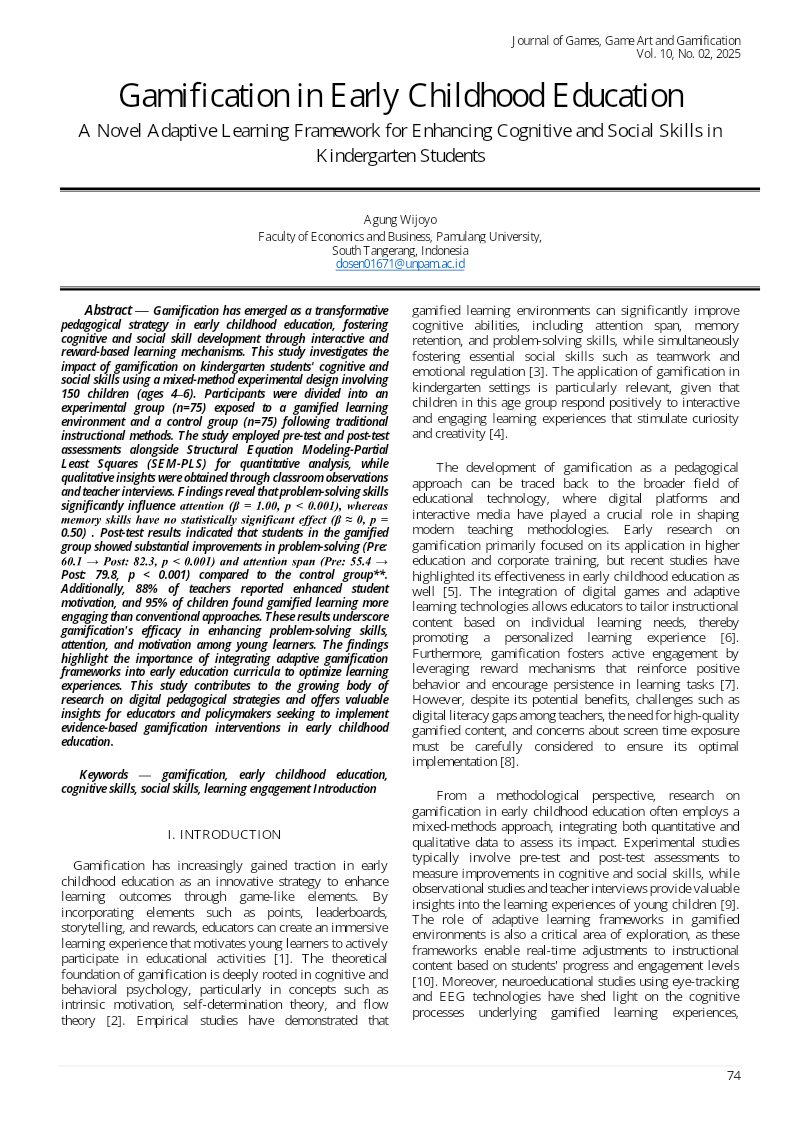
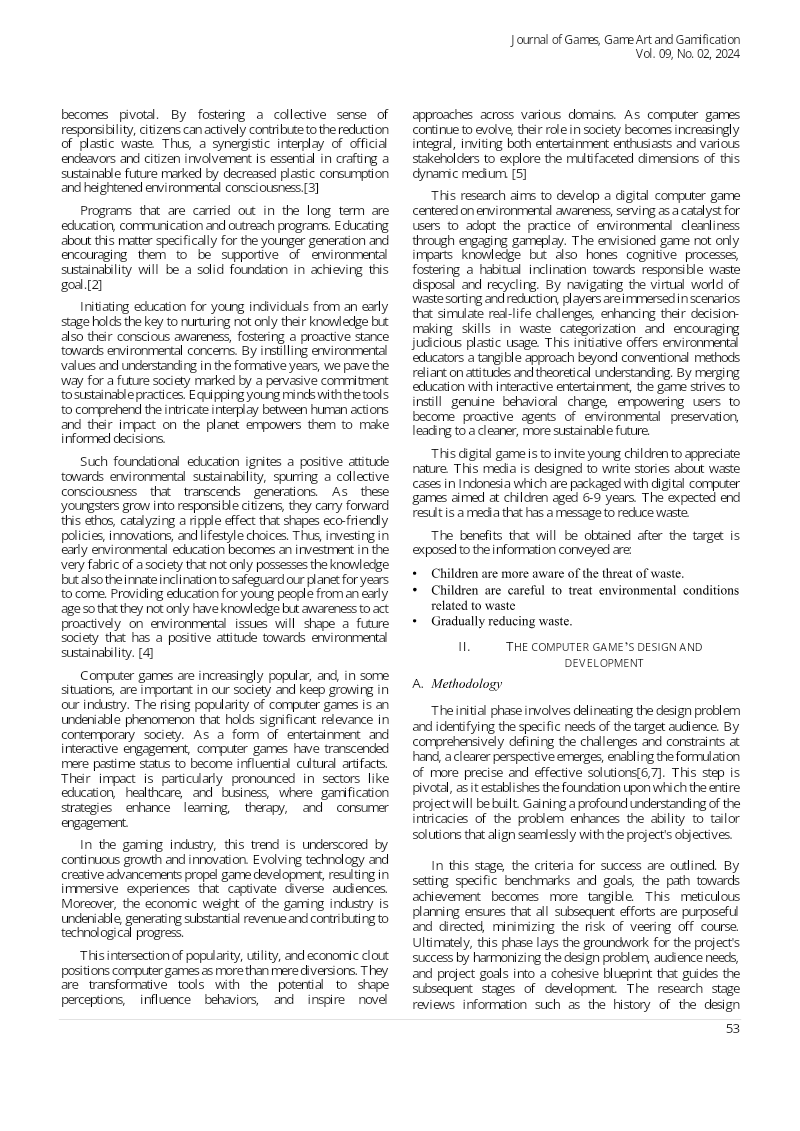
The methodology utilizes the Design Research Methodology (DRM), which encompasses four distinct phases: clarification of research, descriptive study, prescriptive study, and a final descriptive evaluation. The design process focuses on visual communication principles, specifically the use of silhouettes and Gestalt theory to ensure characters are easily recognizable. By synthesizing natural elements—specifically the shapes of leaves—with human facial expressions, the study developed two primary characters, Huti and Syca. These characters are designed to be dynamic, cheerful, and relatable to a target audience of children aged 10 to 12.
The findings conclude that character-driven storytelling is an effective strategy for environmental advocacy. By personifying urban forest elements, the design creates a strong visual identity that can function as a mascot across various media, including games, comics, and merchandise. Ultimately, the research demonstrates that integrating educational content into entertaining game mechanics makes complex social and environmental issues more accessible and appealing to the public, providing a scalable framework for future urban awareness campaigns.