1 free read left. Create a free account for unlimited reading + AI research.
Create free accountWhitepaper European Conference on Games Based Learning (ECGBL)
1 free read left. Create a free account for unlimited reading + AI research.
Create free accountWhitepaperEuropean Conference on Games Based Learning (ECGBL)
It argues it is not necessary.
This practitioner reflection examines whether game-based vocabulary instruction can work when teacher and learners share no common language. Drawing on a one-month English programme with 25 students aged 3.5 to 13 at a training centre in Temanggung, Central Java, the study documents a physically driven approach combining Total Physical Response, embodied cognition, and game-based learning, with no reading, writing, or homework. The author argues that the widely assumed prerequisite of a shared linguistic resource is not necessary for early vocabulary acquisition, and that meaning, motivation, and lexical practice can be sustained through gesture, movement, and play.
The programme's central distinction separates five rule-governed competitive activities, including dog and bone, musical chairs, and hopscotch, from a larger set of playful instructional routines such as call-and-response and embodied pairing. The routines supplied input and repeated modelling, while the games activated vocabulary under time pressure and social stakes. Reported outcomes, based on informal practitioner observation and end-of-programme flashcard tasks testing receptive and productive knowledge, indicate that students moved from minimal baseline English to consistent use of roughly 120 words, with some capacity for opposites and simple sentence frames. Younger learners needed more modelling, while older learners recalled more independently.
The study's scope is narrow: a single teacher, a single site, one month, and no standardised instruments, baseline-to-post quantitative scores, or retention tracking. Its claims therefore rest on structured classroom observation rather than measured learning gains, and the author explicitly calls for longer, multi-site, comparative work. Within those limits, the paper offers a low-resource, replicable activity framework for multilingual and no-shared-language settings, and it argues that the GBL literature, largely focused on digital environments and shared-language assumptions, has overlooked contexts such as volunteer and NGO teaching across the Global South.



European Conference on Games Based Learning (ECGBL) · 2026



European Conference on Games Based Learning (ECGBL) · 2026



European Conference on Games Based Learning (ECGBL) · 2026



European Conference on Games Based Learning (ECGBL) · 2026



European Conference on Games Based Learning (ECGBL) · 2026



European Conference on Games Based Learning (ECGBL) · 2026



European Conference on Games Based Learning (ECGBL) · 2026



European Conference on Games Based Learning (ECGBL) · 2026



European Conference on Games Based Learning (ECGBL) · 2026



European Conference on Games Based Learning (ECGBL) · 2026



European Conference on Games Based Learning (ECGBL) · 2026



European Conference on Games Based Learning (ECGBL) · 2026
European Conference on Games Based Learning (ECGBL) · 2026
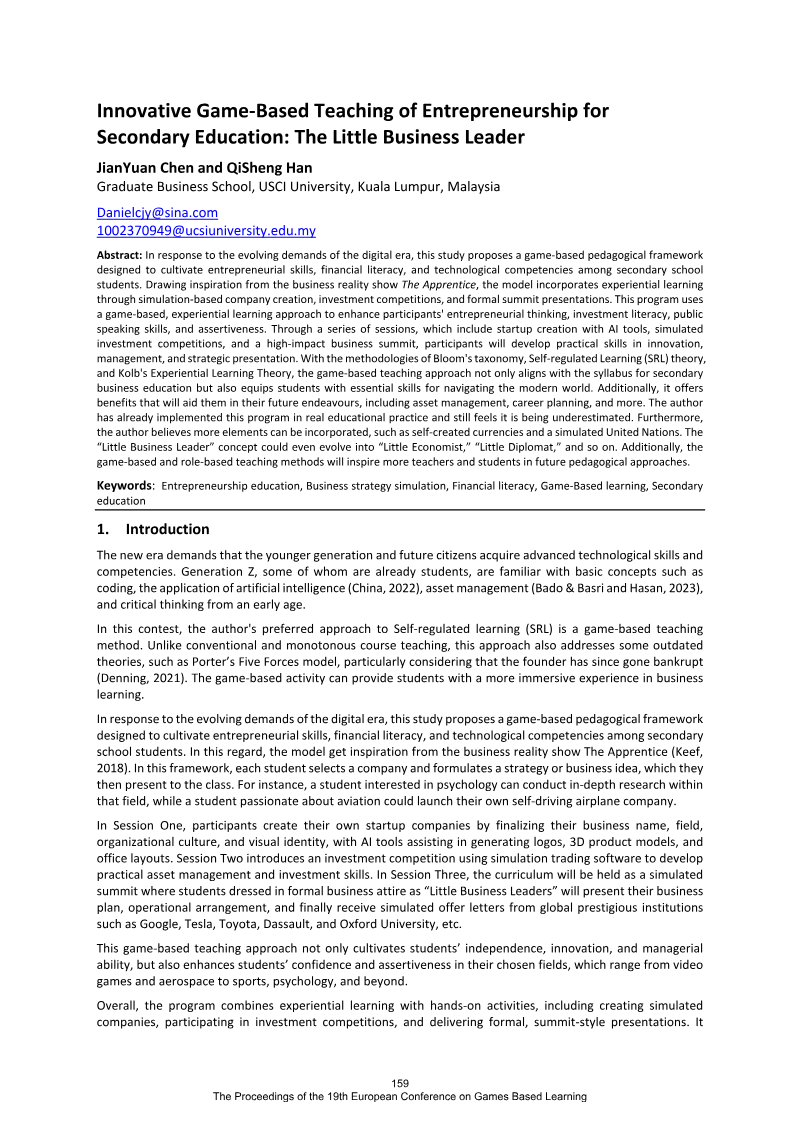
European Conference on Games Based Learning (ECGBL) · 2025
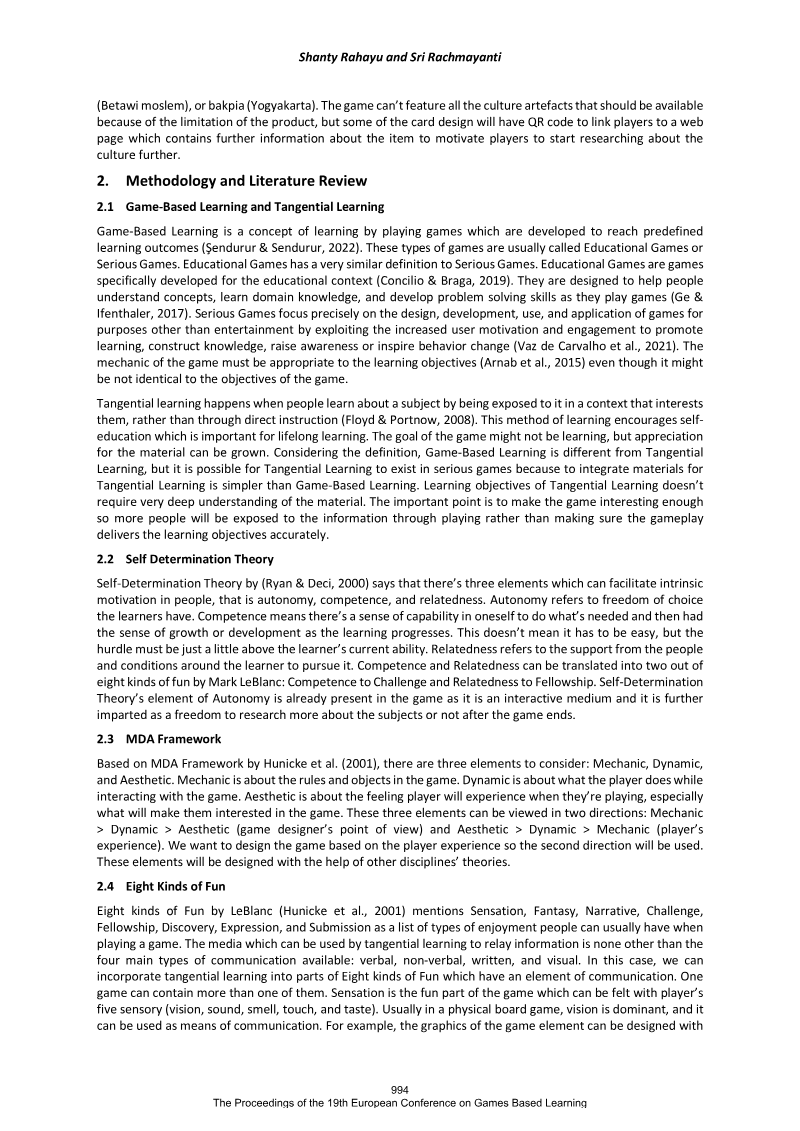
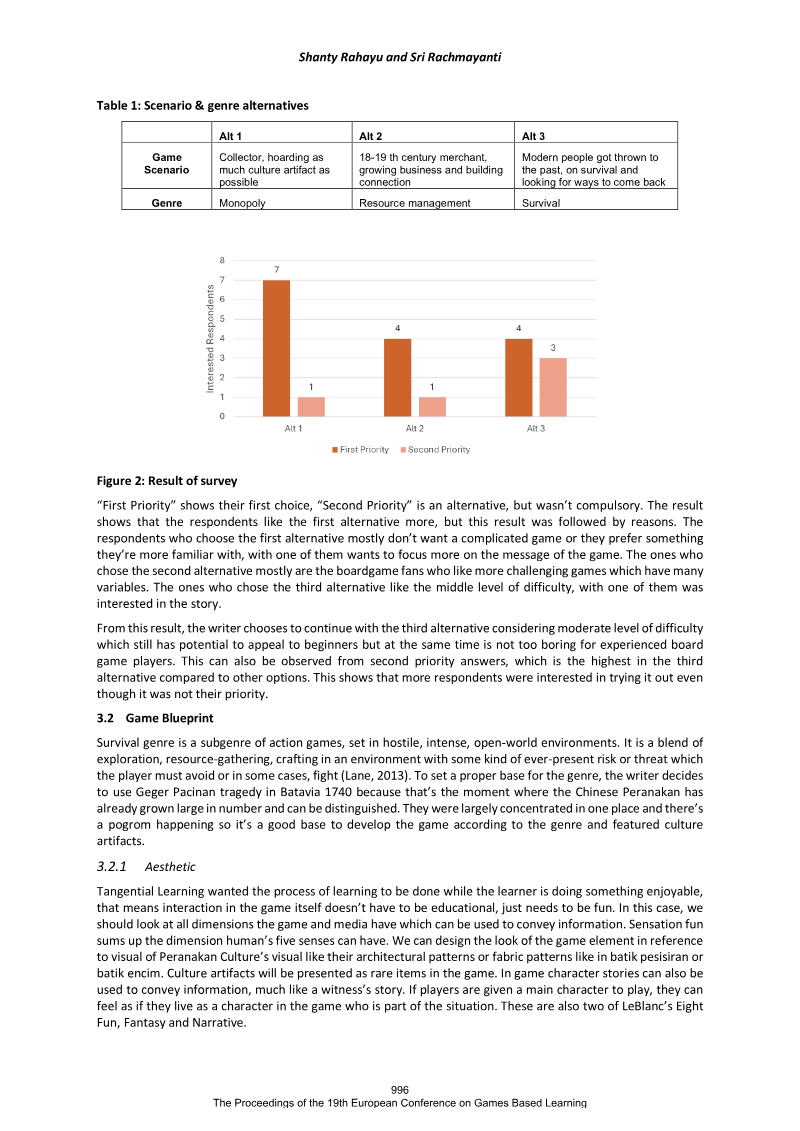
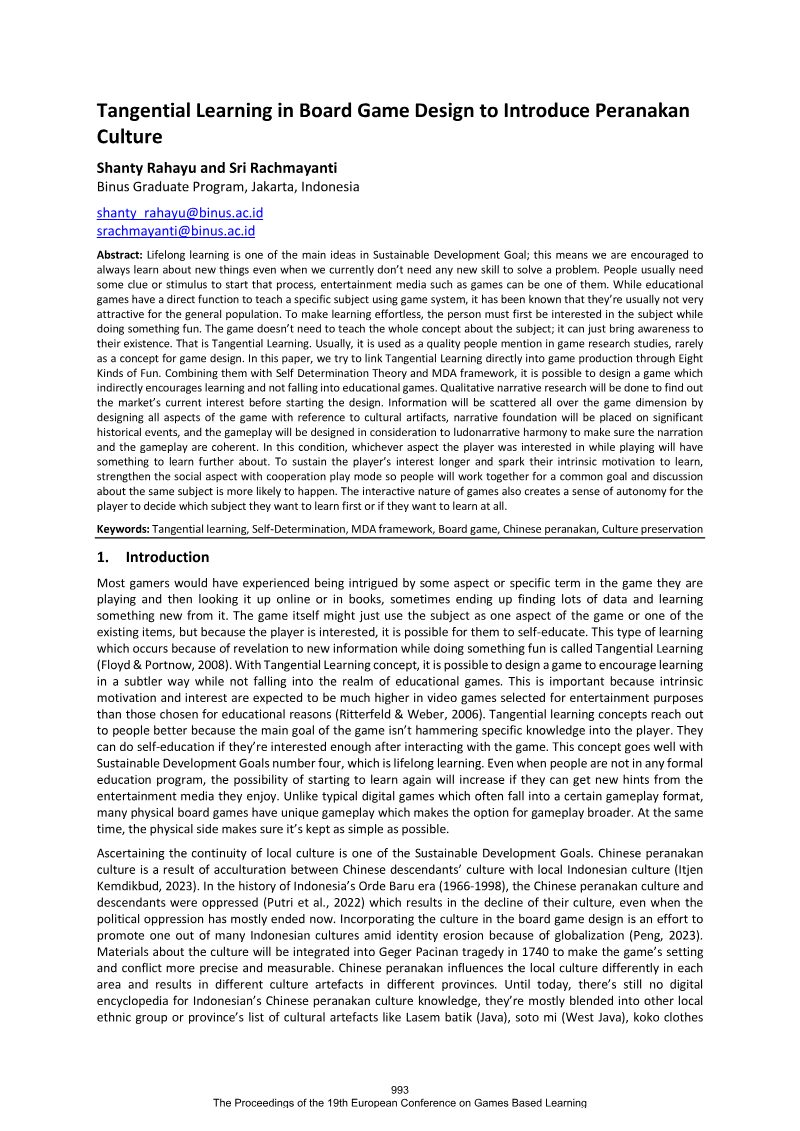
European Conference on Games Based Learning (ECGBL) · 2025