1 free read left. Create a free account for unlimited reading + AI research.
Create free accountReport Japanese Association for Role-Playing Game Studies (JARPS)
1 free read left. Create a free account for unlimited reading + AI research.
Create free accountReportJapanese Association for Role-Playing Game Studies (JARPS)
Distilling the key insights…
This report examines the implementation of Google’s AI service, NotebookLM, as a participant support tool for live-action role-playing (LARP) events in Japan. Specifically, the study analyzes its deployment during the 2025 events Quest of Labyrinth and Grand Cross Crusade. The primary objective is to evaluate how AI can alleviate the operational burden on small-scale event organizers while simultaneously enhancing the participant experience by facilitating easier access to complex world-building information, rule sets, and character creation guidelines.
The methodology involved uploading event-specific documentation—including rulebooks, setting materials, and FAQ lists—into NotebookLM to create a closed, reliable knowledge base. Organizers provided participants with access via Discord, encouraging its use for real-time rule clarification and world-building inquiries. Data collected through participant surveys and operational analysis indicates that the tool successfully reduced the volume of basic inquiries handled by staff by approximately 40% to 70%. This reduction allowed organizers to focus on high-level event management and interpersonal interaction. Participants reported increased satisfaction due to the ability to resolve queries independently, even during off-hours, which lowered the psychological barrier for newcomers to engage with the event.
Despite these benefits, the study identifies significant limitations, including the tool's inability to interpret nuanced or context-dependent situations, its reliance on stable internet connectivity, and potential disparities in user IT literacy. Furthermore, the accuracy of responses remains strictly dependent on the quality and structure of the source documents provided. The findings conclude that while AI serves as a powerful, cost-effective support mechanism for resource-constrained organizers, it functions best as a complement to, rather than a replacement for, human facilitation. Future improvements should focus on optimizing document structure, refining prompt engineering, and integrating offline access to ensure consistent support across diverse event environments.
Each row is a game or company this document names, each column a document, oldest first. A mark means that document names it. Select a row to see those documents.
Japanese Association for Role-Playing Game Studies (JARPS) · 2025
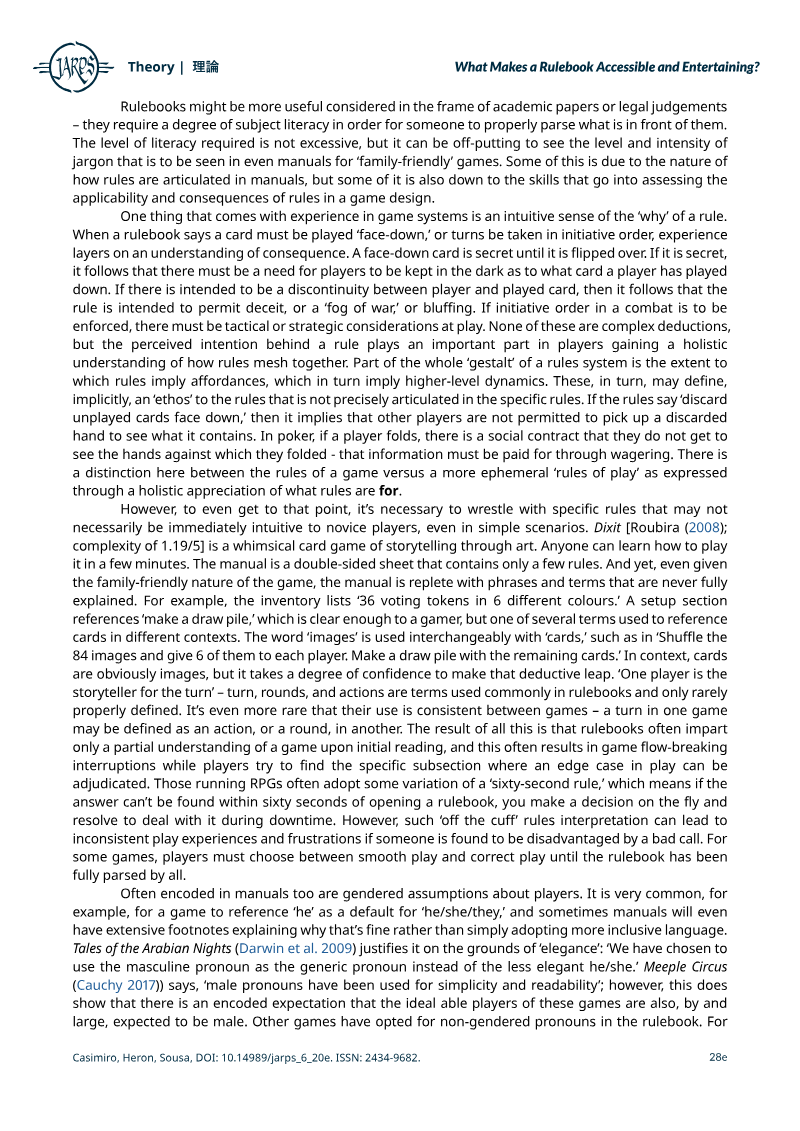
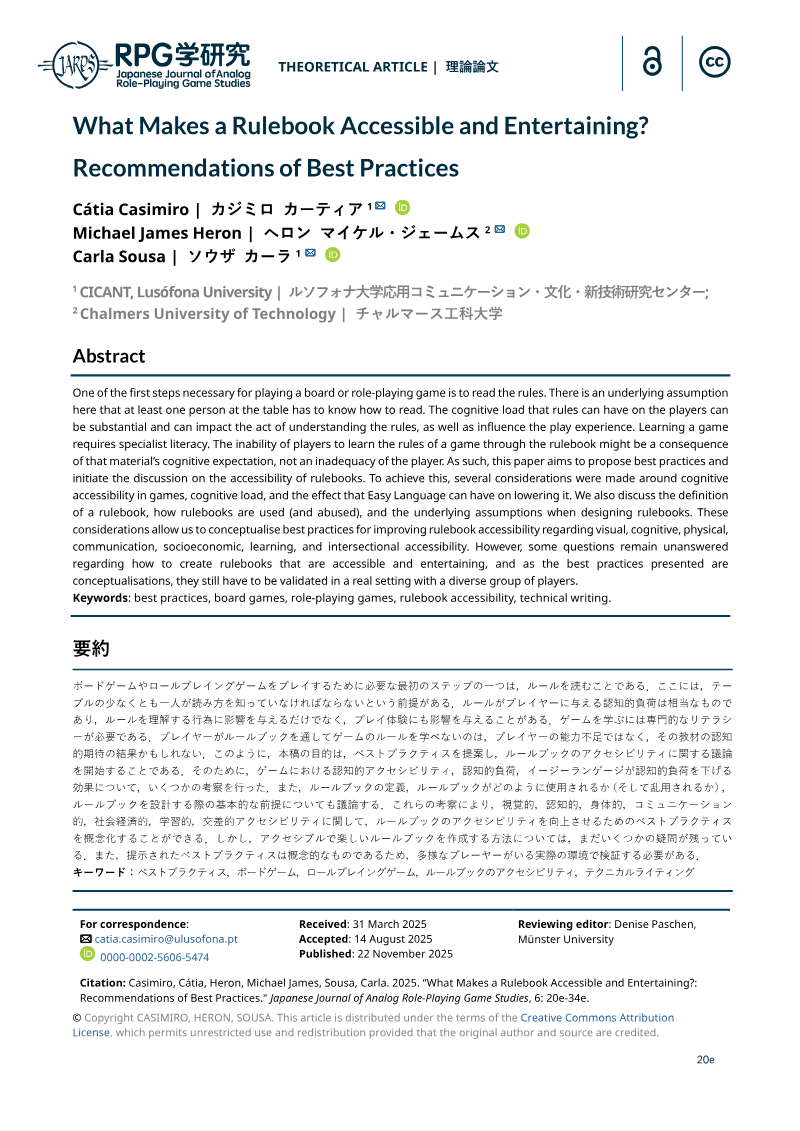
Japanese Association for Role-Playing Game Studies (JARPS) · 2025
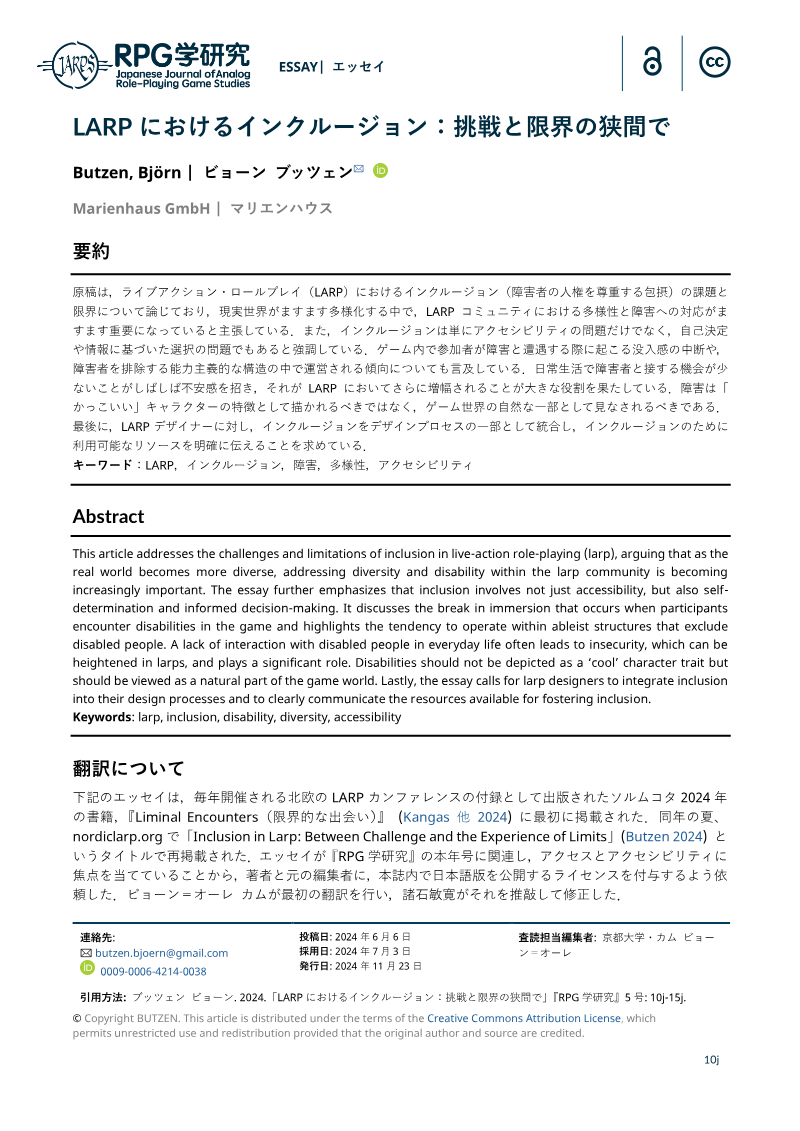
Japanese Association for Role-Playing Game Studies (JARPS) · 2024
Japanese Association for Role-Playing Game Studies (JARPS) · 2024
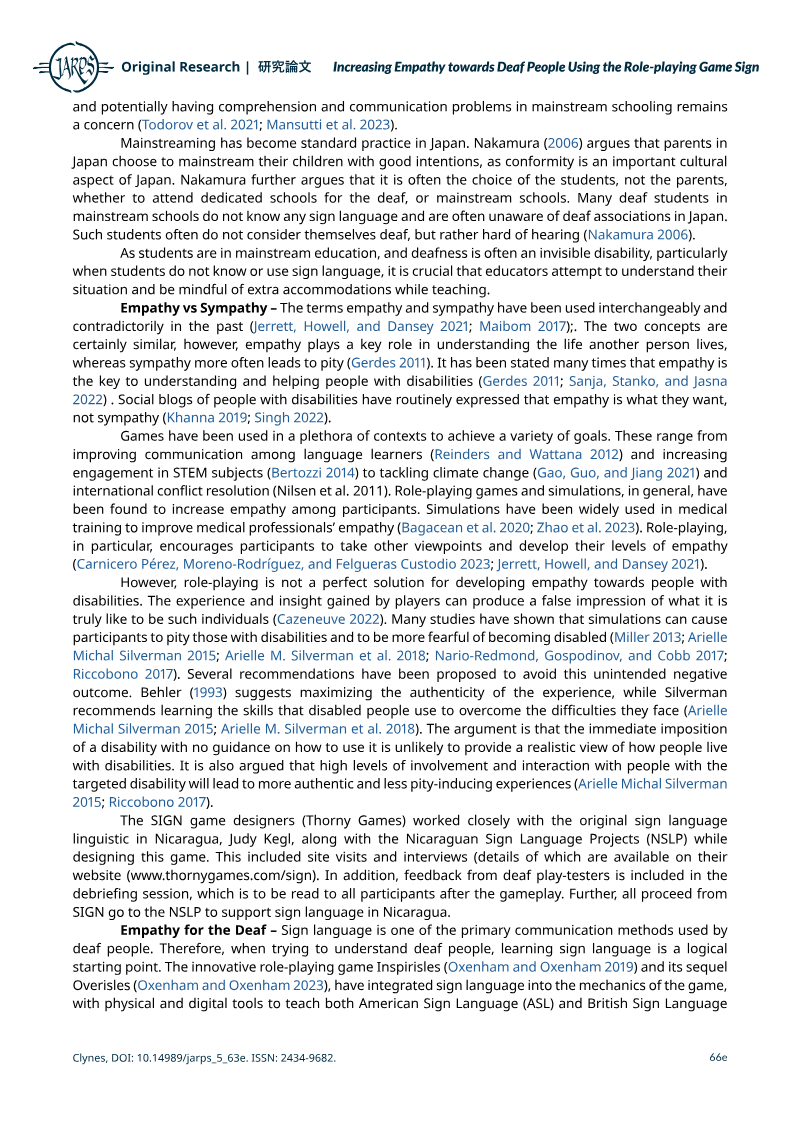
Japanese Association for Role-Playing Game Studies (JARPS) · 2024
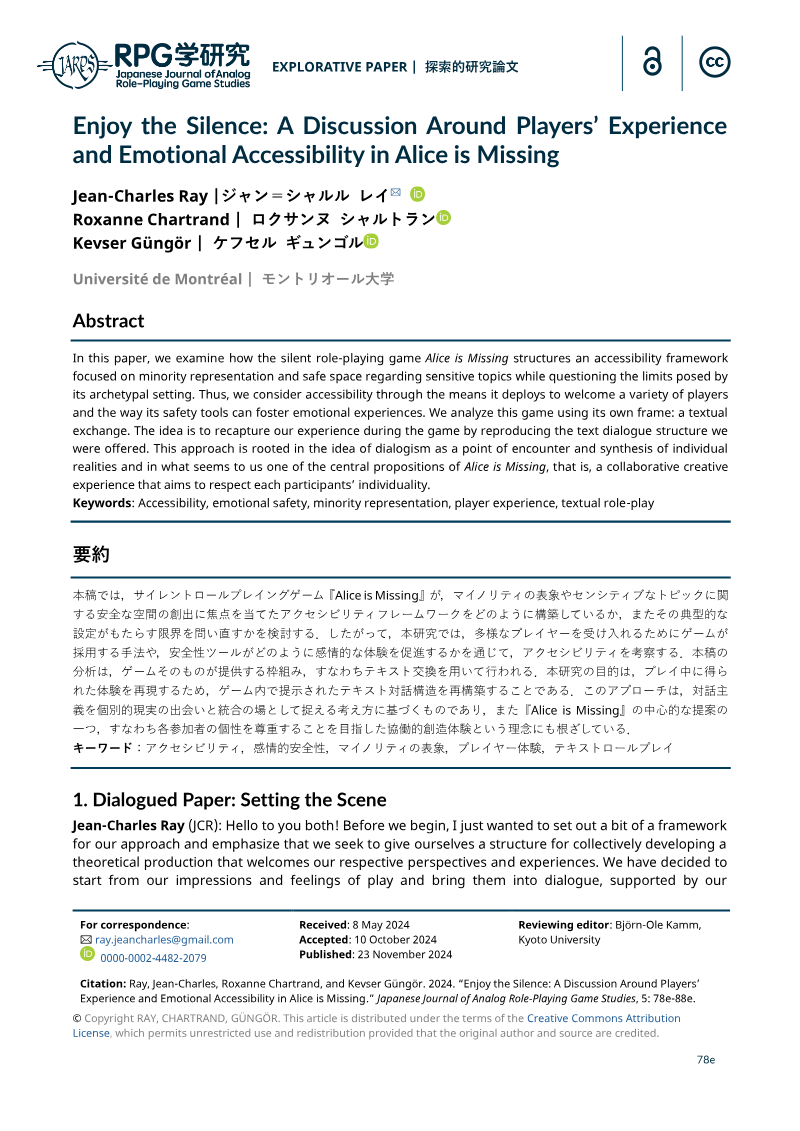
Japanese Association for Role-Playing Game Studies (JARPS) · 2024
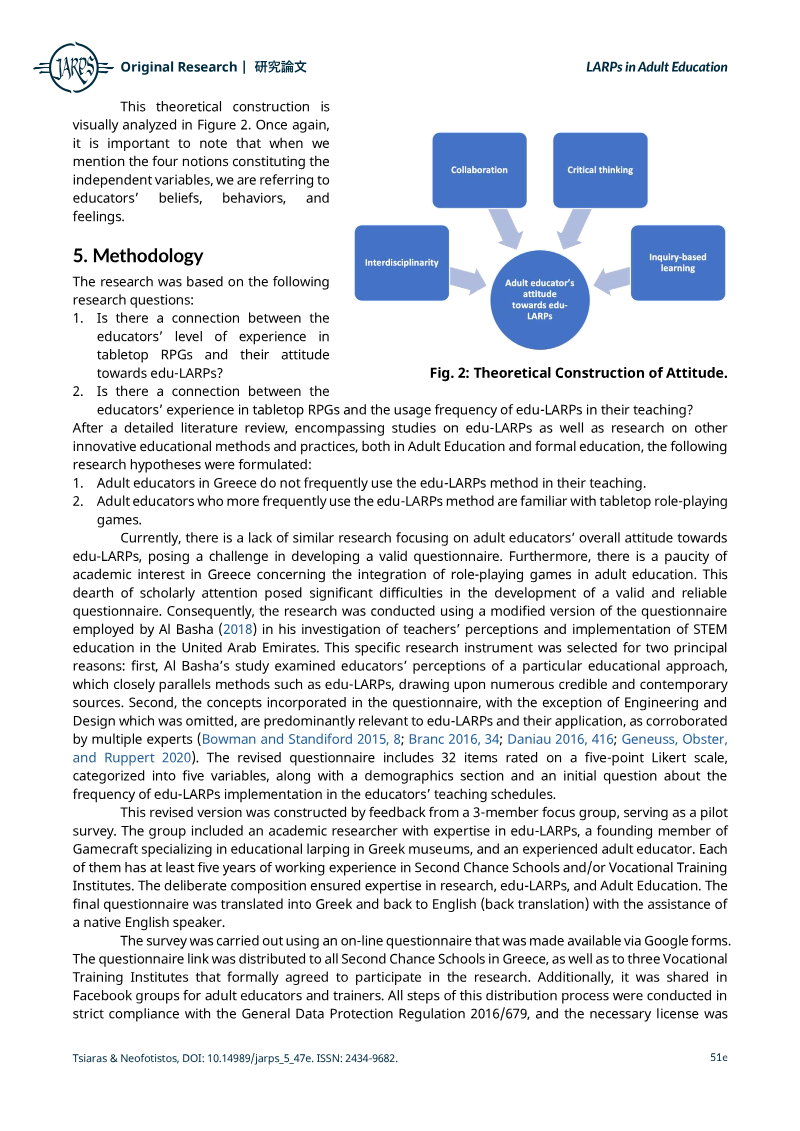
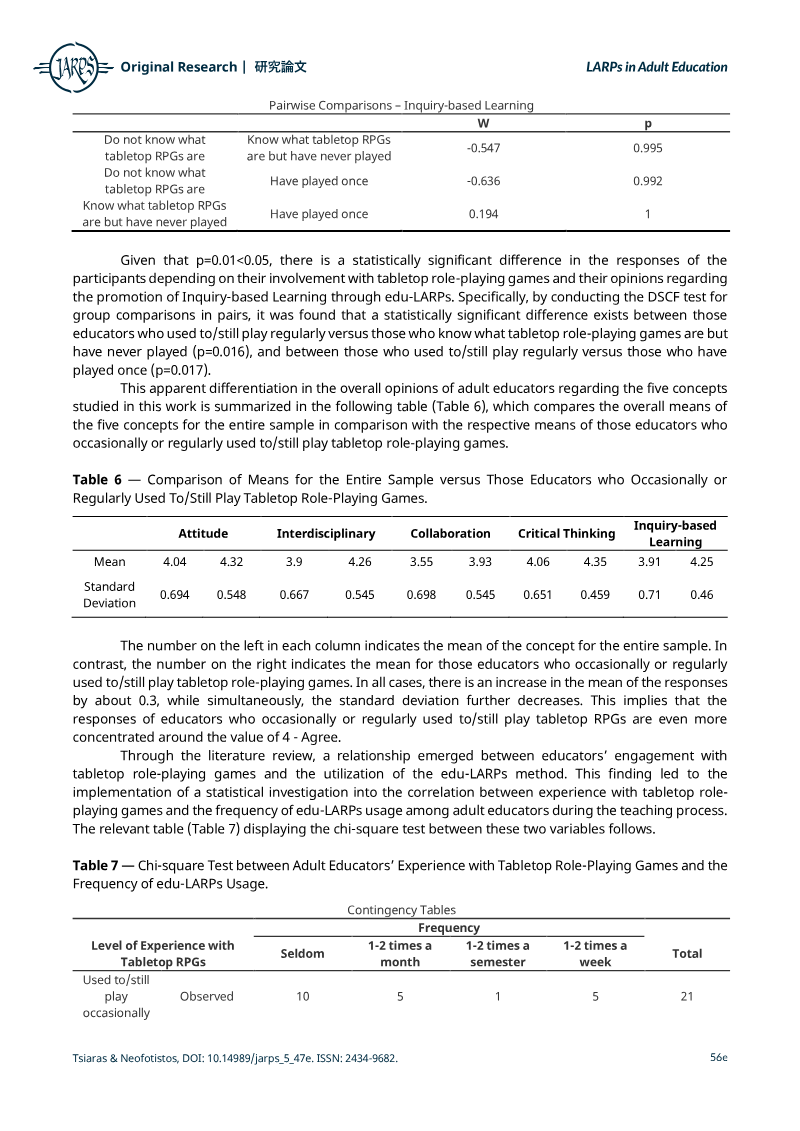
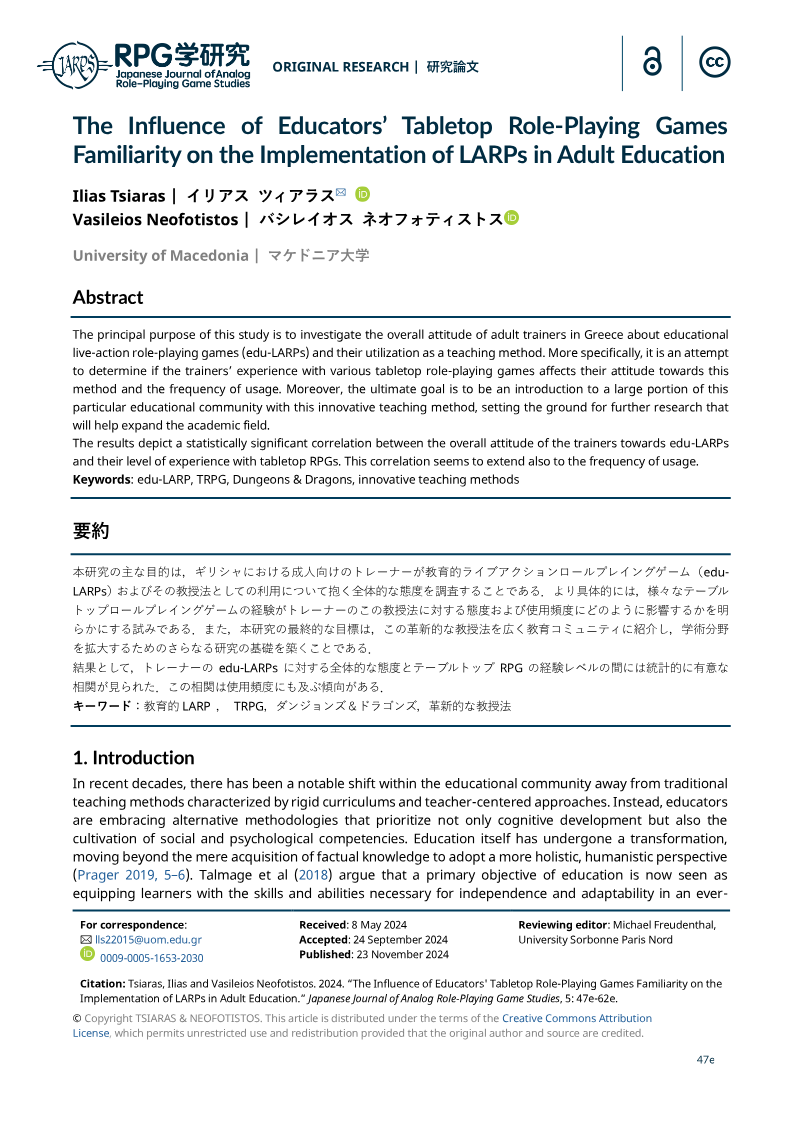
Japanese Association for Role-Playing Game Studies (JARPS) · 2024
Japanese Association for Role-Playing Game Studies (JARPS) · 2024
Japanese Association for Role-Playing Game Studies (JARPS) · 2024
Japanese Association for Role-Playing Game Studies (JARPS) · 2024
Japanese Association for Role-Playing Game Studies (JARPS) · 2024
Japanese Association for Role-Playing Game Studies (JARPS) · 2023
European Conference on Games Based Learning (ECGBL) · 2026