The top five titles in the 4X strategy market capture 50% of total industry revenue.
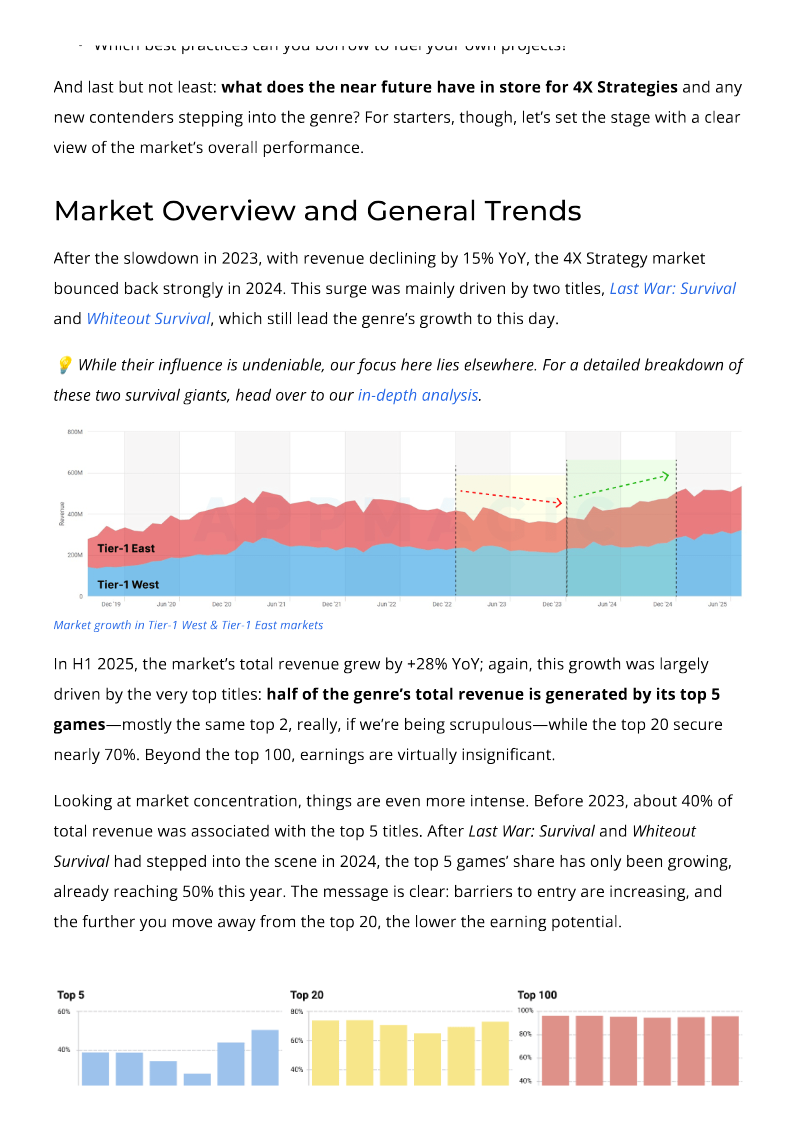
An immediate monetization model uses high-frequency offers and gameplay friction. A gradual approach prioritizes long-term trust and narrative immersion.
It's like choosing between a quick sale or building a loyal customer base over time.
This lifecycle—early, middle, and late—synchronizes player progression with revenue-generating mechanics. It ensures micro-transactions feel like organic parts of the daily gameplay loop.
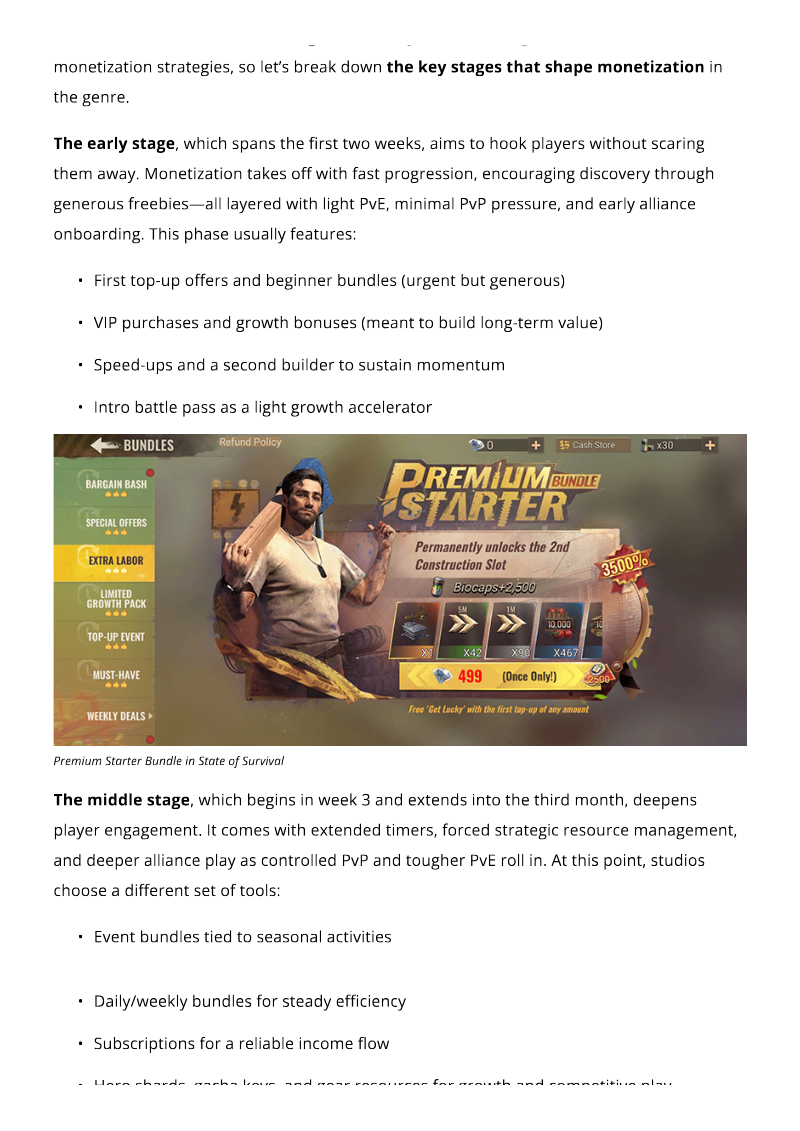
These systems are designed to make micro-transactions feel like organic parts of the gameplay loop. They link financial mechanics directly to core progression.
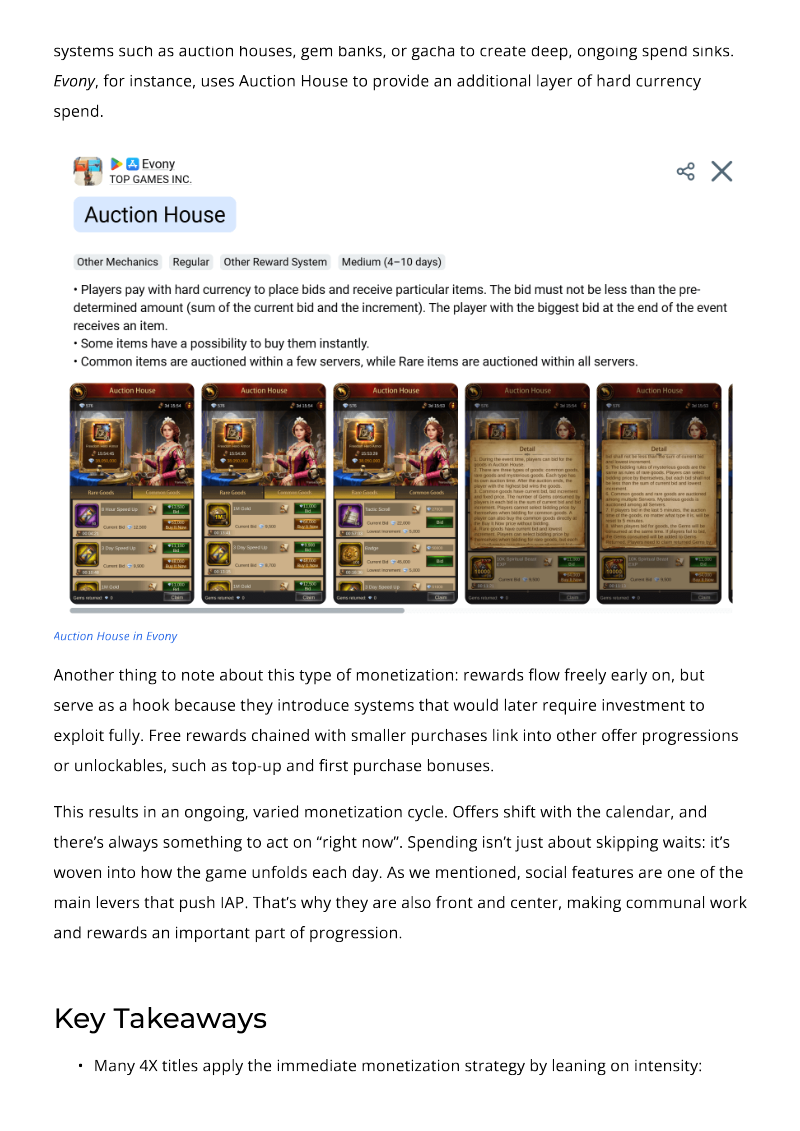
The 4X strategy genre currently operates as a highly concentrated and lucrative market, where the top five titles command half of all industry revenue. As barriers to entry continue to rise, developers must navigate a complex landscape by adopting one of two primary monetization philosophies. The immediate monetization model focuses on establishing spending habits early through high-frequency offers, dense user interfaces, and constant gameplay friction. Conversely, the gradual monetization approach prioritizes long-term player trust and narrative immersion, delaying aggressive spending prompts until a deeper commitment to the game is established.
Regardless of the chosen philosophy, successful titles utilize a three-stage lifecycle—early, middle, and late—to synchronize player progression with revenue generation. These games integrate sophisticated systems such as dual-currency shops, customizable bundles, and monetized login calendars to ensure that micro-transactions feel like organic, choice-driven components of the daily gameplay loop. By linking these financial mechanics directly to core progression, developers effectively convert sustained engagement into consistent revenue streams.
Looking toward the future of the genre in 2025, the market demands an evolution of traditional formulas. Success now requires studios to blend core 4X mechanics with adjacent genres while innovating in endgame social features. To remain competitive, developers must move beyond legacy models, balancing the transparency of their monetization strategies with the need for prestige-oriented engagement. Ultimately, the ability to adapt proven financial frameworks to current player expectations and market realities serves as the primary determinant for long-term viability in this high-stakes sector.