Second Dinner
CompanyUnited States · Founded 2018
Second Dinner is an independent game development studio headquartered in Irvine, California, operating primarily as a remote-first company across the United States. The studio developed Marvel Snap, which received recognition at The Game Awards, DICE Awards, and earned an Apple Design Award for Innovation.
Connections
Each row is a game or company named alongside Second Dinner, each column a document, oldest first. A mark means that document names it. Select a row to see those documents.
About the company
- Founded
- 2018
- Country
- United States
Company data from IGDB.com
Key figures from the reports
Second Dinner is scaling operations following a $100 million funding round to support the long-term growth of Marvel Snap, including expansion into the Chinese market and enhanced PC support.
Deconstructor of Fun, 2024 · Kress's Corner with Second Dinner's Matt Wyble, the creators of Marvel Snap, p. 1
Developed by Second Dinner with a $30 million investment from NetEase, the game utilizes a fast-paced, three-to-five-minute match structure to compete in the mobile card game market.
Game World Observer, 2022 · Marvel Snap Tops $2 Million in First-Week Revenue
Documents about Second Dinner
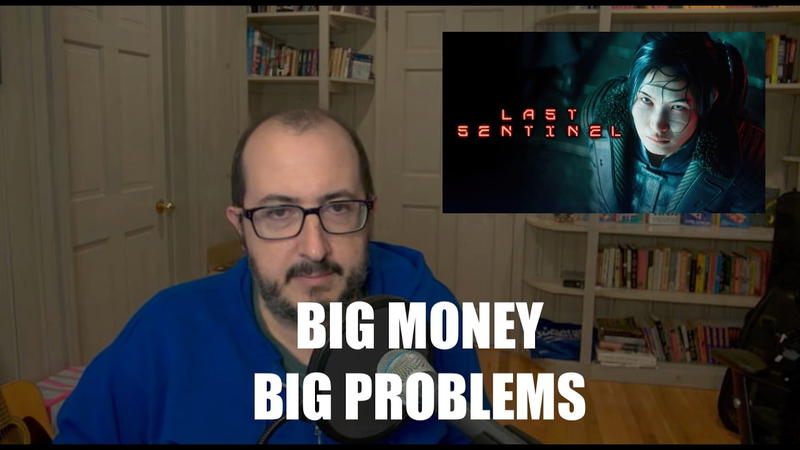
Why Video Game Studios By Big-Name Developers Fail So Often
The frequent failure of independent game studios founded by veterans from major AAA companies stems from a disconnect between the resources of large organizations and the realities of smaller, independent operations.
- New studios founded by AAA veterans often fail because they lack the specialized infrastructure—such as dedicated marketing, cinematic teams, and administrative support—that large companies like Blizzard or Rockstar provide by default.
- Founders frequently struggle to adapt to modern market realities, such as the necessity of Early Access, community building via Discord, and iterative beta testing, instead relying on outdated 'surprise launch' strategies that are no longer effective.
- Excessive venture capital funding, common during the 2021–2022 zero-interest-rate period, often leads to 'scope creep,' where studios artificially inflate project size and headcount to match their inflated budgets, resulting in complacency and unmanageable complexity.
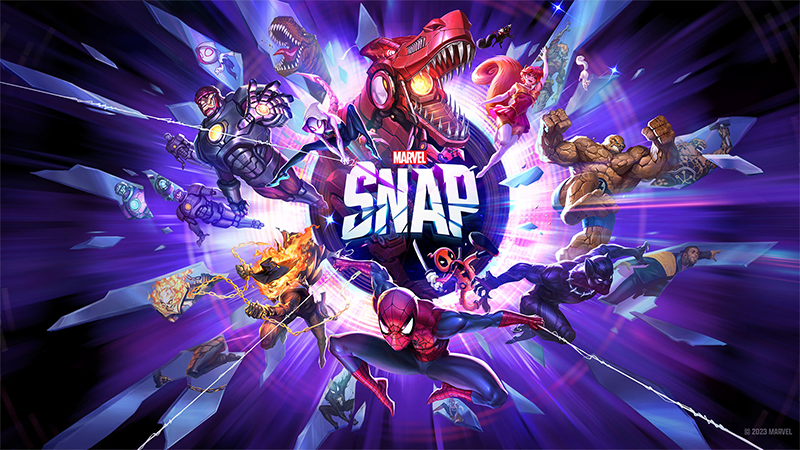
Marvel Snap Stats (2026): Player Count, Revenue & Downloads
Marvel Snap, the Second Dinner-developed digital collectible card game launched October 18, 2022, is analyzed as a mature live-service title in long decline from a hype-driven launch peak.
- Marvel Snap has transitioned into a mature live-service product, with monthly downloads declining 98% from their 9.3 million peak to approximately 161,000 as of mid-2026.
- The game has generated $218 million in lifetime revenue, maintaining a stable monthly income of roughly $1.5 million despite a 90% drop in monthly active users from its peak of 12.1 million to 1.2 million.
- Monetization remains highly efficient for a mature title, evidenced by an ARPDAU of $0.29 and a revenue-per-MAU of $86.42, driven by a dedicated base of spenders.

Supercell reboots Mo.co, Fortnite is back on iOS, Nintendo's next mobile game, Embracer, Wooga, more
The mobile gaming industry is currently navigating a period of strategic pivots, legal challenges, and financial recalibration.
- Embracer Group has written down the value of its mobile division—comprising CrazyLabs, A Thinking Ape, and Deca—by $192.4 million following a 57% year-on-year decline in net sales to $244.9 million.
- Supercell has rebooted its monster-hunting title 'Mo.co' with a new season pass structure, though the game continues to rely exclusively on cosmetic monetization, raising concerns about its long-term viability compared to the discontinued 'Squad Busters'.
- Fortnite has returned to the iOS App Store worldwide (excluding Australia), a move Epic Games is using to force transparency regarding Apple's commission structures and fee-related legal challenges.
Mobilegamer.biz Weekly Newsletter: April 2026
The May 8, 2026 edition of the mobilegamer.biz weekly newsletter rounds up the mobile games industry's main stories in one email, alongside a companion podcast digest.
- Supercell is set to fully acquire Metacore, the maker of Merge Mansion, as part of a restructuring that puts 160 jobs at risk and will integrate Merge Mansion into Supercell’s live portfolio after Metacore failed to launch new sustainable games.
- Second Dinner, the studio behind Marvel Snap, has implemented layoffs affecting 16 staff, though work on their second game is continuing.
- Unity reported a 17% year-on-year revenue increase, with CEO Bromberg noting that 90% of game developers are already using AI in their workflows.

Supercell buys Metacore amid brutal layoffs, Second Dinner cuts, inside Scopely x Niantic, more
The mobile games industry is currently navigating a period of significant restructuring and strategic consolidation.
- Supercell has acquired Metacore in a deal involving a €180 million investment, resulting in the layoff of 160 staff members—over half the company—as the studio pivots to focus exclusively on Merge Mansion.
- Marvel Snap developer Second Dinner has laid off 16 employees, though the company confirmed that development on its current roadmap and an unannounced second game remain unaffected.
- Scopely and Niantic executives revealed that their partnership, which has significantly improved revenue performance for titles like Pikmin Bloom, involved intense integration efforts and complex technical collaboration.
Fat Cats, Steaming Decks, all GaaS and no Subscriptions with Rhys Elliott of Alinea Analytics
The modern gaming industry is undergoing a significant correction as the limitations of massive, high-budget development cycles become increasingly apparent.
- The gaming industry is pivoting away from high-budget, five-year development cycles as the 'fat cat' executive model of securing massive funding based on reputation fails to produce sustainable returns.
- Subscription services like Xbox Game Pass have hit a growth plateau because gaming’s high-engagement, time-intensive nature is incompatible with the passive consumption habits seen in other media sectors.
- Studios are retreating from the 'live service' gold rush, as firms without specialized live-ops expertise cannot compete with established market leaders like Fortnite and Roblox.
Sustainable Growth: Building Studios Without External Funding
Achieving long-term success in the independent game industry requires a fundamental shift away from venture capital and rapid, high-risk scaling toward a model of sustainable, organic growth.
- Studios can achieve multi-million unit sales, such as those seen in the Slime Rancher franchise, while maintaining full creative control by prioritizing organic growth over venture capital.
- Financial self-sufficiency is best maintained by deferring hiring until specific operational pain thresholds are reached, keeping teams lean and focused on stability.
- Risk mitigation during development is achieved by prototyping core gameplay loops early to confirm engagement before committing to full-scale production budgets.

The State of Video Game Financing in 2025
The gaming industry is currently navigating a profound market correction, characterized by a 14 percent year-over-year decline in deal volume and a significant contraction in Series A graduation rates to 11.5 percent.
- The gaming industry is experiencing a market correction marked by a 14 percent year-over-year decline in deal volume and a contraction in Series A graduation rates to 11.5 percent.
- Venture capital firms are shifting investment focus away from content creation toward infrastructure, creating a structural funding crisis for mid-to-late-stage studios.
- The industry is transitioning from a high-growth, speculative model to a disciplined environment that prioritizes capital efficiency, fiscal restraint, and proven execution over rapid scaling.
Untold Stories of Activision, Blizzard, and King Founders
This analysis, conducted by InvestGame, examines the "alumni effect" for startups founded by former employees of Activision Blizzard King (ATVI), comparing their fundraising success and outcomes to industry averages and ex-Riot Games founders.
- Startups founded by Activision, Blizzard, and King alumni raised nearly $0.7 billion in venture capital across 40 funding rounds between 2020 and 2024.
- Alumni-led startups demonstrate strong follow-on financing capabilities, typically securing subsequent funding rounds within one to two years of their initial investment.
- Major venture capital firms, specifically a16z and BITKRAFT, remain the primary financiers for these alumni-led gaming ventures.

Metagame Mastery: Growing Games Beyond Core Loops
Modern live-service games increasingly rely on standardized metagame features to drive player retention and habitual engagement.
- Social features like guild-based competitions and gifting mechanics can increase player engagement by up to 300% during live events.
- Studios are shifting toward using off-the-shelf infrastructure for metagame systems to accelerate development and focus resources on tailoring player experiences.
- Centralized tooling is essential for managing live-service economies, enabling remote configuration, A/B testing, and machine learning models to predict churn and lifetime value.
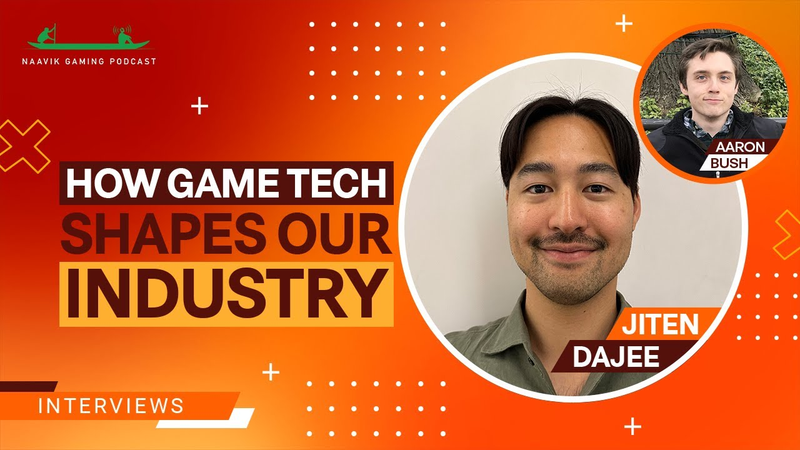
Game Tech: The Hidden Force Behind Gaming’s Challenges and Opportunities
The gaming industry is currently undergoing a critical transition as traditional development models struggle to meet the demands of modern live-service environments.
- Legacy monolithic architectures designed for static releases are creating systemic dependencies that force unsustainable headcount expansion to maintain production velocity.
- High-performing studios are transitioning to modular, loosely coupled architectures and DevOps practices to achieve the iterative workflows necessary for live-service stability.
- Investors are increasingly prioritizing studios that utilize microservice backends and automated testing to mitigate bug-related costs and improve profitability.

Game Career Seminar: Co-Managing: Building an Effective Manager/Direct Relationship
The professional relationship between managers and direct reports serves as the primary driver of employee satisfaction and long-term career progression within the gaming industry.
- Career advancement is most effective when managers and reports work backward from specific promotion targets to identify and bridge critical skill gaps.
- One-on-one meetings should move beyond routine status updates to prioritize growth-oriented discussions that align individual aspirations with organizational objectives.
- Employees must take ownership of their career trajectory by consistently documenting their specific contributions and engaging in regular self-reflection.
