Product Madness
Company
Documents about Product Madness

The Solo Developer Making Seven Figures From Free Browser Games
Abe Train has established a highly profitable independent game studio by focusing on daily, browser-based educational titles that cater to a niche, highly engaged audience.
- Abe Train, founder of Trainwreck Labs, transitioned from a business intelligence role at HelloFresh to a successful solo developer by launching daily browser games like Globle, which peaked at over one million daily players.
- The developer prioritizes building a small, obsessive core audience over a large, casual one, noting that highly engaged players provide valuable feedback that improves game accessibility and longevity.
- Monetization through ads resulted in negligible player backlash, as users generally expect ads on the web; the developer now complements this with a subscription model that removes ads and adds multiplayer functionality.
Product Madness’ Piyush Mishra On Smart Questions For Smaller Studios
Smaller mobile game studios must transition away from expensive, traditional soft launches toward a model of strategic, low-cost concept validation.
- Marketing must be integrated into the product development process from the start, as marketing teams provide essential data-driven feedback on target demographics and user retention that product teams cannot identify in isolation.
- When evaluating game viability, studios should benchmark against current genre standards—such as 30% D1 retention and 7% D7 retention in the Social Casino space—rather than relying on historical performance or internal success metrics from older titles.
- To minimize early-stage UA costs during soft launches, studios can test in lower-cost markets like the Philippines, Malaysia, or India to validate basic retention metrics before moving to high-value markets.
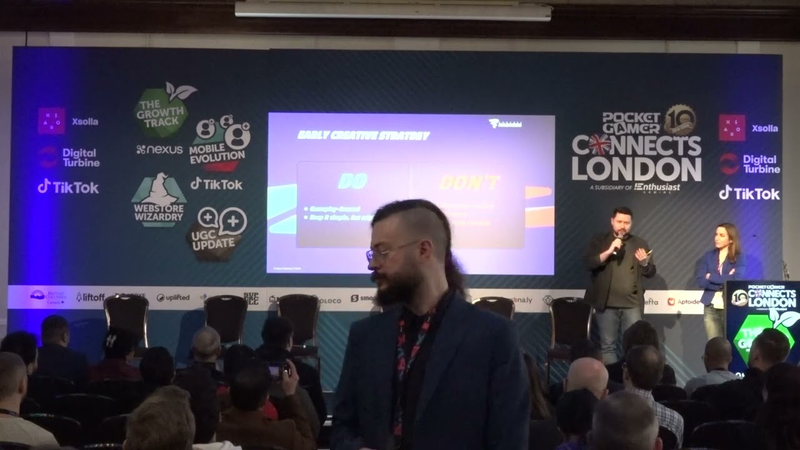
From Prototype to Stardom Early Stage UA Tactics for New Game Prototypes - Product Madness.
The process of transitioning a game from an early-stage prototype to a successful global launch requires a disciplined, data-driven approach to user acquisition (UA).
- Integrate User Acquisition (UA) strategies during the prototype phase to validate marketability and keep product development grounded in player demand rather than internal vision.
- Conduct thorough market analysis before development by identifying genre competitors, their revenue and download shares, and requesting CPI and CPM benchmarks from UA channel managers.
- Use early-stage creative testing—such as gameplay-focused videos illustrating the core loop—to gauge audience interest and validate design choices before a full live build is completed.
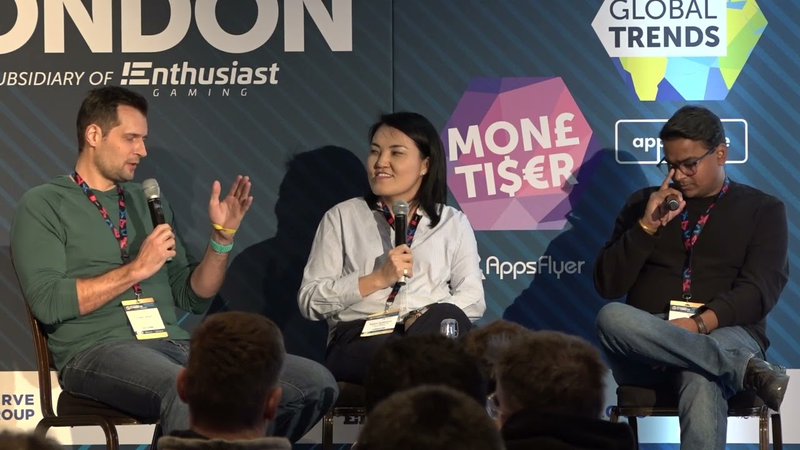
In the Sandbox With Creative Success! AppsFlyer, ACE Games, Product Madness.
This discussion, held at Pocket Gamer Connects London 2024, explores the evolving role of creative assets in mobile game user acquisition.
- Creative assets have replaced granular user-level data as the primary lever for mobile user acquisition due to ongoing privacy restrictions on iOS and Android.
- Effective creative strategy requires a data-driven feedback loop that integrates attribution data with business intelligence tools like Looker or Tableau to move beyond vanity metrics.
- Marketers must shift from single-asset campaigns to creative sequences that build brand familiarity and hook users within the first three to five seconds.
Product Madness’ Piyush Mishra On Smart Approaches And Seismic Shifts In A Privacy-First Market
The mobile gaming industry is undergoing a fundamental transformation as privacy-centric regulations, most notably Apple’s deprecation of the Identifier for Advertisers, dismantle traditional user-level tracking and attribution models.
- The deprecation of Apple’s Identifier for Advertisers (IDFA) has rendered traditional user-level tracking obsolete, forcing a shift from data-obsessed optimization to a creative-first marketing strategy.
- Growth marketers must prioritize high-performing, contextually relevant assets and synchronized landing pages to maintain conversion rates in the absence of granular tracking data.
- Developers should pivot toward brand building to foster user trust and shorten conversion windows, reducing the reliance on precise tracking by cultivating a loyal, direct audience.
Looking to TikTok For Trends and Product Madness' Alex Haley On Live Ops Made Simple
Successful live operations strategy in the mobile gaming sector centers on the principles of simplicity, agility, and rigorous documentation.
- Successful live operations rely on simplifying technical workflows and documentation to shift team focus from maintenance to rapid experimentation and iteration.
- Building a flexible infrastructure is essential for scaling, as it allows developers to test new concepts quickly and respond dynamically to shifting market demands.
- Effective live ops management requires a dual focus on fostering strong cross-departmental relationships for realistic roadmapping and maintaining analytical, enthusiastic internal teams.
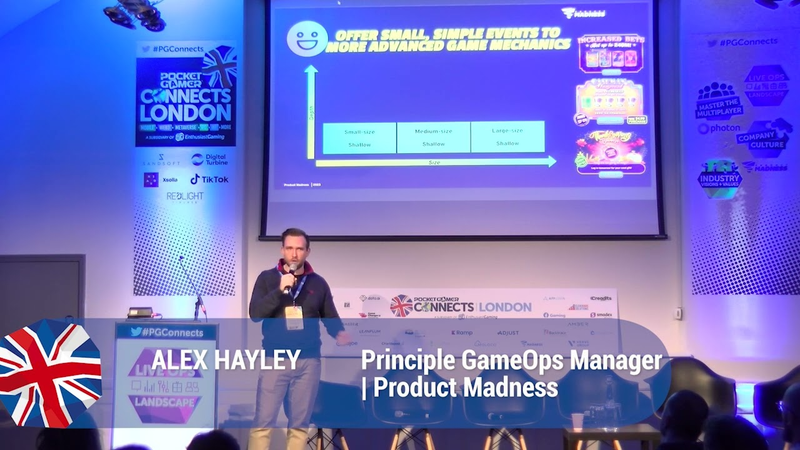
4 Fundamentals for Building a great Live Ops Department - Alex Hayley, Product Madness
Building a high-performing Live Ops department requires a strategic focus on simplicity, variety, documentation, and cross-functional collaboration.
- Operational efficiency is critical for scale, as demonstrated by Product Madness's Cashman Casino, which executes over 600 distinct live activities annually to support 430,000 daily active users.
- Live Ops success relies on simplicity through the use of repeatable, re-skinnable, and easily configurable events that maximize engagement while minimizing engineering overhead.
- Teams should build an 'arsenal' of simple events first, only introducing complexity by linking new content to the game’s core loop as the department matures.
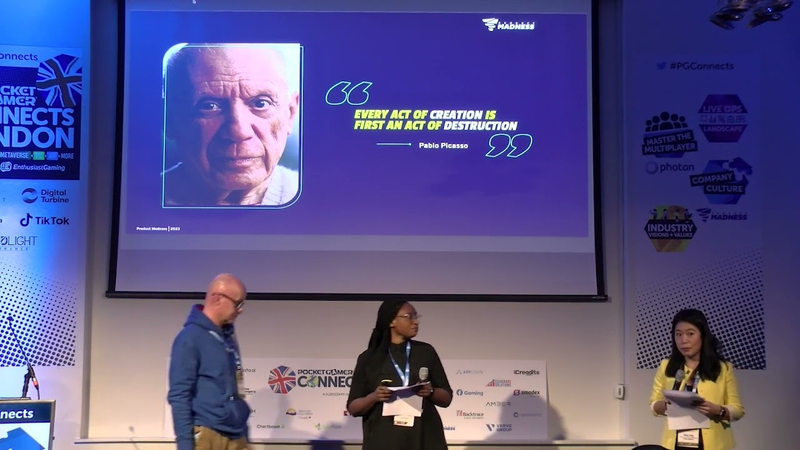
Keynote: Workplace Connection & Community.
This presentation outlines strategies for fostering workplace connection and community within the gaming industry, specifically drawing on the experiences of Product Madness.
- Product Madness maintains organizational culture during rapid growth and remote work by focusing on five pillars: storytelling, common language, symbolism, rituals, and cultural ambassadors.
- The company established five core guiding principles to create a common language that bridges the gap between global studios and remote employees.
- To foster a unified identity, the organization implemented visual symbols including a redesigned company logo and branded learning materials.
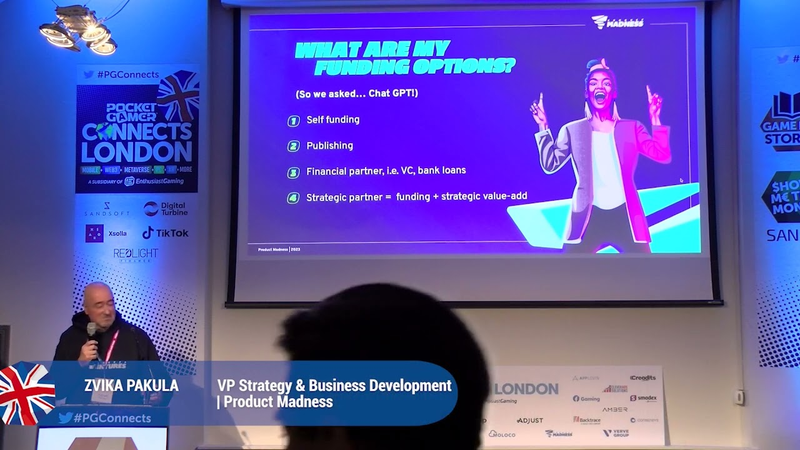
Funding Early Stage Gaming - Zvika Pakula, Product Madness
Securing funding for early-stage gaming ventures requires a strategic, realistic approach that balances creative vision with market data.
- Early-stage founders must prioritize building prototypes that generate actionable KPIs rather than attempting to develop a full-scale product prematurely.
- Achieving meaningful market share in the current gaming landscape requires planning for user acquisition costs that can reach 15 to 20 million dollars.
- Development cycles for genres such as social casino, RPG, or casual gaming typically span one to two years, requiring a long-term strategic approach to funding.
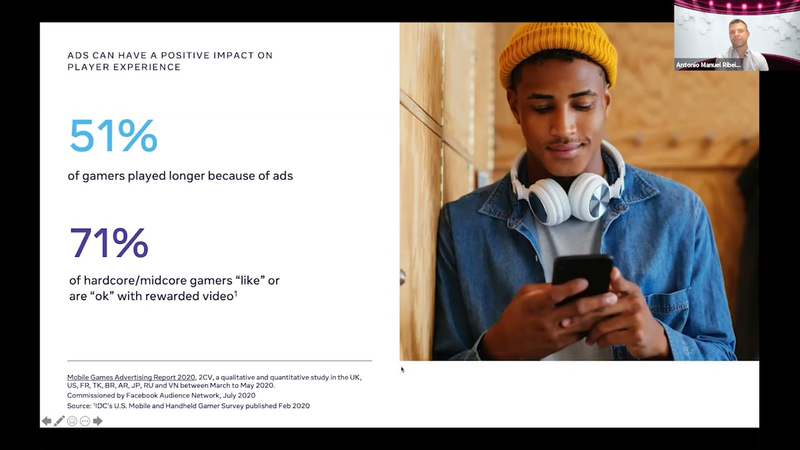
Balance Your Game’s Monetisation Mix for Greater Retention
A hybrid monetization strategy that integrates in-app purchases with in-app advertising is essential for maximizing both player retention and long-term revenue.
- A hybrid monetization model combining in-app purchases (IAP) and in-app advertising is necessary because only approximately 5% of a typical player base engages with direct sales.
- Diversified monetization strategies are driving a 17% year-over-year growth in industry revenue.
- Incorporating opt-in rewarded video allows developers to monetize the remaining 95% of non-paying users without cannibalizing existing IAP revenue.