Play Games
Company
Documents about Play Games
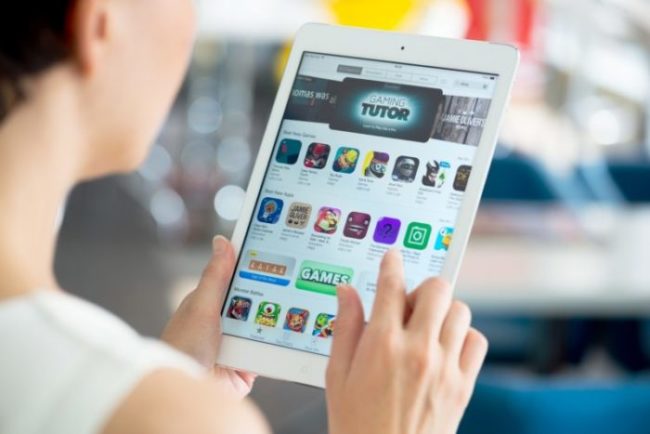
Gamers Are Increasingly Buying Additional Content for Segments Such as Free-to-Play Games: Germany
The German games industry experienced significant growth in 2016, driven largely by the increasing popularity of free-to-play titles and the monetization of virtual goods.
- The German market for virtual goods and additional content in games grew by 17% in 2016, reaching a total revenue of 659 million euros.
- The number of paying users for in-game content in Germany increased from 3.3 million in 2015 to 3.9 million in 2016.
- Average monthly spending per paying user rose from 12.02 euros in 2015 to 13.57 euros in 2016.

Free-to-Play Games: From Smartphone to eSports Arena
The German games industry has experienced a significant shift in business models, with free-to-play (F2P) titles emerging as a foundational pillar of the market.
- The German market for virtual products and extra content within free-to-play games grew by 18% in 2015, reaching 562 million euros compared to 477 million euros in 2014.
- Free-to-play mobile apps dominate the smartphone and tablet sector, accounting for 295 million euros of the 315 million euros total generated by game apps in Germany in 2015, or approximately 94% of that revenue.
- The broader German computer and video games market reached a total value of 2.81 billion euros as of 2016.
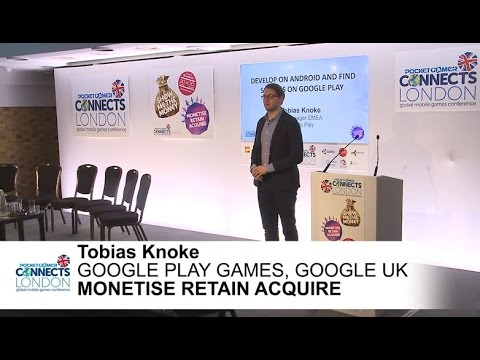
Why you should be using Google Play Games services
Google Play Games services provides a comprehensive suite of tools designed to assist developers throughout the entire game lifecycle, from prototyping and soft launching to full release and post-launch optimization.
- Google Play Games services provides access to a global audience of over one billion active Android devices, with significant growth currently projected in emerging markets.
- Machine learning-based predictive analysis allows developers to identify specific user behavior patterns, such as churn risk or spending propensity, to trigger targeted retention interventions.
- Integrated player analytics tools provide data on in-game economies, enabling developers to balance currency flow and optimize average revenue per daily active user (ARPDAU).
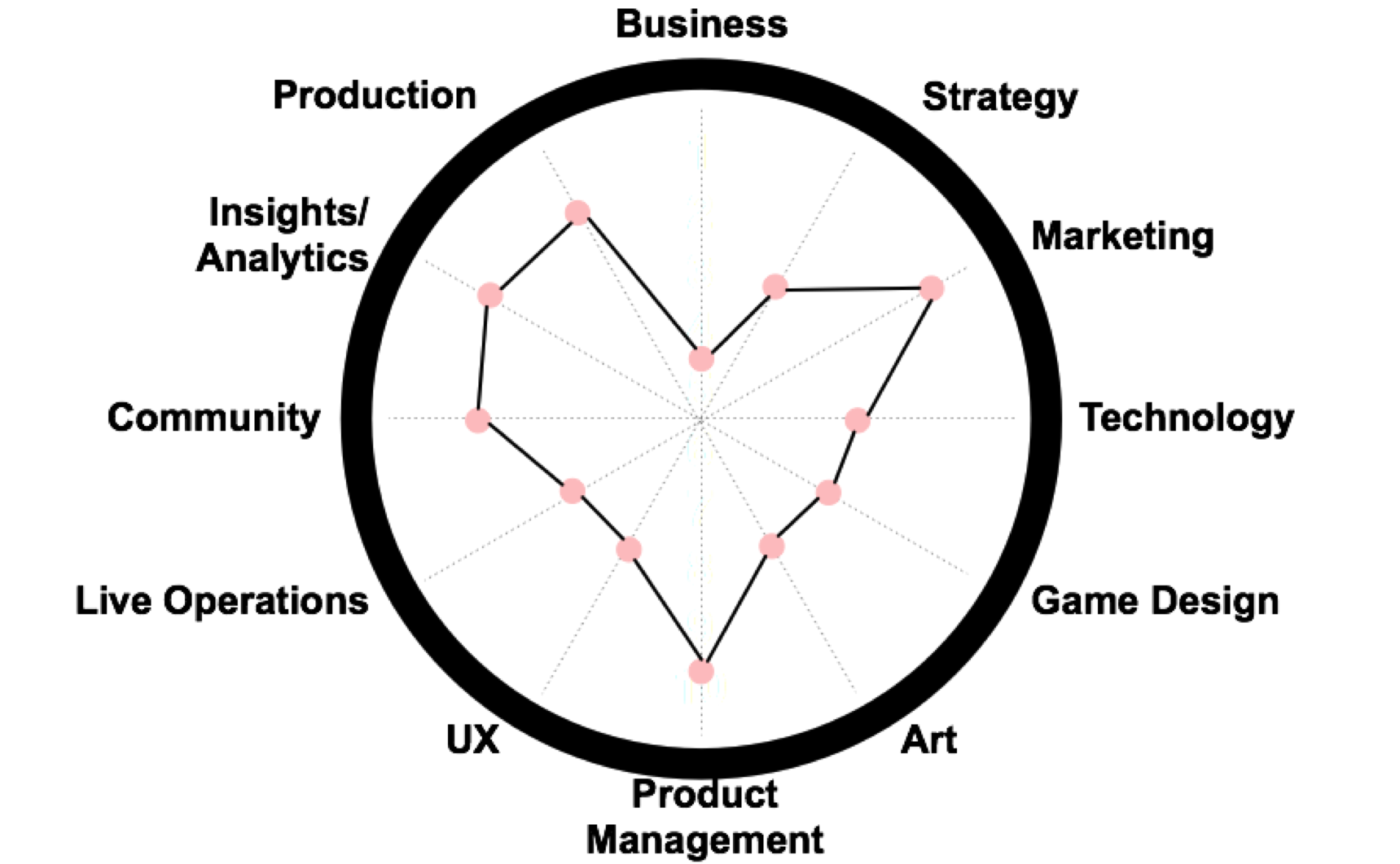
Analyzing Free-to-Play Games Development: The Game / Team Clock
The Game/Team Clock serves as a strategic framework for evaluating the viability and execution risks of free-to-play game development.
- The 'Game/Team Clock' framework assesses project viability by mapping 12 player-centric questions—ranging from initial discovery to monetization—against a team's specific areas of expertise.
- Success in free-to-play development requires minimizing the gap between a game's functional requirements and the team's actual execution capabilities across all 12 stages of the player lifecycle.
- Startups often prioritize the early lifecycle stages (Unique Value Proposition, Marketing, and Monetization), while indie developers typically focus on the middle stages (Gameplay, Content, and Platform).
Not a Babysitter - Why Parents Should Play Games with their Kids - Extra Credits
The central thesis posits that video games should be viewed as shared experiences rather than solitary activities or passive babysitting tools.
- Parents should treat video games as shared, collaborative experiences rather than passive babysitting tools to foster stronger relationships and communication.
- The educational and social value of a game is primarily determined by the context provided by the parent rather than the game's inherent content or genre.
- Active parental involvement, such as researching game mechanics or assisting with data-heavy tasks, allows parents to contribute meaningfully even if they lack personal gaming proficiency.