Japan Studio
Company
7 documents in the library are about Japan Studio, from writers such as Hit Points, Game World Observer and The Game Business. Each has a summary and key insights with the page they come from.
Connections
The documents about Japan Studio on the inner ring, the other games and companies they name on the outer one. Select a cover to see it up close and open it in a new tab; drag to move, pinch or Ctrl + scroll to zoom.
Documents about Japan Studio
Number of video game journalists plummets. Plus! More on Xbox and Atari launches IMDB rival
The global video game industry is currently navigating a period of profound structural instability, characterized by widespread workforce reductions, the contraction of traditional media, and a strategic pivot toward consolidation and niche sustainability.
- The global gaming media sector has faced a significant contraction, with over 280 journalists exiting the industry during the first half of 2026.
- Xbox is undergoing major internal restructuring and shifting its strategic focus toward massive, mainstream-oriented franchises like Call of Duty and Minecraft following ineffective post-acquisition integration.
- Atari is attempting to revitalize its operations by centralizing administrative functions and expanding its MobyGames platform into a professional networking tool for developers.
Bro Talk: Not-E3 2026
The June 2026 industry analysis evaluates the state of the major video game showcases during the annual not-E3 period.
- Xbox's 'not-E3 2026' presentation emphasized violent, American-centric games, including a new 'Doom: The Dark Ages' expansion, a 'Halo' remake, 'Clockwork Revolution', and 'State Of Decay 3', signaling a return to a 'bro era' strategy.
- Despite a strong 'not-E3' showing, Xbox is reportedly preparing for another mass layoff after June 30, 2026, with an internal memo from Asha Sharma and Matt Booty citing challenges like AI-driven component price surges.
- Sony's current game development strategy, following the closure of Japan Studio, relies heavily on a single template: slow-burning cinematic single-player games with stealth, companion mechanics, and 'Uncharted'- or 'God of War'-style set pieces, as seen in the 'Wolverine' and 'Laufey' titles at State Of Play.
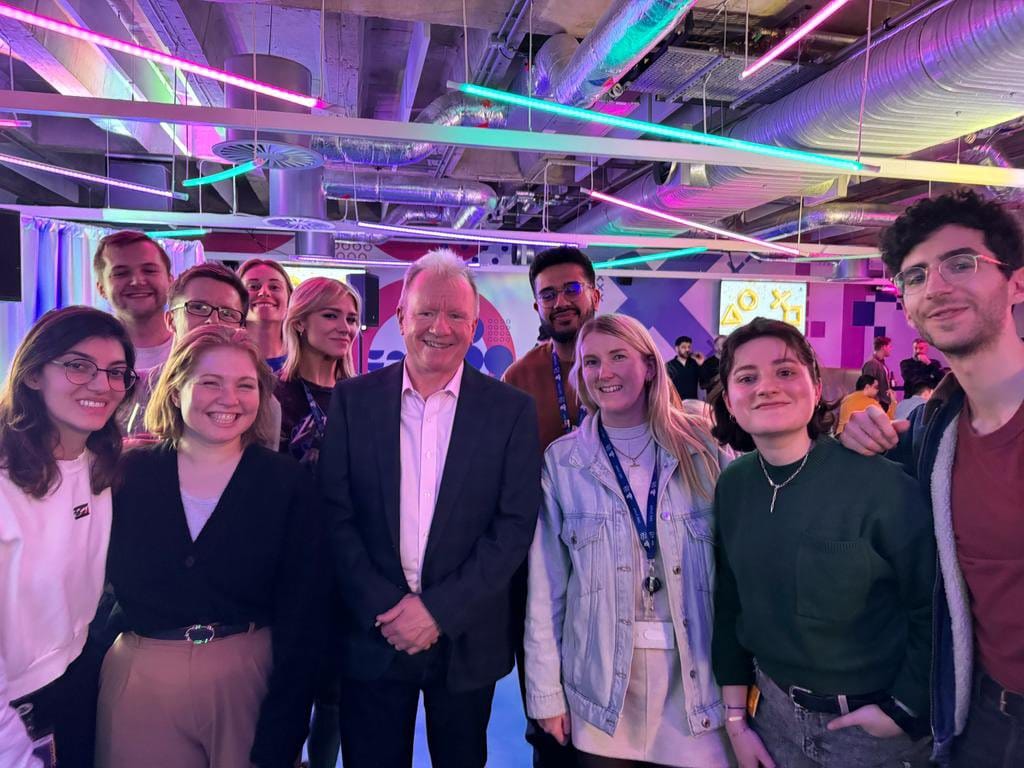
Legacy Thinking
The game industry experienced a period of significant contraction in late February 2024, characterized by widespread layoffs and studio closures across both independent and major corporate entities.
- PlayStation announced 900 job cuts, representing approximately 8% of its global workforce, which includes the total closure of the 22-year-old London Studio and layoffs across Naughty Dog, Insomniac, Firesprite, and Guerrilla Cambridge.
- EA is laying off 670 employees (roughly 5% of its global staff), shuttering its Ridgeline Games studio, and cancelling a planned Star Wars first-person shooter from Respawn Entertainment.
- Supermassive Games has initiated redundancy processes for nearly half of its 300-person staff, aiming to eliminate 90 positions, while Deck Nine is cutting 20% of its workforce due to worsening market conditions.

Loss Leader
The launch of the revamped PlayStation Plus service serves as a case study in how corporate leadership styles dictate organizational culture and product strategy.
- Sony's launch of the new PlayStation Plus service has been criticized for a lack of retro content, the use of inferior 50Hz PAL versions of classic games, and restrictive policies regarding subscription stacking.
- The company faced backlash for requiring users who had previously purchased discounted, stacked PlayStation Plus memberships to pay the difference when upgrading to the new service, a move Sony later attributed to a 'technical error'.
- Sony projects $300 million in revenue from PC games for the current year and expects PS5 supply shortages to stabilize by 2024.

Channel Hopping
The primary thesis of this analysis is that while smaller developers and niche studios benefit from managing their own editorial content to bypass traditional media gatekeepers, major industry players should remain subject to independent journalistic scrutiny.
- Game companies should consider in-house editorial content when traditional media coverage is difficult to secure, particularly for indie developers or niche genres that lack mainstream press attention.
- Large-scale corporations like Sony risk damaging their reputation and fostering public distrust by relying exclusively on controlled, in-house interviews that avoid independent journalistic scrutiny.
- Controlled corporate messaging often results in 'faceless' branding that strips the human element from game development, making the output feel like a dull, mass-produced product.
Sony's Obsession with AAA Blockbusters Damages Small Studios and Leads to High Turnover
Sony’s strategic pivot toward high-budget AAA blockbusters has created significant internal friction and operational challenges within its PlayStation division.
- Sony has shifted its internal strategy to prioritize high-budget AAA blockbusters, effectively abandoning support for smaller games and niche markets like Japan.
- The reorganization of Japan Studio, known for titles like Gravity Rush and Knack, resulted in mass staff departures as Sony moved away from smaller-scale development.
- Sony rejected a pitch for Days Gone 2 from developer Bend Studio in 2019, despite the first game's commercial success, citing lengthy development times and mixed reviews.
Silent Hill Creator Teams Up with Other Industry Legends to Form Bokeh Game Studio
Bokeh Game Studio was established in Tokyo on August 13, 2020, by a trio of prominent industry veterans: Keiichiro Toyama, known for his work on the Silent Hill, Siren, and Gravity Rush franchises; Junya Okura; and Kazunobu Sato.
- Keiichiro Toyama, creator of Silent Hill, has founded an independent studio called Bokeh Game Studio alongside former colleagues Junya Okura and Kazunobu Sato.
- The studio was officially established on August 13, 2020, following Toyama's departure from Sony’s Japan Studio.
- The founding team consists of CEO and Creative Director Keiichiro Toyama, COO Kazunobu Sato, and CTO Junya Okura, all of whom previously worked on titles such as Silent Hill, Siren, and Gravity Rush.