1 free read left. Create a free account for unlimited reading + AI research.
Create free accountArticle Hit Points
1 free read left. Create a free account for unlimited reading + AI research.
Create free accountArticleHit Points
In less than two months, the industry reached approximately 75% of the total estimated job losses recorded for the entirety of 2023.
Key trend. The game industry experienced a high volume of layoffs in early 2024.
The game industry experienced a period of significant contraction in late February 2024, characterized by widespread layoffs and studio closures across both independent and major corporate entities. This wave of restructuring highlights a growing tension between industry leadership and the workforce, as companies cite shifting consumer behaviors and market conditions to justify aggressive cost-cutting measures. The analysis argues that while smaller, non-public studios may be reacting to unavoidable financial pressures, major corporations like Electronic Arts and Sony are prioritizing investor interests and short-term fiscal goals over long-term creative health and employee stability.
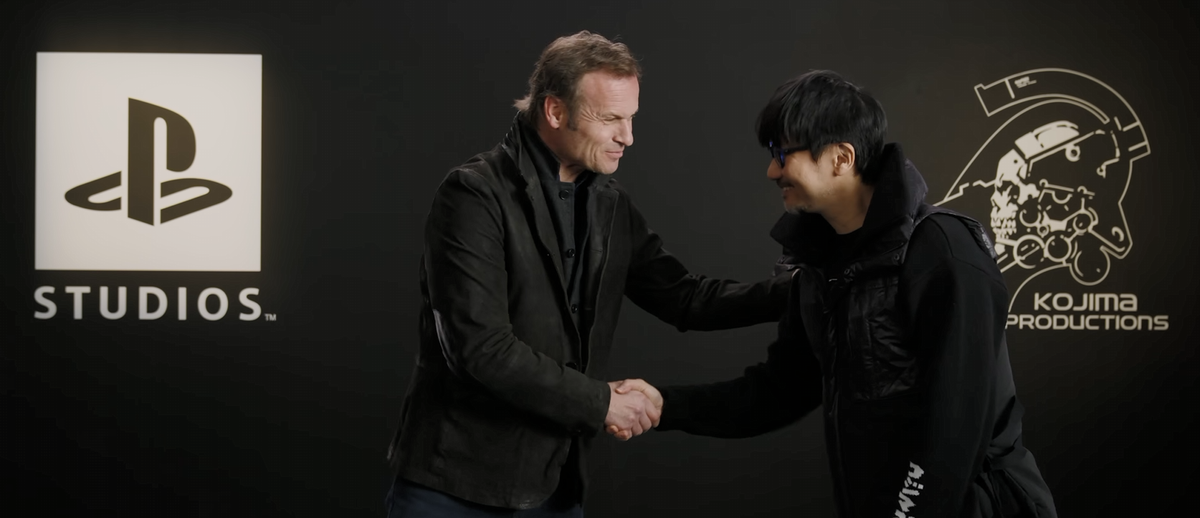
Key industry developments during this period include the loss of 900 jobs at PlayStation, resulting in the closure of London Studio and project cancellations across several internal teams. Simultaneously, Electronic Arts announced 670 layoffs and the closure of Ridgeline Games, while independent developers such as Supermassive Games, Die Gute Fabrik, and Deck Nine also implemented significant staff reductions or ceased operations. These events underscore a broader trend of consolidation and a pivot away from traditional single-player development toward live-service models, a strategy that has faced criticism for its lack of innovation and reliance on established intellectual property.
The analysis specifically critiques the leadership of outgoing PlayStation executive Jim Ryan, citing a series of strategic missteps including the relocation of headquarters, the closure of Japan Studio, and an unsuccessful push into live-service gaming. By contrasting these corporate decisions with the resulting human and creative cost, the assessment concludes that current industry leadership is failing to account for the consequences of their strategic pivots. The findings suggest that the industry is currently trapped in a cycle of reactive, short-sighted management that threatens the sustainability of the development ecosystem.
The games and companies this document names on the inner ring, other documents about them on the outer one. Select a cover to see it up close and open it in a new tab; drag to move, pinch or Ctrl + scroll to zoom.
Hit Points · 2026
PocketGamer.biz · 2026