indie
CompanyUnited States
Documents about indie
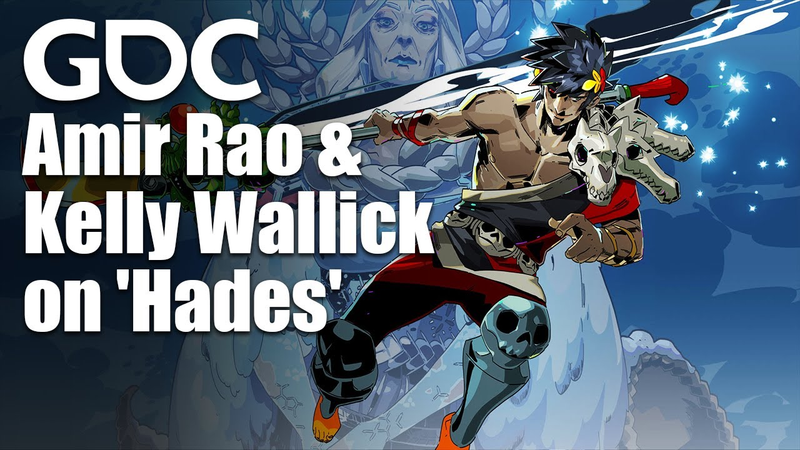
Fireside Chat: Amir Rao and Kelly Wallick on 'Hades'
Supergiant Games achieved significant success with Hades by shifting from a philosophy of constant reinvention to one of synthesis, combining successful mechanics from their previous titles, Bastion, Transistor, and Pyre.
- Supergiant Games utilized Early Access as a core development strategy for Hades, allowing the team to iterate based on player feedback and manage complex, overlapping game systems that would have been difficult to test in isolation.
- Before the 2018 Early Access launch, the studio conducted three one-month 'rehearsal' updates to test their internal production pipeline and determine the optimal cadence for content delivery.
- The team transitioned from a four-week update cycle to an eight-to-ten-week cycle during Early Access to better accommodate the needs of development and content integration.
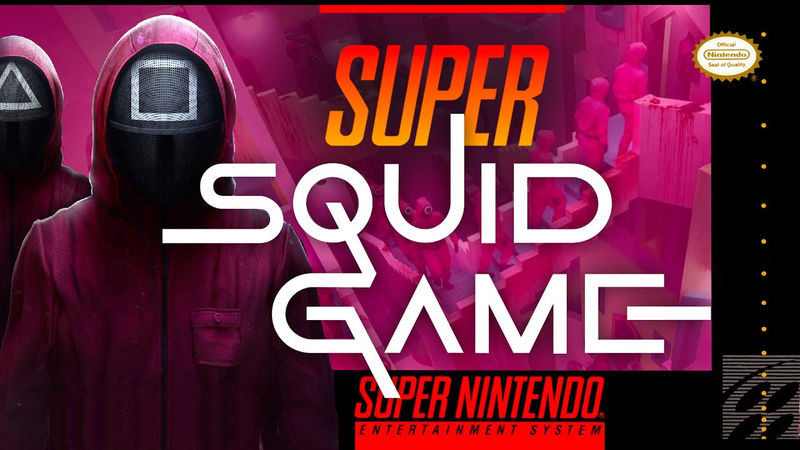
I made Squid Game into a 2D GAME!
The development of a 2D, 8-bit adaptation of the Squid Game television series serves as a practical demonstration of game design principles and technical implementation.
- The project demonstrates that complex, high-stakes narrative concepts can be effectively translated into accessible 2D formats by focusing on core gameplay loops and atmospheric design.
- Visual fidelity in retro-style games is achieved through nearest-neighbor image interpolation for crisp pixel edges and posterization to convert high-resolution assets into pixel-art avatars.
- The MC Escher-inspired maze stairs utilize a three-color gradient technique to simulate depth within an 8-bit aesthetic.
Making Your First Indie Game (5 Tips for 2021 & 2022!)
The primary objective for aspiring indie game developers is to successfully transition from hobbyist to professional by prioritizing the completion of a first project over the pursuit of a perfect "dream game."
- Prioritize project completion over perfection by limiting scope, as time is the developer's most valuable resource for long-term sustainability.
- Develop a highly polished prototype to secure external funding from sources like publishers, Kickstarter, or platform deals, which provides the necessary accountability to finish the project.
- Build a community early through consistent social media engagement and devlogs to generate the momentum and wishlist requests required for visibility on platforms like Steam.

Giving Back to the Community as a Game Developer: A Case Study
Game studios increasingly view community engagement as a core business strategy rather than a peripheral philanthropic activity.
- Game studios are shifting community engagement from philanthropy to a core business strategy that directly supports talent acquisition, retention, and long-term organizational growth.
- Nordeus leveraged its internal expertise to address systemic industry barriers in Serbia by co-founding the Digital Serbia Initiative and establishing the Nordeus Hub.
- The Nordeus Hub supports the regional gaming ecosystem through physical collaboration spaces, boot camps, and an indie incubator that requires no equity, revenue sharing, or IP rights from participants.
I PLAYED YOUR GAMES! | Game Design Feedback
Indie game development often hinges on the delicate balance between innovative core mechanics and the accessibility of the user experience.
- Indie titles like Hoverblade, The Court of Wanderers, Raw Shire, and Sky Tale suffer from a disconnect between atmospheric ambition and the practical clarity required for player engagement.
- Poor execution of fundamental design elements—specifically unintuitive controls, poorly paced tutorials, and cluttered UI—frequently obscures the core gameplay quality.
- Developers should prioritize visual distinction by utilizing ambient occlusion, color grading, and environmental depth cues to improve immersion and readability.
Mastering the Market - Ideation for Your Next Hypercasual Hit
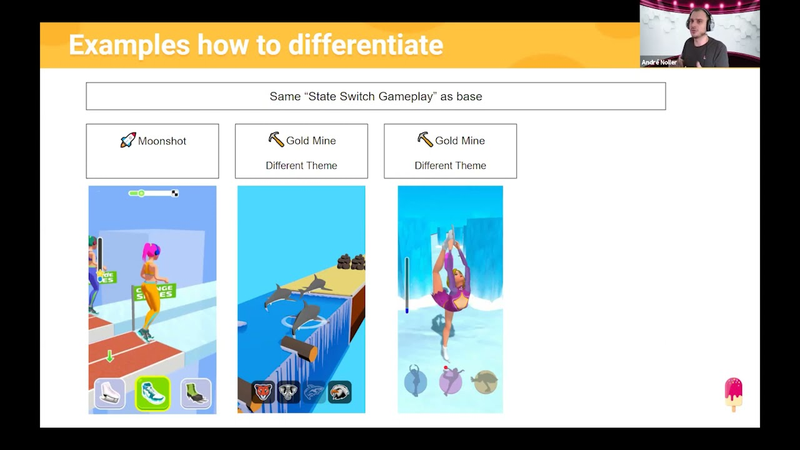
The hypercasual gaming market is characterized by intense competition, requiring developers to adopt systematic ideation strategies rather than simply chasing current top-chart trends.
- Success in hypercasual gaming requires a systematic ideation strategy that balances trending mechanics with sufficient novelty to avoid saturated 'red ocean' markets.
- Developers should categorize concepts into four quadrants—moonshots, gold mines, clones, and gambles—to evaluate the risk and innovation potential of each project.
- Market timing is critical, as player interest follows a predictable lifecycle where audiences eventually tire of overused tropes and seek fresh, innovative mechanics.
Panel: UA & Retention: How to Pick the Ideal Tactic for Your Target Demographic
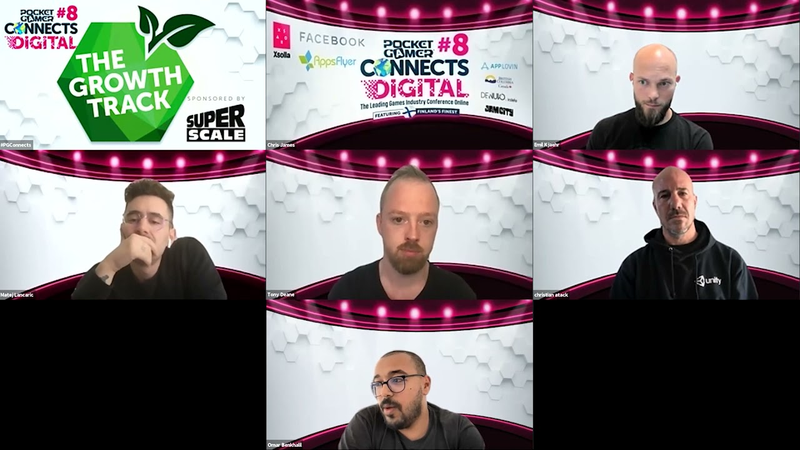
Effective user acquisition and retention in the mobile gaming sector require a strategic alignment between monetization models and specific payback windows.
- Developers must align monetization models with specific payback windows, prioritizing rapid returns for hyper-casual titles and long-term lifetime value for midcore games.
- Success in user acquisition relies on a formalized, iterative approach to creative testing to identify and scale concepts that resonate with target demographics.
- Machine learning and AI are essential for automating bidding and hitting return on ad spend targets, though they require human oversight to manage channel volatility and performance tracking.
A DAY IN THE LIFE of a Game Developer (THE TRUTH!)
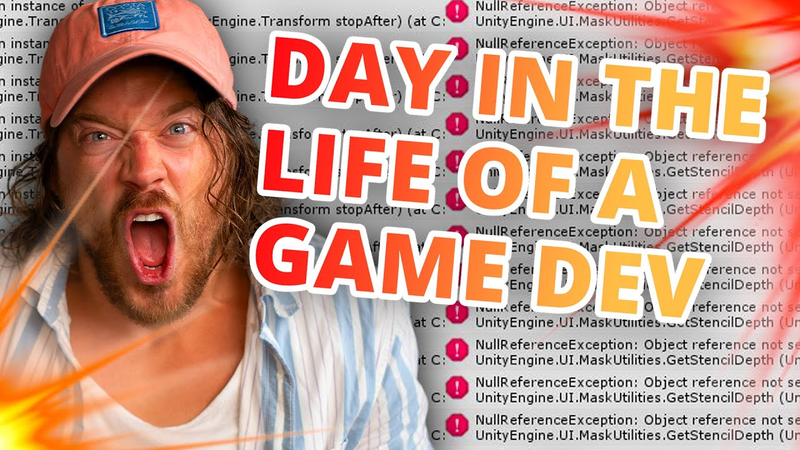
Game development involves a repetitive, often frustrating cycle of technical troubleshooting and asset integration, particularly when working within the Unity engine.
- Independent game development is defined by a repetitive cycle of technical troubleshooting, specifically managing complex interactions between triggers, colliders, and physics-based movement within the Unity engine.
- Developers maintain project momentum by frequently pivoting between debugging code, consulting documentation, and utilizing external tutorials to resolve unexpected object behavior.
- Production efficiency is achieved by sourcing low-poly models and down-rezzing textures from free asset libraries, which allows for cost-effective environment population.
Unity Animation Rigging Tutorial (Super Easy In Just 10 Minutes!)
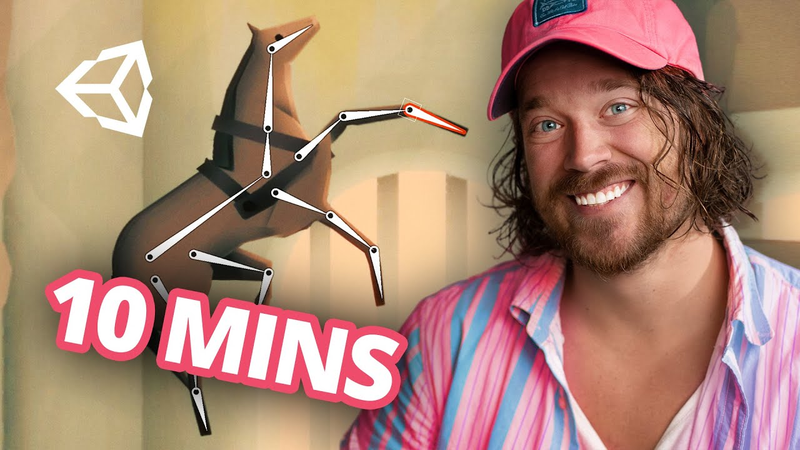
This tutorial outlines a streamlined workflow for creating 2D skeletal animations in Unity using assets prepared in Adobe Photoshop.
- Unity’s 2D Animation package enables the transformation of static images into fully articulated, bone-driven characters using a streamlined skeletal rigging workflow.
- Assets must be prepared in Adobe Photoshop by segmenting single-layer images into individual limbs and body parts, filling gaps to ensure visual continuity during movement.
- Saving segmented assets as Large Document Format (PSB) files is required to preserve the necessary layer structure when importing into the Unity engine.
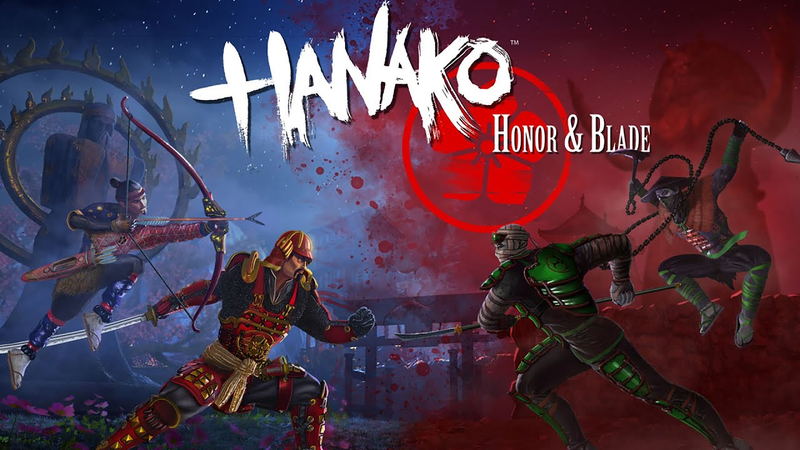
14 Years Development on Hanoka with Matt Canei | Game Dev Unchained Episode 284
The development of Hanako: Honor & Blade serves as a case study in the endurance required for long-term indie game production.
- The 14-year development of Hanako: Honor & Blade required a total labor investment equivalent to only 14 to 18 weeks of work for a 100-person studio, demonstrating the efficiency of a volunteer-driven, methodical approach.
- The project successfully navigated major technical shifts, including migrating the entire game from Unreal Engine 3 to Unreal Engine 4 while adapting to evolving market trends like the rise of battle royale games.
- By positioning the project as a mentorship platform for junior developers to build professional portfolios, the team effectively mitigated the impact of high turnover over the project's decade-plus lifespan.
I'm A Full Time INDIE GAME DEV And STUPID...
The development process for independent games often involves a chaotic, iterative workflow characterized by technical experimentation and unconventional design choices.
- Independent game development is characterized by a non-linear, iterative workflow where technical experimentation and trial-and-error cycles are essential to the creative process.
- Even with fifteen years of professional experience, developers frequently encounter unpredictable behavior and bugs within standard game engines like Unity, particularly regarding physics triggers and animator controllers.
- Rapid prototyping using custom assets, such as bounce pads and environmental textures, is a critical method for testing gameplay loops and refining mechanics.
Voice AI For Game Developers: Optimizing the Narrative Process
Voice AI technology is fundamentally transforming the narrative production process in the gaming industry by offering a scalable, cost-effective alternative to traditional voice acting.
- Modern AI voice technology replaces traditional studio recording with scalable, emotionally nuanced dialogue that maintains player immersion.
- Early integration of AI-generated dialogue allows developers to iterate on narrative content faster by removing the financial and time constraints of professional recording studios.
- AI-driven tools now enable real-time synchronization of human cadence, tone, and facial expressions onto digital characters.