indie
CompanyUnited States
Documents about indie
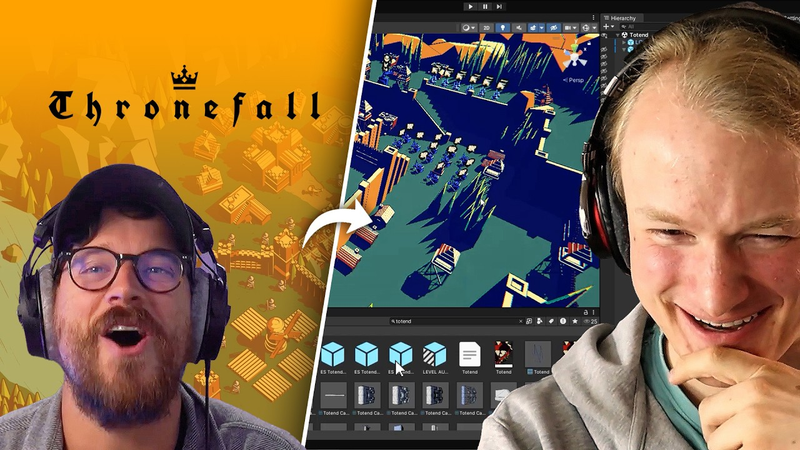
What A Million Dollar Game Looks Like Behind The Curtain (Jonas Tyroller's "Thronefall")
The development of Thronefall demonstrates that indie game success relies on prioritizing development speed and visual cohesion over rigid technical perfection.
- Prioritize development speed and visual cohesion over technical perfection to ensure rapid iteration and a polished final product.
- Utilize a minimalist, low-poly aesthetic combined with strategic lighting and color theory to achieve high-quality visual identity without the cost of complex assets.
- Centralize game balance using ScriptableObjects to enable rapid, global adjustments to mechanics and weapons without the need to edit individual prefabs.
Six Figure Game Idea Workshop - Day #2
Securing funding for independent game development requires a strategic, multi-faceted approach that balances community-driven crowdfunding with professional publisher partnerships.
- Steam wishlists are a primary driver of success, with a conservative conversion rate of approximately 10% from wishlist to sale.
- Publisher funding tiers are generally based on projected ROI: small indie titles typically receive $50,000–$250,000, while medium-sized titles secure $250,000–$400,000.
- A successful 60-day launch plan for crowdfunding requires preparing a high-quality trailer and campaign page in private, followed by building an email list as the foundation for all marketing.

How Indie Mobile Devs Can Get Noticed: PR Approach That Work
Indie mobile studios can achieve significant market visibility by shifting away from generic marketing tactics toward a strategy rooted in authentic narrative building and consistent brand identity.
- Indie studios should prioritize human-centric communication over AI-generated content to build the trust and credibility necessary to stand out in a saturated market.
- Sharing verifiable revenue figures and user metrics provides the objective data required to attract investment and secure attention from media outlets.
- Studios should diversify media outreach by targeting tech, business, and niche vertical publications rather than relying solely on traditional gaming press.
Dear Creatives, I Bet You Can Relate. Let's fix it!
The primary challenge for independent game developers and creative professionals is the tendency to juggle an excessive number of projects, leading to paralysis and a lack of focus.
- Optimize creative output by adopting a rigid project hierarchy consisting of one main project, one side project, and multiple low-priority learning or tool-development tasks.
- Evaluate project viability using the Ikigai framework, which requires the intersection of personal passion, existing skills, market demand, and financial sustainability.
- Mitigate the sunk cost fallacy and shiny object syndrome by treating every project as a calculated bet with a defined exit strategy and estimated return on investment.
Game Dev Mistakes Nobody Is Talking About
The discussion between indie developers Matt Dabrowski and Thomas Brush identifies critical pitfalls that often hinder the success of independent game studios.
- Prioritize a strong, immediate 'hook' that captures player interest within the first five seconds of a trailer to remain competitive in a saturated market.
- Avoid rigid, formal Game Design Documents in favor of flexible, living documents that evolve alongside the project's development.
- Allocate significant development time to essential but often underestimated tasks such as UI design, controller remapping, and platform-specific integrations like Steam.
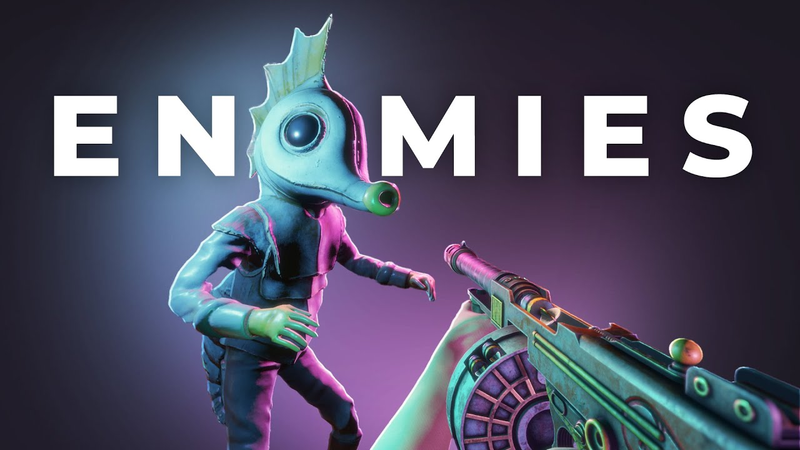
Adding Enemies That Are ACTUALLY FUN To My Indie Game (Devlog)
The primary objective of this development process is to create a unique, engaging enemy for an indie game by leveraging existing code structures rather than building from scratch.
- Efficiency in game development is maximized by using parent prefabs and modular logic to repurpose existing attack patterns and behaviors for new enemies.
- New enemy functionality can be created by swapping visual assets and animation controllers on established base code rather than building systems from scratch.
- Gameplay balance is achieved by implementing specific delay mechanisms that provide players with a fair reaction window to retreat from incoming attacks.
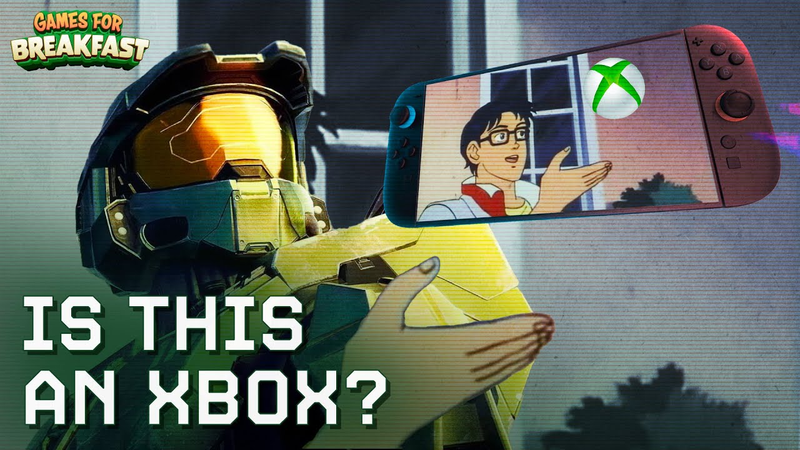
Xbox’s Switch 2 Support, Oblivion’s Remaster & Marvel Rivals Swimsuit Edition | Games For Breakfast
The gaming industry is currently undergoing a significant strategic pivot, moving away from traditional hardware-locked exclusivity toward platform-agnostic growth.
- Xbox is shifting toward a platform-agnostic strategy by committing to support the upcoming Nintendo Switch 2, which is expected to launch at a $450 price point.
- Major gaming companies are moving away from hardware-locked exclusivity to combat market saturation and reach broader, multi-platform audiences.
- Free-to-play titles like Marvel Rivals are facing backlash for aggressive monetization tactics, including complex currency systems and deceptive marketing for premium cosmetic content.
Recap: Greatest tips from my conference
The Inside Conference 2025 provides a comprehensive overview of indie game marketing strategies, focusing on practical tactics for Kickstarter management, publisher outreach, and demo distribution.
- Steam developers should aim for a minimum of 7,000 wishlists before launching, with 30,000 wishlists significantly improving performance in the Steam algorithm.
- When launching a demo on Steam, enable the 'separate store page' option to allow for independent user reviews and data collection without risking the reputation of the full game's store page.
- If a publisher reaches out early, use the opportunity to flip the script by asking them to pitch their services, deal terms, and requirements, allowing you to gather market intelligence while maintaining leverage.

The Secret Weapon Of Sound Design For Indie Games
Effective sound design serves as a critical tool for indie game developers to establish atmosphere, build immersion, and guide player perception.
- Use subtle, layered ambient sounds like reverb and pitch shifting to create depth and immersion, rather than relying on constant noise.
- Incorporate intermittent, low-frequency effects spaced minutes apart to build suspense and prevent players from identifying repetitive audio loops.
- Leverage audio to suggest complex environments and world-building, effectively compensating for visual limitations in resource-constrained indie projects.
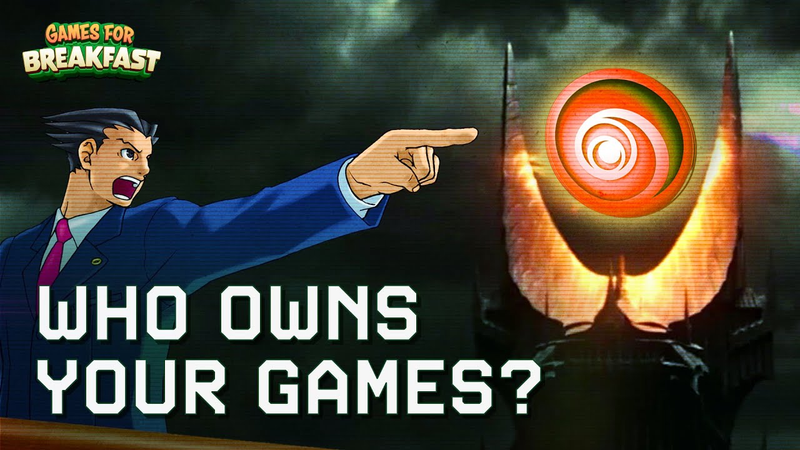
Ubisoft's Ownership Lawsuit, No More Switch 2 News, and Doom Runs On Doom! | Games For Breakfast
The current landscape of the video game industry is defined by a growing friction between consumer expectations of ownership and the reality of service-based licensing models.
- The legal challenge against Ubisoft regarding the shutdown of 'The Crew' is forcing a critical re-examination of whether digital and physical software purchases constitute permanent ownership or merely revocable access.
- Ongoing litigation may force industry-wide shifts, potentially compelling publishers to implement mandatory offline modes or escrow requirements for long-term software accessibility.
- The industry is currently defined by a tension between service-based licensing models and consumer demand for transparency regarding the lifecycle of digital products.
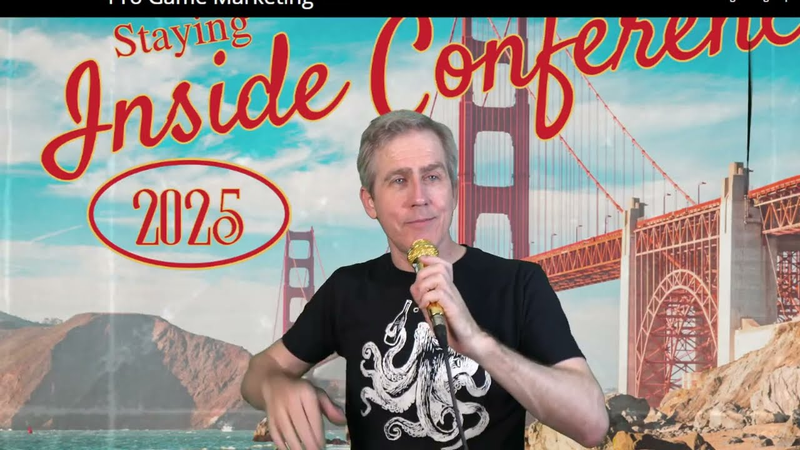
Live Q&A (Inside Conference)
The current landscape of the PC gaming market, specifically on Steam, reflects a transition from exponential growth toward a more stabilized release environment.
- Achieving approximately 250 reviews within the first month of release is the critical benchmark for establishing long-term commercial sustainability on Steam.
- Wishlists remain the most reliable metric for predicting potential success, while click-through rates are often misleading indicators of performance.
- Steam’s algorithm prioritizes titles that demonstrate high performance within a narrow one-to-two-week window, making initial momentum essential.
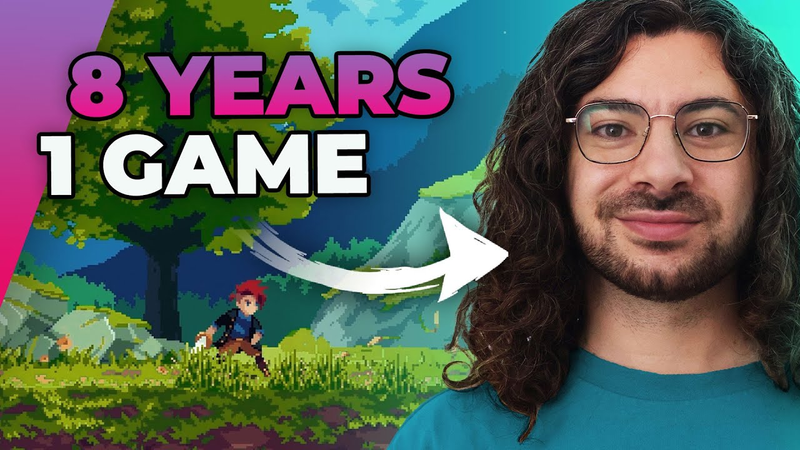
Why He Spent 8 Years On A Single Game (Adam Younis) — Full Time Game Dev Podcast Ep. 040
The development of independent games is increasingly defined by a tension between traditional marketing metrics and the cultivation of long-term community engagement.
- Live-streaming the creative process serves as a sustainable alternative to traditional marketing, fostering accountability and building a dedicated audience that values handcrafted development.
- Solo developers often rely on a hybrid financial model to maintain creative autonomy, combining personal savings, contract work, and government grants rather than seeking external funding that necessitates rigid deadlines.
- Human intentionality is a primary market differentiator, as AI-generated content lacks the cohesive, meaningful, and authentic experience that players seek in modern indie titles.