indie
CompanyUnited States
Documents about indie
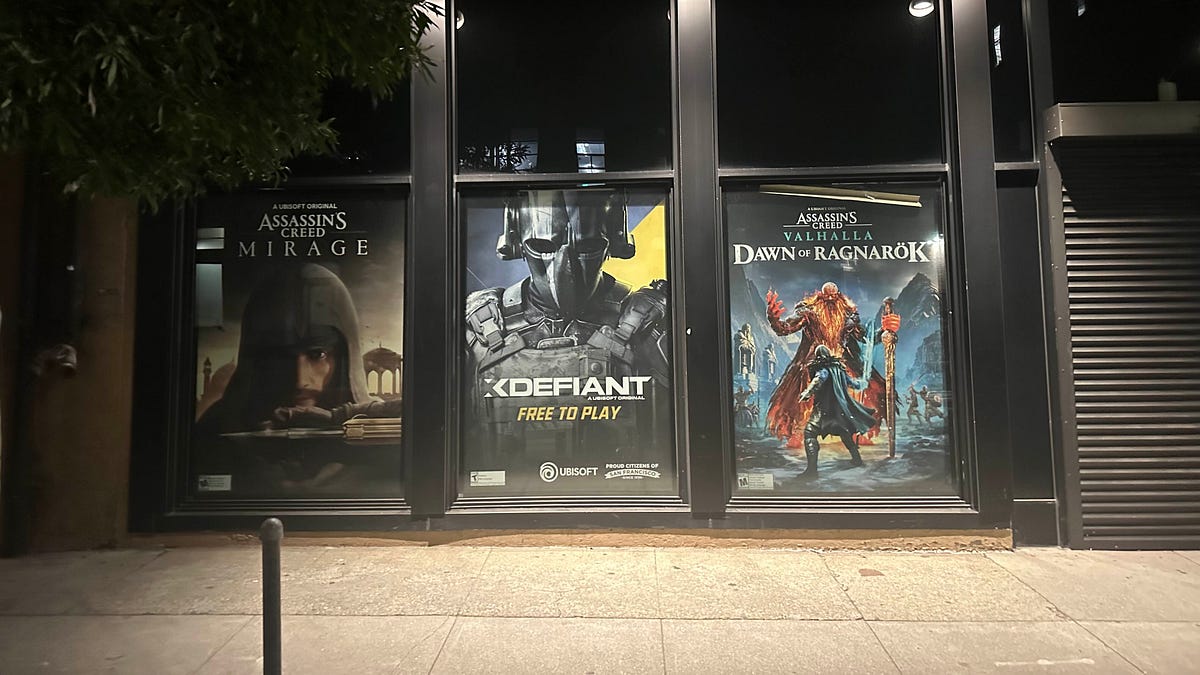
Games Marketers Are in Crisis Mode
The modern video game industry is experiencing a fundamental breakdown in traditional marketing efficacy, leaving major publishers struggling to secure commercial success for new releases.
- The traditional marketing playbook for high-budget, mid-tier titles is no longer viable, as consumer attention has shifted heavily toward established 'forever games' and surprise indie hits.
- The industry has bifurcated into a small group of publishers sustained by long-running franchises and a larger group of companies struggling to justify their operational scale through hit-seeking.
- High-budget titles from major studios are increasingly failing to achieve commercial success unless they are exceptional, as 'good' quality is no longer sufficient to drive sales.
How Decorating Game Furnish Master Grossed $787k on Steam
The decorating simulation game Furnish Master achieved significant commercial success during its first year of Early Access on Steam, grossing $787,000.
- Furnish Master grossed $787,000 in its first 12 months on Steam, resulting in approximately $407,600 in net profit for the developer after taxes, royalties, and expenses.
- The project was developed in spare time over two years with a total estimated budget of $85,000, including the value of the developer's time and $15,550 in direct cash costs.
- The game reached 205,000 lifetime wishlists as of February 2025, up from 96,000 at the time of its February 2024 Early Access launch.
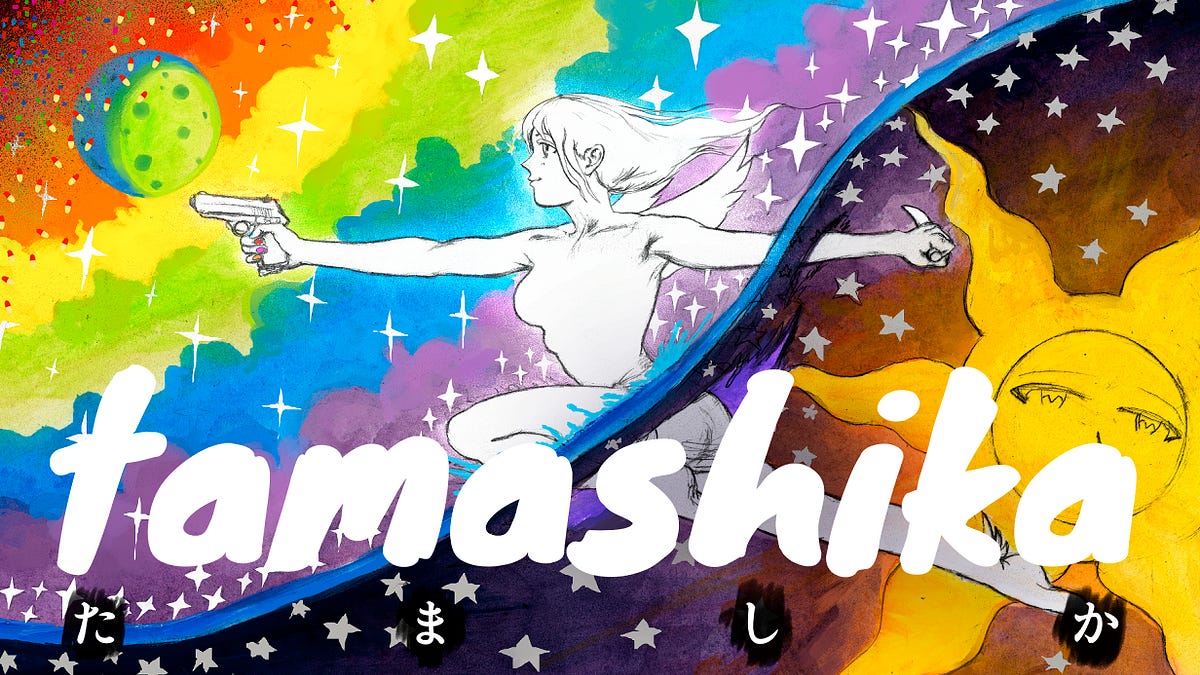
On That Super-Viral "My Indie Game for 15 Seconds" Tweet
The viral success of a 15-second gameplay clip for the upcoming indie title TAMASHIKA serves as a case study for modern social media marketing in the game industry.
- A 15-second gameplay clip for the indie title TAMASHIKA drove a 1,000% increase in Steam wishlists, demonstrating the high conversion potential of concise, high-impact social media content.
- The post’s reach was significantly amplified by a community-driven trend where other developers quote-tweeted the original content with their own 15-second clips.
- Hostile engagement and accusations of the game being derivative acted as a catalyst for visibility, proving that negative discourse can function as free promotion in the current social media landscape.
Is This the Future of Indie Game Publishing?
The current landscape of indie game publishing is shifting away from the traditional model of building a catalog of mid-to-high-budget titles, which proved successful between 2015 and 2021.
- The indie publishing model is shifting from mid-to-high-budget catalogs toward agile, low-cost strategies that prioritize rapid iteration and gameplay-led concepts.
- Rogue Duck Interactive generated $1.75 million in gross revenue and 300,000 units sold since March 2024 by focusing on strategy games priced between $6 and $12.
- High-velocity development cycles and social media-driven virality can lead to significant post-launch scaling, with successful titles seeing 30-day earnings reach ten times their day-one revenue.

GMTK Digest: January 2025
The January 2025 edition of the Game Maker’s Toolkit Digest serves as a curated industry update, focusing on emerging trends in game design and notable new releases.
- The detective and mystery genre is experiencing a design renaissance characterized by a shift toward player-led investigation and complex information synthesis.
- Recent titles like 'The Roottrees are Dead' demonstrate a growing market appetite for cerebral, non-linear gameplay that necessitates external note-taking.
- Modern mystery games are increasingly utilizing genealogy-based puzzles and analog-style interfaces to deepen narrative immersion.
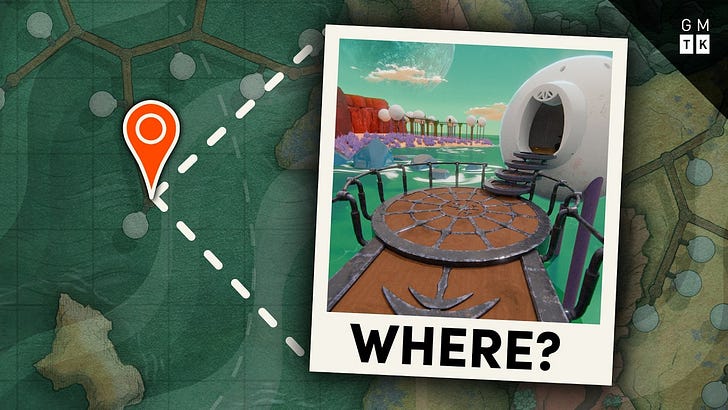
A Detective Demo Inspired by Geoguessr
The indie game Locator serves as a compelling case study in how core mechanics from the web-based geography game Geoguessr can be adapted into a narrative-driven, sci-fi detective experience.
- Empty Exhibit Games’ title Locator adapts Geoguessr-style mechanics into a sci-fi detective experience where players triangulate positions on an alien planet using astronomical and navigational data.
- To eliminate trial-and-error gameplay, the developer requires players to submit three correct location pins simultaneously, a mechanic inspired by the deductive structure of Return of the Obra Dinn.
- The game integrates narrative directly into puzzle-solving by ensuring every piece of text serves the dual purpose of advancing the story and providing essential navigation clues, a design choice influenced by Outer Wilds.
Indie & Roguelike Deck Builders on Live Streaming
The live-streaming performance of indie roguelike deck builders is heavily concentrated within a small cluster of dominant titles, with market success often driven by critical acclaim and word-of-mouth engagement.
- Live-streaming viewership for the roguelike deck builder genre is highly concentrated, with interest dominated by only three titles: Balatro, Slay the Spire, and Inscryption.
- Balatro experienced a significant resurgence in late 2024, with monthly hours watched nearly tripling from November to 2.4 million in December following its Game of the Year nomination.
- The roguelike deck builder genre reached a peak quarterly viewership of 11.7 million hours in 2024, driven primarily by the performance of Balatro.
Do Wishlists Get Old?
The primary purpose of this analysis is to evaluate the validity of the "old wishlist" theory, which posits that early Steam wishlists lose their conversion value over time, leading developers to delay page creation.
- Wishlists do not lose value over time; data from Song of Iron shows a flat conversion trend across cohorts regardless of when the wishlist was added, with an average conversion rate of 8.02% and a standard deviation of only 2%.
- Underperformance in games with high wishlist counts is typically driven by a mismatch between player expectations and gameplay quality, rather than the age of the wishlists.
- When a game fails to meet audience expectations—such as Song of Iron's 'Mostly Positive' rating compared to high-fidelity visual marketing—conversion rates remain consistently low across all historical cohorts.
Steam vs. People Algorithms
This analysis examines the interplay between the Steam platform’s automated systems and human consumer behavior in the context of indie game marketing.
- The Steam algorithm does not provide an automatic visibility boost for launching a Steam page, reaching 10 reviews, or achieving specific revenue milestones; these perceived spikes are often driven by human behavior or external marketing efforts.
- Steam does not penalize games for failing to meet wishlist targets within the first two weeks, though a lack of initial traction may indicate that the game's concept lacks viral potential.
- A 'Mixed' review score does not negatively impact algorithmic visibility on Steam as long as the rating remains at or above 40%, though it can reduce sales due to human consumer hesitation.
PulluP Entertainment Q3 2024 Financial Results
PulluP Entertainment’s financial results for the third quarter ending December 31, 2024, demonstrate significant growth, primarily fueled by the commercial success of Warhammer 40,000: Space Marine 2.
- PulluP Entertainment reported Q3 revenue of €100.8 million, representing a 132.7% year-over-year increase driven primarily by the success of Warhammer 40,000: Space Marine 2.
- Revenue from new game releases surged nearly 8x year-over-year, rising from €8.9 million to €68.5 million.
- Warhammer 40,000: Space Marine 2 reached 6 million unique players as of January 16, 2025, serving as the primary revenue driver for the company.
What Happened in 2024: Steam Marketplace Review
The 2024 Steam marketplace review analyzes the performance of indie and AA games released throughout the year, focusing on the "1,000 review" threshold as a key indicator of commercial viability and algorithmic visibility.
- The number of games reaching the 'success' threshold of 1,000 reviews increased by 25% in 2024, rising from 354 to 445 games.
- Despite the increase in successful titles, the overall success rate for games on Steam dropped to 2.44% in 2024, down from 2.56% in 2023 and 2.74% in 2022, as the total number of releases grew by 31%.
- Horror remains the most successful genre on Steam, holding the top position for the third consecutive year with 47 games reaching the 1,000-review milestone in 2024.

The Most Innovative Games of 2024
The primary purpose of this analysis is to highlight ten video games released in 2024 that demonstrate exceptional design innovation and creativity.
- The 2024 landscape of game design is defined by developers iterating on established genres, such as Balatro’s integration of roguelike mechanics into poker and Isles of Sea & Sky’s expansion of block-pushing puzzles into an open-world format.
- Procedural generation and unique narrative structures are driving innovation, exemplified by Shadows of Doubt’s procedural murder mystery mechanics and Cryptmaster’s use of word-guessing within dungeon crawling.
- Experimental design remains a significant trend, highlighted by the release of UFO 50, which features a collection of 50 distinct design experiments.