ArticlePush to Talk
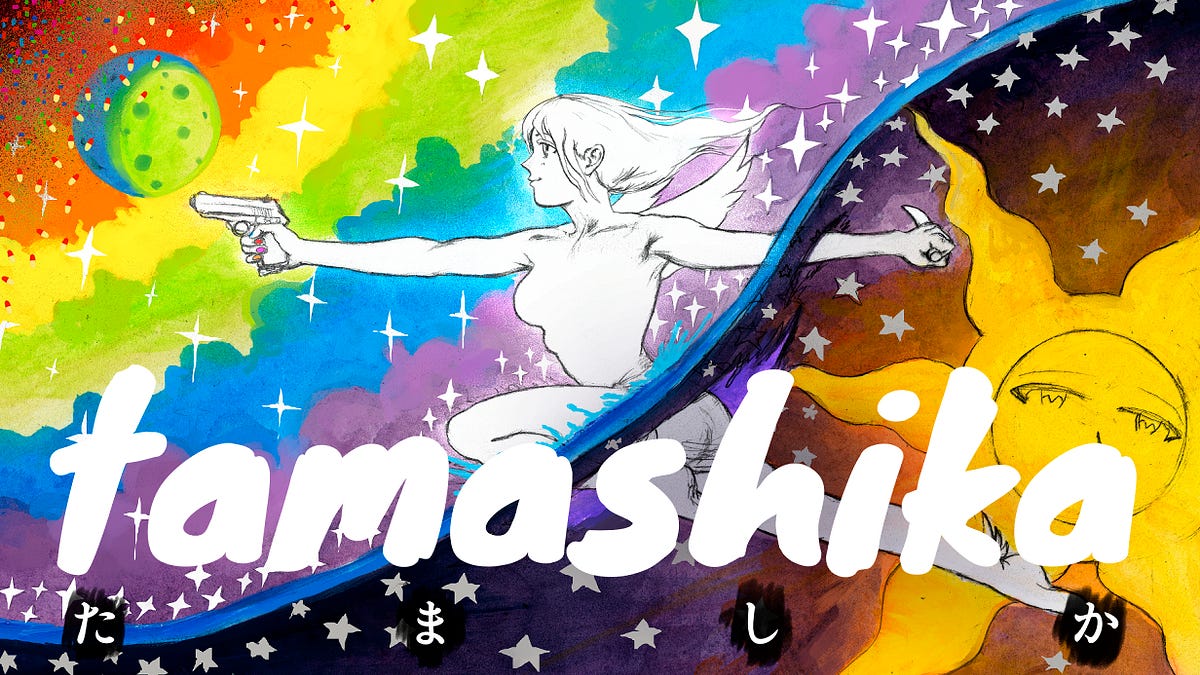
On That Super-Viral "My Indie Game for 15 Seconds" Tweet
14 Feb 20251 page~9 min full read
Key insights
4 slides
The key number
A 15-second clip drove a 1,000% increase in Steam wishlists.
The concise, high-impact presentation of TAMASHIKA's core gameplay loop captured audience attention. The post achieved significant reach despite prevailing industry sentiment that X has become ineffective for driving game sales.
Community trend
Other developers quote-tweeted the original post with their own clips.
The post’s virality was amplified by a trend of other developers quote-tweeting the original post with their own 15-second clips.
Quote-tweet trend. The post’s reach was significantly amplified by a community-driven trend where other developers quote-tweeted the original content with their own 15-second clips.
Hostile engagement
Accusations of being derivative acted as a catalyst for visibility.
The game faced vitriol and accusations of being derivative, but this negative attention functioned as a form of free promotion. The developer suggests the game’s vibrant, colorful aesthetic may have inadvertently triggered culture-war-related backlash.
Free promotion. Hostile engagement and accusations of the game being derivative acted as a catalyst for visibility, proving that negative discourse can function as free promotion in the current social media landscape.
Platform effectiveness
The clip challenges the view that X is no longer effective for sales.
The success of the TAMASHIKA clip challenges the prevailing industry sentiment that X (formerly Twitter) is no longer an effective platform for driving game sales. The event highlights the continued potential for organic discovery on social platforms when content is perfectly tailored to the medium.
1 / 4
Ask AI about this report