Hero
Company
Documents about Hero

PocketGamer.biz6 min
Size DOS Matter: Mattis Delerud of Team DOS talks to Biz during Dare to be Digital
Size Does Matter is a rhythm-action game developed by Team DOS that blends mechanics from titles like Tetris, Super Hexagon, and Guitar Hero.
- Size Does Matter is a rhythm-action game developed in Unity that combines mechanics from Tetris, Super Hexagon, and Guitar Hero for touchscreen devices.
- To circumvent the high costs of licensing mainstream music, the developers source royalty-free soundtracks from emerging electronic artists on platforms like Newgrounds.
- The game utilizes a free-to-play model that includes a base package of eight to ten songs, with additional revenue generated through the sale of artist-specific song packs.
PocketGamer.bizAug 2013
Extra Credits9 min
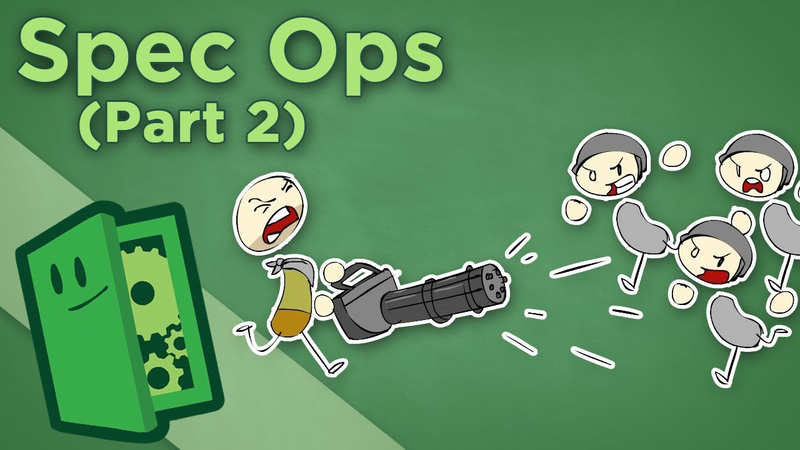
Spec Ops: The Line - II: What Does It Mean to be a Hero? - Extra Credits
Spec Ops: The Line serves as a critical examination of the modern military shooter genre, specifically challenging the player’s desire for a hero fantasy.
- Spec Ops: The Line critiques the military shooter genre by intentionally using repetitive, dated gameplay mechanics to induce player discomfort and mirror the protagonist's PTSD.
- The game challenges the traditional hero fantasy by using fourth-wall-breaking loading screens and dialogue to directly question the player's motivations for engaging in virtual violence.
- Designers utilized a holistic approach where visual cues, such as fading to white for hallucinations versus black for reality, effectively map the protagonist's psychological deterioration.
Extra CreditsSep 2012
Extra Credits8 min
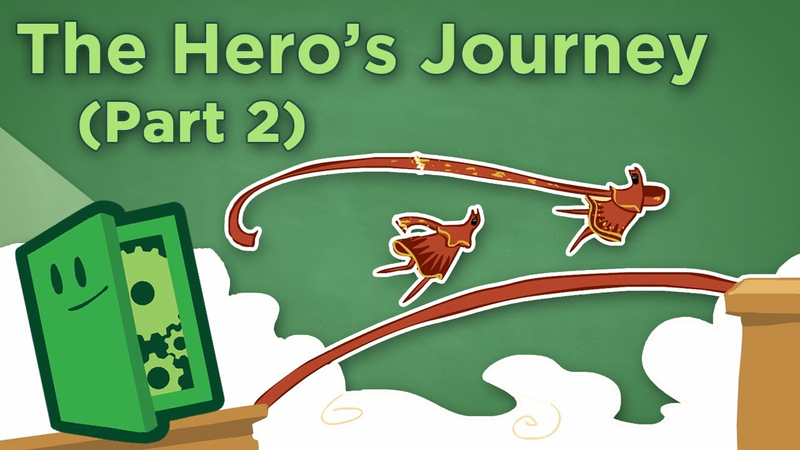
The Hero's Journey - II: Analyzing Journey's Mechanics as Metaphors - Extra Credits
The hero’s journey serves as a foundational narrative framework for game design, functioning not merely as a structural checklist but as a metaphorical tool to imbue games with deeper meaning.
- Game mechanics should function as metaphors for character growth and thematic development rather than serving as simple plot devices.
- The hero's journey framework is most effective when developers prioritize the underlying meaning of narrative beats over a formulaic, structural application.
- Mechanical progression must align with thematic resonance, ensuring that actions like acquiring items or changing environments mirror human struggles.
Extra CreditsJul 2012
Extra Credits6 min
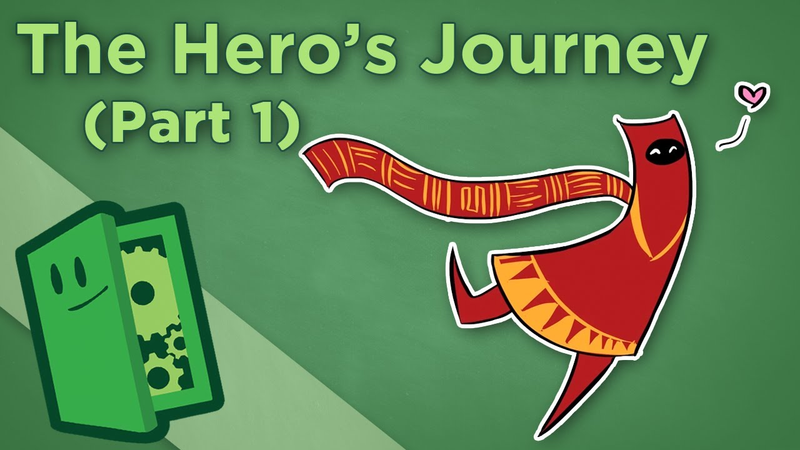
The Hero's Journey - I: How Journey Crafts a Compelling Narrative - Extra Credits
The hero’s journey, a narrative framework popularized by Joseph Campbell in 1949, serves as a foundational archetype in modern storytelling.
- The hero's journey framework is most effective when used as a diagnostic tool for character development rather than a rigid, prescriptive template for plot.
- Interactive media can elevate the hero's journey by forcing players to physically experience emotional narrative beats through gameplay mechanics.
- In 'Journey', the 'Refusal of the Call' is represented by environmental constraints like winds that push players back toward the objective, turning technical limitations into meaningful narrative moments.
Extra CreditsJul 2012