Game Studio
Company
Documents about Game Studio

Start A Game Studio In 12 Months (Seriously!)
Establishing an independent game studio is a viable goal within a 12-month timeframe, provided the developer maintains strict discipline and focuses on creating a high-quality, polished prototype rather than a full-scale commercial release.
- The primary objective of a 12-month studio launch is to build a high-quality, polished prototype to secure external funding, rather than attempting a full-scale commercial release.
- The roadmap allocates the first four months to foundational skill acquisition in Unity, C#, and design software, followed by a single-level prototype in month five.
- Developers should reserve months six and seven for internal focus testing and iterative refinement to ensure the core gameplay loop is engaging.

How I Quit My Job To Start An Indie Game Studio
The transition from traditional employment to full-time independent game development is driven by a combination of persistent creative passion, strategic preparation, and the psychological necessity of overcoming self-doubt.
- Transitioning to full-time indie development requires a disciplined schedule of two to three hours of daily development work while still employed to build a portfolio and validate concepts.
- Professional independence is a gradual process that necessitates shifting one's mindset from a passive employee to a proactive entrepreneur rather than an overnight career change.
- Crowdfunding platforms like Kickstarter serve as essential tools for validating game concepts and securing the financial independence required to leave traditional employment.

Glenn Scholfield's New Game Studio | Games ReCAP Episode 013
The establishment of Striking Distance, a new studio led by industry veteran Glen Schofield under the PUBG Corporation banner, marks a significant shift in the San Francisco game development landscape.
- Glen Schofield has established a new studio, Striking Distance, under the PUBG Corporation banner to develop horror-influenced experiences within the PUBG universe.
- The studio aims to expand the PUBG franchise by introducing a robust narrative identity and a dedicated single-player component.
- Striking Distance is utilizing Unreal Engine instead of proprietary technology to streamline development and support a sustainable games-as-a-service model.
Start Your Own Game Studio With These 5 Tools!
The primary objective of this guide is to provide independent developers with a foundational software toolkit for establishing a functional game studio.
- Unity serves as the foundational game engine for the studio due to its robust cross-platform porting capabilities and extensive C# documentation.
- Photoshop is essential for visual asset creation because it allows for real-time graphic updates within Unity during active play sessions.
- Spine 2D provides an accessible alternative to complex 3D software for character rigging and skeletal animation, featuring direct synchronization with Unity’s animation state machines.
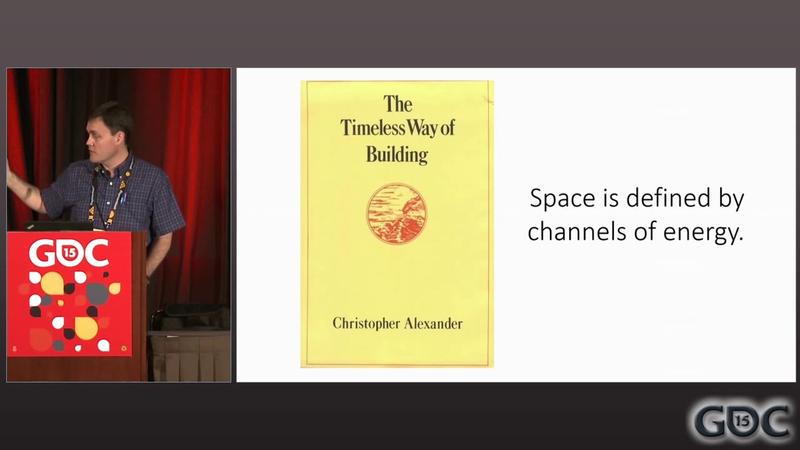
Game Studio Management: Making It Great
Effective game studio management functions best when organizations are treated as complex information networks rather than rigid hierarchies.
- Treat game studios as complex information networks rather than rigid hierarchies to ensure critical data flows efficiently across projects, processes, and people.
- Categorize all internal communication into distinct buckets of facts, opinions, and emotions to design deliberate systems that prevent project delays and morale degradation.
- Prioritize team social dynamics, such as conversational turn-taking and diversity, over individual IQ to foster collective intelligence and innovation.
So You Want To Be an Indie - How to Start an Indie Game Studio - Extra Credits
Independent game development requires a strategic approach that prioritizes manageable scope, business acumen, and iterative design over the high-production values typical of AAA studios.
- Prioritize core mechanics over content volume, as creating excessive assets before refining gameplay often leads to wasted effort and rigid design.
- Keep the scope of first-time projects small and achievable to ensure successful completion and market entry.
- Incorporate a 50% buffer into all project budgets and development timelines to account for unforeseen technical and administrative costs.