Finji
CompanyUnited States
6 documents in the library are about Finji, from writers such as Game Developers Conference, AI and Games and GameDiscoverCo. Each has a summary and key insights with the page they come from.
Connections
The documents about Finji on the inner ring, the other games and companies they name on the outer one. Select a cover to see it up close and open it in a new tab; drag to move, pinch or Ctrl + scroll to zoom.
On Steam
Steam estimates as of 9 Oct 2026. Revenue is premium revenue on Steam only: game sales, without DLC.
- Revenue as publisher
- $25.9M
- 13 games
- Revenue as developer
- $259K
- 2 games
- Units sold
- 1.5M
- as publisher or developer
- Headquarters
- United States
Finji’s best-selling games on Steam
| Game | Released | Share of the best seller | Revenue | Units |
|---|---|---|---|---|
| TUNICPublisher | 2022 | $12.7M | 563K | |
| Night in the WoodsPublisher | 2017 | $9.0M | 610K | |
| Chicory: A Colorful TalePublisher | 2021 | $1.7M | 120K | |
| I Was a Teenage ExocolonistPublisher | 2022 | $1.4M | 75K | |
| Wilmot Works It OutPublisher | 2024 | $364K | 34K | |
| FeistPublisher | 2015 | $273K | 29K | |
| OverlandDeveloper and Publisher | 2019 | $196K | 11K | |
| Wilmot's WarehousePublisher | 2019 | $170K | 16K | |
| PANORAMICALPublisher | 2015 | $89K | 12K | |
| CanabaltDeveloper and Publisher | 2015 | $63K | 30K |
Documents about Finji
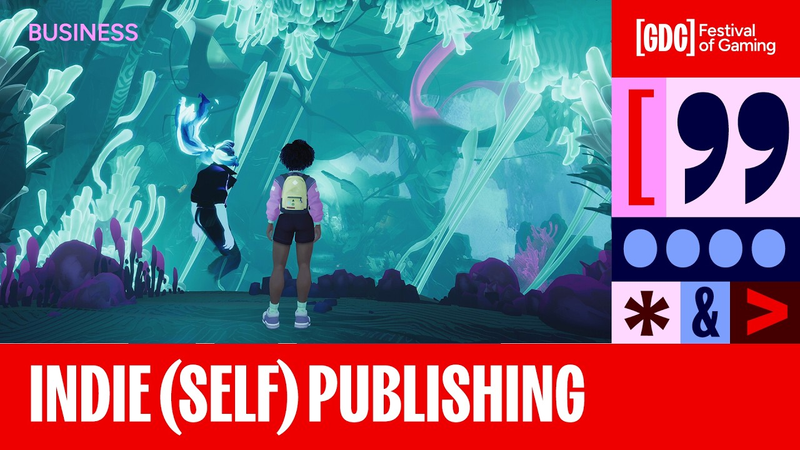
What Indie Game Publishers Really Think: 15 Years of Industry Insights from Finji's Rebekah Saltsman
Indie game publishing functions as a strategic partnership designed to mitigate the financial, operational, and interpersonal risks inherent in software development.
- Indie publishers typically manage titles with budgets of $2 million or less, focusing on small teams across all genres while providing essential business development, marketing, and operational support.
- Publishers act as mediators for team communication and project health, protecting their own reputation and financial investment by ensuring developers avoid burnout and adhere to platform-mandated schedules.
- When pitching to publishers, developers must demonstrate they can ship by providing realistic schedules, documented budgets with appropriate buffers, and clear team breakdowns to de-risk the project.

AI Slop Infects Game Promotion and Reviews
The video game industry is currently grappling with the proliferation of low-quality, AI-generated content, commonly referred to as "slop," which is increasingly infiltrating both promotional materials and critical reviews.
- Metacritic has removed the publication VideoGamer from its platform following the site's use of AI-generated reviews, citing a strict policy against AI-authored content.
- Publisher Finji is in an ongoing dispute with TikTok over the platform's unauthorized use of generative AI to create and run ads for Finji's games that allegedly featured racist, sexist, and sexualized content.
- A new browser plugin titled 'AI Warning for Steam' has gained over 4,000 active users by forcing a modal pop-up that highlights AI disclosures on Steam store pages, addressing concerns that Steam is de-emphasizing such information.
These Creators Are Ready to Showcase Their Games at 2026 GDC Pitch
The 2026 GDC Festival of Gaming, scheduled for March 9–13, 2026, at the Moscone Center in San Francisco, features the return of GDC Pitch.
- GDC Pitch 2026 will take place March 9–13 at the Moscone Center in San Francisco, serving as a professional development platform for independent studios to connect with publishers and investors.
- The event is split into two distinct tracks: day one focuses on publisher engagement, while day two is dedicated to venture capital firms and investment groups.
- Ten independent studios are participating in the showcase, including Coven, CYBRLICH Studios, Fortress Games, Red Mountain Games, Twenty Ninety Creative, Creadev Technologies, P3CO, Simply Sweet Games, Story Tools, and Totally Human Media.

Bekah Saltsman Breaks Down Indie Marketing Essentials: GDC Side Quest Podcast
The core objective of this discussion centers on the strategic implementation of marketing within the independent game development sector, specifically focusing on the methodologies employed by Finji.
- Marketing must be treated as a foundational element of game development rather than an afterthought, requiring early integration and consistent budgetary prioritization throughout the lifecycle.
- Finji’s strategy for the title Tunic demonstrates that success in the indie market depends on translating artistic vision into a compelling narrative that resonates with both core and broad gaming audiences.
- Developers must identify specific audience segments and tailor all communications to meet their unique expectations rather than relying on generic outreach.

The Surprising Things Escape Simulator Did to Become a Hit
This analysis examines the commercial trajectory of Escape Simulator and broader trends in game development costs and regional market stability as of early 2022.
- Pine Studio’s Escape Simulator generated over four million dollars in gross sales by prioritizing online co-op and Steam Workshop support at launch rather than pursuing the saturated VR/AR market.
- Competitive indie game development now requires budgets of three to four million dollars to maintain ethical labor practices, including fair wages, healthcare, and taxes.
- Regional tax incentives, such as Montreal’s 37.5 percent tax refund on staff costs, create significant economic disparities between Western studios and those in subsidized regions.
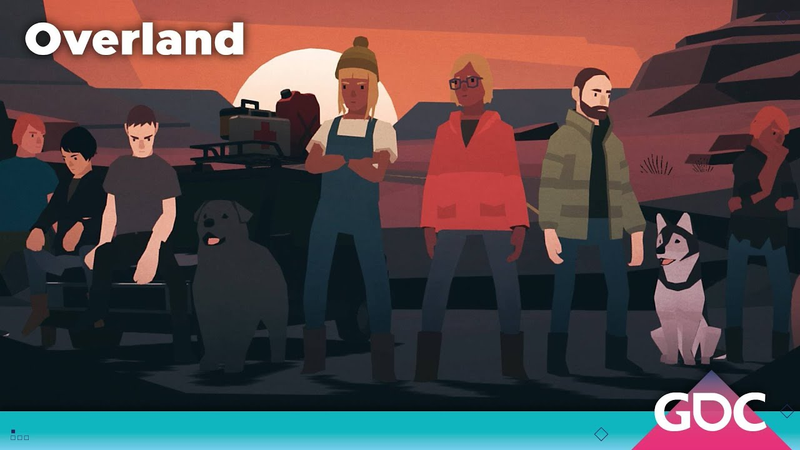
GDC Plays Overland with Finji co-founder Adam Saltsman
Overland serves as a case study in minimalist, turn-based strategy design, prioritizing emotional stakes and tactical vulnerability over the traditional power-fantasy tropes common in the post-apocalyptic genre.
- Overland was designed to evoke player vulnerability and fear rather than the traditional power-fantasy loop found in many post-apocalyptic strategy games.
- The development team prioritized 'proportional warning' for random events, ensuring that players receive a multi-turn heads-up before reinforcements or threats appear on the map.
- Procedural generation in the game utilizes a system of placement masks and 'wild card' modifiers, which act as cascading overrides to determine level layout and resource distribution.