
ArticleGame Developers Conference
Bekah Saltsman Breaks Down Indie Marketing Essentials: GDC Side Quest Podcast
21 Nov 2025~1 min full read
The core objective of this discussion centers on the strategic implementation of marketing within the independent game development sector, specifically focusing on the methodologies employed by Finji. The analysis highlights the critical components of a successful launch strategy, using the surprise performance of the title Tunic as a primary case study. By examining the intersection of creative development and commercial outreach, the discourse establishes that effective marketing is not merely an afterthought but a foundational element of a game's lifecycle that requires early integration and consistent budgetary prioritization.
Key findings emphasize the necessity of identifying specific audience segments and tailoring communication to meet their expectations. The conversation explores the practical allocation of marketing resources, suggesting that developers must balance traditional promotional tactics with modern community engagement strategies. Furthermore, the insights address the common misconceptions held by those outside the industry, clarifying that game marketing involves a complex interplay of timing, platform visibility, and brand identity rather than simple advertising.
The scope of these insights is primarily focused on the North American and global indie game market during the current digital distribution era. While the methodology is qualitative, based on the professional experiences and executive leadership of Bekah Saltsman, it provides a roadmap for small to mid-sized studios navigating a crowded marketplace. The conclusions suggest that the success of independent titles relies heavily on a studio's ability to translate artistic vision into a compelling market narrative that resonates with both core players and broader gaming audiences.
Game Developers Conference · 2026
Game Developers Conference · 2026
Game Developers Conference · 2026
Game Developers Conference · 2026
Game Developers Conference · 2026
Game Developers Conference · 2026

Game Developers Conference · 2026

Game Developers Conference · 2026

Game Developers Conference · 2025

Game Developers Conference · 2025

Game Developers Conference · 2025

Game Developers Conference · 2025
KOCCA – Korea Creative Content Agency · 2025

Virtuos · 2024

Adjust
GREE
GEEIQ · 2026

Almedia · 2026
Poki · 2026
Gamesight · 2026

InvestGame · 2026
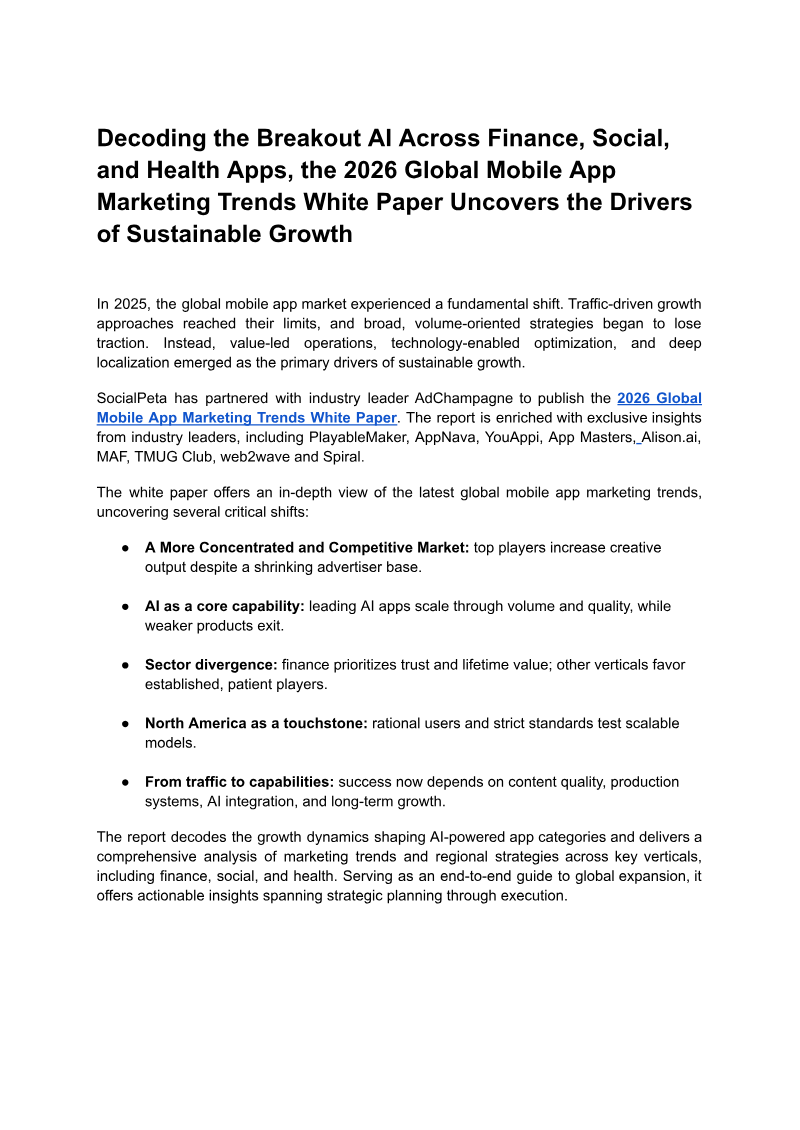
SocialPeta · 2026

SocialPeta · 2026
Anzu · 2026