EA Sports
Company
Documents about EA Sports
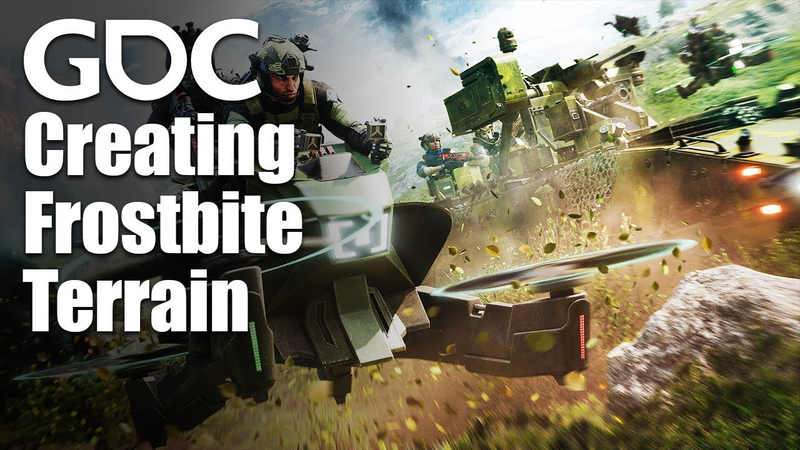
From Battlegrounds to Fairways: Terrain Procedural Tools in Frostbite
The Frostbite terrain procedural framework represents a paradigm shift in environmental design, moving away from manual painting toward a non-destructive, GPU-accelerated workflow.
- The Frostbite terrain framework transitioned from manual painting to a non-destructive, GPU-accelerated, node-based dependency graph, allowing for real-time manipulation of height fields and material masks.
- Adoption of this procedural system reduced manual environmental touch-up requirements from 15% to 1% within production teams.
- The engine utilizes a quad-tree layout and service-based architecture to manage GPU memory through just-in-time generation of procedural overlays, enabling immediate visual feedback.

Riccitiello Resigns / Diablo IV On Steam / FC 24 Scores
The gaming industry is currently navigating a period of significant structural and leadership volatility, characterized by executive turnover, widespread workforce reductions, and shifting distribution strategies.
- The gaming industry is undergoing a significant contraction, marked by over 6,100 layoffs in 2023 at major firms like Epic Games and Embracer Group due to inflation and rising capital costs.
- EA Sports FC 24 successfully navigated its rebranding, reaching 11 million players in its first week and demonstrating that exclusive licensing remains a powerful barrier to entry against competitors.
- Activision Blizzard’s move to bring Diablo IV to Steam indicates a strategic shift toward broader accessibility and a likely future consolidation of Battle.net into the Microsoft/Xbox ecosystem.

Inworld AI Raise / Playtika Acquires Youda / EA Earnings / BattleBit Remastered
The gaming industry is currently undergoing a structural transformation characterized by the rapid integration of artificial intelligence, the consolidation of legacy assets, and a definitive shift toward digital-only distribution.
- Inworld AI has reached a $500 million valuation, highlighting a significant industry-wide investment in generative AI tools to enhance NPC development and operational efficiency.
- The gaming industry is shifting toward a digital-only distribution model, effectively ending the viability of physical media as retailers prioritize shelf space for more profitable goods.
- The market is increasingly bifurcated into a barbell structure: high-budget, IP-driven blockbusters on one end and agile, low-fidelity hits like BattleBit Remastered on the other.

Blizzard On Steam / CD Projekt Cuts / EA Post-FIFA / Earnings Reports
The global gaming industry is currently undergoing a significant structural transition, moving away from the aggressive, growth-at-all-costs expansion that defined the 2021 market.
- The gaming industry is shifting from 2021's growth-at-all-costs model to a focus on operational efficiency, free cash flow, and the prioritization of core intellectual properties.
- Major firms are implementing workforce reductions and portfolio optimization, exemplified by CD Projekt's layoffs and the sunsetting of underperforming titles to maximize margins.
- Electronic Arts is actively reducing overhead by transitioning from the FIFA brand to EA Sports FC, effectively eliminating burdensome licensing costs while maintaining audience engagement.

FTC Halts Microsoft’s Acquisition / AI Narrative Gaming / EA Restructuring
The gaming industry is currently navigating a period of significant structural and regulatory transformation, characterized by aggressive corporate consolidation and the integration of emerging technologies.
- The FTC is actively challenging Microsoft’s acquisition of Activision Blizzard, creating significant operational uncertainty despite the deal securing approval in other global jurisdictions.
- Electronic Arts has restructured into two distinct divisions, EA Sports and EA Entertainment, to separate stable annual sports revenue from volatile creative projects and improve M&A readiness.
- Roblox is expanding its demographic reach by implementing 17+ age verification systems, aiming to host more mature content while managing the associated risks of user safety and moderation.
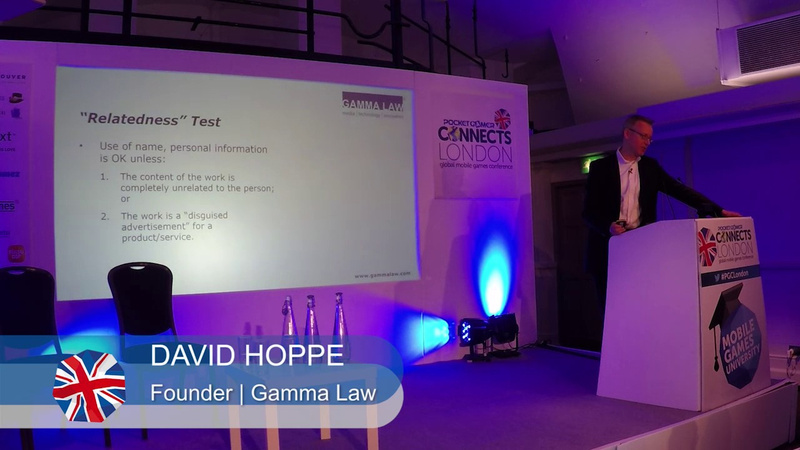
Video games and public figures: Legal update 2017
The legal landscape regarding the use of celebrity likenesses, names, and personas in video games remains highly unpredictable within the United States.
- Developers face significant financial risk for using celebrity likenesses, evidenced by a 60-million-dollar settlement paid to athletes in EA Sports litigation and a 15-million-dollar verdict against a comic book author.
- Courts lack a consistent legal framework for publicity rights, with outcomes ranging from protecting creative expression to massive judgments, such as the 403,000-dollar award against Samsung for a robot depiction of Vanna White.
- The primary risk factor for litigation is the developer's intent; if the inclusion of a persona is perceived as a strategy to leverage fame for audience attraction, courts are increasingly likely to rule against the developer.
