Disney
CompanyUnited States
Documents about Disney
The Halo Effect, 3x Gaming Entrepreneur Alex Seropian
The evolution of the gaming industry over the past three decades reflects a transition from garage-based bootstrapping to complex corporate integration and mobile-first strategies.
- Scaling a studio requires transitioning from early-stage creative risk-taking to organizational maturity, specifically by hiring specialized leadership early to manage operational complexities.
- The evolution of the Halo franchise from a real-time strategy concept to a first-person shooter demonstrates that long-term success relies on rigorous playtesting and active community engagement.
- Large conglomerates like Disney have struggled with vertical integration in gaming, suggesting that licensing models are often more pragmatic than attempting to build internal development capabilities without institutional experience.
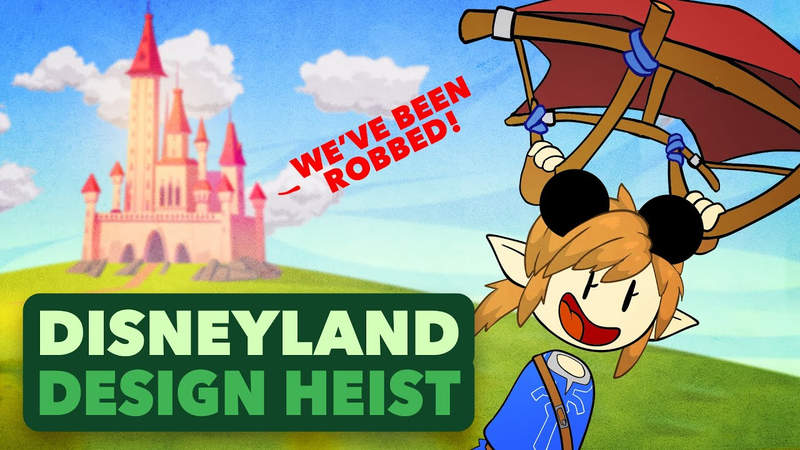
How Disney Inspired a Generation of Designers
Disneyland serves as a foundational blueprint for modern open-world game design, providing a physical template that has influenced the industry for decades.
- Disneyland’s hub-and-spoke layout serves as a foundational architectural model for modern open-world games, enabling efficient navigation and structured quest distribution.
- Designers utilize a central landmark, such as Sleeping Beauty’s Castle, as a persistent visual anchor to facilitate player orientation and exploration without reliance on in-game maps.
- The use of a long, linear entrance path acts as a controlled transition space, mirroring the tutorial-to-open-world progression common in game design.
Why Blizzard Didn’t Renew NetEase Partnership and What’s Next? - The Metacast by Naavik
The gaming industry is currently undergoing a significant structural shift characterized by cross-platform expansion, the integration of generative AI, and intense scrutiny of platform distribution models.
- Google’s 'Project Hug' initiative utilized hundreds of millions of dollars in financial incentives to major developers like Activision Blizzard and Riot Games to discourage the development of competing app stores and maintain the 30 percent platform fee.
- The Blizzard-NetEase partnership collapsed primarily due to Blizzard’s demands for higher revenue shares and the pursuit of global mobile IP development, exposing the volatility of international publishing in restrictive regulatory environments.
- Mobile-first studios, exemplified by Gameloft’s Disney Dreamlight Valley, are increasingly adopting cross-platform strategies to reduce market volatility and expand their reach beyond mobile-only audiences.

Game Design Innovation Requires Growing Pains - The Metacast by Naavik
Electronic Arts is actively pursuing strategic partnerships or acquisition opportunities to maintain its competitive standing amidst a wave of industry consolidation.
- Electronic Arts is actively pursuing potential mergers or strategic partnerships with major media entities like Apple, Disney, or Amazon to maintain competitiveness against rivals such as Microsoft and Take-Two.
- EA’s decision to terminate its FIFA licensing agreement signals a strategic pivot toward prioritizing proprietary intellectual property and operational autonomy over third-party brand reliance.
- The crypto gaming industry is moving away from speculative NFT scarcity and DeFi mechanics, shifting focus toward integrating blockchain primitives as foundational tools for genuine in-game utility.
TWIG 142: Netflix Hires Facebook Gaming Executive Mike Verdu
Netflix’s recent appointment of former Facebook Gaming executive Mike Verdu to lead its gaming division signals a strategic pivot toward interactive entertainment.
- Netflix has hired former Facebook Gaming executive Mike Verdu to lead a new gaming division, signaling a strategic shift to capture consumer time share against broader entertainment platforms like Fortnite.
- The company plans to integrate gaming as an ad-free, value-added component for its existing base of approximately 200 million subscribers.
- Netflix intends to avoid the console-market approach that contributed to Google Stadia's failure, focusing instead on interactive experiences tailored to its own platform.

PocketGamer.biz Podcast Episode #9: GREE sues Supercell, xCloud pulled from iOS, and more
The global mobile and console gaming landscape is currently defined by intense legal scrutiny, aggressive consolidation, and shifting release strategies.
- Zynga acquired hyper-casual developer Rollic for $168 million, a strategic move to test the sector's resilience following Apple’s IDFA privacy changes.
- Nintendo reported $3.4 billion in net sales for Q1 fiscal year 2021, driven primarily by the sustained success of the Animal Crossing franchise.
- Microsoft is integrating Project xCloud into Game Pass Ultimate to compete with Google Stadia, prioritizing subscription-based services and cross-platform accessibility.
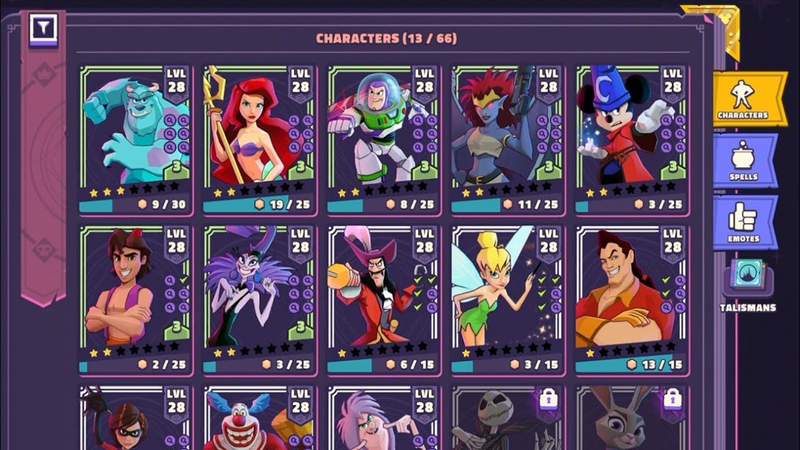
How does DISNEY SORCERER'S ARENA retain, engage and monetize?
Disney Sorcerer’s Arena, a squad-based turn-based RPG developed by Glu Mobile, utilizes a complex, multi-layered monetization and engagement model built upon the broad appeal of the Disney and Pixar intellectual property.
- Disney Sorcerer’s Arena utilizes a shard-based collection system for Disney and Pixar characters, mirroring the core mechanics of Star Wars: Galaxy of Heroes.
- Monetization is driven by an aggressive, multi-layered economy featuring randomized loot boxes, specialized stores, and frequent pop-up offers designed to accelerate player progression.
- The game employs a tiered battle pass system called the 'Pass Holder' season, which incentivizes monthly recurring spending through a premium 'Gold Pass' offering exclusive bonuses.
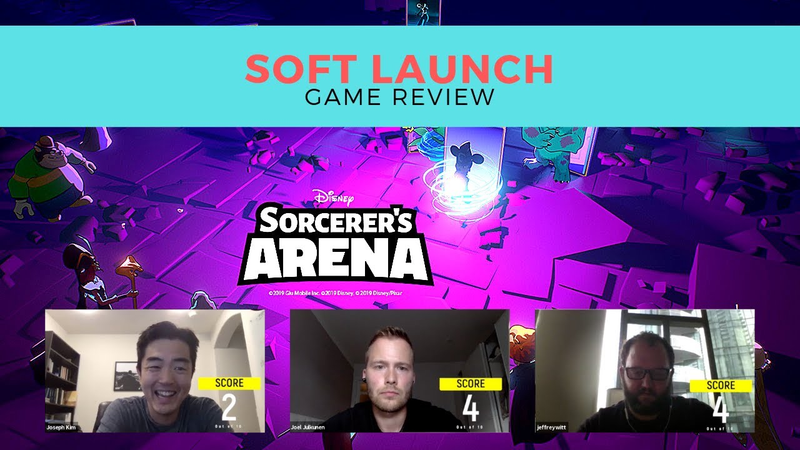
Disney Sorcerers Arena Mobile Game by Glu Mobile | Soft Launch Review
Disney Sorcerer’s Arena faces significant viability challenges as it navigates its soft launch phase, primarily due to a fundamental misalignment between its intellectual property and core gameplay mechanics.
- Disney Sorcerer’s Arena faces a critical demographic mismatch, as its complex, mid-core RPG mechanics fail to align with the casual, female-skewing audience typically associated with the Disney brand.
- The game is currently underperforming during its soft launch phase, characterized by low install volumes and poor revenue per download.
- Ineffective price anchoring and confusing monetization strategies serve as significant barriers to the game's commercial viability.
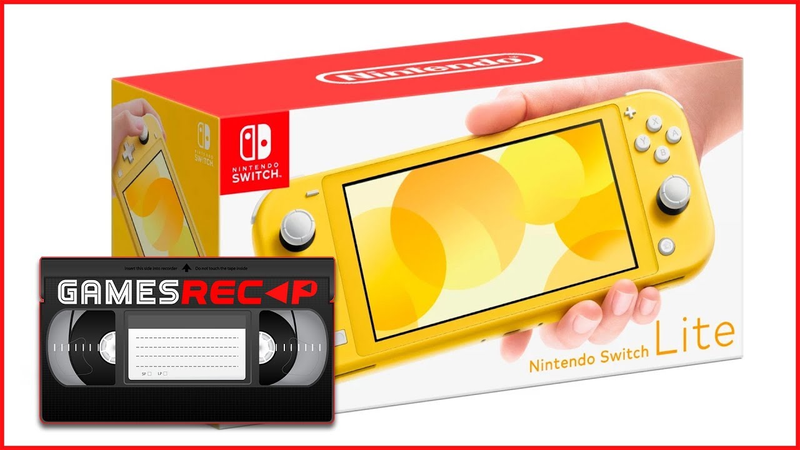
Nintendo Switch Lite | Games ReCAP Episode 021
The Nintendo Switch Lite serves as a strategic expansion of the hardware ecosystem, specifically targeting younger demographics and budget-conscious consumers through a durable, integrated unibody design.
- The Nintendo Switch Lite targets younger and budget-conscious demographics by utilizing a $199 price point and a durable, integrated unibody design.
- Nintendo’s hardware strategy prioritizes software library depth and portable, cohesive experiences over the high-end graphical performance pursued by competitors.
- The success of the Amiibo line demonstrates that high-quality, cross-game compatibility and limited-supply strategies effectively sustain long-term consumer demand.
Nintendo E3 Press Conference | Games ReCAP Episode 003
Nintendo occupies a distinct position within the global gaming industry by deliberately eschewing the hardware arms race for graphical fidelity in favor of accessible, stylized gameplay and robust first-party intellectual property.
- Nintendo maintains market relevance by prioritizing stylized, accessible gameplay and first-party intellectual property over the industry-wide arms race for graphical fidelity.
- The Nintendo Switch platform successfully balances a dual-content strategy by integrating nostalgic remakes like Link’s Awakening with innovative titles like Mario Maker and third-party software.
- Nintendo’s brand strategy mirrors that of Disney, focusing on long-term brand equity and consistent, player-centric design to differentiate itself from competitors’ hardcore, corporate aesthetics.
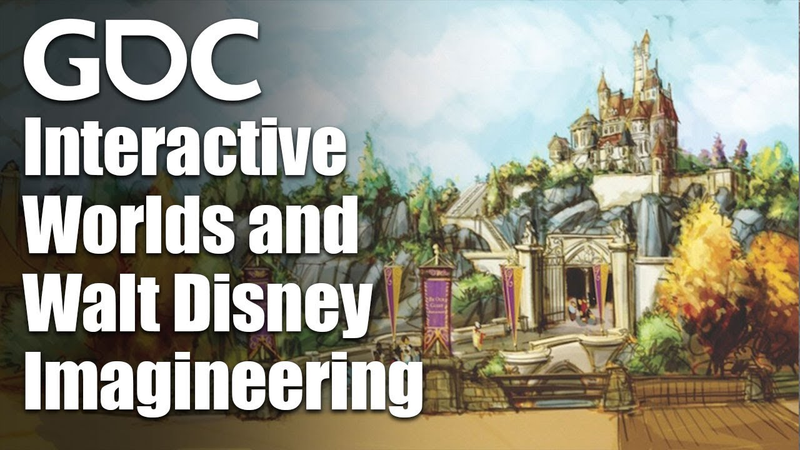
Playing with Magic: Interactive Worlds and Walt Disney Imagineering
The evolution of theme park design centers on transitioning guests from passive observers to active protagonists within immersive, narrative-driven environments.
- Theme park design is shifting from passive observation to active participation, where guests function as protagonists who influence the narrative through purposeful interactions.
- The 'magic circle' framework is utilized to define physical and narrative boundaries, granting guests the agency to shape their environment and drive the story forward.
- Designers integrate game mechanics, responsive environments, and bespoke hardware to transform attractions into interactive interfaces that react to guest actions.
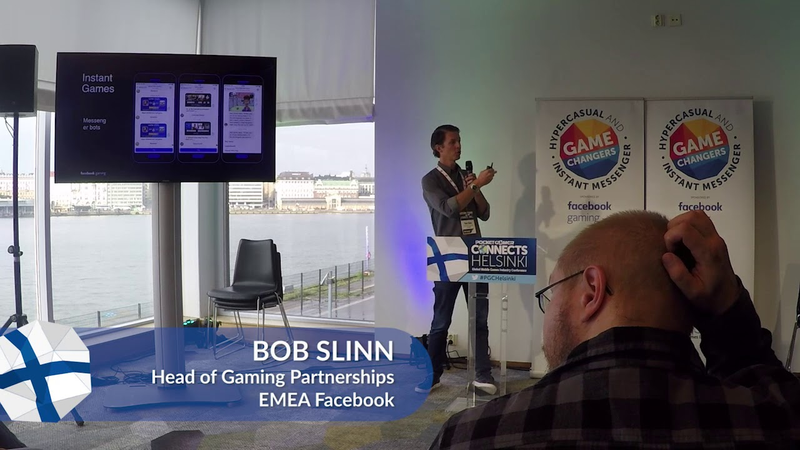
Facebook on Instant Games
Facebook’s Instant Games platform serves as a mobile-first, HTML5-based gaming ecosystem integrated directly into the Messenger and Facebook applications.
- Facebook’s Instant Games platform leverages a global user base of over 2 billion monthly active users to facilitate seamless game discovery and social play within the Messenger and Facebook applications.
- The platform utilizes an HTML5-based architecture that allows developers to build games once for deployment across both web and mobile, currently supporting a library of over 4,000 titles.
- Monetization for developers is supported through a combination of in-app purchases and the Audience Network, which provides interstitial and rewarded video advertising.