Disney
CompanyUnited States
Documents about Disney

Week in Mobile Games E57 - The solitaire gold rush and Finland's new immigration rules bite
The mobile solitaire genre has undergone a period of rapid expansion, with global player spending climbing to $470.2 million in 2023, nearly double the figures recorded in 2019.
- The SAG-AFTRA strike in the games industry has ended with a deal that includes a 15.17% pay increase, guaranteed minimums for digital replica use, and protections regarding AI-generated voice and performance work.
- Mobile solitaire games generated $470.2 million in gross player spending in 2024, a figure that has roughly doubled since 2019 despite a slight decline from the 2023 peak of $564.7 million.
- Disney Solitaire has significantly outperformed Candy Crush Solitaire in revenue, generating $25 million compared to $8 million despite both titles sharing a similar download volume of approximately 7.7 million.
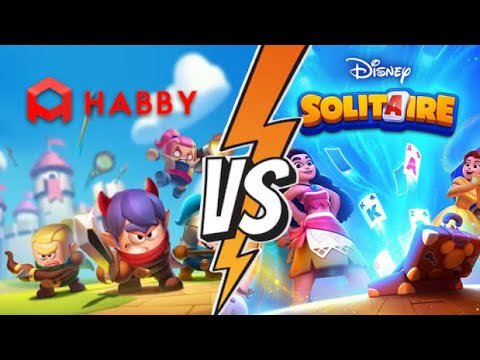
Habby's Wittle Defender vs Disney Solitaire: One of them is a Future Hit!
The mobile gaming landscape is currently defined by two distinct strategies: the aggressive application of legacy intellectual property (IP) to saturated genres and the iterative refinement of hybrid-casual mechanics.
- Habby is scaling revenue by applying a standardized meta-layer—featuring roguelike abilities, stat-based power scores, and squad RPG elements—across diverse core gameplay loops.
- The soft-launch title 'Wittle Defender' utilizes idle tower defense mechanics to target 'dead time' consumption, intentionally reducing the high-cognitive-load requirements of active-input mobile games.
- Major publishers are leveraging legacy IP like Disney and Candy Crush to secure a cost-per-install (CPI) advantage in the saturated solitaire market, currently dominated by titles like Grand Harvest.
Is Nintendo Switch 2 a legitimate rival to Xbox and PlayStation this time? | Here’s The Dring
The Nintendo Switch 2 represents a significant shift in Nintendo’s market positioning, moving from a peripheral, family-focused console toward a more direct competitor with the PlayStation and Xbox ecosystems.
- The Nintendo Switch 2 is shifting strategy to compete directly with Xbox and PlayStation by supporting high-fidelity third-party titles like Call of Duty, Madden, and Elden Ring.
- Nintendo is targeting the 'time-poor' adult demographic, aiming to establish the Switch 2 as an essential secondary console for core gamers who prioritize portability and flexibility.
- Nintendo has successfully evolved its core franchises—including Mario, Zelda, and Animal Crossing—into diversified entertainment pillars that span movies, merchandise, and theme parks.

TWIG #314 Market Predictions, Nintendo Leaks and an Award Ceremony
The gaming industry is currently navigating a period of significant volatility, characterized by a stark contrast between high-stakes venture capital activity and widespread operational instability.
- The gaming industry is experiencing a bifurcated market where speculative capital continues to flow into Web3 and metaverse projects, exemplified by Infinite Reality’s $12.3 billion valuation, despite widespread operational instability and layoffs throughout 2024.
- Success in the hero shooter genre is increasingly dependent on high-frequency content cadences, as demonstrated by Marvel Rivals successfully challenging established titles like Overwatch and Apex Legends.
- Major industry players such as Ubisoft and Embracer Group are undergoing significant reputational and operational damage, signaling a broader market rejection of unsustainable growth models and massive corporate restructuring.

🏆 The 2024 Golden TWIG Awards: an Unfiltered Gaming Industry Award Show
The 2024 gaming landscape is defined by a stark dichotomy between the resilience of agile, creative titles and the systemic failures of high-capital, venture-backed enterprises.
- The gaming industry experienced a significant contraction in 2024, resulting in approximately 14,600 layoffs as companies corrected for post-lockdown operational bloat and inflated valuations.
- Despite broader industry struggles, Steam reached a record-breaking 39.3 million peak concurrent users, demonstrating that consumer engagement remains high for platforms that successfully capture market demand.
- High-capital, venture-backed AAA projects are increasingly viewed as unsustainable, evidenced by the failure of titles like Concord and Squad Busters to achieve market fit despite massive development budgets.
TWIG #308 Plarium Gets Raided / Take-Two Divests / EA CEO Flirts With Disney
The gaming industry is currently navigating a period of significant structural realignment, characterized by a cooling of mobile valuations and a strategic retreat from non-core assets among major publishers.
- Aristocrat divested its mobile studio Plarium to Modern Times Group for $820 million, a valuation reflecting a cooling mobile market and geopolitical risk.
- Take-Two Interactive is offloading its ad-tech platform Chartboost and the Private Division publishing label to prioritize high-margin core intellectual property over operational complexity.
- The gaming industry is experiencing a structural shift as traditional venture capital models struggle to reconcile with the hit-driven, creative-led nature of AAA development.
TWiG #291 Valve Salaries, Leaked MiHoYo Strategy, and Failing Disney IPs!
The global video game industry is currently navigating a period of significant structural transition, characterized by shifting demographic preferences and the struggle to balance traditional monetization with emerging subscription models.
- The global video game industry is projected to grow from $200 billion in 2022 to $307 billion by 2027, driven primarily by Gen Alpha and Gen Z preferences.
- Valve’s 2021 operational data highlights extreme profitability, with a lean staff of 336 employees earning an average annual compensation of $1.32 million, though this model limits the company's ability to scale.
- Subscription-based models like Microsoft's Game Pass have yet to achieve the mass-market adoption necessary to replace traditional hardware-centric revenue strategies.

TWIG #278 The AAA Studio Model is Dead??? And who are the BIG Gaming VC Funds good for?
The modern gaming industry is currently navigating a period of structural tension between traditional AAA development and the evolving demands of venture capital and transmedia integration.
- Despite industry speculation, high-budget AAA titles remain the primary drivers of revenue and player engagement according to data from Newzoo and Circana.
- The pursuit of Hollywood-style transmedia adaptations often fails to yield significant incremental revenue relative to high production costs, indicating a lack of strategic alignment for long-term growth.
- Venture capital firms like a16z and Bitkraft are creating market instability by pressuring portfolio studios to pursue high-risk, unicorn-style returns that conflict with sustainable development.
6 Days of Indie Game Dev - Devlog
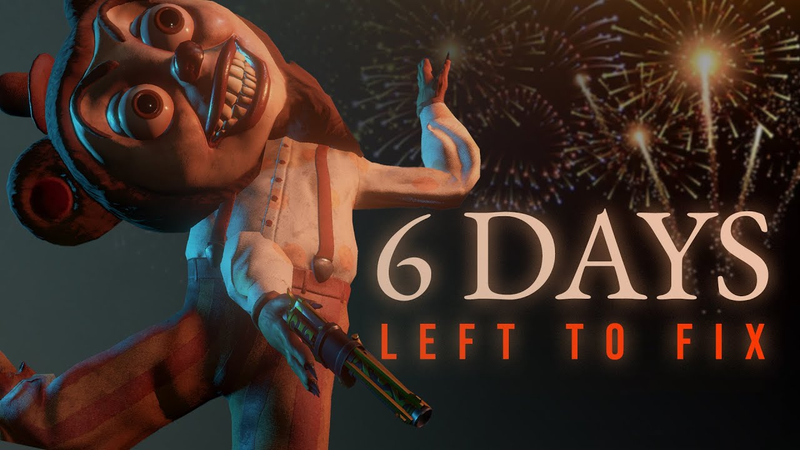
The development process for the first-person shooter Twisted Tower focuses on reconciling a thematic dissonance between a Disney-inspired fairy tale aesthetic and a gritty horror environment.
- To establish a distinct visual identity for the FPS 'Twisted Tower,' the developer pivoted from a generic shooter aesthetic to a 'Disney-esque horror' theme by applying 'grimy' textures to clean assets to create a jarring, contradictory effect.
- Small-scale texture adjustments, such as adding subtle shadows or grid patterns to flat surfaces, can significantly enhance environmental depth and visual interest without requiring complex modeling.
- The developer emphasizes that effective game design often relies on 'slamming two contradictory ideas together,' such as pairing cute, whimsical themes with violent, grotesque gameplay elements.
Fireside Chat: How the Home of Dead by Daylight has Stayed Independent. Charlie Scowen & Danni Pratt
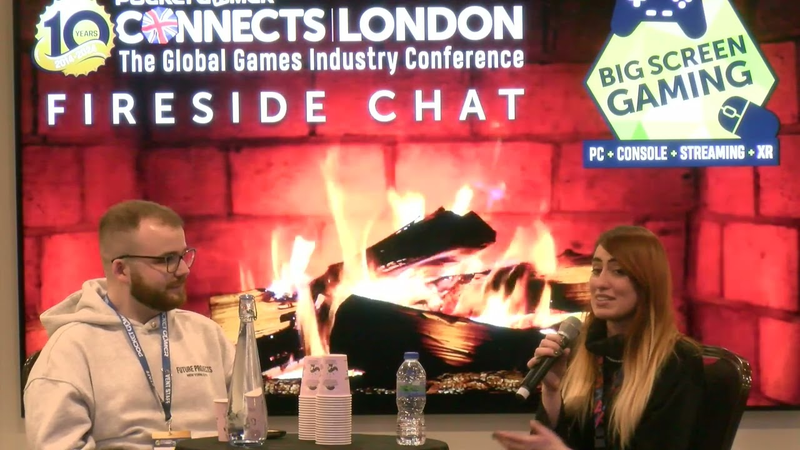
Behaviour Interactive, a Canadian game developer with over 30 years of industry experience, maintains its independence by balancing original intellectual property development with strategic co-development services.
- Behaviour Interactive has maintained independence for over 30 years, currently employing over 1,300 people across six global studios.
- The studio enforces a strict 'no-crunch' policy, a culture spearheaded by CEO Rémy Racine that prioritizes work-life balance and employee retention.
- Behaviour Interactive utilizes a 'passion-first' service model, refusing to accept external development projects unless at least one team member is personally obsessed with the specific IP.
Disney x Fortnite / Heroes of Mavia Launch / WB Live Service Stumbles
The gaming industry is currently undergoing a structural transformation characterized by a move away from traditional standalone development toward interconnected digital ecosystems and community-driven engagement.
- Disney is investing $1.5 billion into Epic Games to integrate its intellectual property into Fortnite, shifting away from internal development to leverage an existing, persistent cross-platform ecosystem.
- The gaming industry is moving toward interconnected digital ecosystems, prioritizing organic player retention and high-quality gameplay over aggressive, top-down monetization strategies.
- Forced live-service mechanics are alienating core audiences, as evidenced by the poor reception of Warner Bros. titles like Suicide Squad: Kill the Justice League and Mortal Kombat 1.
From Animation to Zynga to Baobab Studios - Maureen Fan on Building Interactive IP Across Platforms
The evolution of modern entertainment lies in the convergence of cinematic storytelling and interactive gaming.
- Successful interactive entertainment requires a hybrid leadership model that balances data-driven product management, such as A/B testing, with high-quality creative storytelling.
- Studios should prioritize long-term stability by securing strategic partnerships and investment from established industry entities like Comcast and Disney rather than chasing short-term financial gains.
- The core strategy for modern media production involves creating transmedia intellectual property that allows audiences to transition from passive viewers to active protagonists.