Commodore
Company
Documents about Commodore
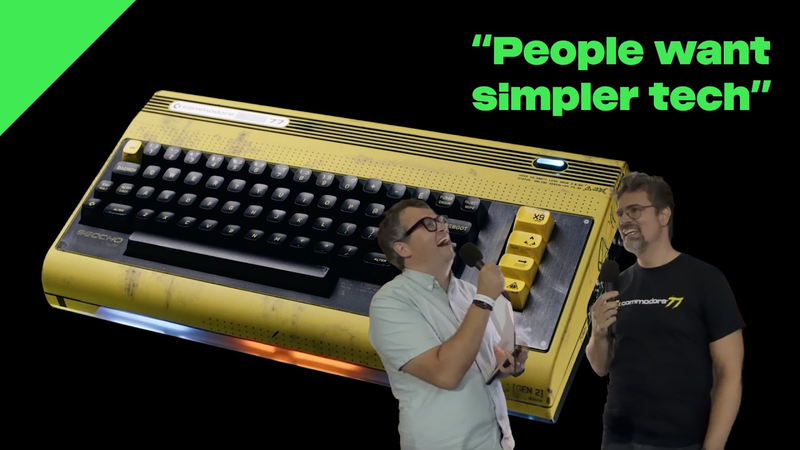
How one Star Wars actor became the CEO of Commodore
Commodore, under the leadership of CEO Christian Simpson, is executing a dual-track business strategy that blends retro-computing nostalgia with modern digital minimalism.
- Commodore has successfully pivoted from a niche hobbyist brand to a multifaceted publisher, selling over 27,000 Commodore 64 units since its relaunch.
- The 'Comeback 8020' flip phone, which promotes digital minimalism by excluding social media, achieved first-weekend sales volume equal to the first three months of Commodore 64 hardware sales.
- The company is executing a dual-track business strategy that balances retro-computing nostalgia with modern digital minimalism to capture a broader market beyond traditional gaming enthusiasts.
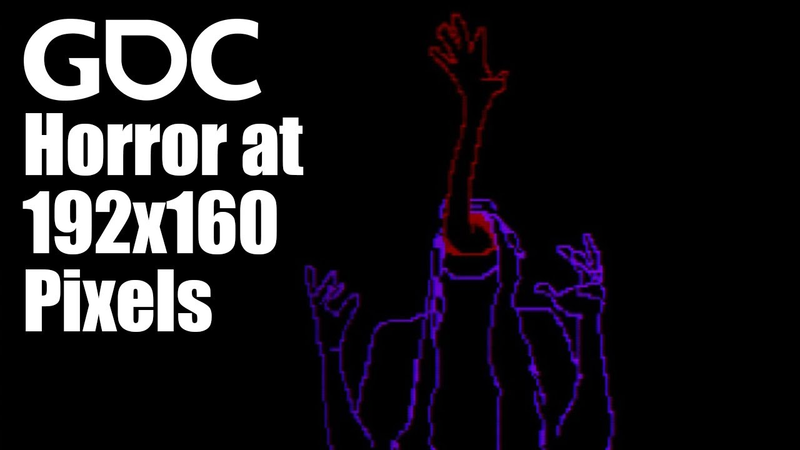
The Art of FAITH: Horror at 192x160 Pixels
The development of the horror game FAITH serves as a case study in how strict aesthetic constraints and low-fidelity visuals can effectively generate dread and compete with high-budget, next-generation horror titles.
- The horror game FAITH achieves atmospheric dread by imposing strict technical constraints, including a 192x160 resolution, a limited color palette, and a 15 frames-per-second cap.
- The developer utilized rotoscoped animations—comprising 75 to 120 hand-traced drawings per sequence—to create an uncanny, lifelike contrast against the low-fidelity pixel environment.
- By leveraging the high level of abstraction inherent in early pixel art, the design successfully exploits the 'fear of the unknown' to compete with high-budget, next-generation horror titles.

Classic Game Postmortem - Raid On Bungeling Bay
The development of Raid on Bungeling Bay, released in 1984, serves as a pivotal case study in the technical ingenuity required during the early 8-bit computing era.
- The financial success of Raid on Bungeling Bay, which sold 800,000 units on the Nintendo platform in Japan, provided the essential capital required to launch Maxis.
- The project achieved unprecedented smooth-scrolling graphics on the Commodore 64 by utilizing manual, byte-level memory management and custom development interfaces.
- The game introduced a dynamic, clockwork resource-management system where enemy defenses escalated based on player progress, establishing early foundations for the simulation genre.
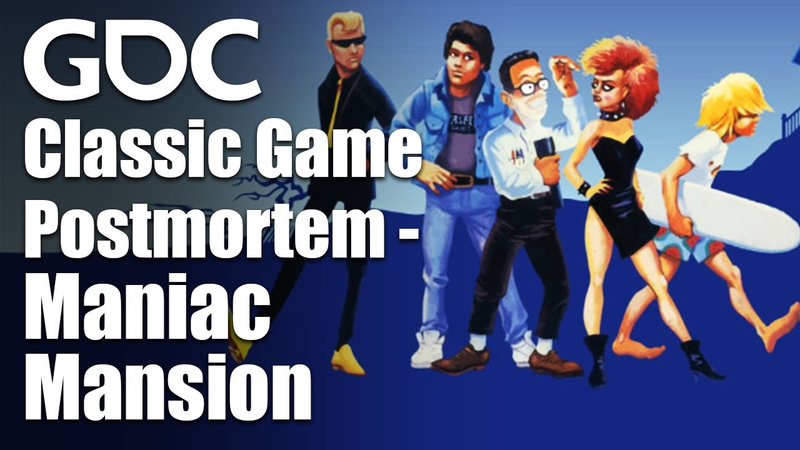
Classic Game Postmortem: Maniac Mansion
Maniac Mansion, released in 1987 by Lucasfilm Games, represents a foundational shift in the adventure game genre.
- The 1987 release of Maniac Mansion by Lucasfilm Games revolutionized the adventure genre by replacing text parsers with a visual, verb-based interface and introducing the cinematic cutscene.
- The development of the SCUMM (Script Creation Utility for Maniac Mansion) engine provided a multitasking scripting language that enabled efficient memory management on the Commodore 64 and served as the technical foundation for future adventure titles.
- The game introduced high replayability through a character-selection system, allowing players to choose three out of seven available characters, each with unique abilities that required different puzzle-solving strategies.

Finnish mobile games history: part 2
The Finnish mobile gaming industry underwent a transformative shift following the introduction of the iPhone and the subsequent launch of the App Store.
- The 2008 launch of the Apple App Store ended operator-controlled distribution, allowing Finnish developers to bypass restrictive barriers and access a global market directly.
- The introduction of in-app purchases in 2009 served as the critical catalyst for the industry's shift from premium, one-time-purchase models to the dominant freemium, free-to-play structure.
- Major companies like Rovio and Supercell have acted as industry anchors, attracting venture capital and providing a blueprint for success that inspires new generations of local developers.