
Matthew Ball
Essays on gaming platforms, media-tech economics, and the metaverse (Epyllion).
Documents

On EA’s Next Act and Its Vision for Sports and Sports Fandom
The acquisition of Electronic Arts (EA) by a consortium led by Saudi Arabia’s Public Investment Fund, Silver Lake, and Affinity marks a strategic pivot toward the convergence of interactive gaming and live sports media.
- EA was acquired for $55 billion by a syndicate including Public Investment Fund, Silver Lake, and Affinity, representing a 25% premium over its unaffected stock price, which is modest compared to other recent gaming acquisitions like Activision Blizzard (45%) or Zynga (64%).
- EA's stock performance was stagnant, up only 17.2% from January 2021 to the deal, and net bookings were mostly flat to down ($7.52B in 2022 to $7.35B in 2025), as was adjusted EBITDA ($2.17B in 2022 to $2.05B in 2025).
- The company's growth has been heavily concentrated in sports titles like _EA Sports College Football_, _FC (née FIFA)_, and _Madden_, which constituted over 80% of non-mobile playtime and an even greater share of cash flow in 2024, while other franchises like _The Sims_, _Dragon Age_, _Mass Effect_, and _Battlefield_ struggled or were cancelled.

The Success of Black Myth: Wukong and What It Means for Media
The success of the video game Black Myth: Wukong serves as a primary case study for the shifting landscape of global media consumption, highlighting a transition toward domestically produced, culturally resonant content in major international markets.
- Black Myth: Wukong, a single-player game based on Chinese folklore, sold over 20 million copies since its August 20th release, grossing nearly $1 billion and setting a new Steam record for concurrent players, despite a 'generally favorable' Metacritic rating of 81.
- At least 75% of Black Myth: Wukong's sales are from within China, demonstrating a strong domestic preference for culturally relevant content, contrasting with Western single-player titles that typically achieve single-digit sales in China.
- China's film industry has seen a significant shift towards local content, with Hollywood films dropping from an average of 5.3 of the Top 10 releases between 2011-2013 to just 1.3 between 2021-2023.

Breaking Down OnlyFans’ Stunning Economics
OnlyFans has emerged as a dominant force in the creator economy, establishing itself as a highly profitable, large-scale media platform.
- OnlyFans paid out $5.3 billion to creators in 2023, a 19% increase year-over-year, and has paid over $15 billion to creators in total over the past five years.
- OnlyFans retains 20% of gross revenues, resulting in $1.3 billion in net revenues for the platform in 2023.
- The platform has over 300 million registered users and 4.1 million creators, with two-thirds of its revenues coming from users in the United States.

Roblox: Is It the Biggest Game in the World?
Roblox has established itself as a dominant force in the global digital landscape, commanding an unprecedented scale of over 380 million monthly active users.
- Roblox has unprecedented scale, with over 80 million daily users and 380 million monthly users, surpassing Steam, PlayStation, and Nintendo Switch in monthly active users, and often ranking among the most played games on PlayStation and Xbox.
- Despite its massive user base, Roblox is unprofitable, averaging $138 in costs for every $100 in revenue, largely due to platform fees (23% of revenue) and developer payouts (26% of revenue), which together consume 49% of revenue before Roblox's own operational costs.
- A major cost category is Trust & Safety (15% of revenue), which is critical for combating issues like harassment and predation, as highlighted by a 2024 Bloomberg report on a 'pedophile problem' and Turkey's outright ban of the platform.

9 Takeaways from the Vision Pro After 6 Months
Apple’s Vision Pro serves as a high-end showcase of spatial computing technology rather than a transformative consumer device.
- Apple invested heavily in the Vision Pro, spending an estimated $33 billion on R&D over eight years, comparable to Meta's XR investments, and filed over 5,000 patents during its development.
- Despite Apple's marketing as a 'spatial computing' device, the Vision Pro primarily functions as a VR device, with its most popular use cases like movie watching not requiring passthrough functionality.
- The Vision Pro's high price ($3,500), weight, and lack of shared experiences (requiring multiple devices for co-experience) significantly limit its appeal and prevent it from replacing existing devices like laptops or smartphones.
The Founding of Epic Games and the Quest to Build the Metaverse
The evolution of Epic Games from a small 2D developer to a central architect of the metaverse is rooted in a consistent philosophy of empowering user-generated content and accessible game-creation tools.
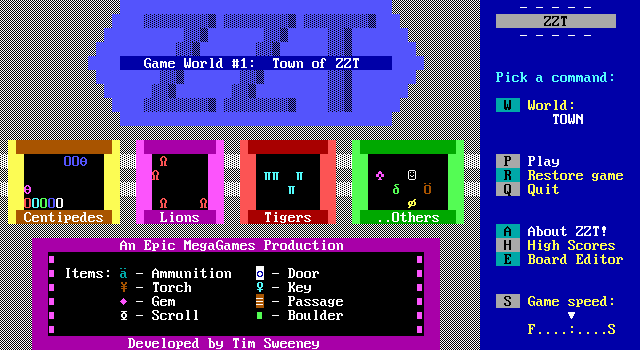
- Epic Games, founded by Tim Sweeney in 1991, initially focused on 2D games like ZZT before shifting to 3D with the 1998 hit "Unreal," which sold 1.5 million units by its fourth anniversary.
- The "Unreal Engine," which powered the game "Unreal," was Epic's primary investment, costing about $3 million ($6 million in 2024 dollars) to produce, rather than the game itself.
- Epic Games successfully built a business around licensing the Unreal Engine starting in 1996, generating $250,000–$350,000 in upfront payments and 5%–7% royalties from licensees.
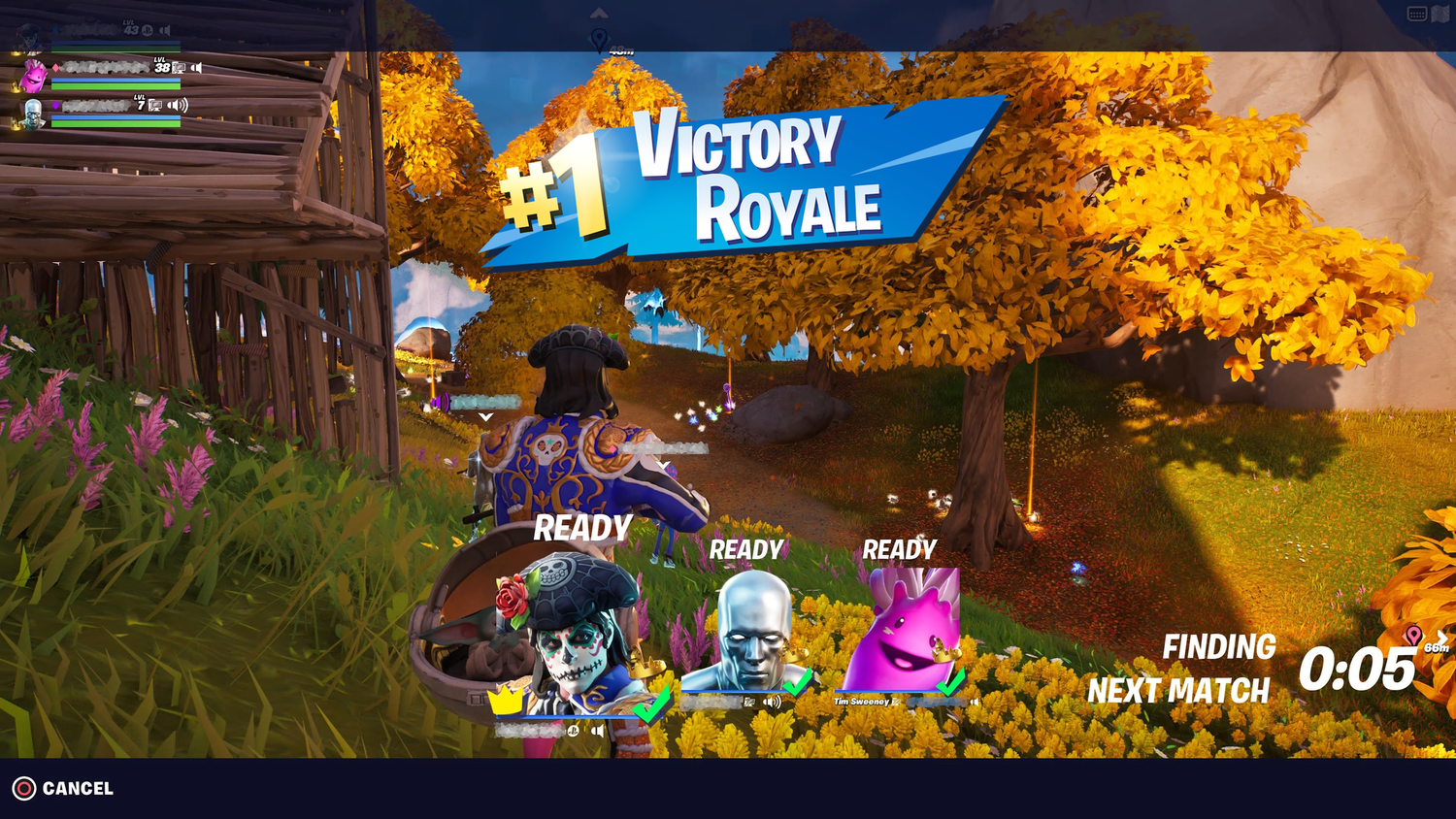
Interviewing Epic Games Founder Tim Sweeney and Author Neal Stephenson
The Metaverse represents an inevitable evolution of real-time, three-dimensional social experiences, transitioning from early text-based environments into a persistent, interconnected digital landscape.
- The Metaverse is defined as a real-time, 3D environment where users can interact with others not physically present, not controlled by a single entity, and built by many creators. Epic Games sees this as an inevitable evolution of gaming, leveraging new capabilities and hardware advancements.
- Hardware like VR/AR goggles is not considered critical for experiencing the Metaverse now, but improved hardware will enhance it. The current Metaverse experience is already happening, with 800 million people engaging monthly in real-time 3D environments with friends, as seen in games like Fortnite.
- Neal Stephenson co-founded Lamina1, a company dedicated to building infrastructure for a decentralized open Metaverse, and is developing 'Whenere' as a destination within it. Lamina1 aims to optimize a new blockchain for creators to build and get paid for experiences and components in an open Metaverse.
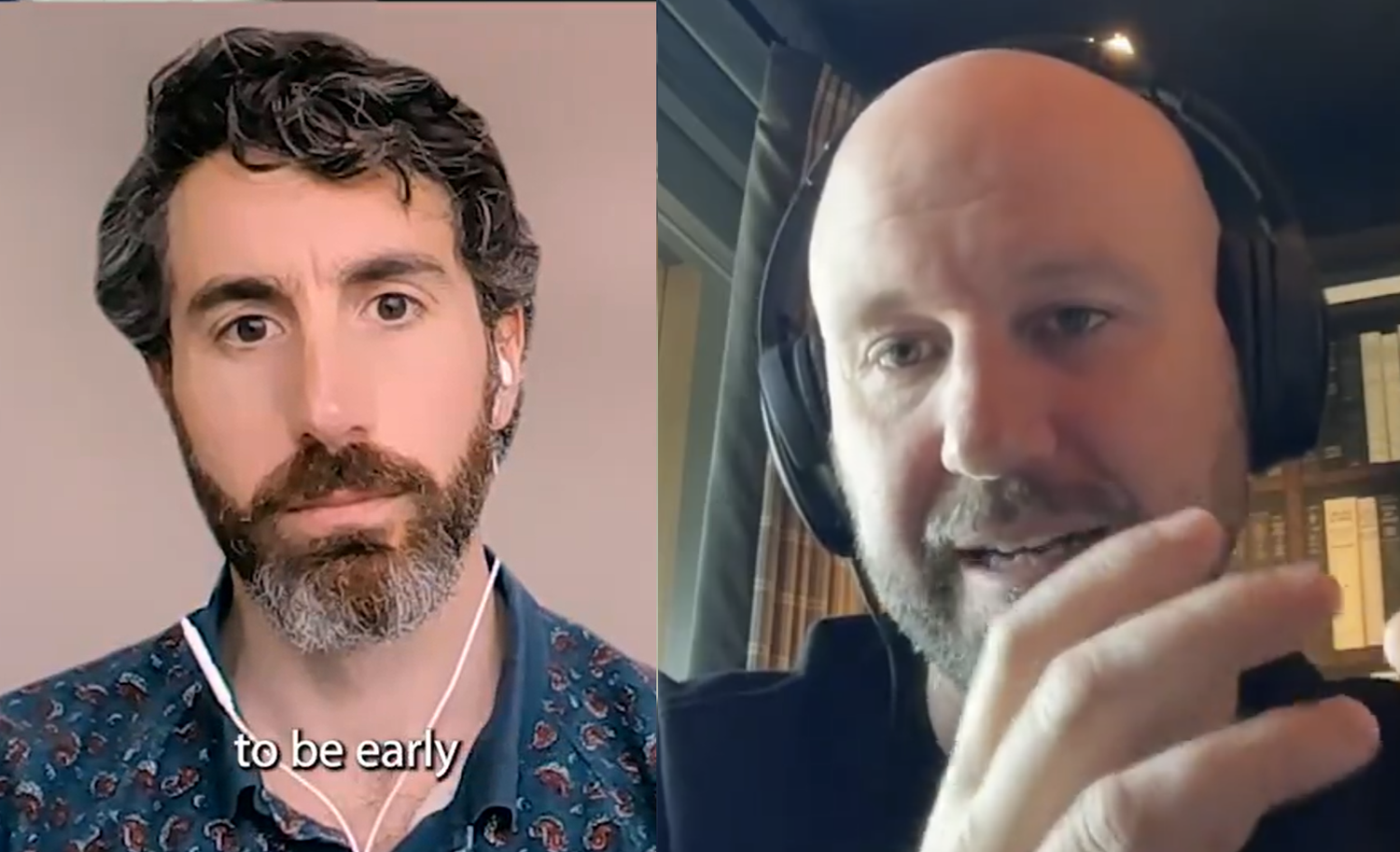
Interviewing Meta CTO Andrew Bosworth: The Metaverse, VR/AR, and AI
Meta’s strategic trajectory centers on the transition from tethered virtual reality to a standalone mixed reality ecosystem, with the ultimate goal of achieving 100 million annual headset sales.
- Meta's investment in Reality Labs began with the Oculus acquisition in 2014, followed by annual spending reaching $5 billion by 2019 and exceeding $10 billion annually by Q4 2020, culminating in the company's rebranding to Meta in 2021.
- Meta's strategy shifted from PC-tethered VR (like Oculus Rift) to standalone devices (like Quest) to avoid being a 'peripheral business' and overcome ecosystem battles with PC platforms like Steam, aiming for mainstream accessibility.
- The launch of Quest 3 has significantly boosted internal momentum, sales, and adoption, leading to a clearer vision for future mixed reality (MR) and virtual reality (VR) device generations and increased software development velocity.

What A Century (Plus a Pandemic) Does to Moviegoing and Why It Matters
The North American theatrical film industry is currently navigating a profound, long-term secular decline that predates the emergence of streaming platforms and the recent global pandemic.
- The North American box office has experienced a significant, long-term decline, with per capita admissions falling by a third from 2019 to 2.31 in 2023, and a further 25% decline in the first 24 weeks of 2024.
- The decline in moviegoing is not primarily due to the rise of SVOD services or Hollywood's shift to sequels, franchises, blockbusters, and IP (SFBIP), as the sharpest declines predated these trends.
- Demographic shifts show a substantial drop in movie attendance among younger age groups (2-24 year olds) between 2009 and 2019, with declines ranging from 29% to 44%, suggesting that the 'job' of movies as a social venue has been displaced.

Parallel Bets, Microsoft, and AI Strategies
Microsoft is currently navigating the volatile landscape of artificial intelligence by employing a strategy of parallel bets, a methodology rooted in its historical success during the 1980s and 1990s.
- Microsoft's historical strategy involves making 'parallel bets' to dominate emerging technology markets, as seen with MS-DOS's rise to nearly 90% market share by 1989 despite initial competition from various operating systems.
- Microsoft's failure in the mobile OS market (Windows Mobile/Phone) was due to foundational thesis errors regarding smartphone design and business models, allowing iOS and Android to capture over two-thirds of the total OS market.
- Microsoft has made significant investments in AI, including a $1 billion investment in OpenAI in 2019 (followed by another $2 billion between 2020-2022) and a $20 billion acquisition of Nuance Communications in 2021, a 30-year-old AI pioneer.
On Spatial Computing, Metaverse, the Terms Left Behind and Ideas Renewed
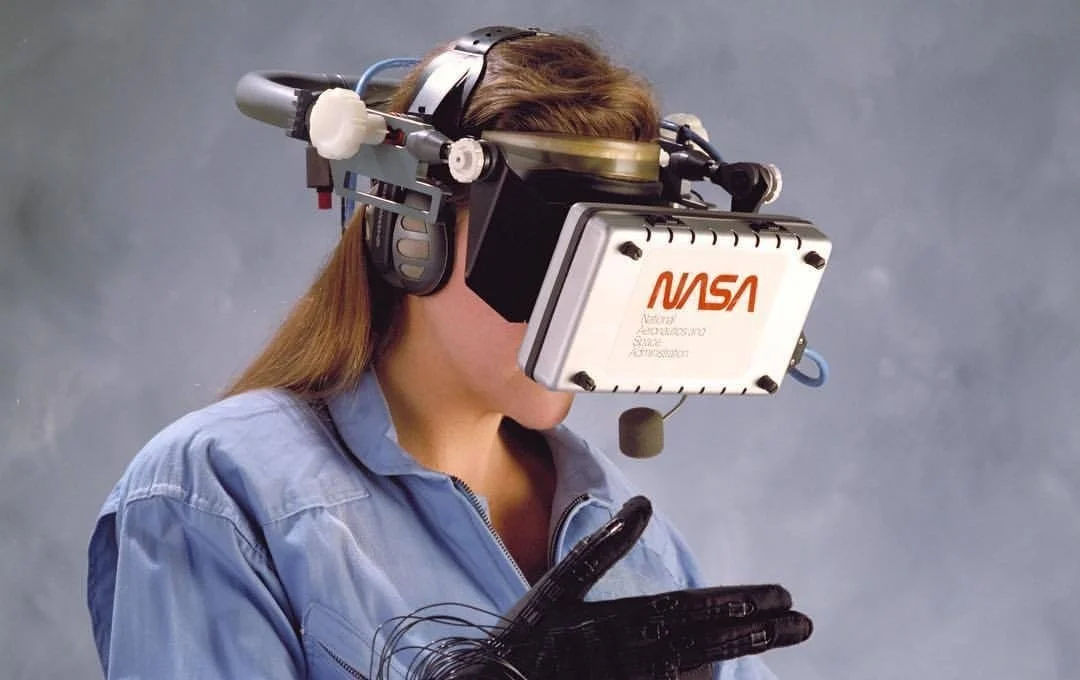
The evolution of digital environments is characterized by a cyclical reliance on terminology rooted in late 20th-century science fiction.
- The terminology for immersive digital experiences has a long and evolving history, with terms like "hyperreality" (1981), "cyberspace" (1981), "Holodeck" (1988), and "Metaverse" (1992) emerging from science fiction and philosophy to describe future interactions.
- Major tech companies like Facebook (now Meta), Microsoft, Nvidia, Roblox, Unity, and Epic Games publicly embraced the "Metaverse" concept around 2020-2021, with Meta even changing its company name, despite the term often being misunderstood by the public as solely virtual reality.
- Apple, in contrast to Meta's "Metaverse" focus, has adopted the term "spatial computing" for its Vision Pro, emphasizing integration with the real world rather than a purely digital one, and priced its device at $3,500, significantly higher than Meta's Quest headsets.

The Tremendous Yet Troubled State of Gaming in 2024
The global gaming industry currently exists in a state of profound paradox, characterized by high cultural output and record-breaking hardware adoption alongside a severe economic contraction.
- The global gaming industry grew by $102 billion (120%) in nominal terms over the last decade, reaching $187 billion annually, significantly outpacing global and US GDP growth.
- Mobile gaming was the primary driver of this growth, adding $62 billion annually in real terms (over 10% CAGR) and expanding the gaming audience, while traditional console/PC gaming grew at a real CAGR of 2.8% (+$19 billion).
- Despite overall growth, the US gaming market experienced a real-term decline of 14% ($29 billion) in the last year, with US mobile gaming revenues down 15% (23% in real terms).