1 free read left. Create a free account for unlimited reading + AI research.
Create free accountArticle Matthew Ball
1 free read left. Create a free account for unlimited reading + AI research.
Create free accountArticleMatthew Ball
Public Investment Fund, Silver Lake, and Affinity led the take-private deal. The price represented a 25% premium over EA's unaffected stock price.
The acquisition of Electronic Arts (EA) by a consortium led by Saudi Arabia’s Public Investment Fund, Silver Lake, and Affinity marks a strategic pivot toward the convergence of interactive gaming and live sports media. Following years of stagnant stock performance and flat net bookings, the $55 billion take-private deal provides the company with the long-term capital and structural flexibility required to pursue high-risk, high-reward initiatives that are difficult to execute under the scrutiny of public quarterly reporting.
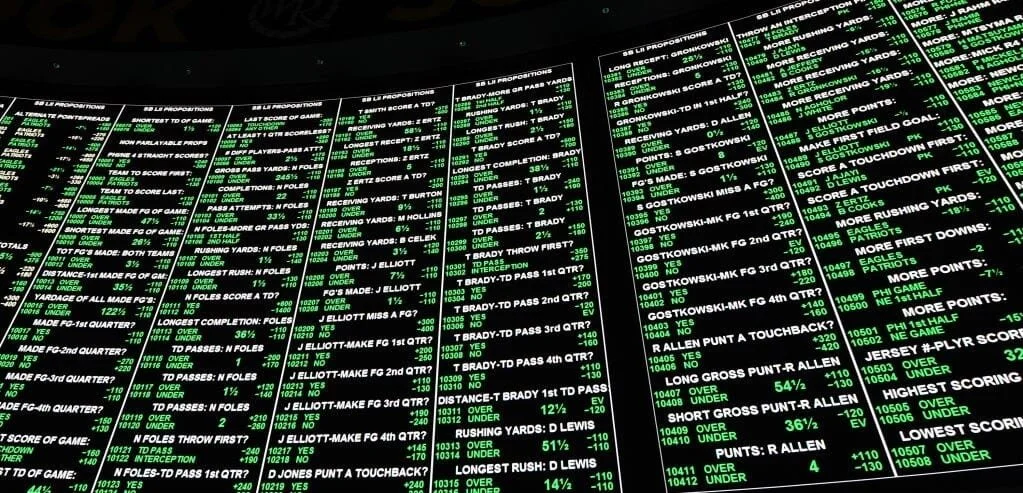
The core thesis behind this transition is the transformation of EA from a traditional game publisher into a comprehensive sports ecosystem. While EA’s sports titles—specifically FC, Madden, and the relaunched College Football—already account for over 80% of its non-mobile playtime and cash flow, the company faces intense competition from durable, multiplatform "Black Hole" games. To counter this, the new ownership group aims to leverage generative AI and predictive simulations to integrate live sports broadcasting, fantasy sports, and betting directly into the EA user experience. By controlling the distribution of live match content, EA seeks to reduce its reliance on costly third-party licensing royalties and capture greater value from the global sports audience.
Financial projections for the company are ambitious, with management forecasting a 35.9% growth in net bookings between fiscal years 2025 and 2028, alongside a significant expansion in adjusted EBITDA. Achieving these targets will require successful navigation of the volatile, capital-intensive landscape of AAA game development and the highly competitive sports media rights market. Ultimately, the move to private ownership reflects a belief that EA’s future value lies not just in its existing software portfolio, but in its potential to redefine how fans watch, play, and bet on sports on a global scale.

Matthew Ball · 2024

Matthew Ball · 2024

Matthew Ball · 2024

Matthew Ball · 2024
Matthew Ball · 2024
Matthew Ball · 2024

Matthew Ball · 2024

Matthew Ball · 2024
Matthew Ball · 2024

Matthew Ball · 2024

Matthew Ball · 2024

Matthew Ball · 2023
The Game Business · 2026