1 free read left. Create a free account for unlimited reading + AI research.
Create free accountArticle Matthew Ball
1 free read left. Create a free account for unlimited reading + AI research.
Create free accountArticleMatthew Ball
The Metaverse is already happening through massive gaming platforms. These platforms collectively engage approximately 800 million monthly users.
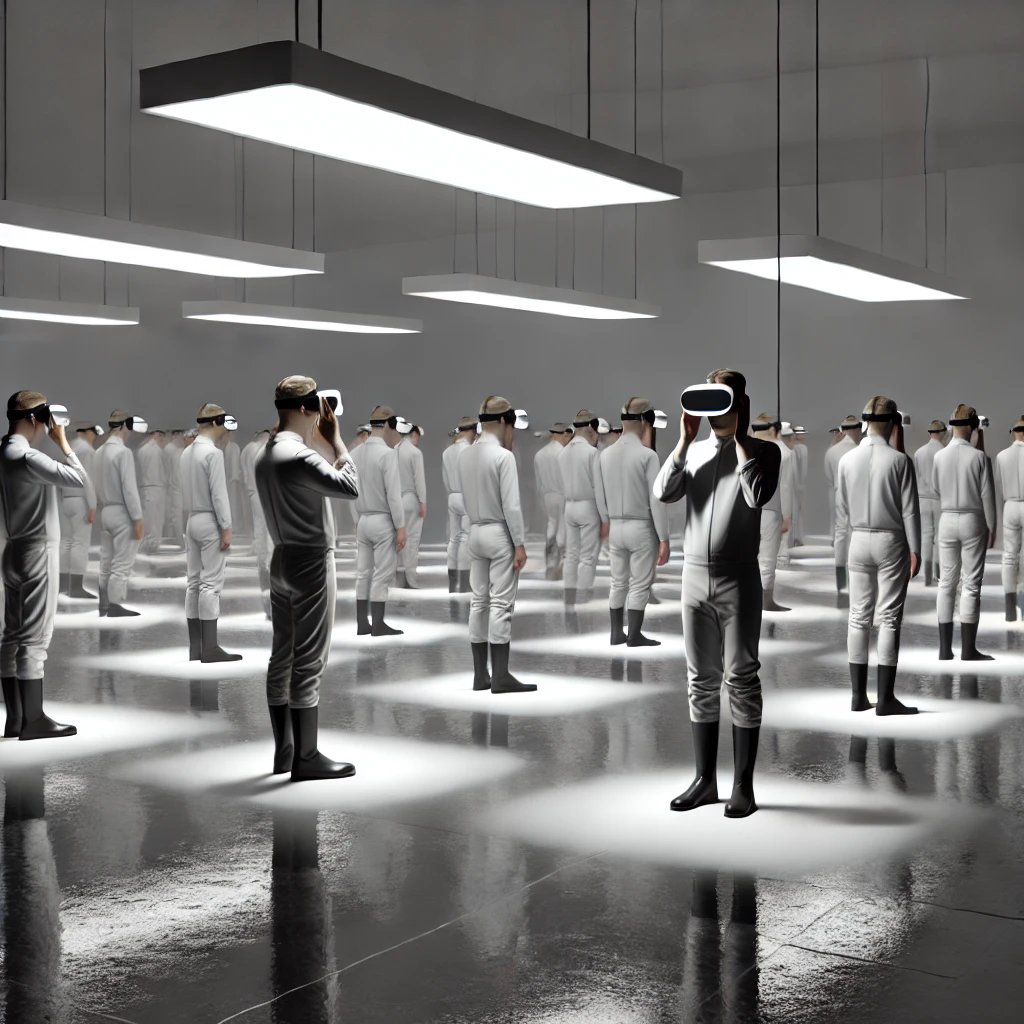
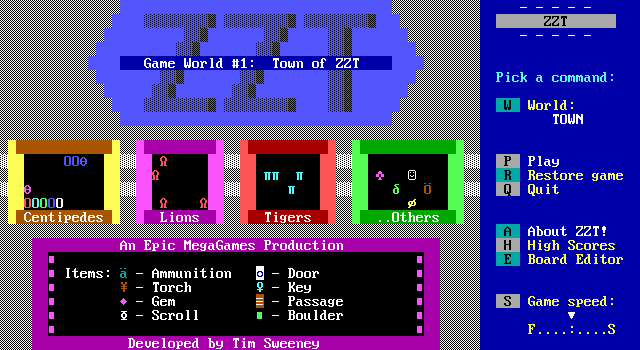
The Metaverse represents an inevitable evolution of real-time, three-dimensional social experiences, transitioning from early text-based environments into a persistent, interconnected digital landscape. Rather than relying on specific hardware like virtual reality headsets, this medium is currently thriving through massive gaming platforms such as Fortnite and Roblox, which collectively engage approximately 800 million monthly users. This digital space functions as a neutral communications medium, reflecting the diverse creative intentions of its participants rather than adhering to any inherently dystopian or utopian narrative.
Achieving a truly open and interoperable ecosystem requires overcoming significant technological and social barriers, including industry skepticism and the misuse of speculative financial models like blockchain. Future development hinges on the adoption of engine-agnostic standards that allow creators and players to move assets seamlessly across platforms. To facilitate this, advancements in networking models are being prioritized to transcend current server limitations, while the integration of generative AI and photorealistic avatars is poised to shift user interaction from traditional input-based mechanics toward more natural, conversational experiences.
The long-term viability of this interconnected future is threatened by the restrictive gatekeeping policies of dominant mobile platforms. Current platform taxes and policy limitations stifle innovation and redirect profits away from the creator economy, necessitating potential regulatory intervention to ensure a competitive landscape. While the specific terminology surrounding the Metaverse may eventually evolve or fade, the underlying shift toward a decentralized, creator-driven digital reality is already well underway. By prioritizing ethical data sourcing for AI and fostering an open economic environment, the industry aims to move beyond monopolistic control toward a collaborative, persistent simulation that serves as the next frontier of human interaction.

Matthew Ball · 2025

Matthew Ball · 2024

Matthew Ball · 2024

Matthew Ball · 2024
Matthew Ball · 2024
Matthew Ball · 2024
Matthew Ball · 2024
Matthew Ball · 2024

Matthew Ball · 2024
Matthew Ball · 2024

Matthew Ball · 2024

Matthew Ball · 2023