1 free read left. Create a free account for unlimited reading + AI research.
Create free accountArticle Matthew Ball
1 free read left. Create a free account for unlimited reading + AI research.
Create free accountArticleMatthew Ball
The company started with ZZT, a simple 2D puzzle game. Sweeney views this early project as a prototype for the Unreal Engine.
The evolution of Epic Games from a small 2D developer to a central architect of the metaverse is rooted in a consistent philosophy of empowering user-generated content and accessible game-creation tools. Founded by Tim Sweeney in 1991, the company’s trajectory was fundamentally shaped by its first title, ZZT. Although ZZT was a simple 2D puzzle game, it included a built-in editor that allowed users to create and share their own levels. Sweeney views this early project as a prototype for the Unreal Engine, establishing a core company mission to build tools that enable others to create virtual worlds.
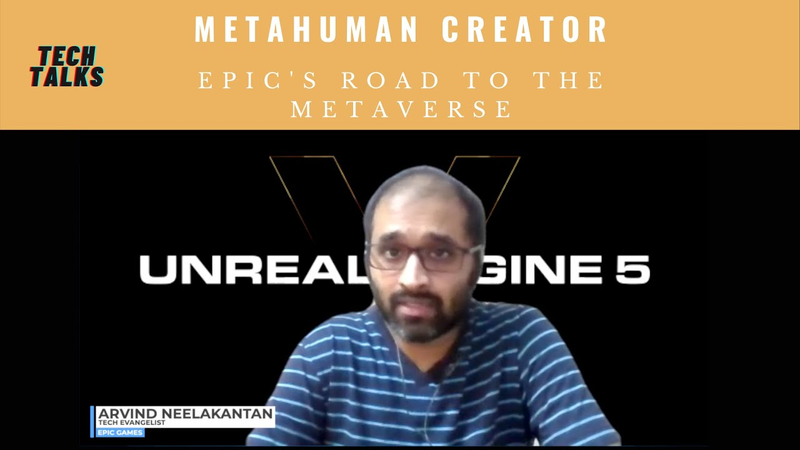
The transition to 3D gaming in the mid-1990s led to the development of the Unreal Engine, which became a cornerstone of the company’s business model. By licensing the engine to other developers, Epic Games fostered an ecosystem where the technology could be refined through diverse applications. This strategy proved highly successful, as the engine became an industry standard not only for high-fidelity gaming but also for sectors such as architecture, healthcare, and automotive design.
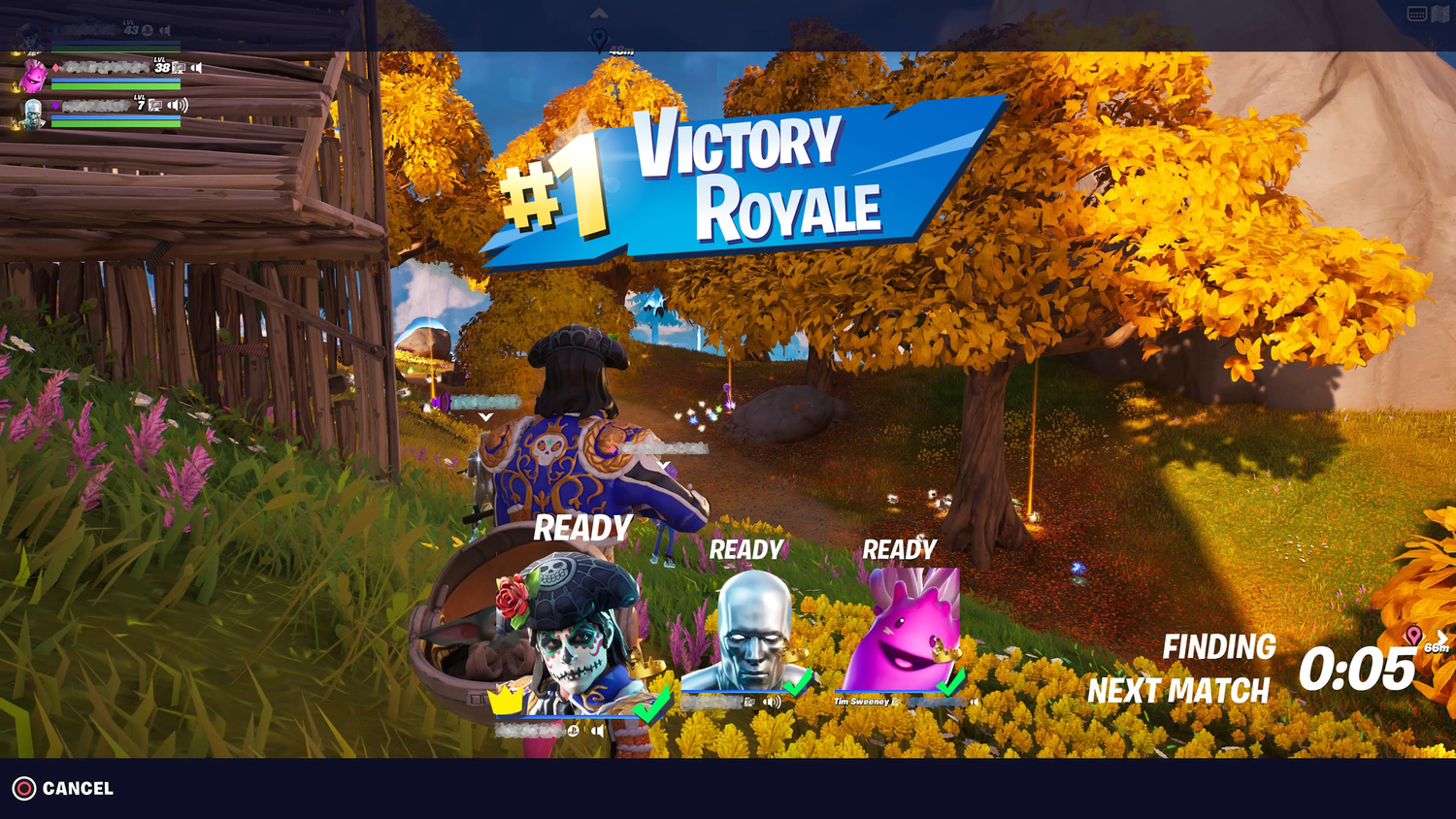
This historical focus on creator-centric tools has culminated in the current iteration of Fortnite. While the title achieved massive commercial success as a battle royale game, generating billions in revenue, Epic has pivoted to transform it into a broader sandbox platform. Through the introduction of Fortnite Creative and the Unreal Editor for Fortnite, the company has effectively shifted the platform’s focus toward user-generated experiences. By 2022, half of all Fortnite playtime occurred within these creative modes, signaling a strategic shift toward a decentralized, creator-driven metaverse where the original battle royale game serves as only one of many discoverable experiences.
Matthew Ball · 2025

Matthew Ball · 2024

Matthew Ball · 2024
Matthew Ball · 2024
Matthew Ball · 2024
Matthew Ball · 2024
Matthew Ball · 2024
Matthew Ball · 2024

Matthew Ball · 2024
Matthew Ball · 2024
Matthew Ball · 2024

Matthew Ball · 2023