
Loading... The Journal of the Canadian Game Studies Association
Open-access peer-reviewed journal of the Canadian Game Studies Association, in English and French.
Documents
Serious Learning in Playful Roles: Socio-political games for education and social change
Serious games function as powerful pedagogical tools by utilizing procedural design to immerse players in complex socio-political realities such as poverty, conflict, and homelessness.
Frames and Simulated Documents: Indexicality in Documentary Videogames
Documentary videogames function as sophisticated instruments for historical inquiry by leveraging indexical relationships to forensic data and archival records.
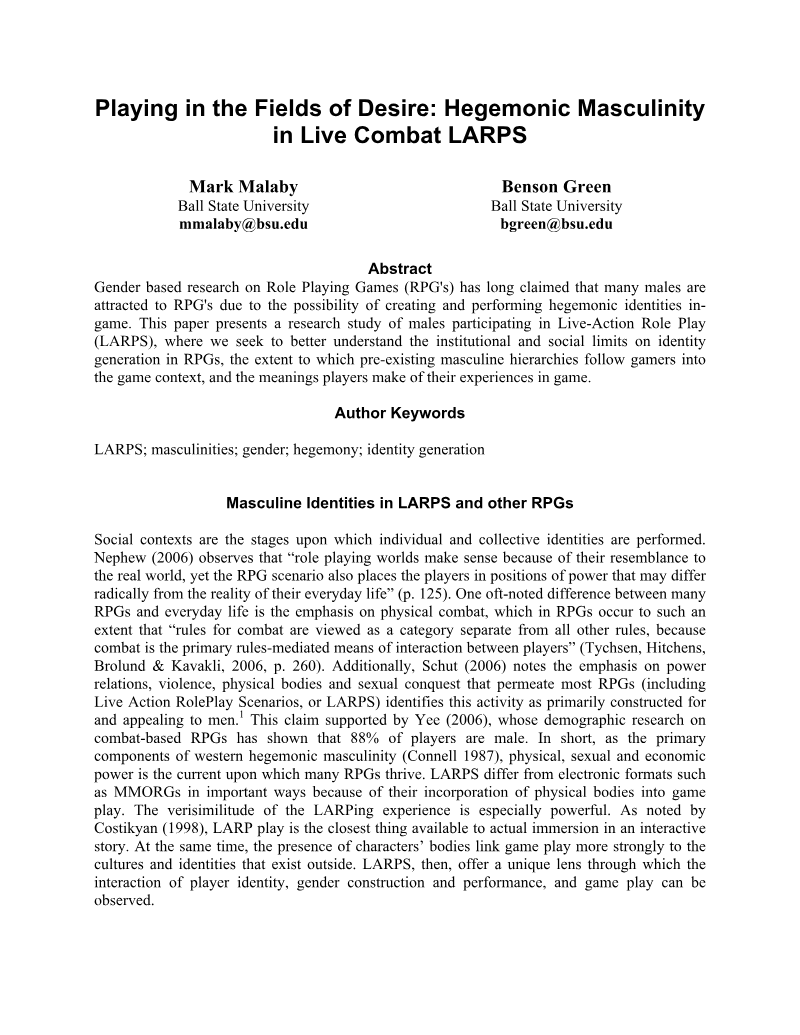
Playing in the Fields of Desire: Hegemonic Masculinity in Live Combat LARPs
Live-action role-playing (LARP) environments frequently function as liminal spaces that reinforce rather than subvert traditional gender norms.
- Live-action role-playing (LARP) environments often reinforce traditional gender norms by prioritizing physical combat and aggressive assertiveness as the primary metrics for success.
- Game mechanics act as gatekeepers that create a binary divide between 'power-gamers' who embody dominant masculine traits and 'role-players' who prioritize empathy or support-based development.
- The institutionalization of combat-heavy gameplay systematically marginalizes participants who do not conform to traditional masculine archetypes.
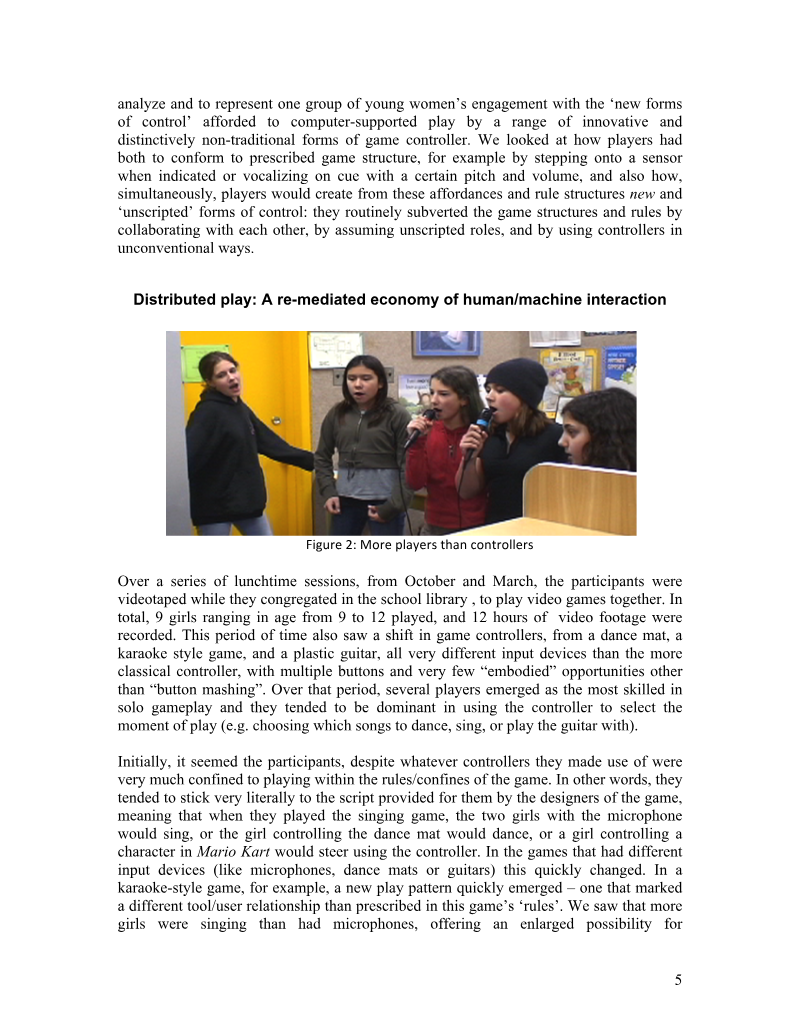
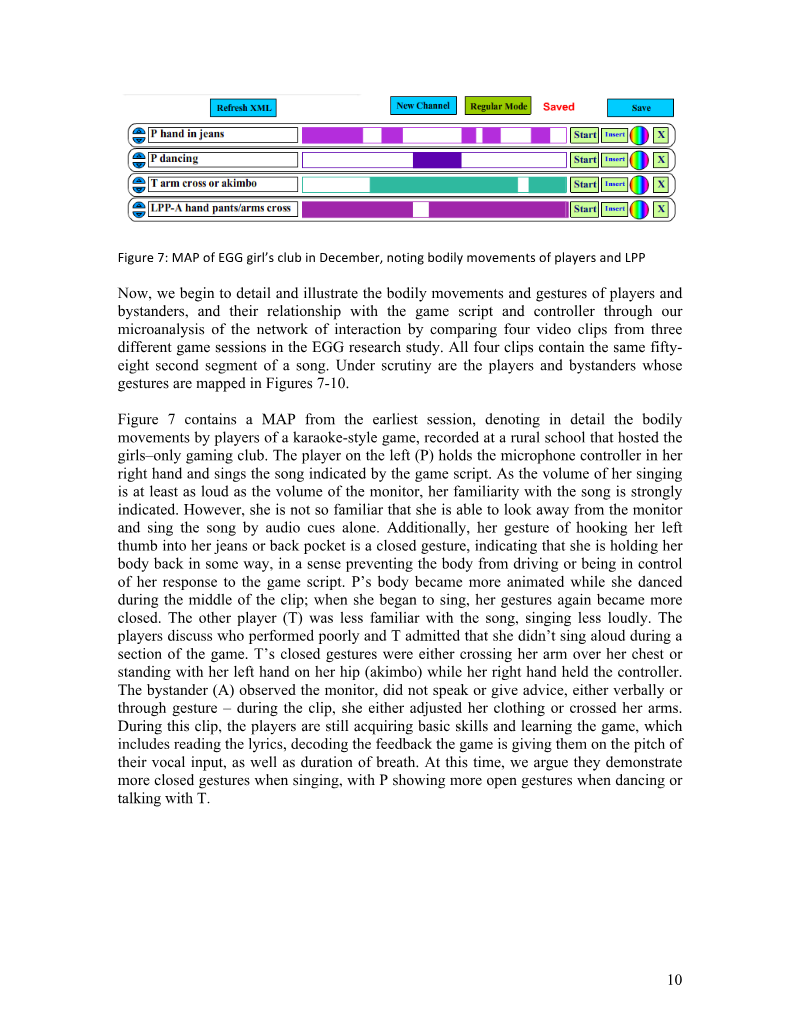
In and Out of Control: Learning Games Differently
Digital gameplay functions as a complex, networked environment where agency is distributed across human players, social bystanders, and technological interfaces.
- Game mastery is an embodied, relational practice developed through sustained interaction with technology and social peers, rather than an innate or static skill set.
- The transition from novice to expert is marked by a shift in focus from the screen to social interaction, accompanied by a transition from guarded, closed physical postures to open, fluid movements.
- Technological competence is a social and technical construction built through practice and equitable access, debunking the myth of the 'digital native' as an inherent trait.

Stepping into the Subjunctive World of the Fiction in Game, Film and Novel
The subjunctive mode serves as a universal cognitive framework for engaging with fictional narratives, defining the psychological state where audiences navigate possibilities, hopes, and fears regarding a story’s trajectory.
- The 'subjunctive mode'—a cognitive framework defined by navigating narrative possibilities, hopes, and fears—is the primary engine for audience immersion across games, film, and novels.
- Audience engagement relies on a constant, dual tension between immersion in a story world and a critical awareness of its underlying construction.
- The fundamental cognitive process of narrative synthesis remains consistent across media, even when audiences encounter hybrid texts or disruptive storytelling conventions.
Authoring the Intimate Self: Identity, Expression and Role-playing within a Pioneering Virtual Community
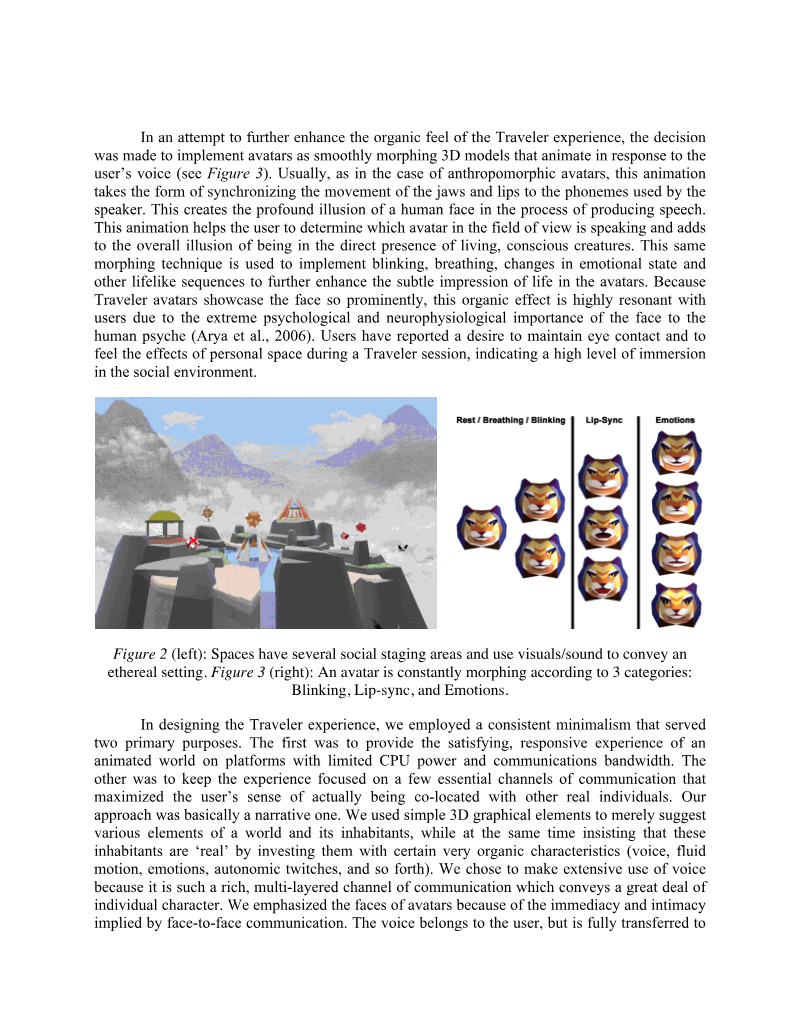
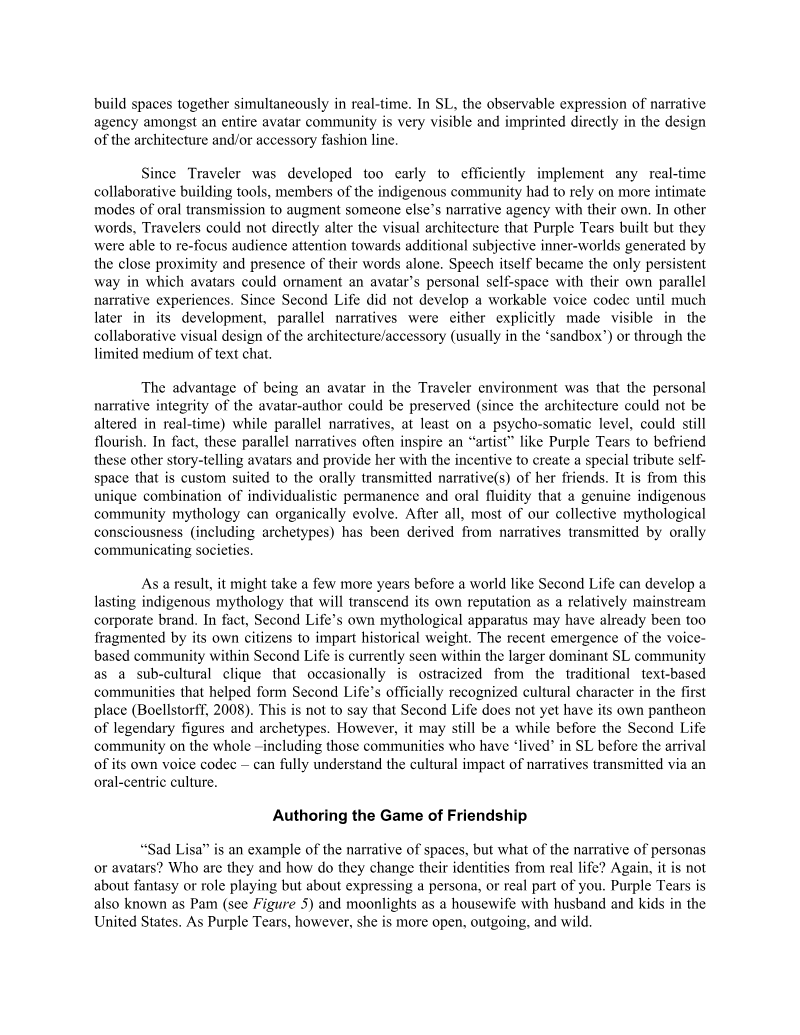
Traveler represents a foundational shift in digital interaction by prioritizing spatialized, multi-point voice communication and lip-synced avatars to foster genuine social presence.
- Long-term user engagement in virtual environments is primarily driven by the user's desire to project their intimate self and personal narrative into the platform's architecture.
- Spatialized, multi-point voice communication and lip-synced avatars are foundational technologies for fostering genuine social presence and intuitive, non-superficial interaction.
- Users naturally transform digital spaces and avatars into permanent, collaborative monuments to memorialize social experiences and build indigenous community mythologies.
Becoming Machinic Virtuosos: Guitar Hero, Rez, and Multitudinous Aesthetics
This analysis explores the intersection of digital gaming and musical performance, specifically examining how titles like Guitar Hero and Rez function as aesthetic machines that challenge the structures of global capital.
- Musical games like Guitar Hero and Rez function as sites of 'machinic virtuosity,' where players engage in creative expression that resists the commodification inherent in contemporary economic systems.
- Guitar Hero operates as a satirical simulation of the culture industry, requiring players to conform to rigid, measurable performance structures while simultaneously fostering community through unauthorized hardware hacks and modifications.
- Rez prioritizes intuitive, rhythmic collaboration over point-based quantification, allowing players to generate soundscapes that exist outside of a strict economic logic of exchange.
Cheating by Video Game Participants
This analysis explores the multifaceted nature of cheating within video games, examining the motivations behind such behaviors and the evolving moral and legal implications of virtual misconduct.
- Online cheating necessitates robust prevention strategies because it causes genuine financial and social harm, unlike single-player rule-breaking which is often viewed as benign alternative play.
- The rise of virtual economies has elevated certain in-game actions to the level of real-world criminal activity, such as theft, due to the tangible financial value of virtual items.
- Cheating is defined as a violation of the implicit or explicit rules of a game that undermines the 'magic circle,' the conceptual boundary that defines the shared experience of play.
Mapping Gendered Play
The Education, Gender and Gaming project investigates the social construction of video games as masculine domains, challenging the assumption that gendered disparities in play stem from innate differences in interest.
- Gendered disparities in gaming are driven by social performance and environmental conditioning rather than innate biological differences in interest.
- Gaming environments are actively constructed as masculine domains through material and discursive conditions that reinforce male ownership of technology.
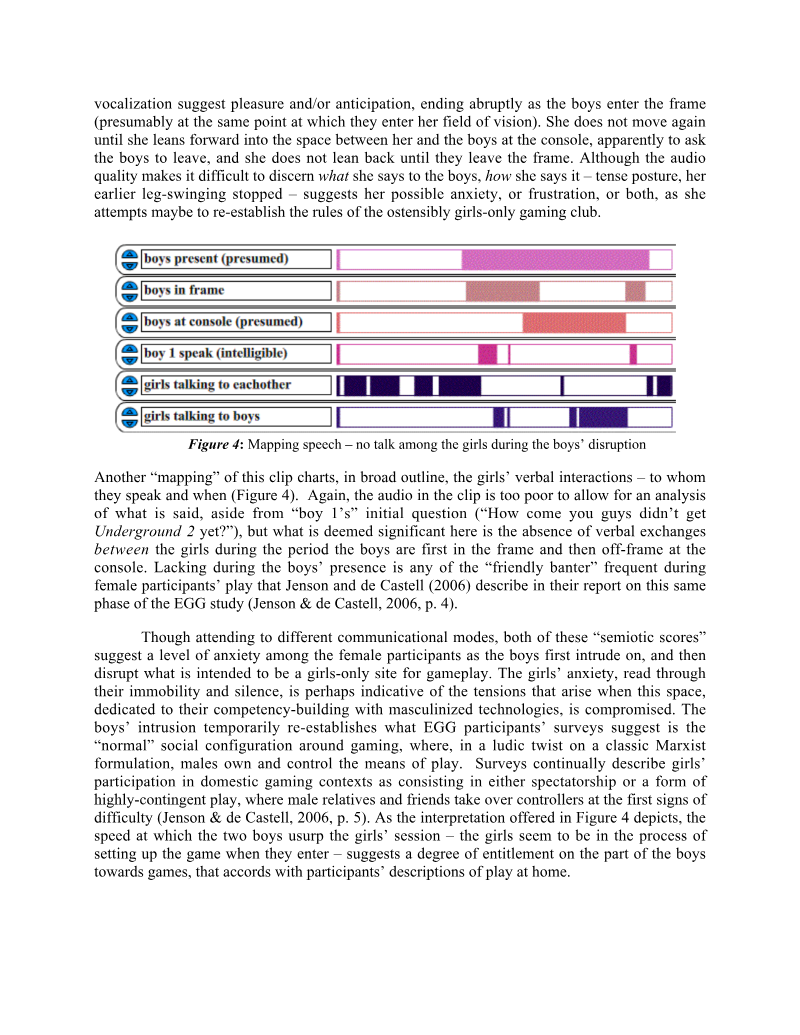
- The physical and social intrusion of boys into gaming spaces frequently forces girls to shift from active engagement to passive spectatorship or increased anxiety.
Gaming Stances and Strategies: Hybrids, Opportunists, and Cross-Fertilizations
Digital games function as hybrid texts that defy the traditional academic dichotomy between ludology and narratology.
- Players engage with games through a 'dual consciousness,' simultaneously suspending disbelief for narrative immersion while maintaining an analytical awareness of game mechanics and technical constraints.
- Meaning-making in games is a flexible, opportunistic process where players synthesize diverse repertoires, including intertextual knowledge from other titles, strategic planning, and technical assessment.
- The study, conducted between 1998 and 2006, tracked 36 participants aged 10 to 36 to observe how they navigate the hybrid nature of narrative-heavy titles like Myst, Starship Titanic, Black & White, and Shadow of the Colossus.
You Mean It's Only a Game? Rule Structures, the Magic Circle, and Player Participation in Pervasive Mobile Gaming
Pervasive mobile gaming challenges traditional game theory by intentionally blurring the boundaries of the magic circle, the conceptual space that separates play from everyday life.
- Pervasive mobile games intentionally blur the 'magic circle' by integrating urban environments and public spaces into the gameplay experience.
- Designers increasingly treat non-players as game content or secondary performers to heighten dramatic tension and social engagement.
- The current design framework for pervasive games lacks ethical safeguards, as participation is often forced upon bystanders who have not consented to the game's rules.
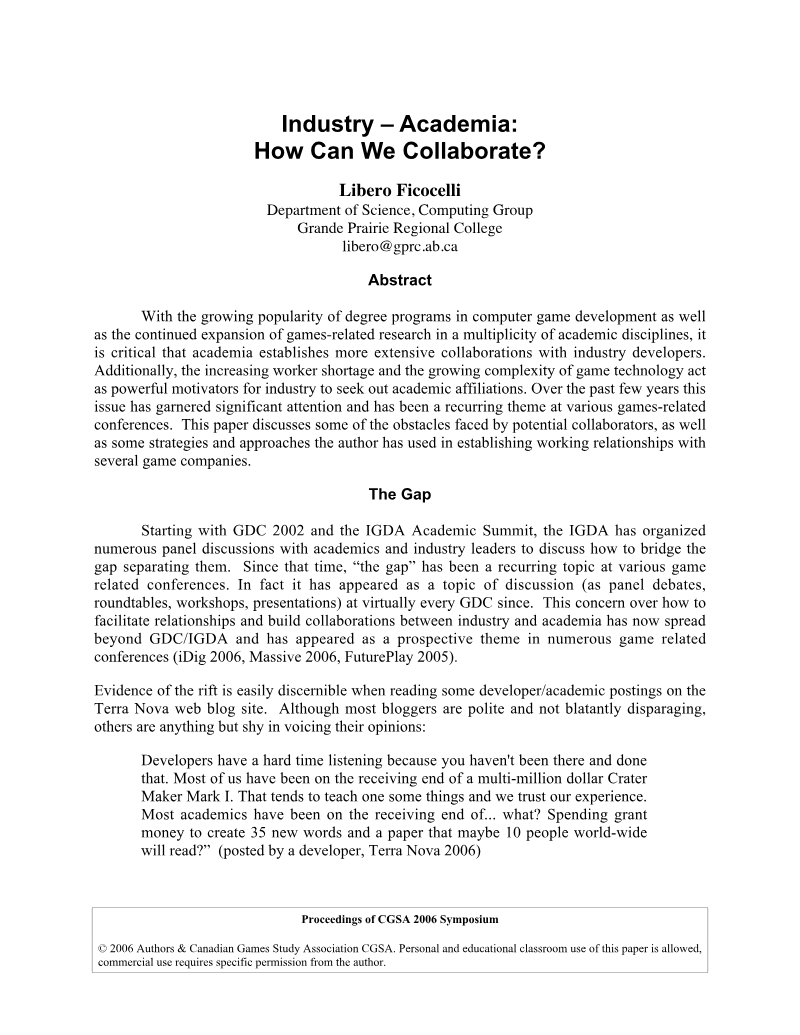
Industry – Academia: How Can We Collaborate?
The relationship between the video game industry and academia is characterized by a significant divide, fueled by mutual misperceptions, conflicting priorities, and a lack of trust.
- The video game industry faces a critical labor shortage, while academic institutions are experiencing a decline in computer science enrollment, creating a strategic necessity for collaboration.
- Industry demand for specialized training is high, with 83% of respondents in a Texas-based technology survey explicitly calling for game-focused curricula.
- Major industry players including Ubisoft and Electronic Arts have already committed millions of dollars to university partnerships and educational initiatives to secure a talent pipeline.