1 free read left. Create a free account for unlimited reading + AI research.
Create free accountWhitepaper Loading... The Journal of the Canadian Game Studies Association
1 free read left. Create a free account for unlimited reading + AI research.
Create free accountWhitepaperLoading... The Journal of the Canadian Game Studies Association
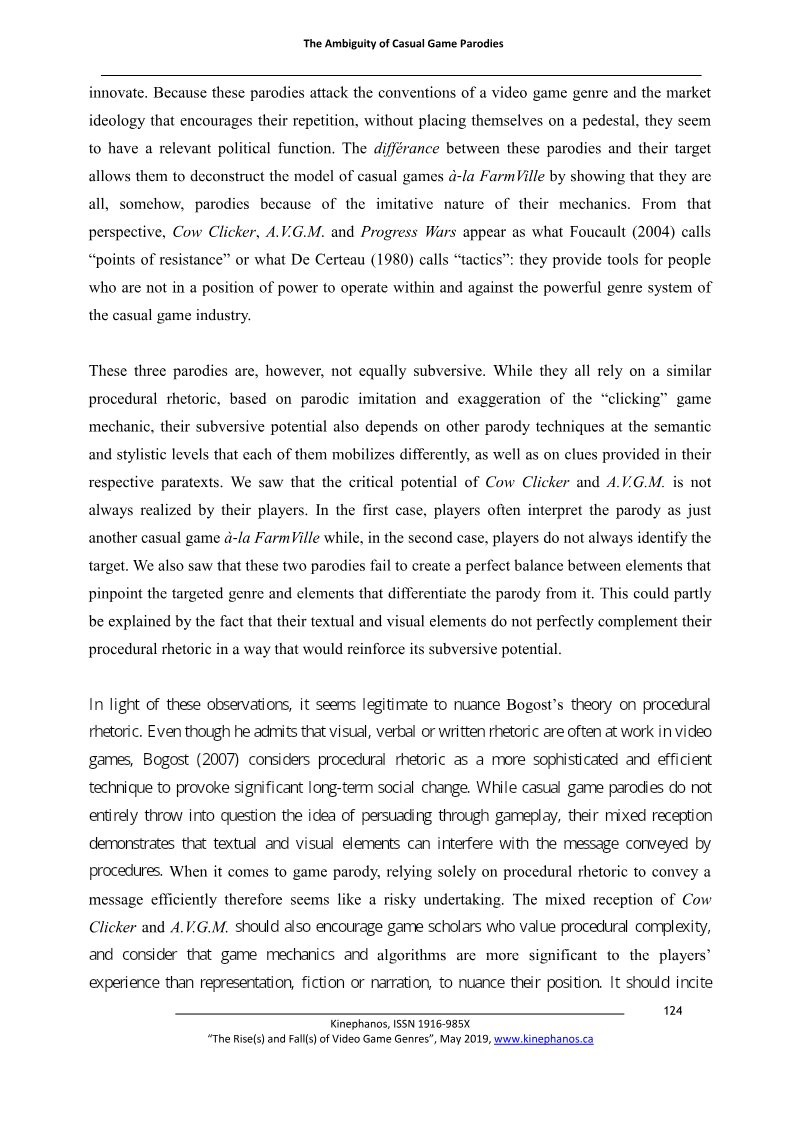
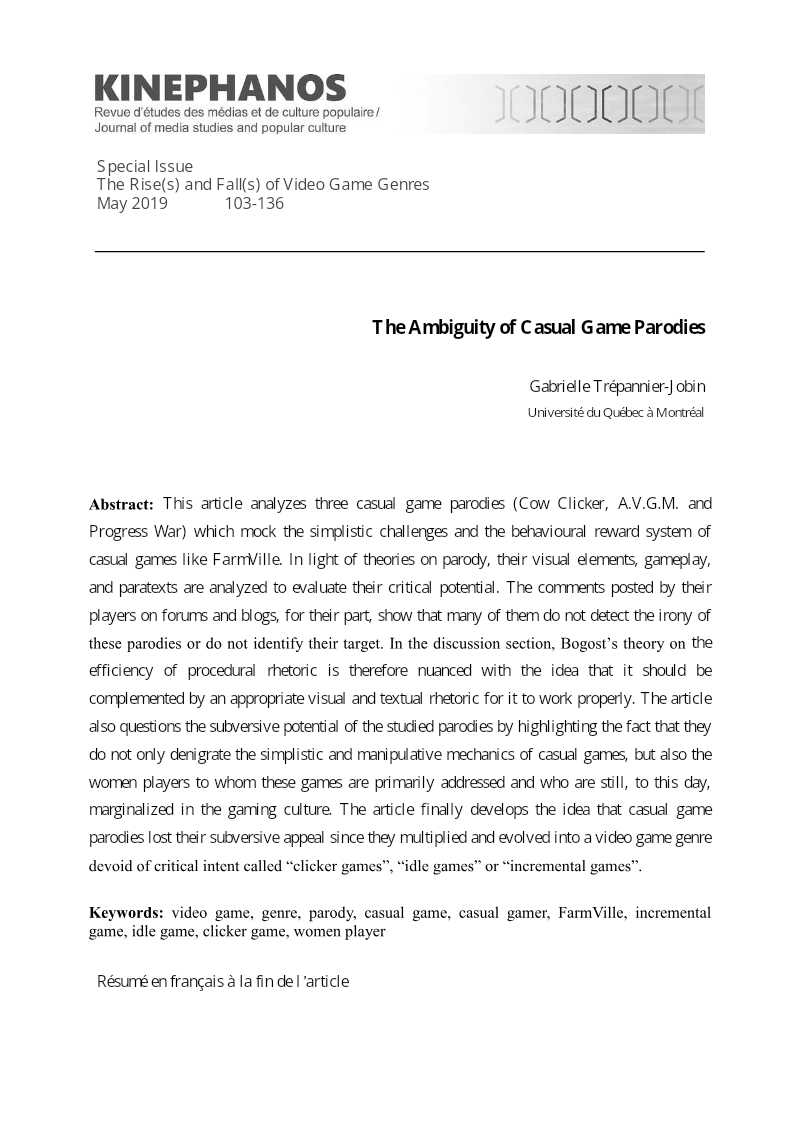
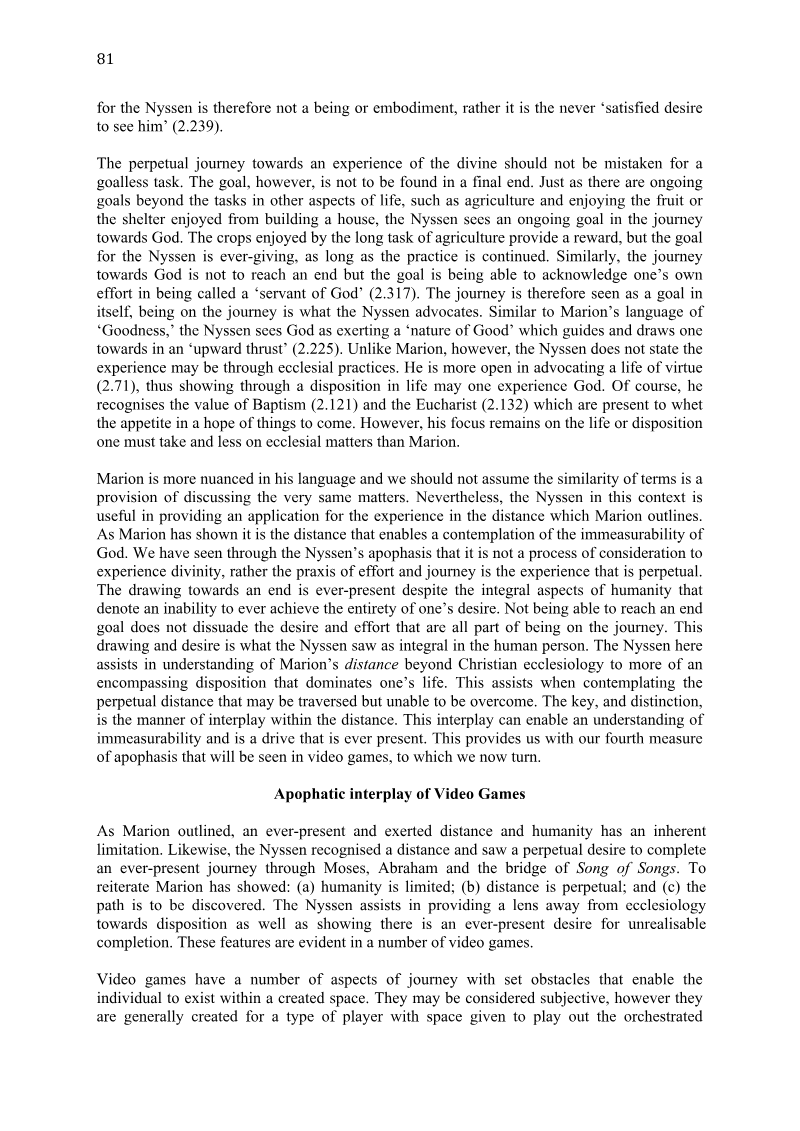
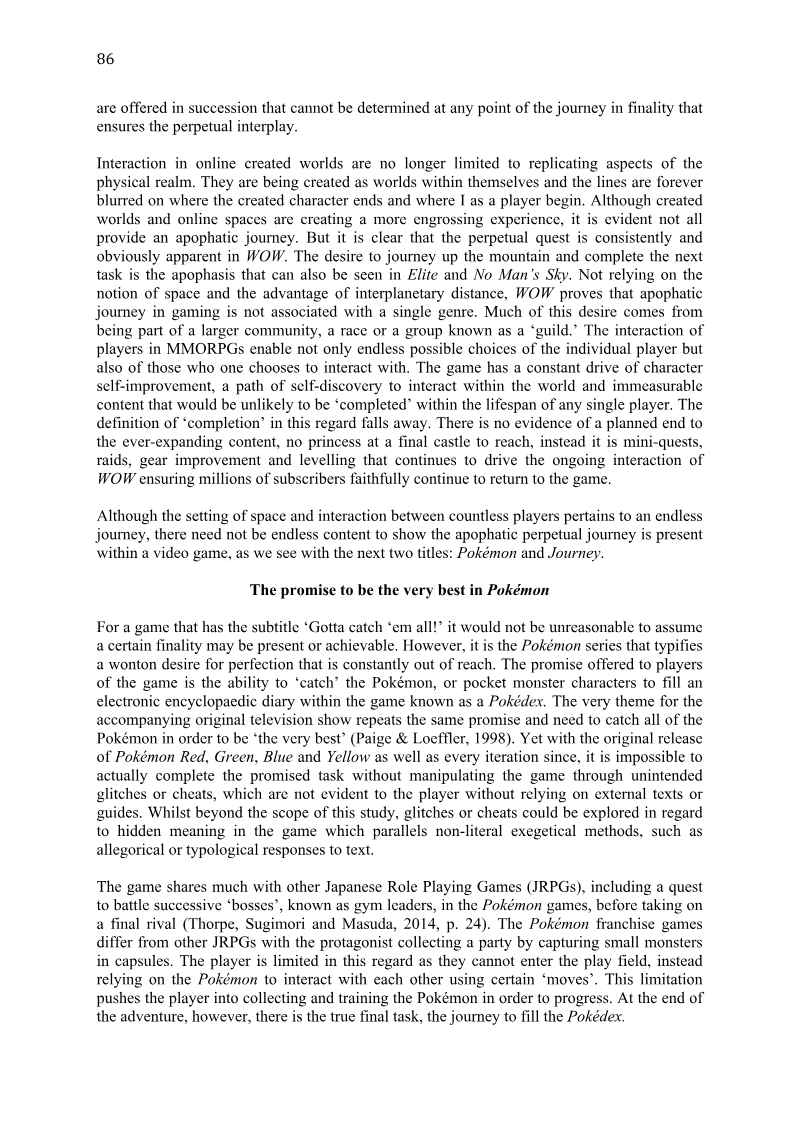
Digital games function as hybrid texts that defy the traditional academic dichotomy between ludology and narratology. Rather than adhering strictly to either rules of play or narrative structures, players employ a flexible, opportunistic approach to meaning-making. By drawing on diverse interpretive repertoires—including narrative conventions, strategic planning, and technical awareness—players navigate the "less closed" nature of digital games, where the experience is constructed in the present tense but oriented toward future actions.
The research is based on a longitudinal study of 36 players, aged 10 to 36, observed between 1998 and 2006. Participants engaged with four narrative-heavy titles: Myst, Starship Titanic, Black & White, and Shadow of the Colossus. Methodology involved analyzing transcripts of player commentary alongside video records of gameplay, supplemented by retrospective interviews. This qualitative approach allowed for the identification of how players shift between immersive engagement with the story and analytical, strategic, or technical assessment of the game’s mechanics.
Key findings indicate that players consistently utilize a "strategic surplus" that extends beyond standard literary interpretation. This includes applying intertextual knowledge from other games, managing technical constraints, and balancing goal-oriented tasks with exploratory play. Even inexperienced players demonstrate an ability to synthesize these disparate toolkits to advance through game worlds. Ultimately, the study concludes that the hybrid nature of digital games requires players to maintain a dual consciousness—simultaneously suspending disbelief for the narrative while remaining cognizant of the apparatus of play. This suggests that the pleasure of gaming is inherently tied to the active, manual navigation of both story and system, a dynamic that may persist even as gaming technology becomes more intuitive.
Each row is a game or company this document names, each column a document, oldest first. A mark means that document names it. Select a row to see those documents.

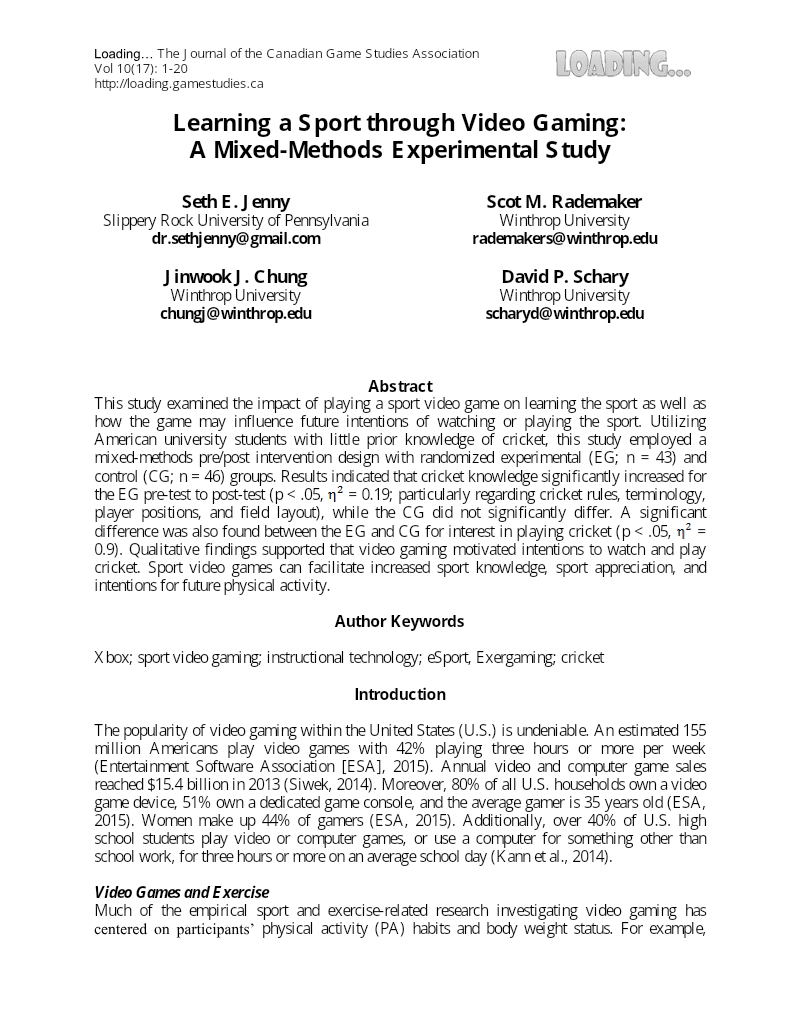
Loading... The Journal of the Canadian Game Studies Association · 2018
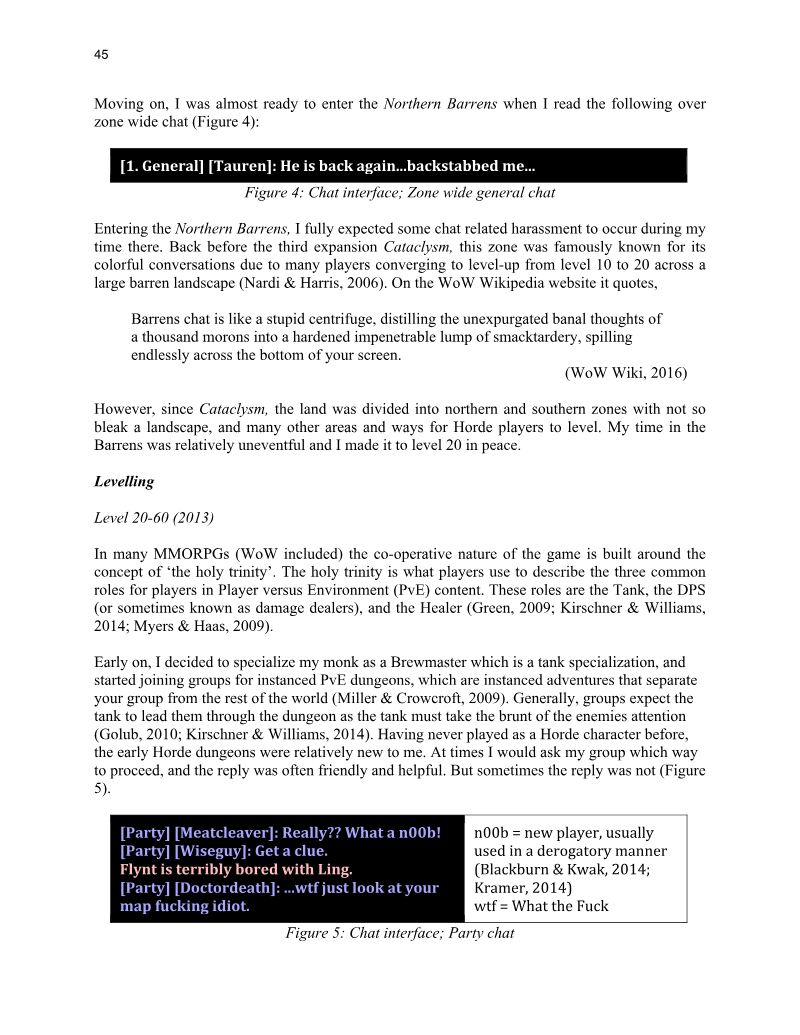
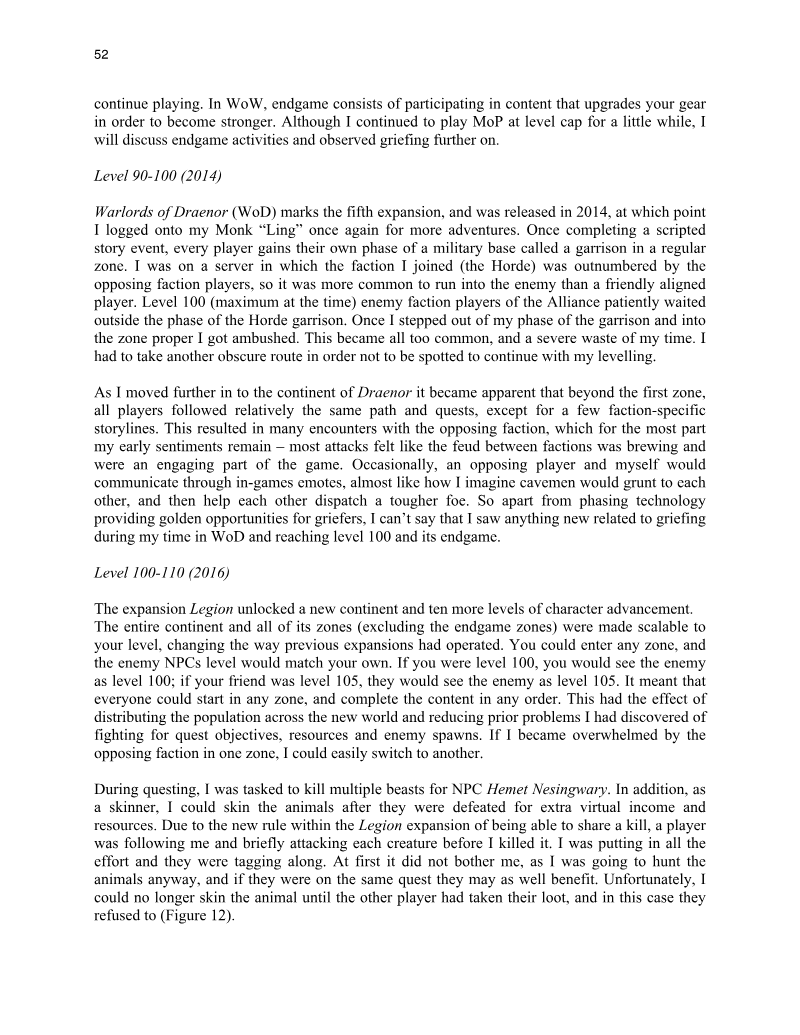
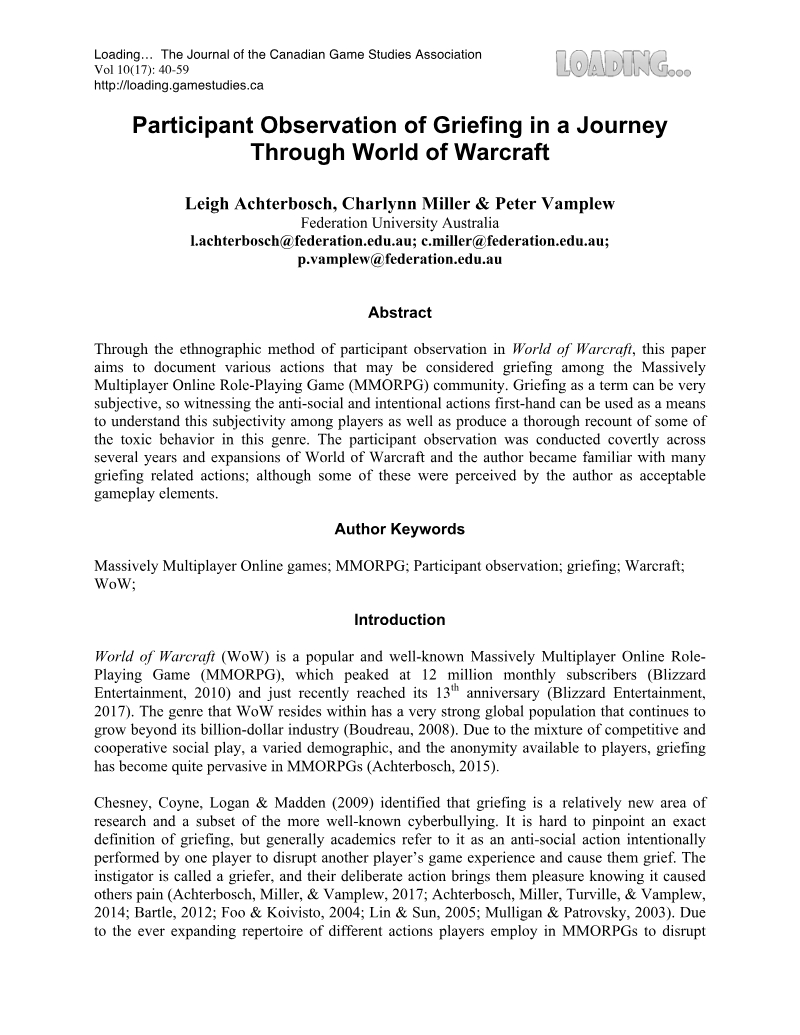
Loading... The Journal of the Canadian Game Studies Association · 2018
Loading... The Journal of the Canadian Game Studies Association · 2017
Zurich University of Applied Sciences · 2026