1 free read left. Create a free account for unlimited reading + AI research.
Create free accountWhitepaper Loading... The Journal of the Canadian Game Studies Association
1 free read left. Create a free account for unlimited reading + AI research.
Create free accountWhitepaperLoading... The Journal of the Canadian Game Studies Association
Distilling the key insights…
Documentary videogames function as sophisticated instruments for historical inquiry by leveraging indexical relationships to forensic data and archival records. Rather than attempting to achieve an impossible objective truth through direct simulation, these digital experiences succeed by positioning the player as an investigator tasked with interpreting historical evidence. While the medium lacks a definitive engine for capturing the complexities of human social systems or non-physical variables, its formal structures provide a unique framework for critiquing and re-engaging with the past.
The primary value of this approach lies in the transition from role-playing to forensic analysis. By utilizing computational simulations to reconstruct physical processes, games like JFK Reloaded transform historical archives into interactive spaces. Although these simulations struggle to model the nuances of human behavior, they effectively serve as documentary frames that invite players to navigate the tension between simulated events and historical reality. This procedural design allows for a form of sober discourse that, while distinct from traditional documentary media, offers a rigorous method for examining the causal links between digital signs and real-world events.
Ultimately, the effectiveness of these simulations is not measured by their ability to replicate historical occurrences with perfect fidelity, but by their capacity to facilitate a deeper understanding of evidence. By embracing the limitations of digital modeling, developers can create environments where detachment and analytical rigor allow for a critical interrogation of history. These games demonstrate that even when simulations fail to capture the totality of a human experience, they remain powerful tools for navigating the complex, often dark, relationship between archival data and the interpretation of historical truth.

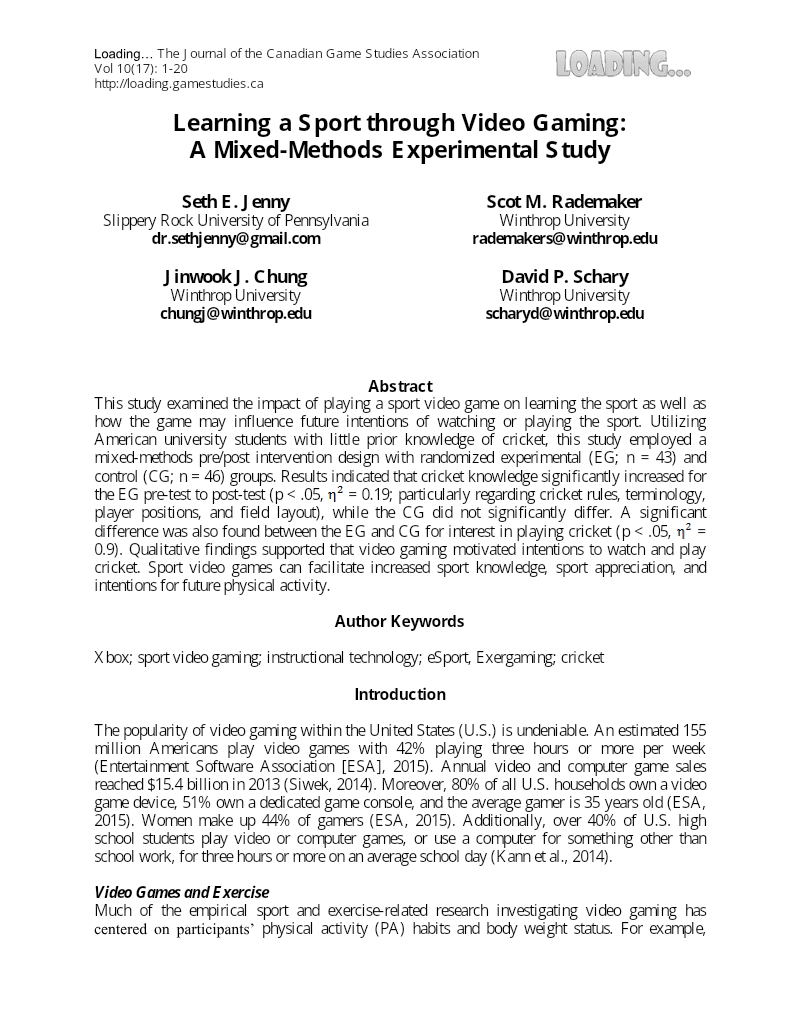
Loading... The Journal of the Canadian Game Studies Association · 2018
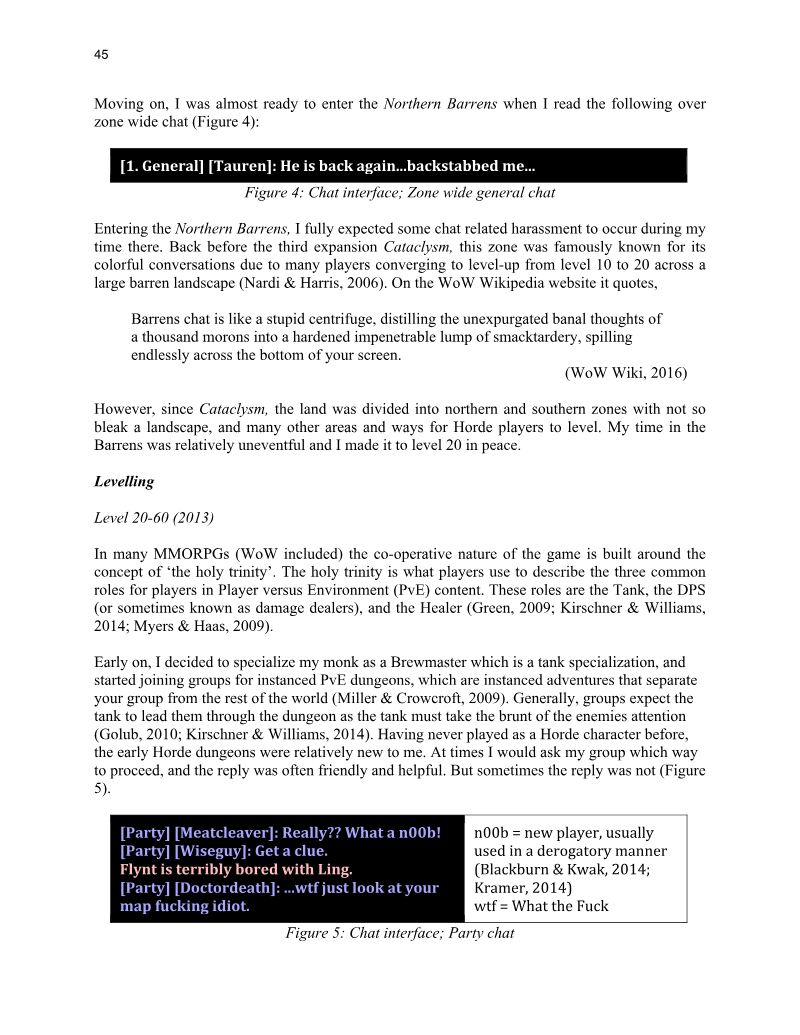
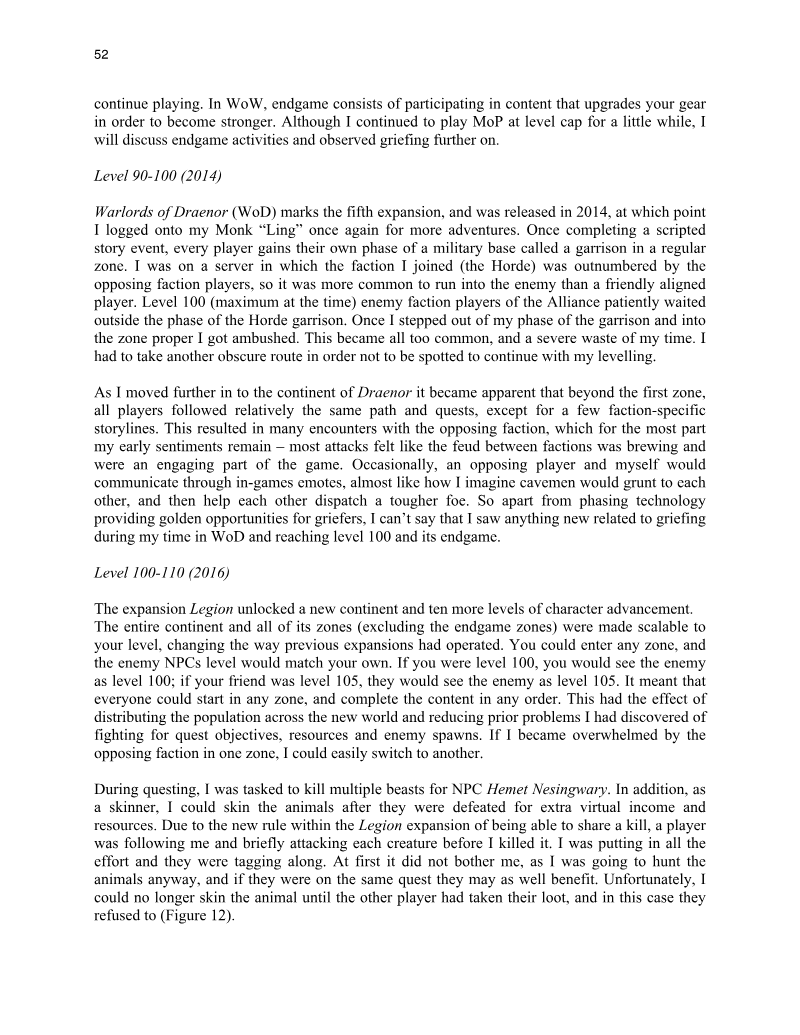
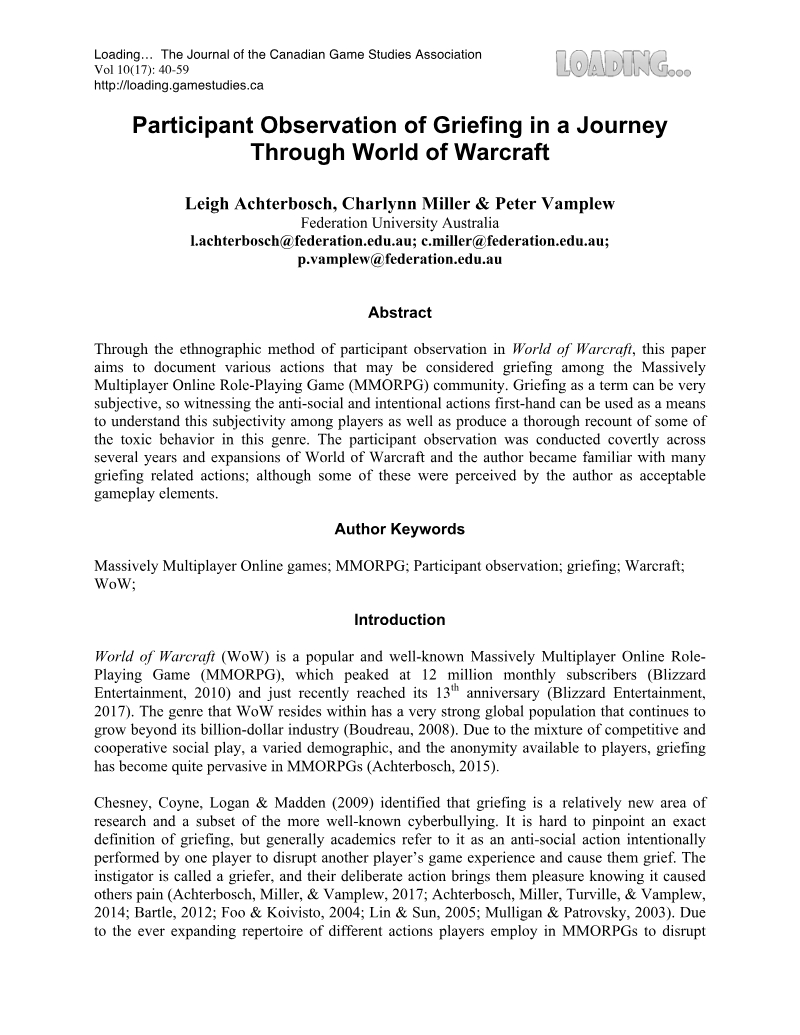
Loading... The Journal of the Canadian Game Studies Association · 2018
Loading... The Journal of the Canadian Game Studies Association · 2017
Loading... The Journal of the Canadian Game Studies Association · 2017
Loading... The Journal of the Canadian Game Studies Association · 2017
Loading... The Journal of the Canadian Game Studies Association · 2017
Loading... The Journal of the Canadian Game Studies Association · 2017
Loading... The Journal of the Canadian Game Studies Association · 2017
Loading... The Journal of the Canadian Game Studies Association · 2017
Loading... The Journal of the Canadian Game Studies Association · 2017
Loading... The Journal of the Canadian Game Studies Association · 2016
Loading... The Journal of the Canadian Game Studies Association · 2016
University of Debrecen · 2023