
Loading... The Journal of the Canadian Game Studies Association
Open-access peer-reviewed journal of the Canadian Game Studies Association, in English and French.
Documents
L2P Noob: Examining Tutorials in Digital Games
The novice-expert divide remains a critical barrier in digital gaming, as traditional tutorial designs frequently rely on intrusive visual pop-ups that disrupt immersion and alienate new players.
A Physiological Feedback Controlled Exercise Video Game
This collection of research explores the intersection of video game technology, physiological monitoring, and physical activity promotion.
Beyond the "Historical" Simulation: Using Theories of History to Inform Scholarly Game Design
Digital games possess the potential to function as legitimate scholarly media by adopting a gamic mode of history that mirrors the epistemological rigor of traditional textual monographs.

The Practical and Theoretical Implications of Flow Theory and Intrinsic Motivation in Designing and Implementing Exergaming in the School Environment
Exergaming serves as a vital pedagogical tool for addressing childhood inactivity by integrating physical education with digital engagement.
Designing Digital Games to Teach Road Safety: A Study of Graduate Students’ Experiences
Digital games serve as a potent medium for road safety education when pedagogical objectives are effectively integrated with engaging game mechanics.
Monstrous Textuality: Game Fiction between Postmodernism and Structuralism
This analysis challenges the common characterization of computer game narratives as postmodern, "monstrous" texts that defy structuralist classification.
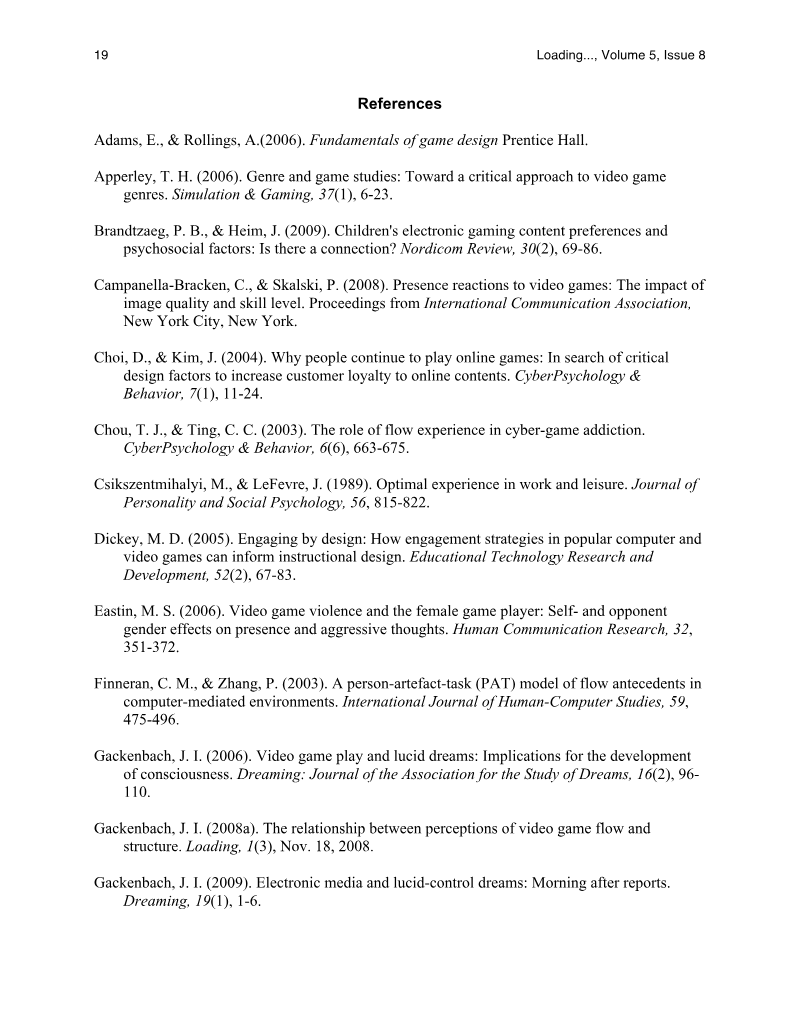
Video Game Presence as a Function of Genre
The experience of presence—defined as the psychological sensation of being immersed within a mediated environment—is fundamentally shaped by the structural characteristics of specific video game genres.
Catch and Release: Ludological Dynamics in Fatal Frame II: Crimson Butterfly
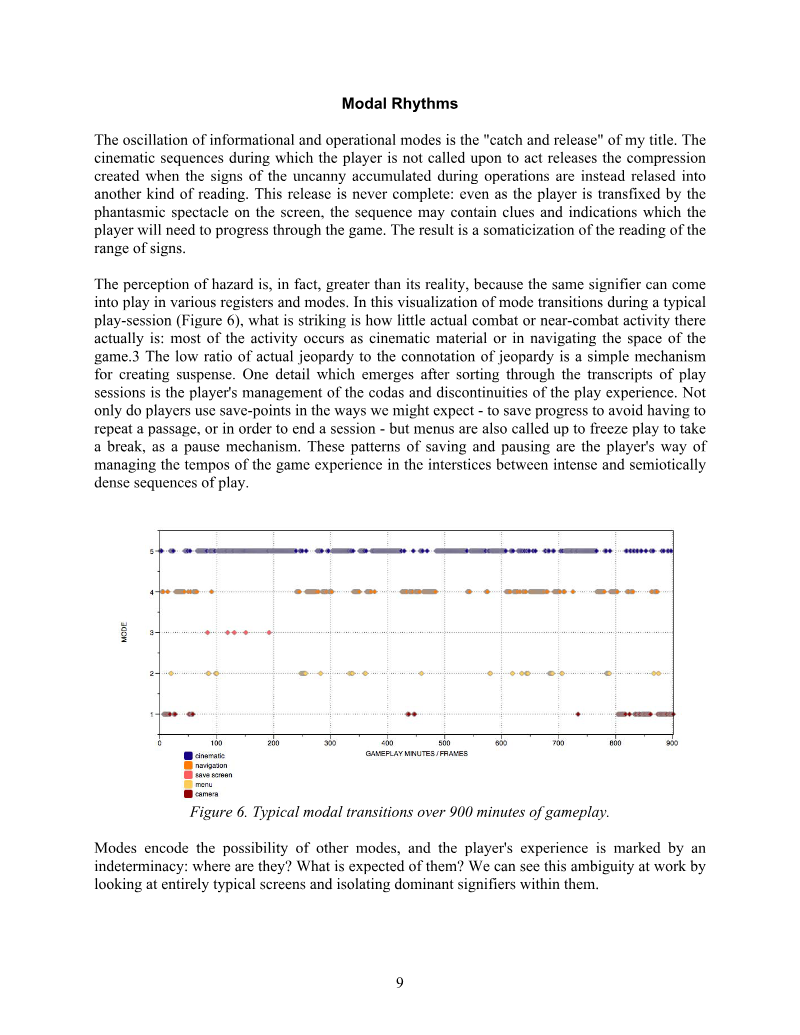
This analysis explores the ludological dynamics of the survival horror game Fatal Frame II: Crimson Butterfly to argue that the "uncanny" experience in videogames arises from the simultaneous, latent decoding of signs across multiple semiotic registers.
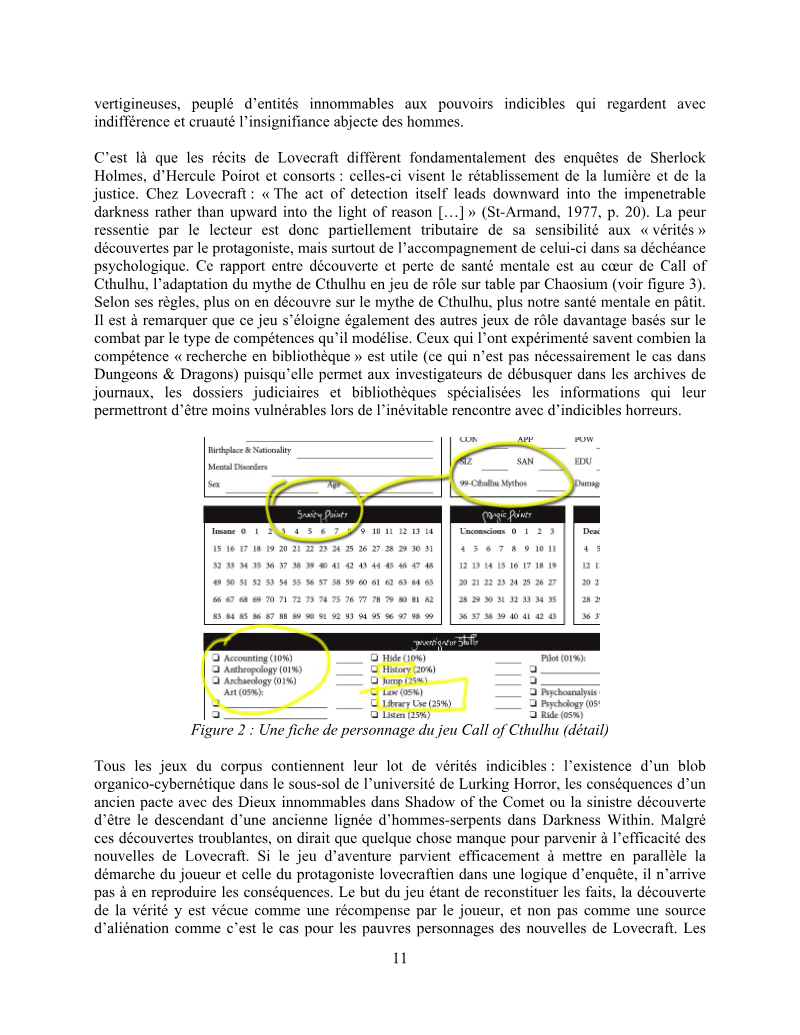
Lovecraft, le jeu d'aventure et la peur cosmique
The adventure game genre serves as the primary vessel for adapting H.P. Lovecraft’s cosmic horror, with nearly half of all Lovecraft-inspired titles utilizing this format.
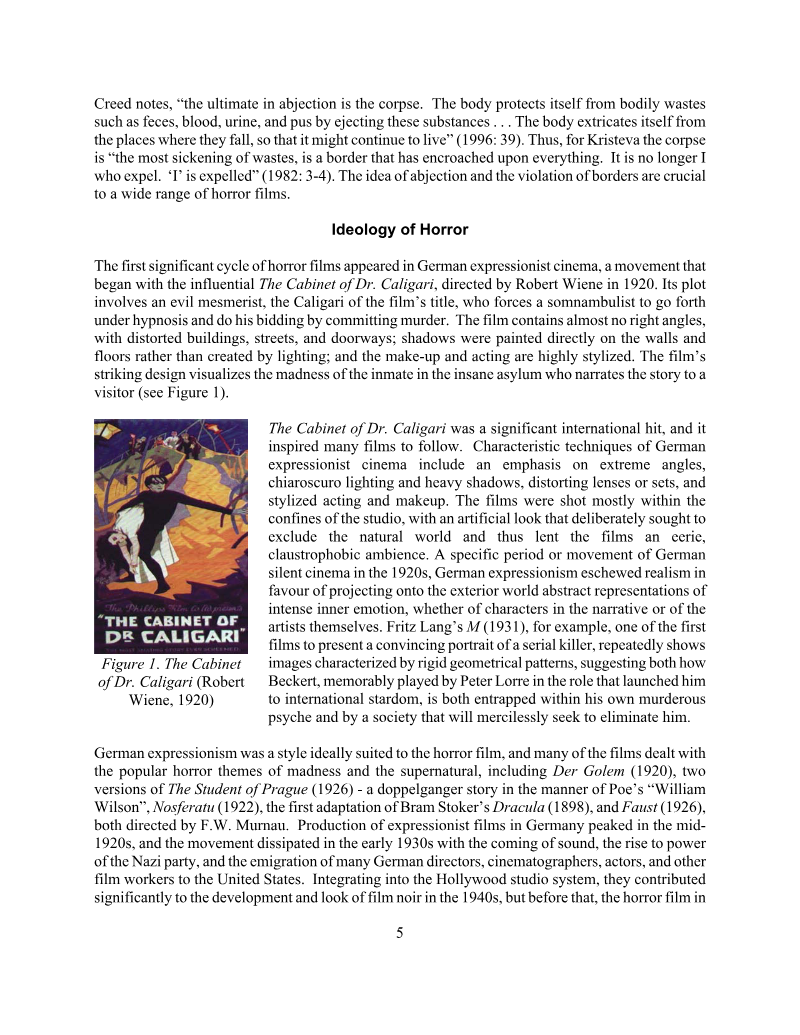
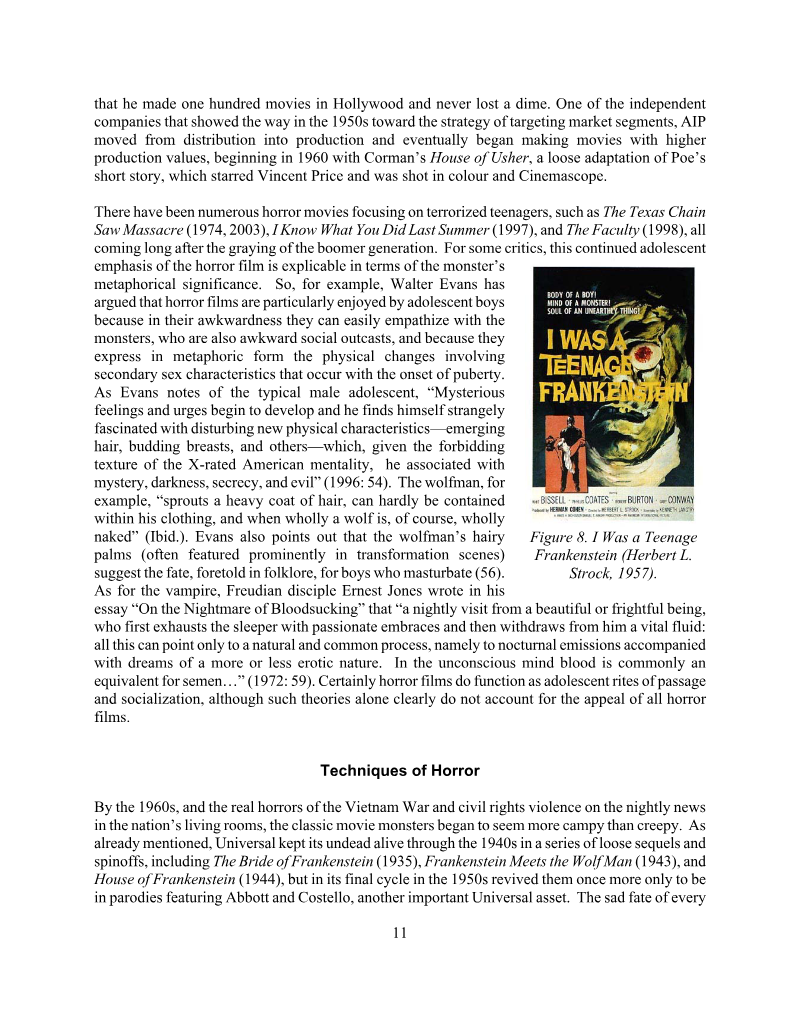
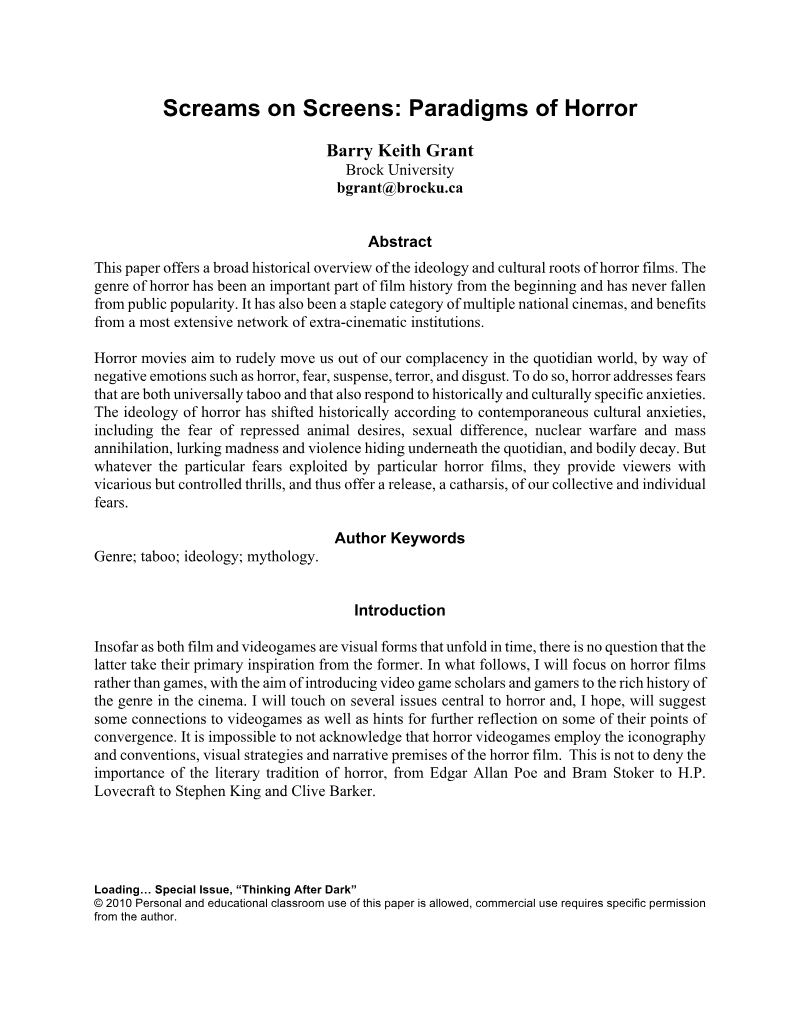
Screams on Screens: Paradigms of Horror
Horror functions as a persistent cultural mechanism designed to disrupt the complacency of daily life by leveraging fear, disgust, and suspense.
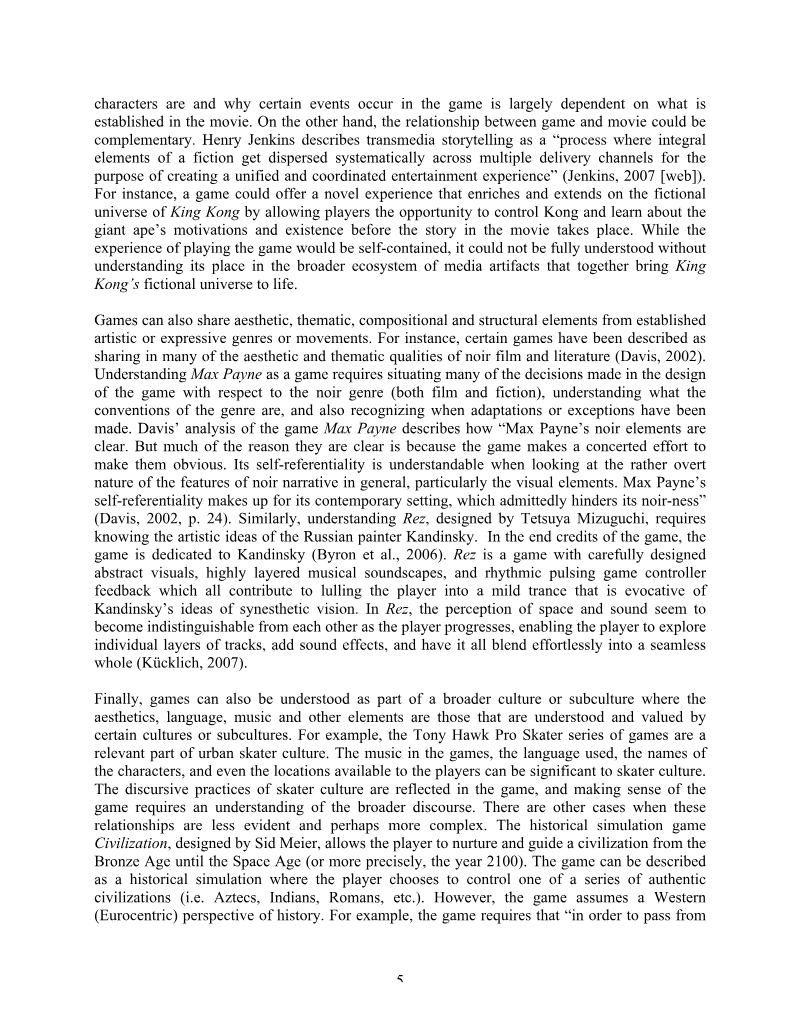
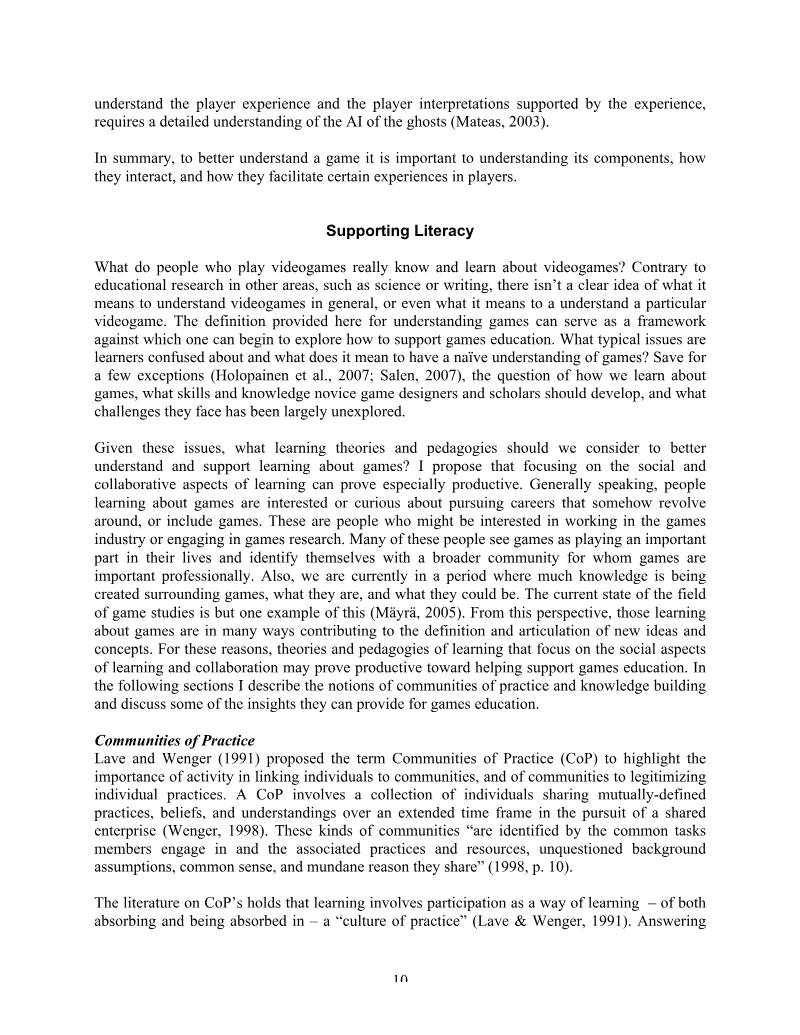
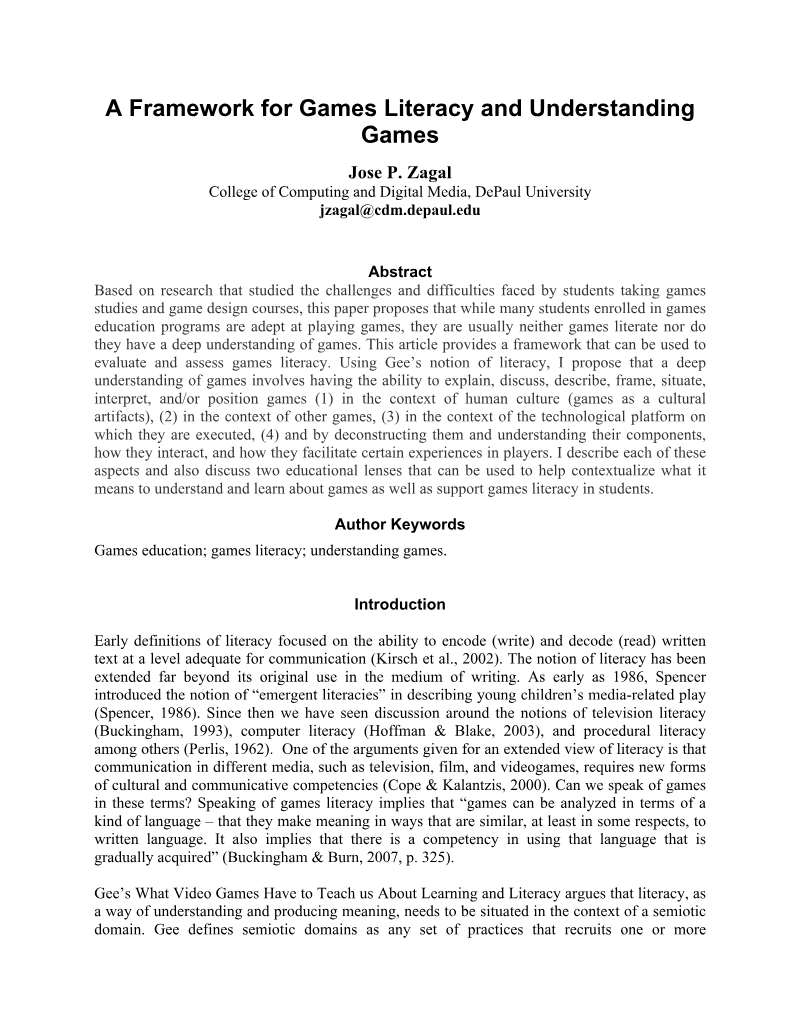
A Framework for Games Literacy and Understanding Games
Games literacy represents a critical evolution in how digital entertainment is studied, shifting the focus from passive gameplay proficiency to the rigorous analytical deconstruction of games as complex cultural artifacts.
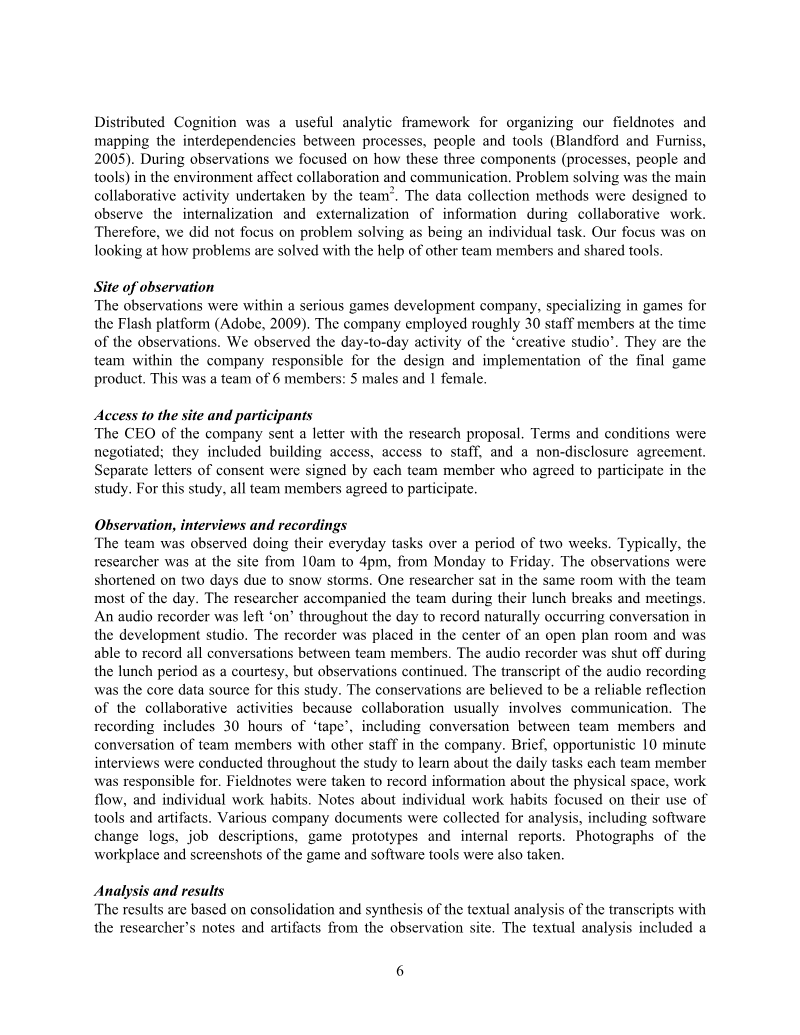
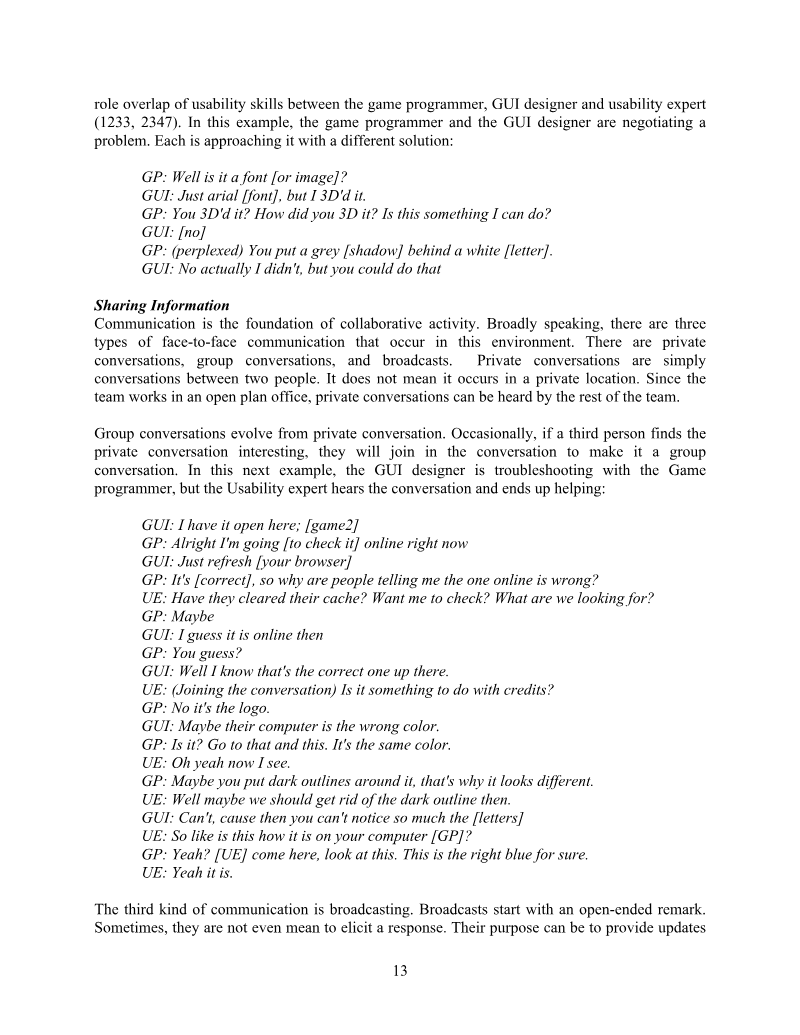
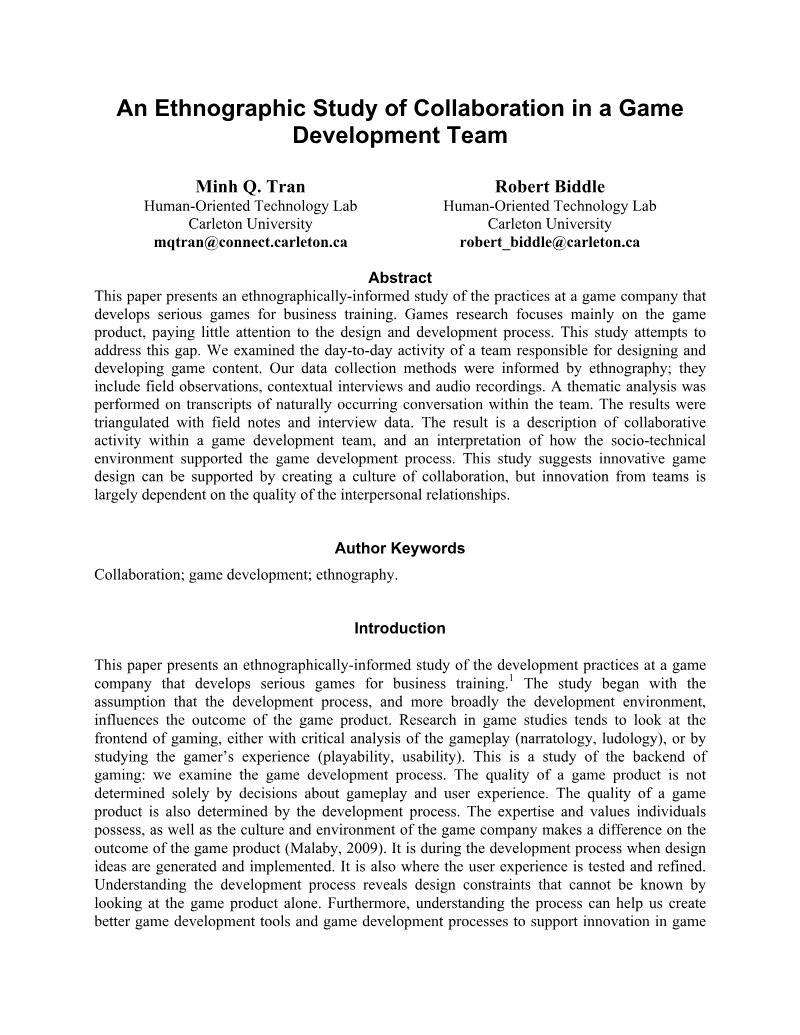
An Ethnographic Study of Collaboration in a Game Development Team
The quality of a final game product is fundamentally shaped by the internal culture, interpersonal dynamics, and socio-technical environment of the development team.