JMIR Serious Games
Fully open-access JMIR journal on serious games, gamification and games for health. Only papers about games are included.
Documents
The ACE of Hearts Serious Game for Young People With Adverse Childhood Experiences
The ACE of Hearts project establishes a novel methodological framework for developing trauma-informed digital health interventions by integrating Experience-Based Co-Design with agile software development.
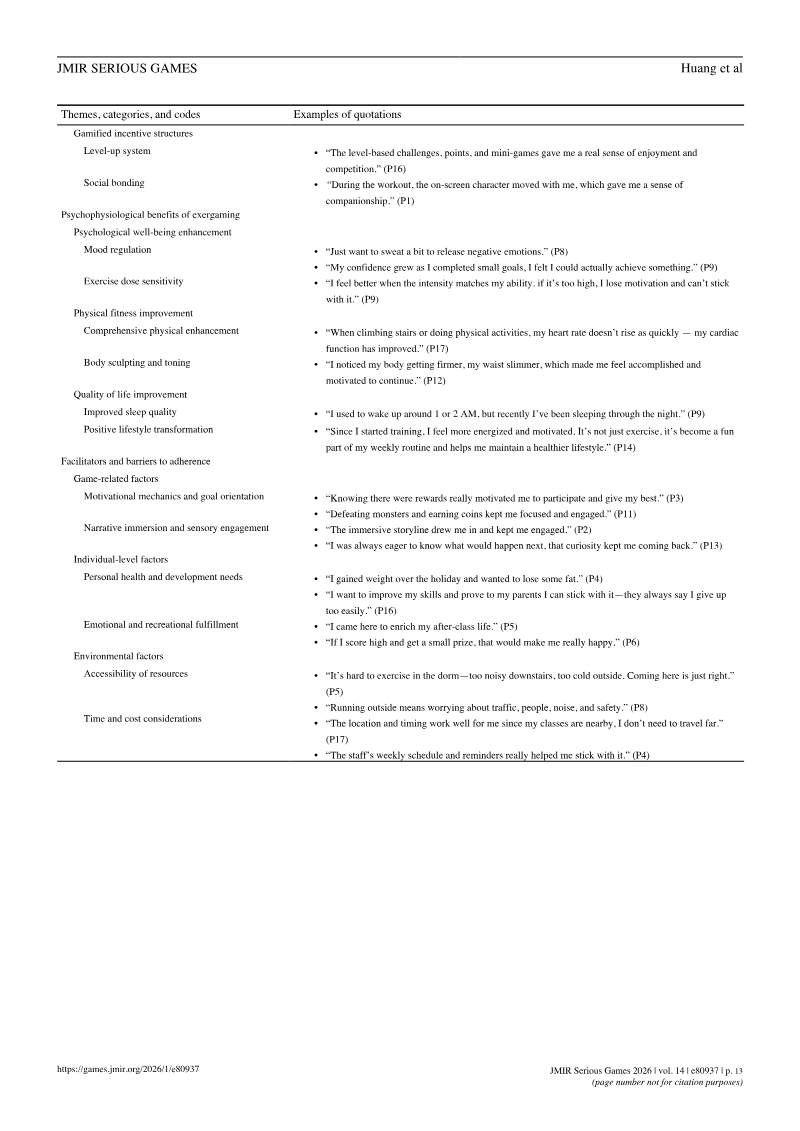
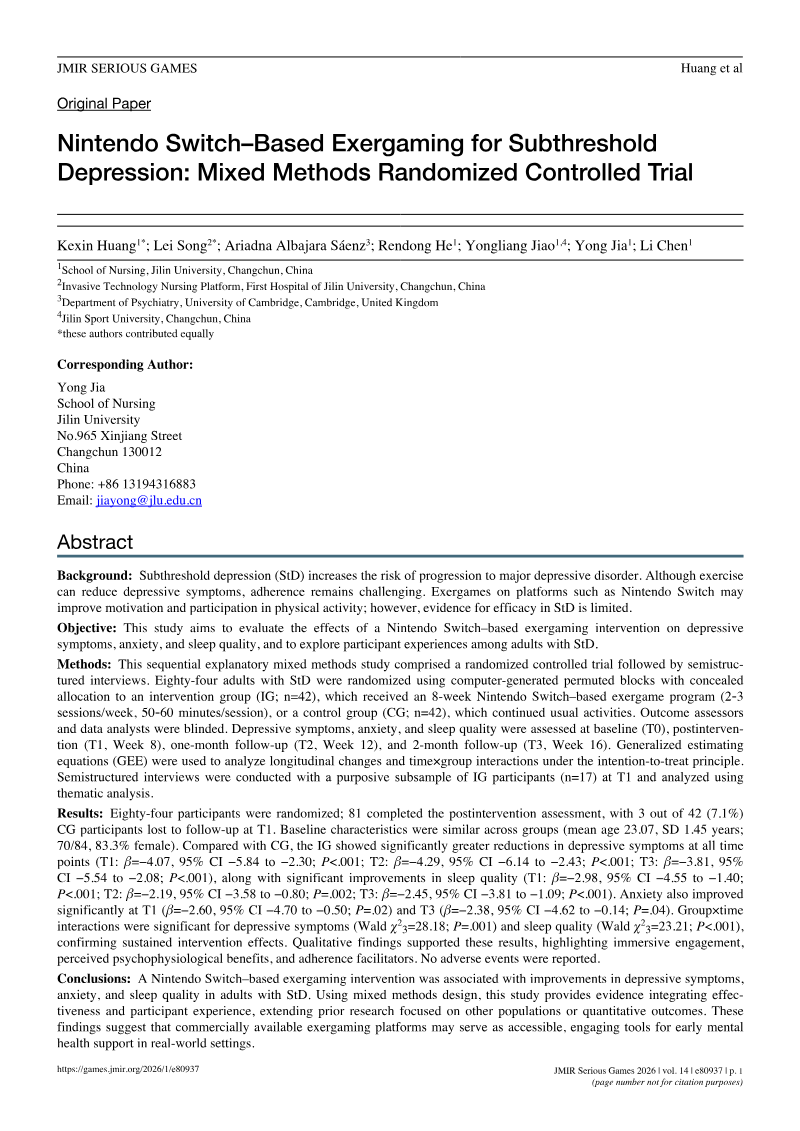
Nintendo Switch-Based Exergaming for Subthreshold Depression: Mixed Methods Randomized Controlled Trial
Commercial exergaming platforms represent a viable and scalable digital intervention for addressing subthreshold depression in young adults.
- An eight-week randomized controlled trial of 84 college students found that Nintendo Switch-based exergaming significantly reduced symptoms of subthreshold depression and anxiety while improving sleep quality.
- The intervention demonstrated long-term efficacy, with positive mental health outcomes remaining stable through a two-month follow-up period.
- Gamified design features, including progressive challenges and real-time feedback, drove high participant engagement, with over 83 percent of the intervention group meeting target activity durations.
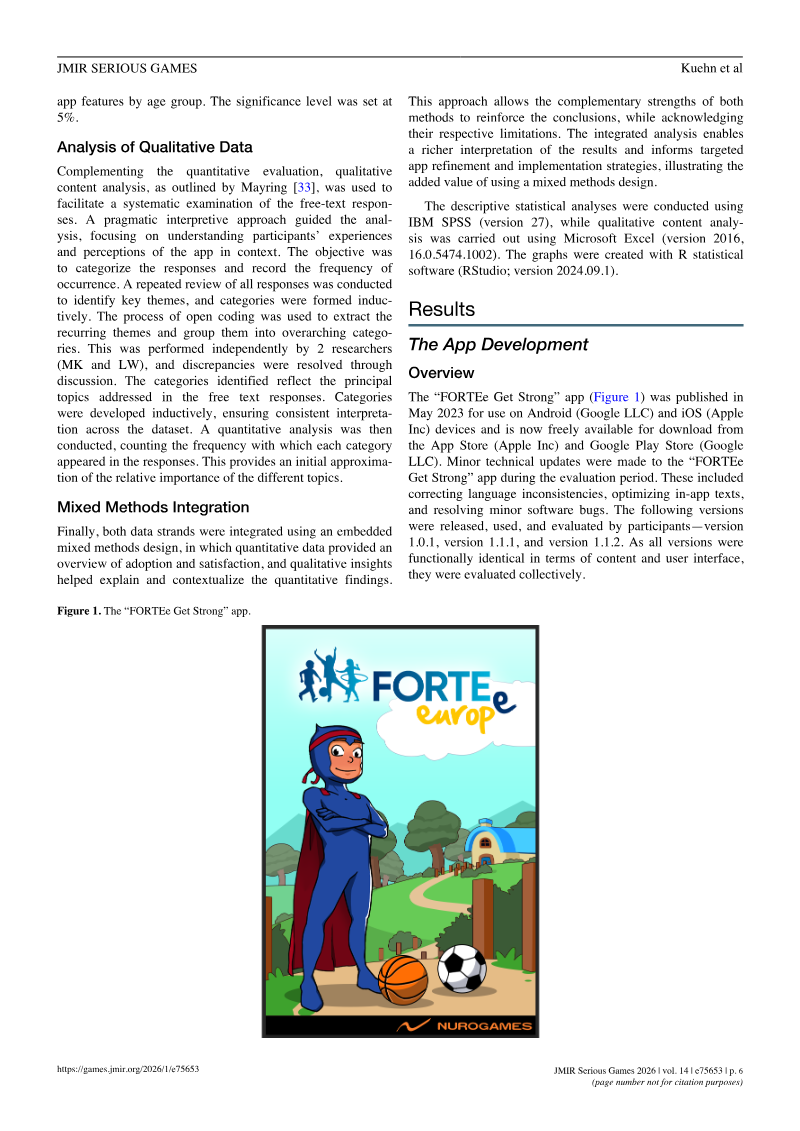
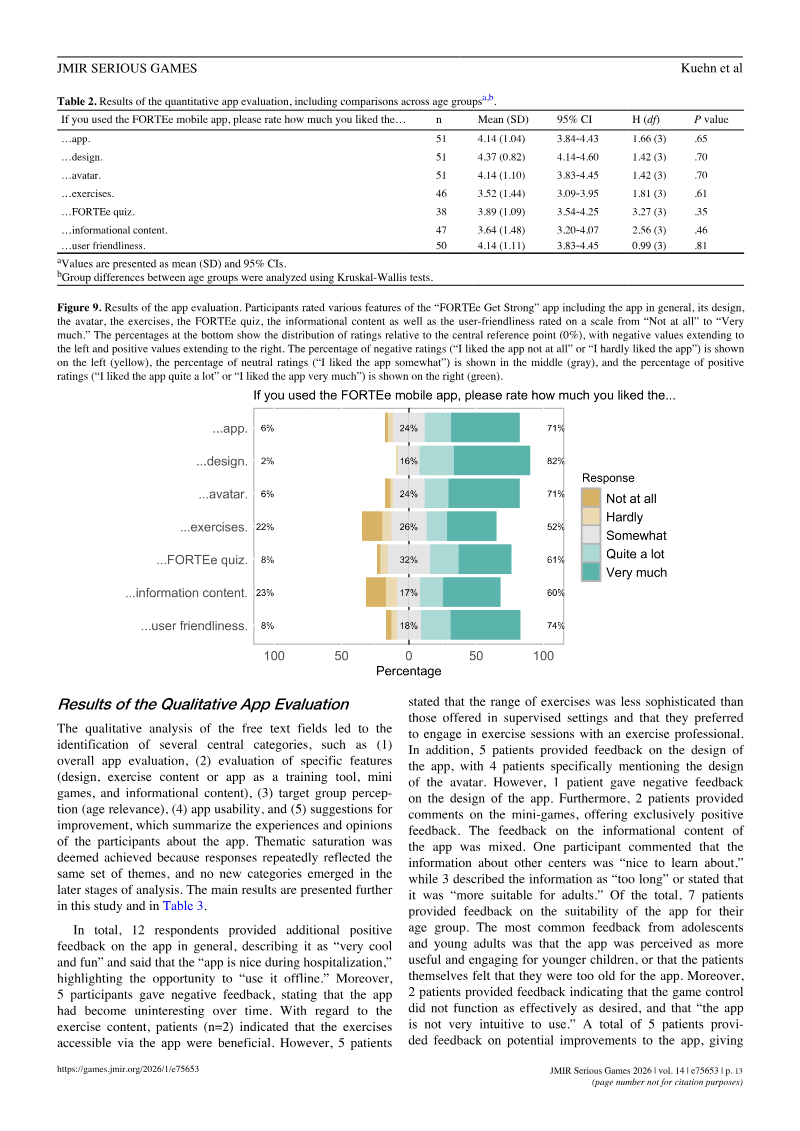
Development and Usability of the “FORTEe Get Strong” App: Mixed Methods Study
The FORTEe Get Strong mobile application serves as a gamified health intervention designed to improve physical activity levels and health literacy among pediatric and adolescent cancer patients.
- The FORTEe Get Strong app achieved a high user satisfaction rating of 4.14 out of 5 among a multicenter trial cohort of 53 pediatric and adolescent cancer patients.
- Core gamification mechanics, including a virtual village and customizable avatars, maintained stable engagement levels across diverse demographics regardless of age, sex, or specific cancer diagnosis.
- A primary usability gap exists regarding age-appropriateness, as older adolescent users reported that existing content is better suited for younger children.
Mental Health Professionals' Views on Gaming to Inform Game-Based Interventions
Mental health professionals in Finland maintain a complex, dualistic perspective on gaming, characterized by a distinct self-client attitude asymmetry.
Is Gamification the New Panacea for Health Behavioral Changes?
The health and life insurance industry is undergoing a fundamental transition from passive risk assessment to proactive risk reduction through the integration of gamified wellness programs.
Efficacy of the Web-Based Gamified Infection Control Training System: Hong Kong
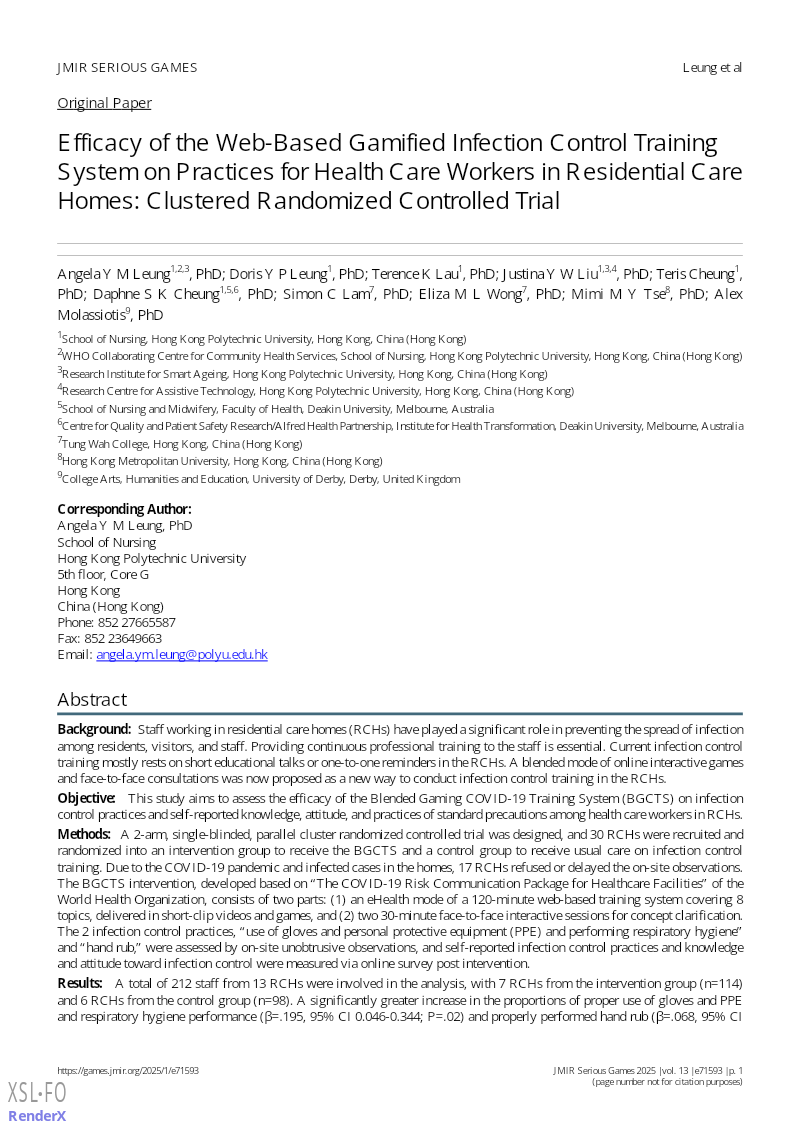
The Blended Gaming COVID-19 Training System (BGCTS) serves as a digital intervention designed to enhance infection control standards among healthcare workers in Hong Kong’s residential care sector.
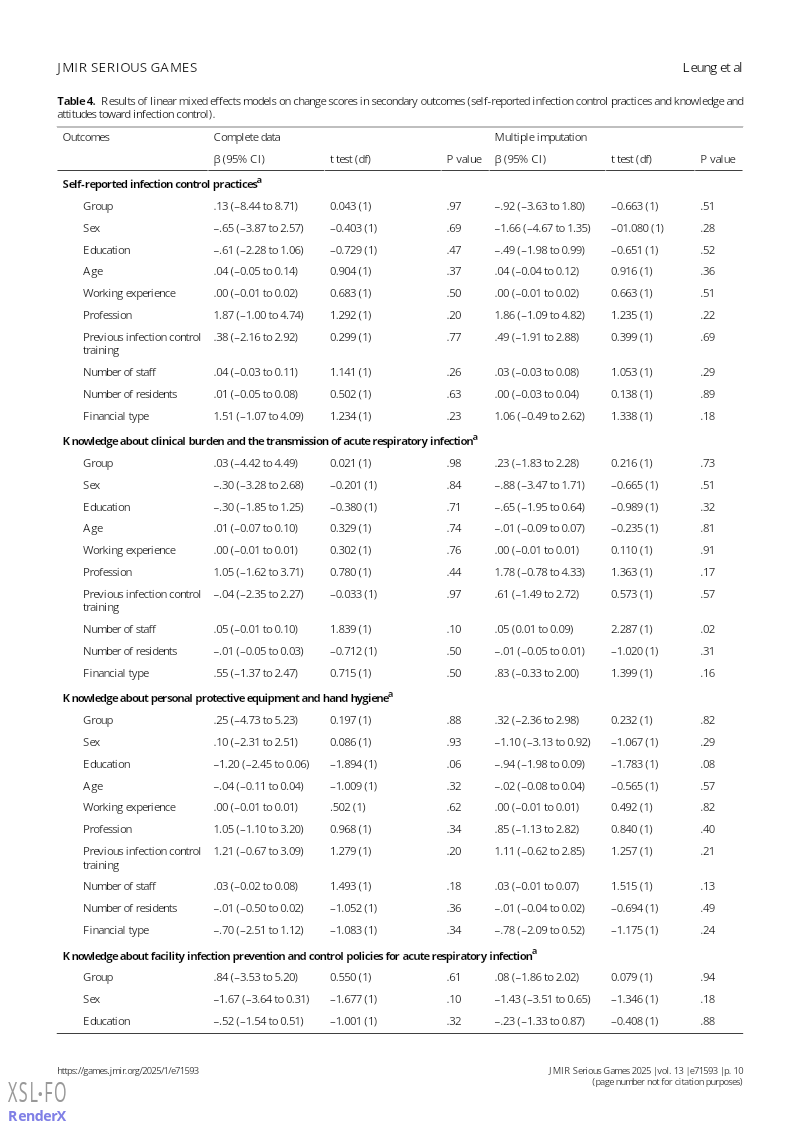
- The Blended Gaming COVID-19 Training System (BGCTS) significantly outperformed traditional briefing sessions in improving critical infection control behaviors among healthcare workers in 13 residential care facilities.
- Gamified training led to measurable, statistically significant improvements in technical clinical performance, specifically regarding PPE application, respiratory hygiene, and hand-rubbing techniques.
- There was a notable disconnect between objective performance gains and subjective self-assessment, as the intervention failed to produce statistically significant changes in participants' self-reported knowledge, attitudes, or confidence levels.
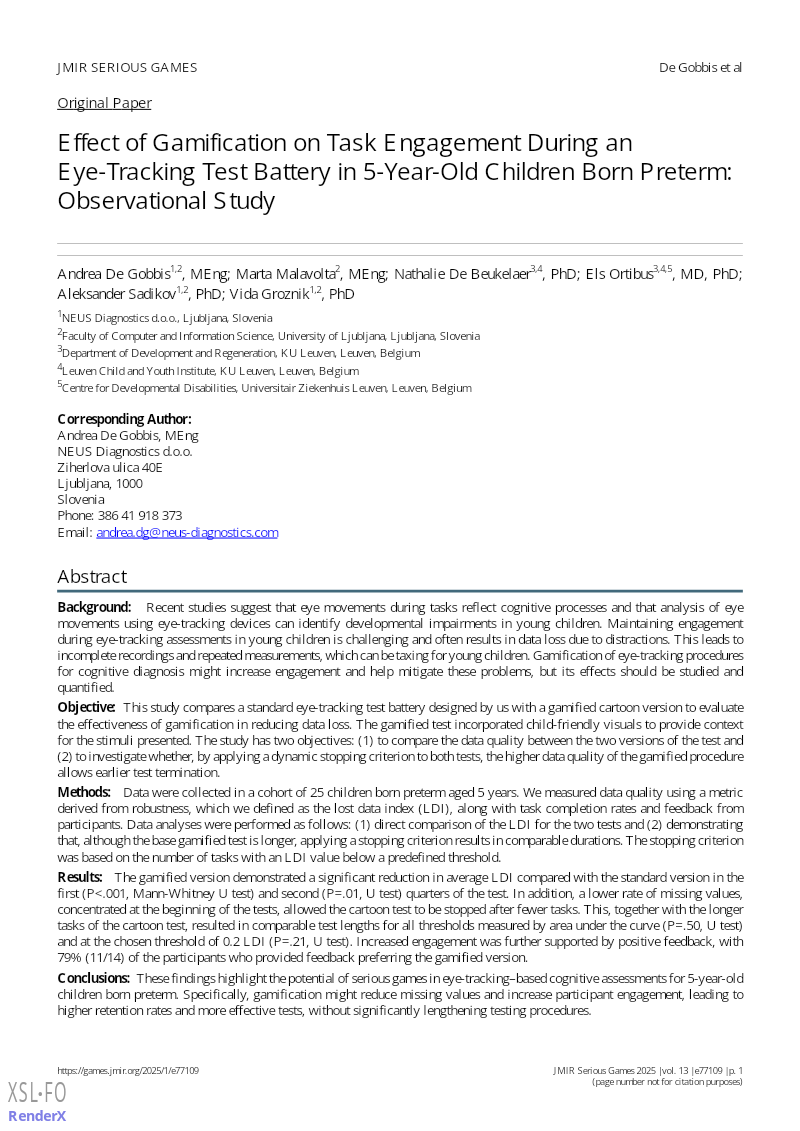
Effect of Gamification on Task Engagement During an Eye-Tracking Test Battery in 5-Year-Old Children Born Preterm
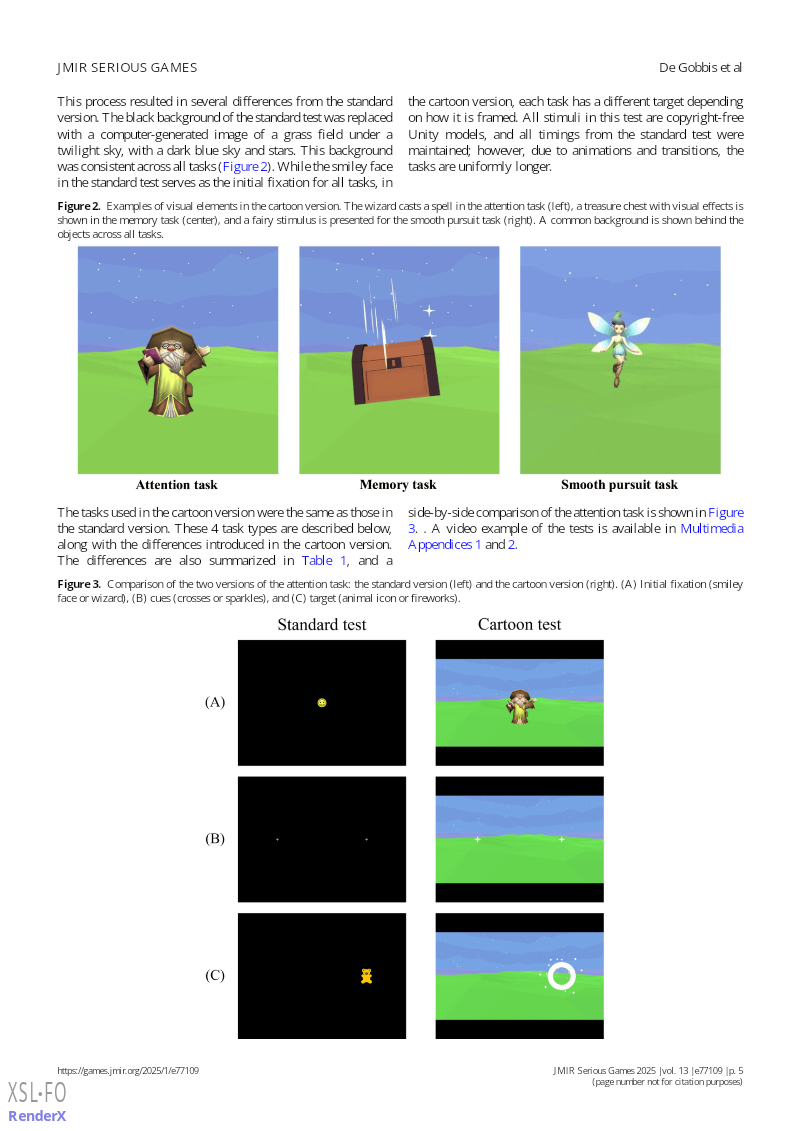
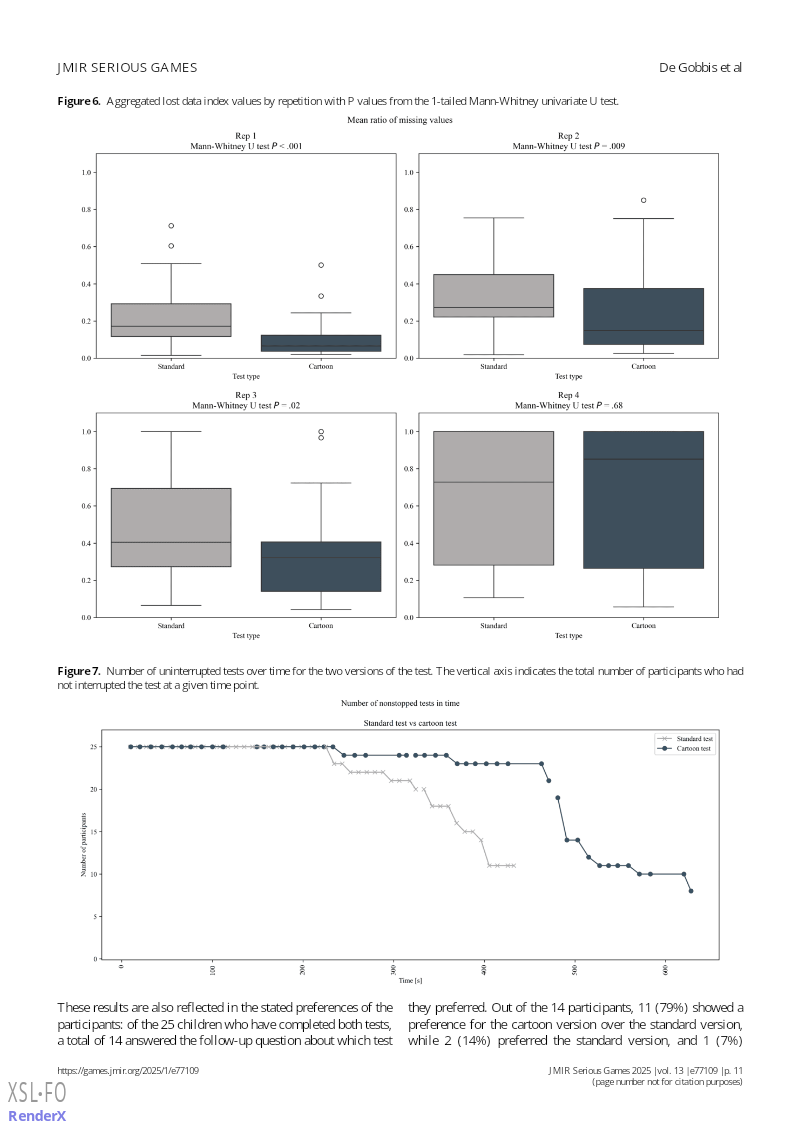
Gamification serves as a highly effective strategy for enhancing engagement and data quality during cognitive assessments of five-year-old children born preterm.
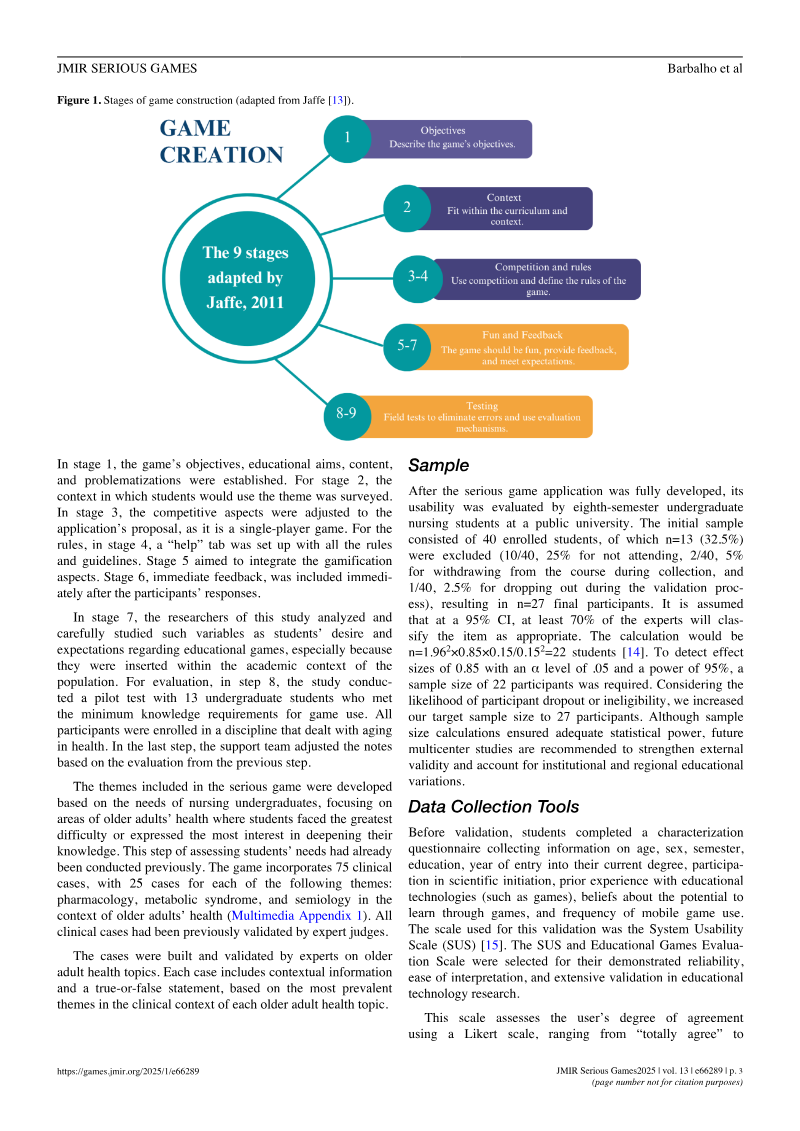
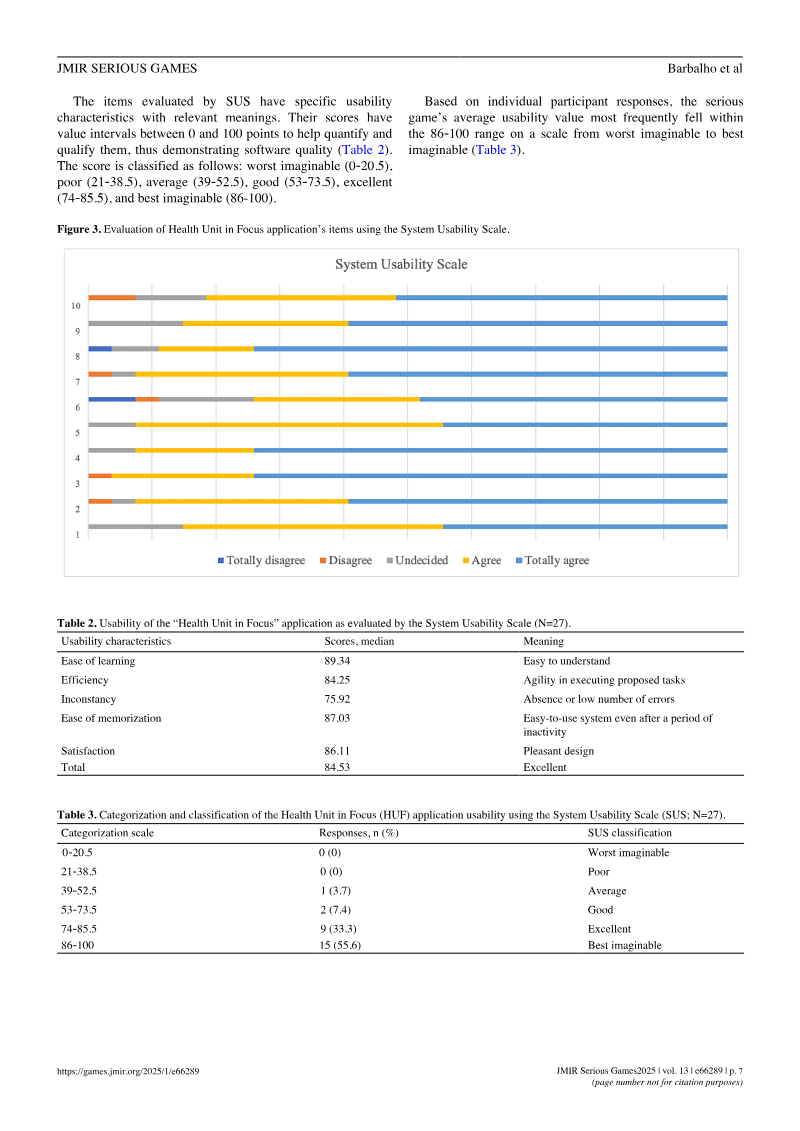
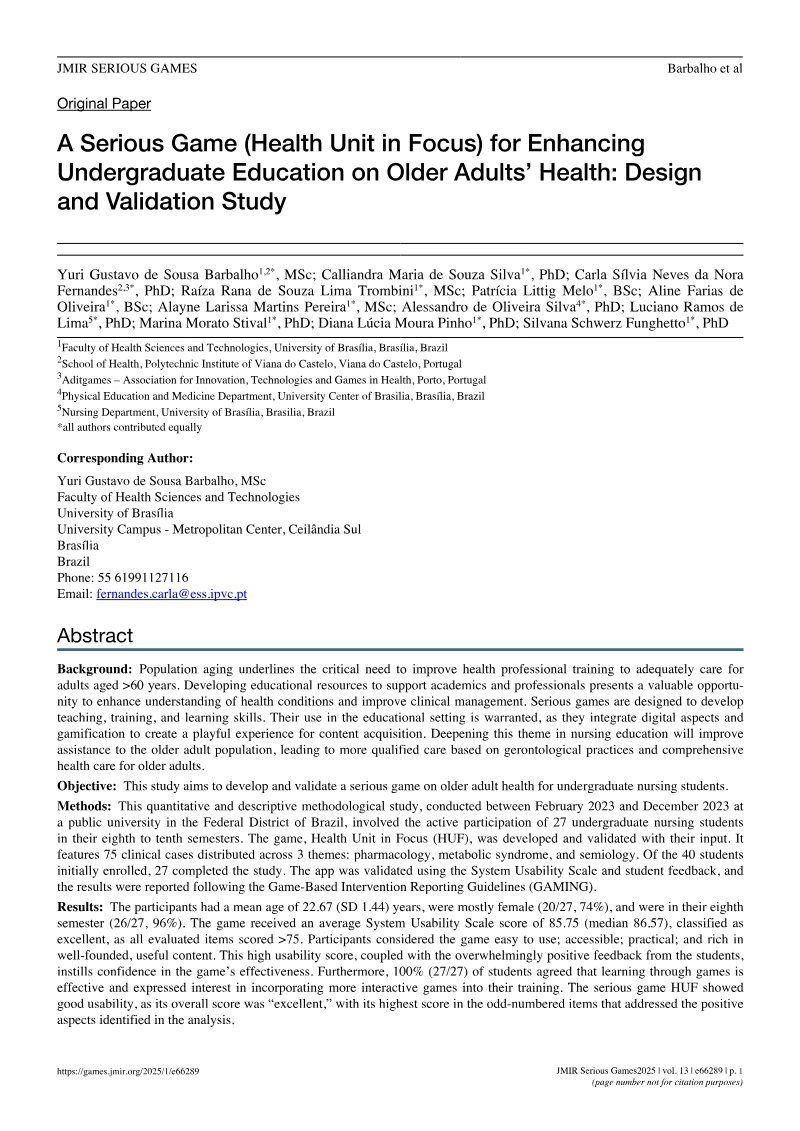
A Serious Game (Health Unit in Focus) for Enhancing Undergraduate Education on Older Adults' Health: Design and Validation Study
The Health Unit in Focus mobile serious game serves as a specialized pedagogical tool designed to improve undergraduate nursing education concerning the health of older adults.
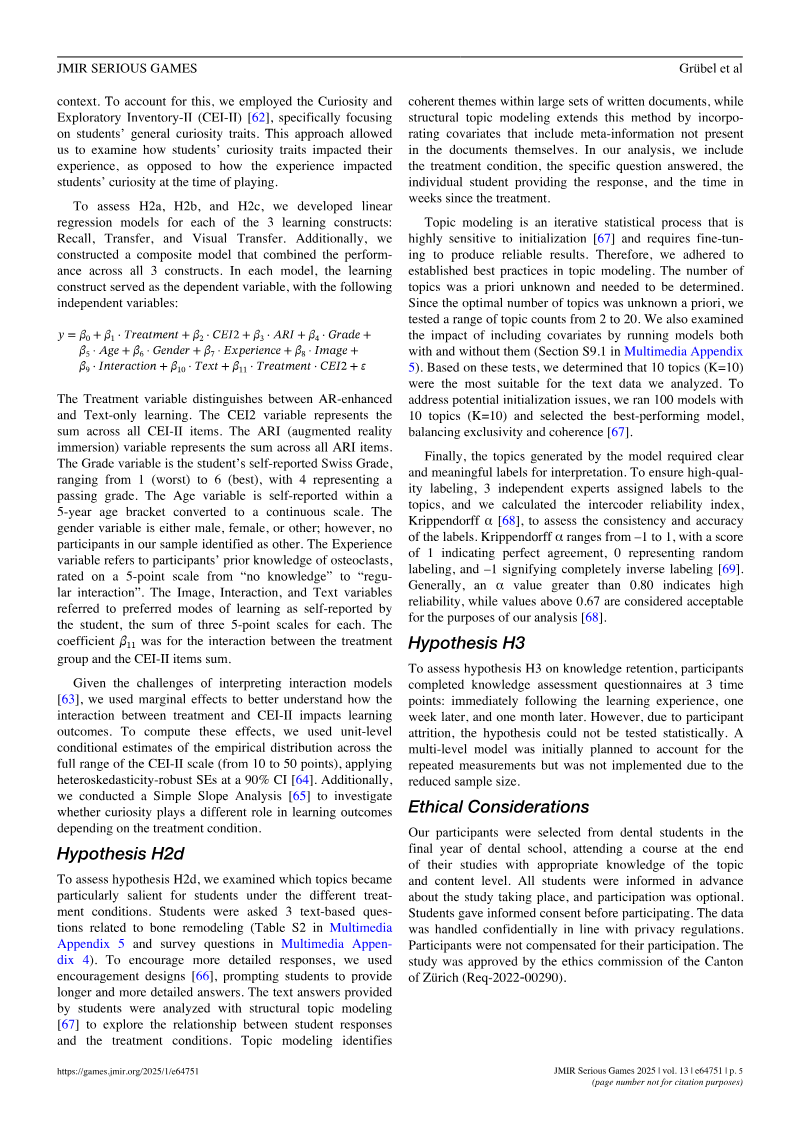
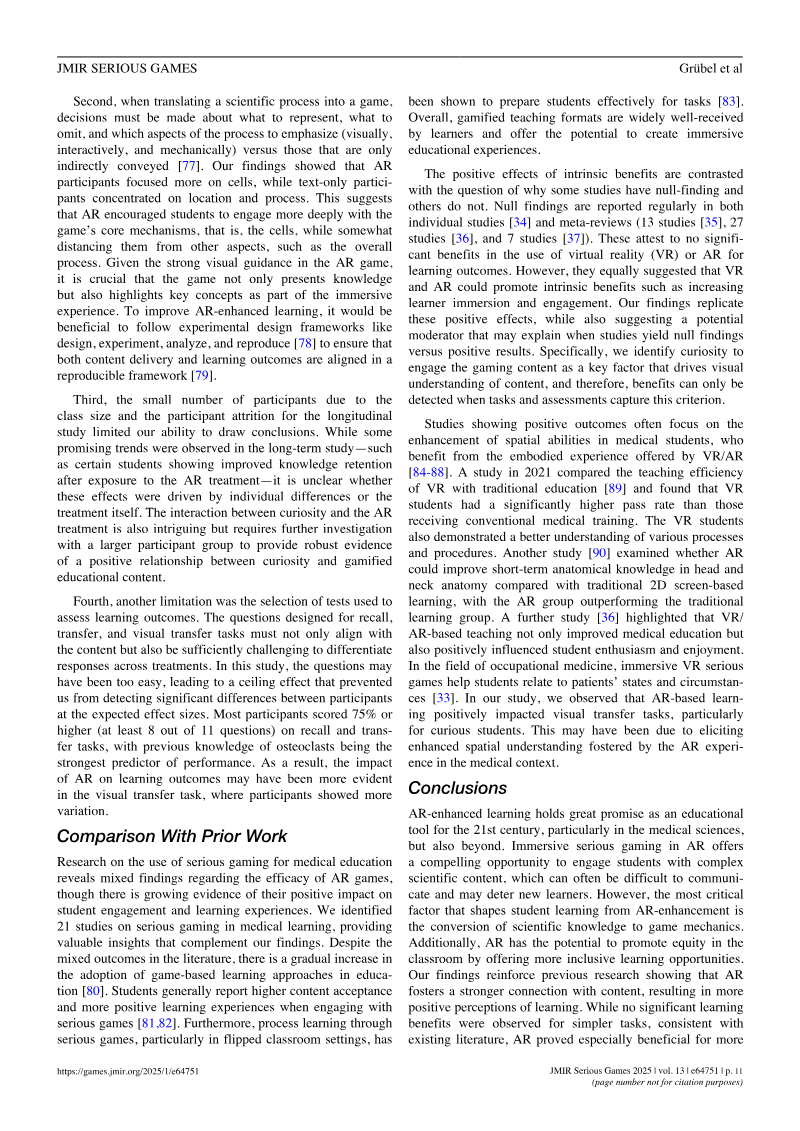
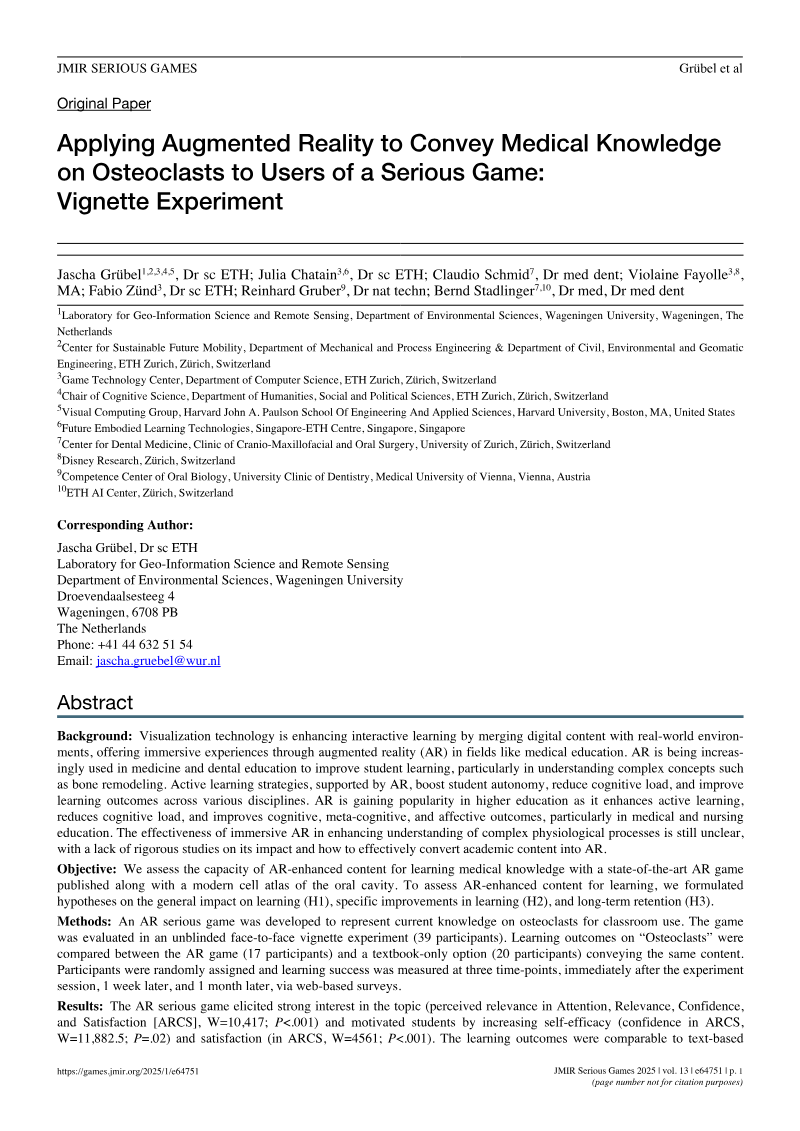
Applying Augmented Reality to Convey Medical Knowledge on Osteoclasts to Users of a Serious Game
Augmented reality serves as a compelling pedagogical tool for medical education, specifically regarding the complex biological processes of bone remodeling and osteoclast function.
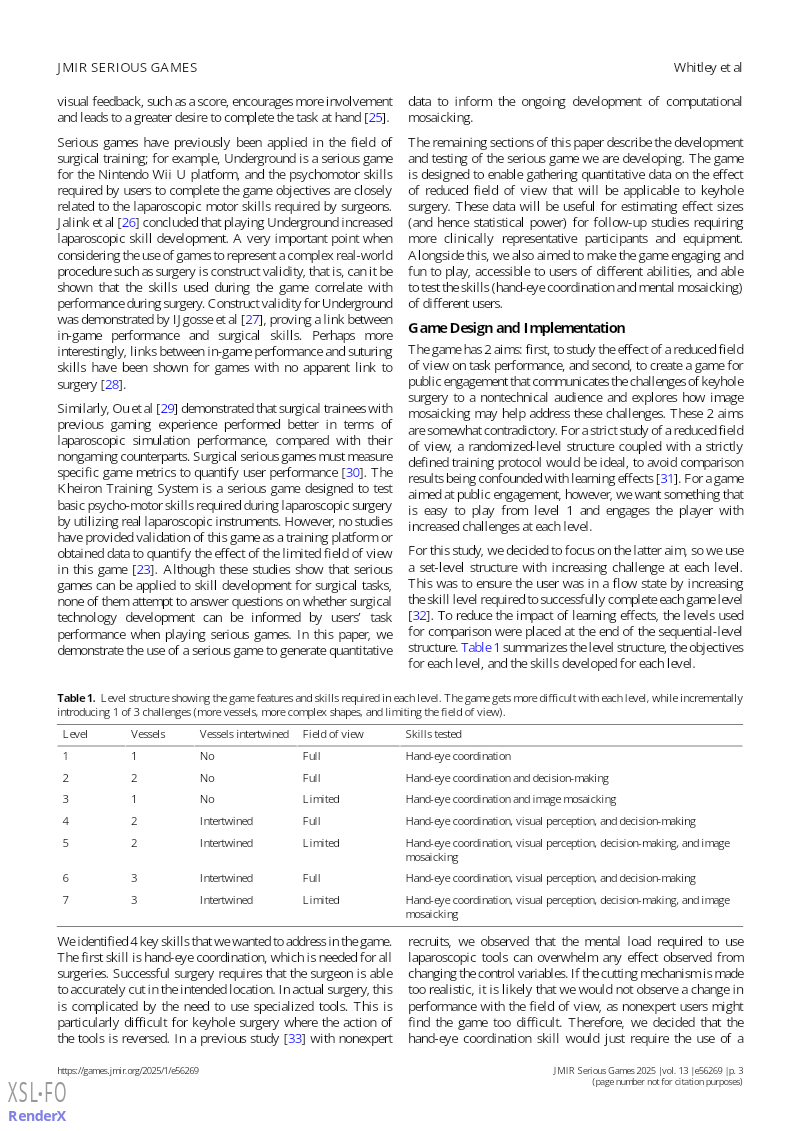
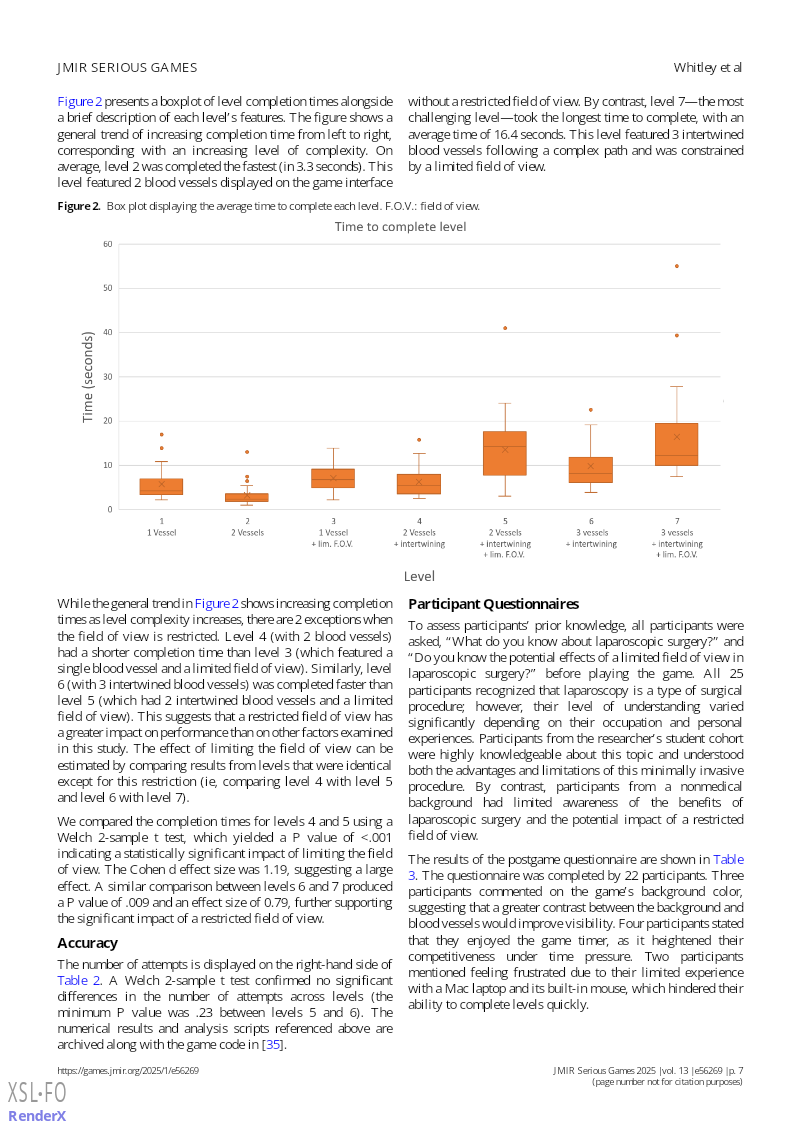
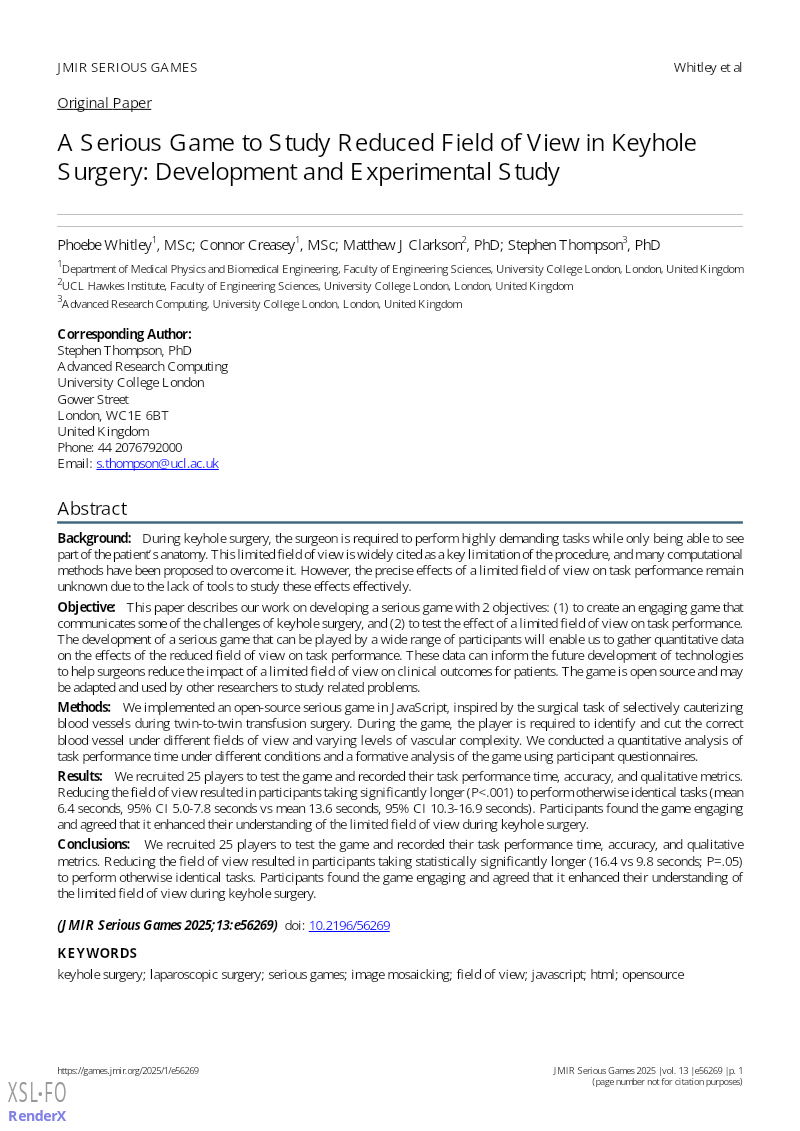
A Serious Game to Study Reduced Field of View in Keyhole Surgery: Development and Experimental Study
The development of an open-source serious game provides a novel, accessible methodology for quantifying the cognitive and performance-based challenges inherent in keyhole surgery.
- Restricted fields of view in laparoscopic simulations cause task completion times to increase by 60% to 100%.
- Controlled tests showed average task completion times rising from 9.8 seconds to 16.4 seconds when visual constraints were applied.
- Visual limitations represent a more significant barrier to surgical task performance than other common challenges, such as vessel intertwining.
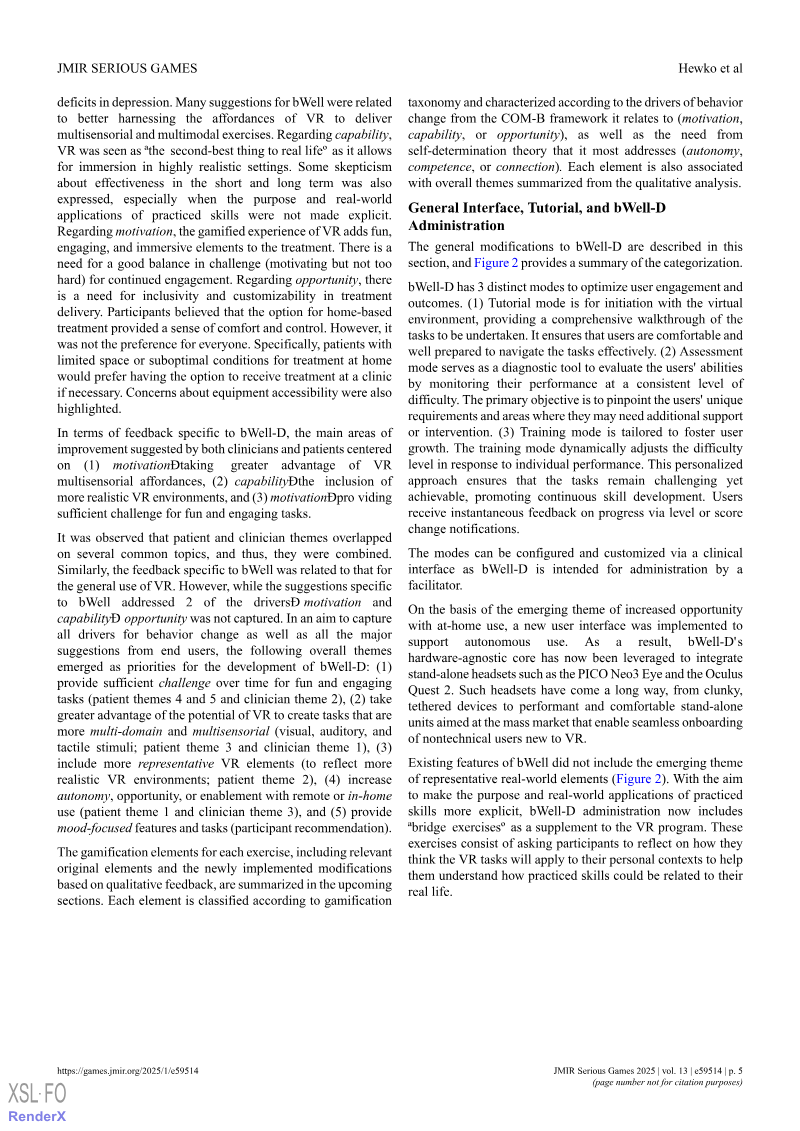
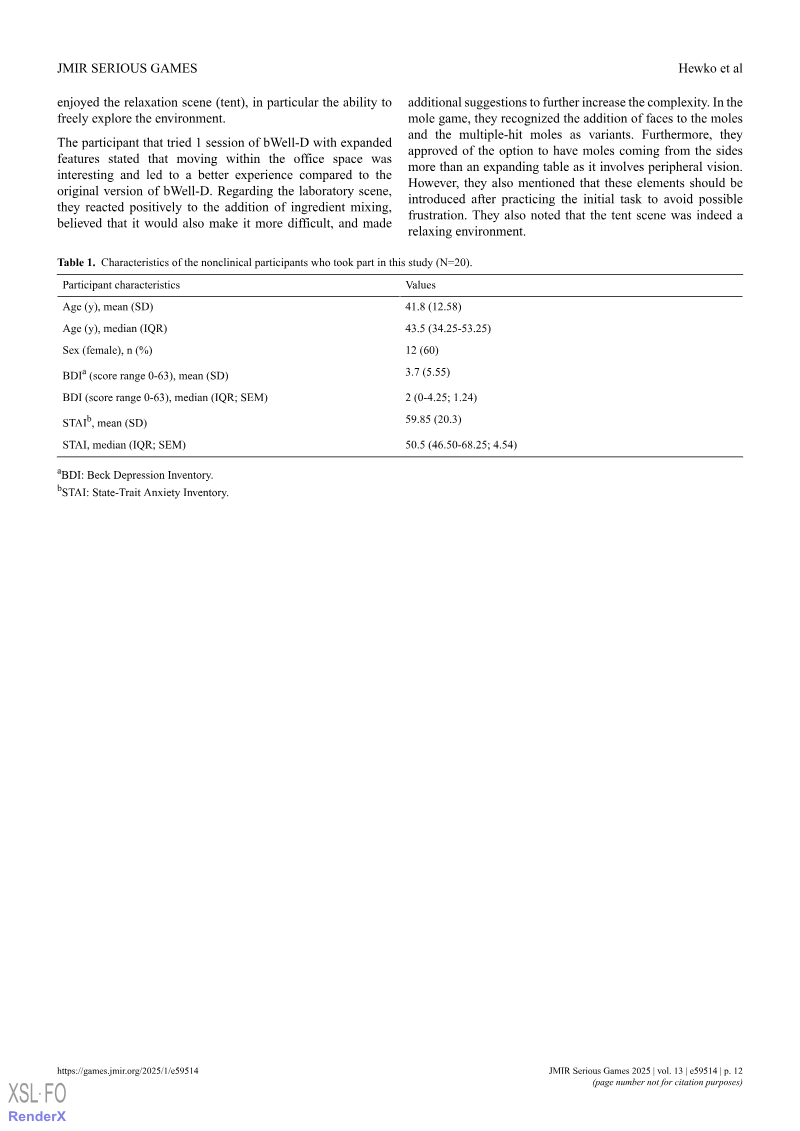
Considering Theory-Based Gamification in the Co-Design and Development of a VR Intervention
The bWell-D project establishes a framework for developing immersive virtual reality interventions for major depressive disorder by prioritizing theory-based gamification over conventional extrinsic reward systems.
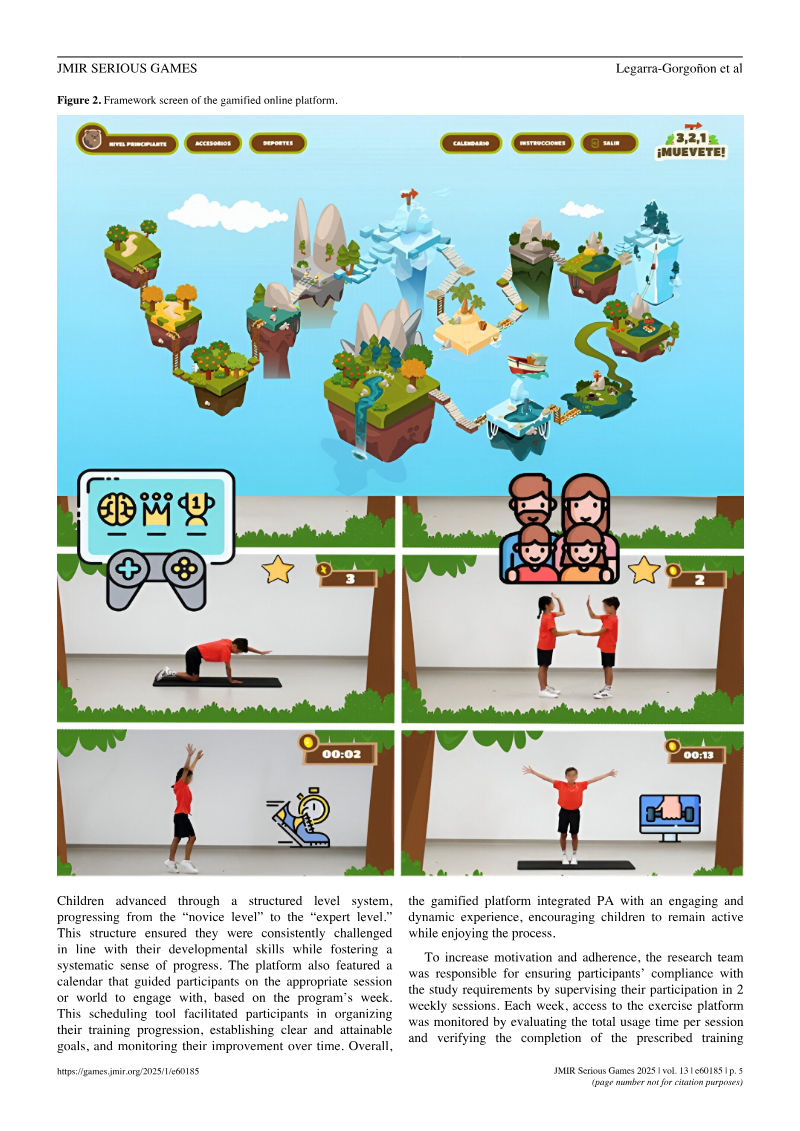
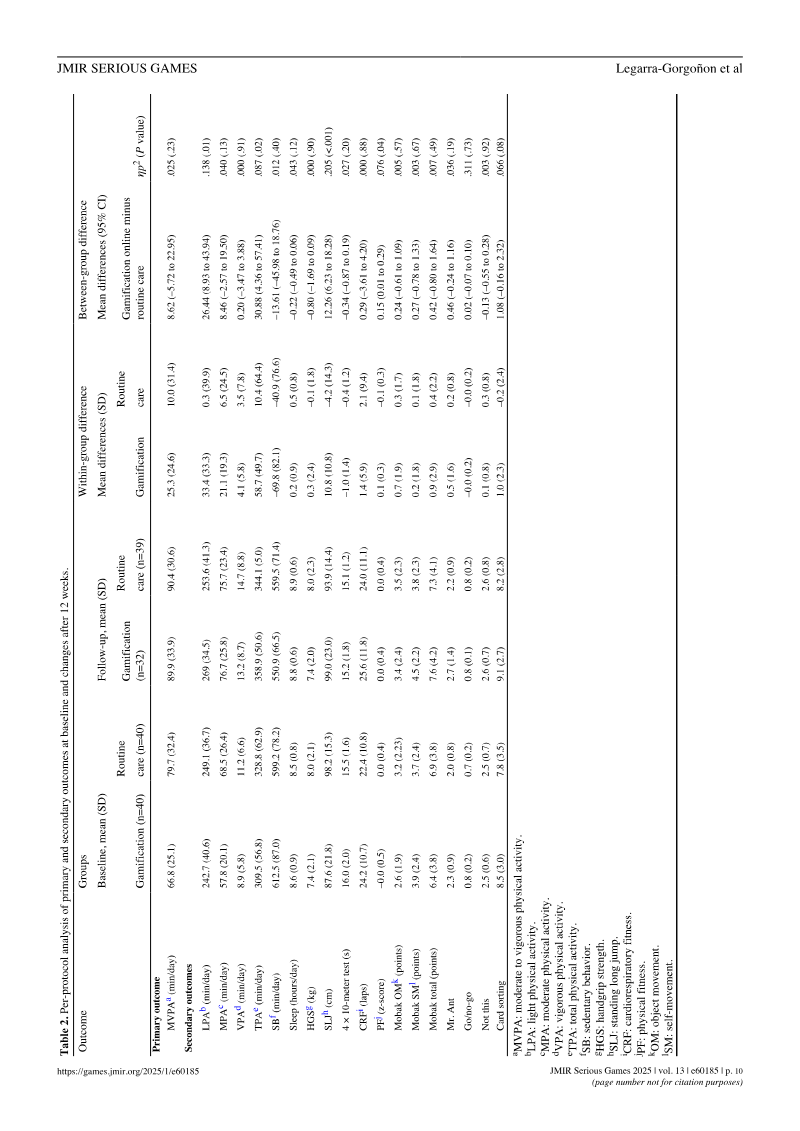
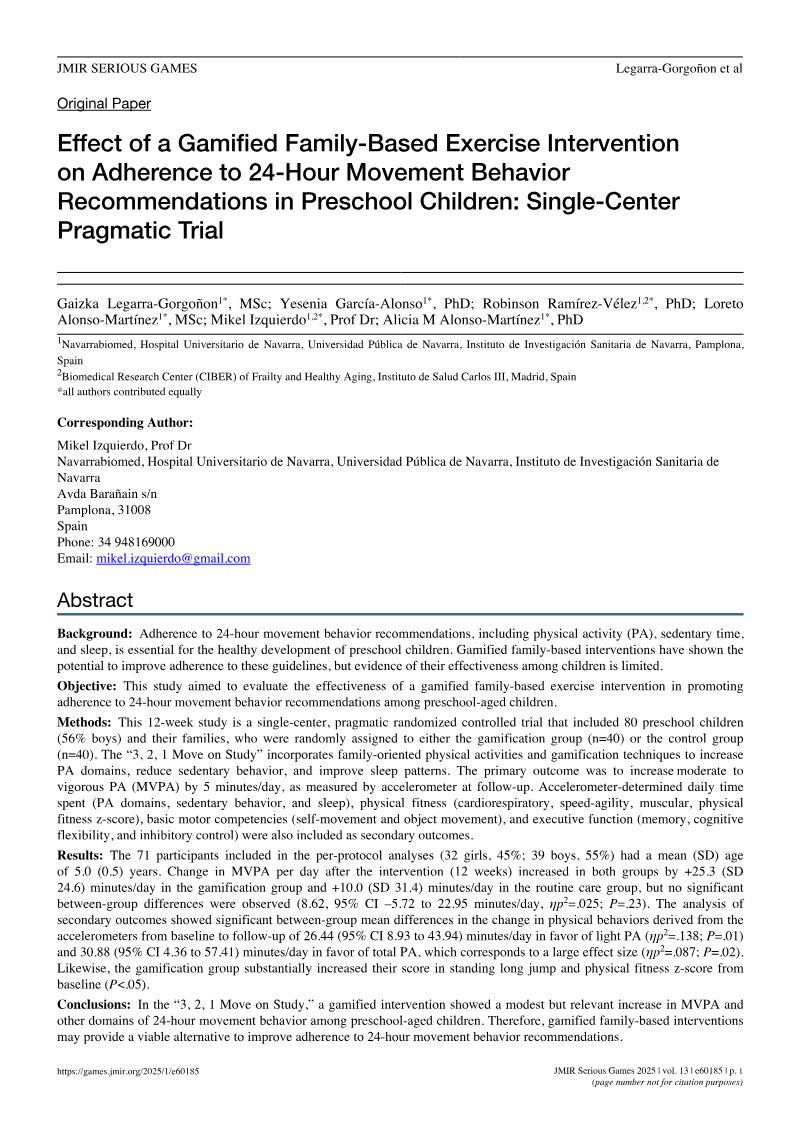
Effect of a Gamified Family-Based Exercise Intervention on Adherence to 24-Hour Movement Behavior Recommendations in Preschool Children
The 3, 2, 1 Move on Study investigates the efficacy of a 12-week gamified, family-based exercise intervention designed to improve adherence to 24-hour movement behavior recommendations among 80 preschool-aged children.
Do you work at JMIR Serious Games? Get a free report of how these documents are read and cited here.