Loading the document
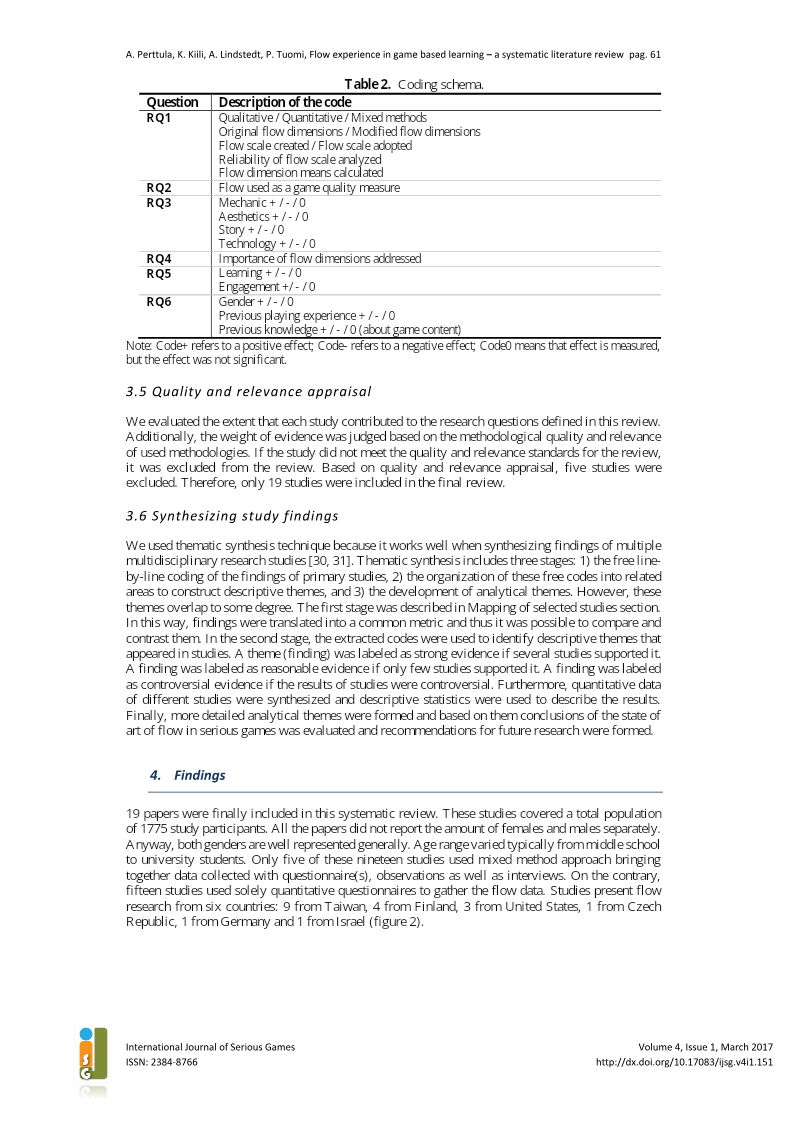
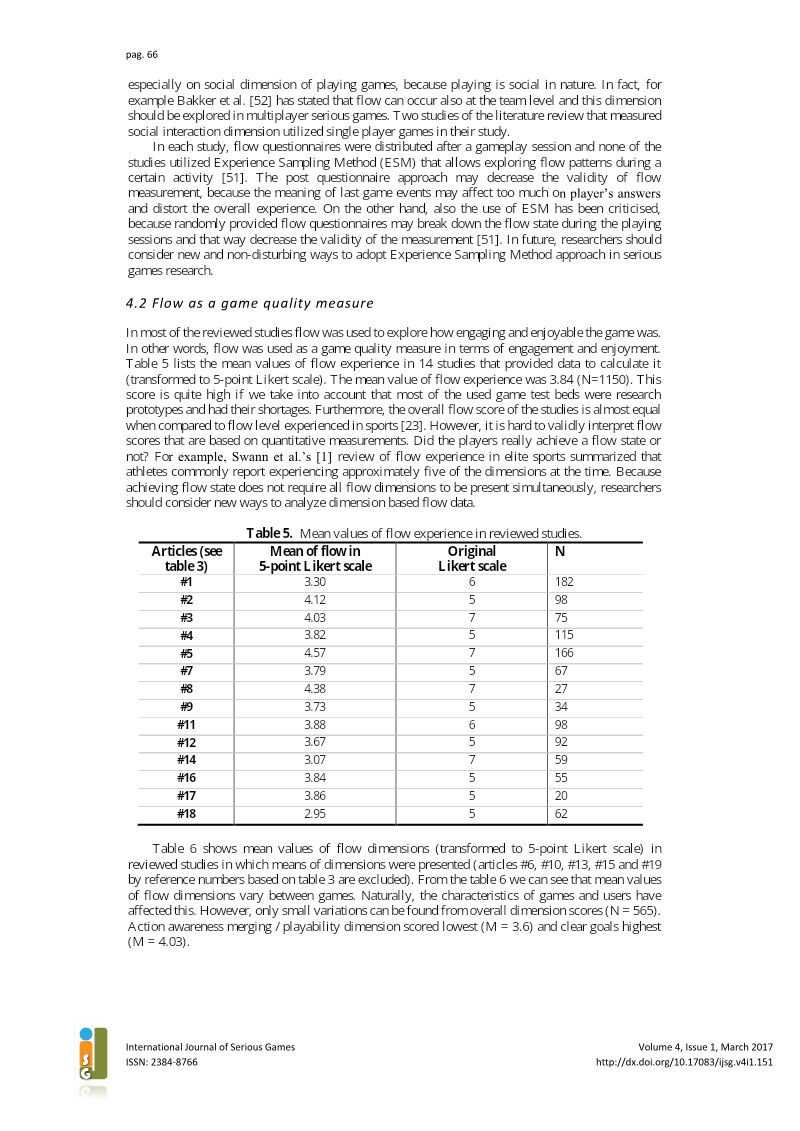
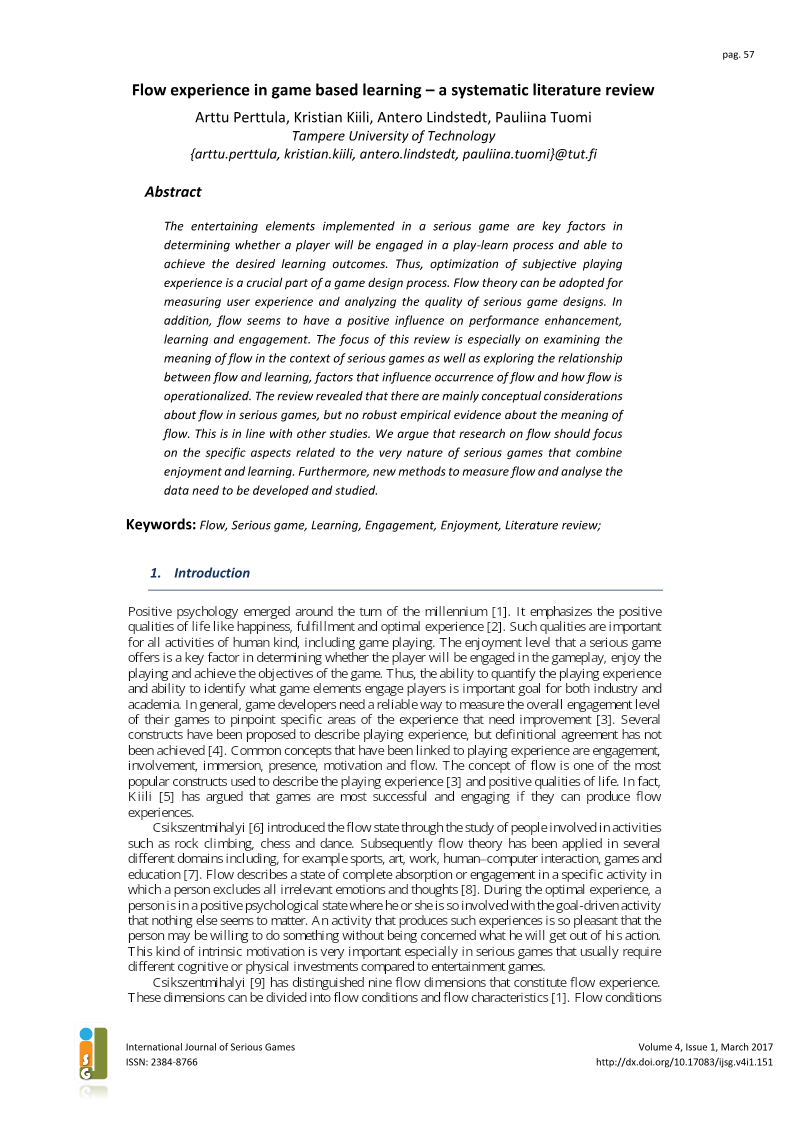
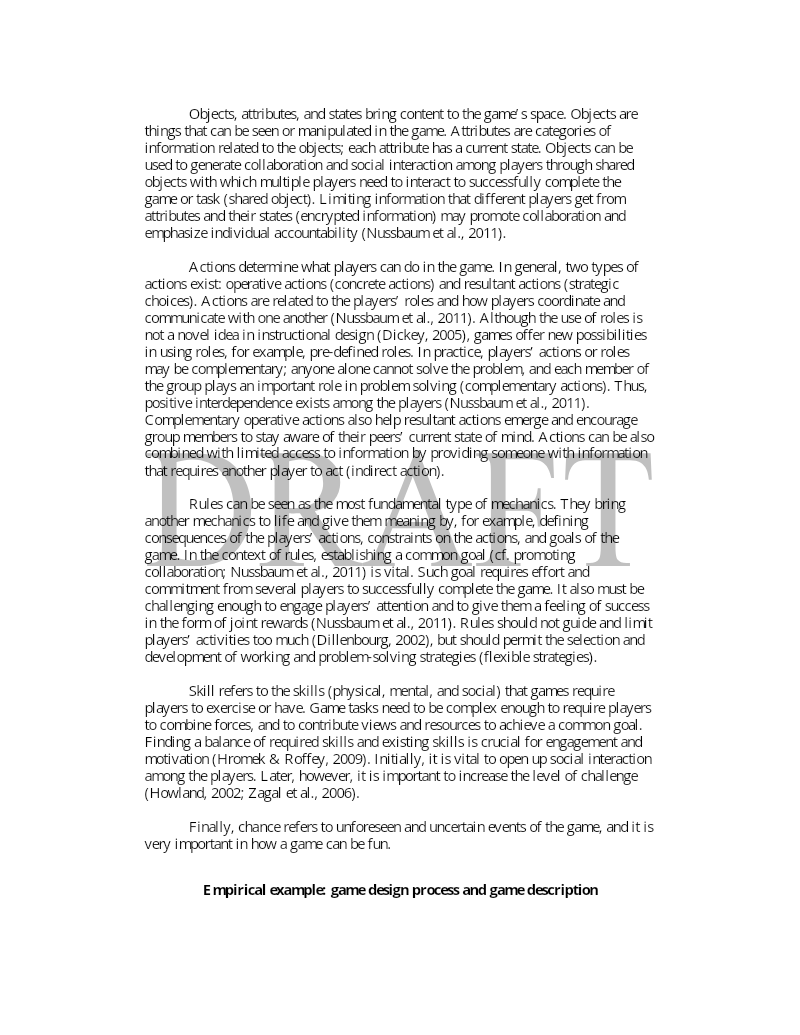
Key insights
4 slides
Conflicting views
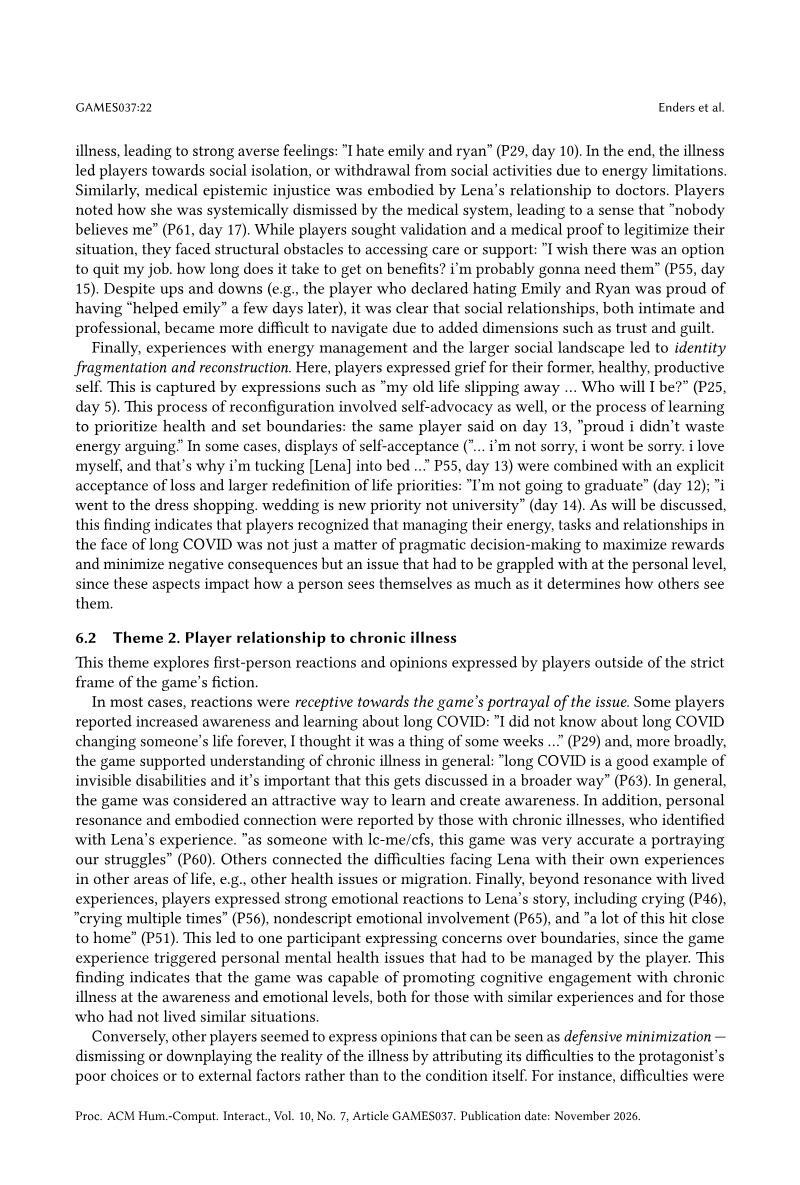
Mental health professionals show a 'self-client attitude asymmetry' regarding gaming.
Clinicians personally enjoy gaming for recreation, viewing it as a meaningful cultural practice. However, they frequently associate client gaming with pathology, addiction, and avoidance behaviors.
It's like enjoying a dessert yourself but warning patients about its health risks.
1 / 4
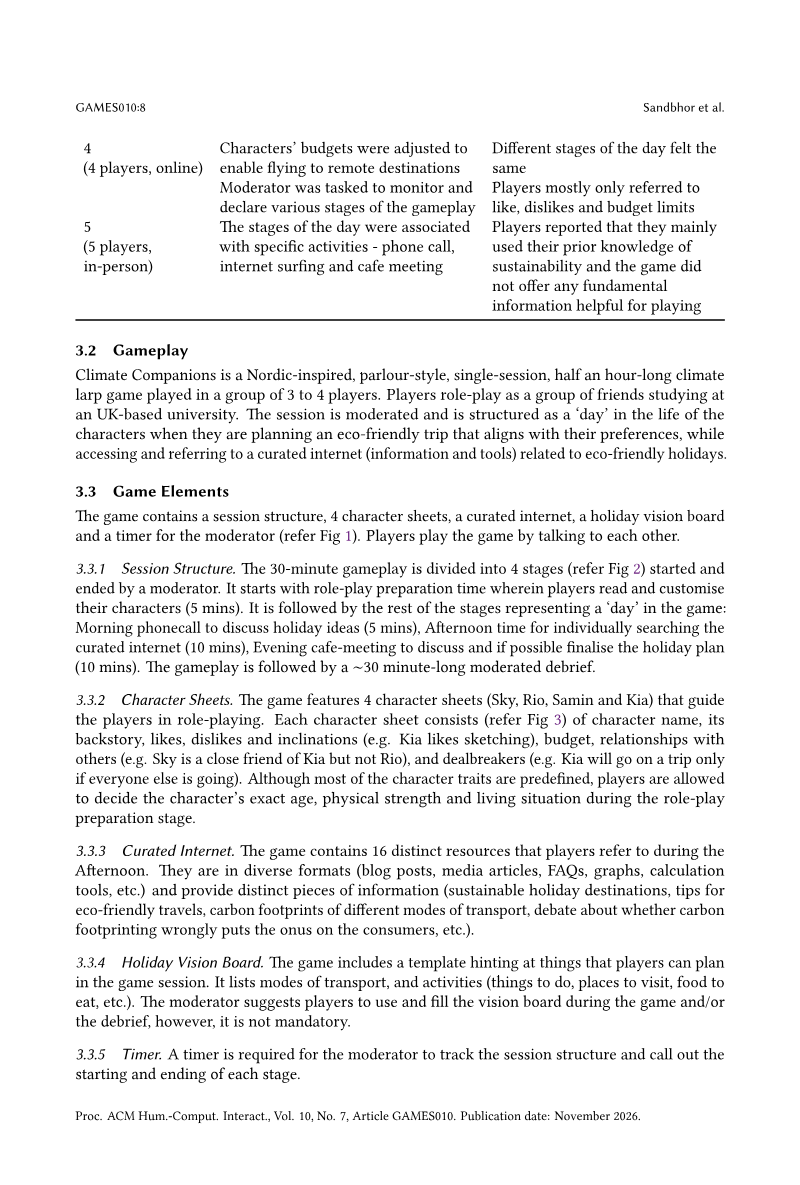
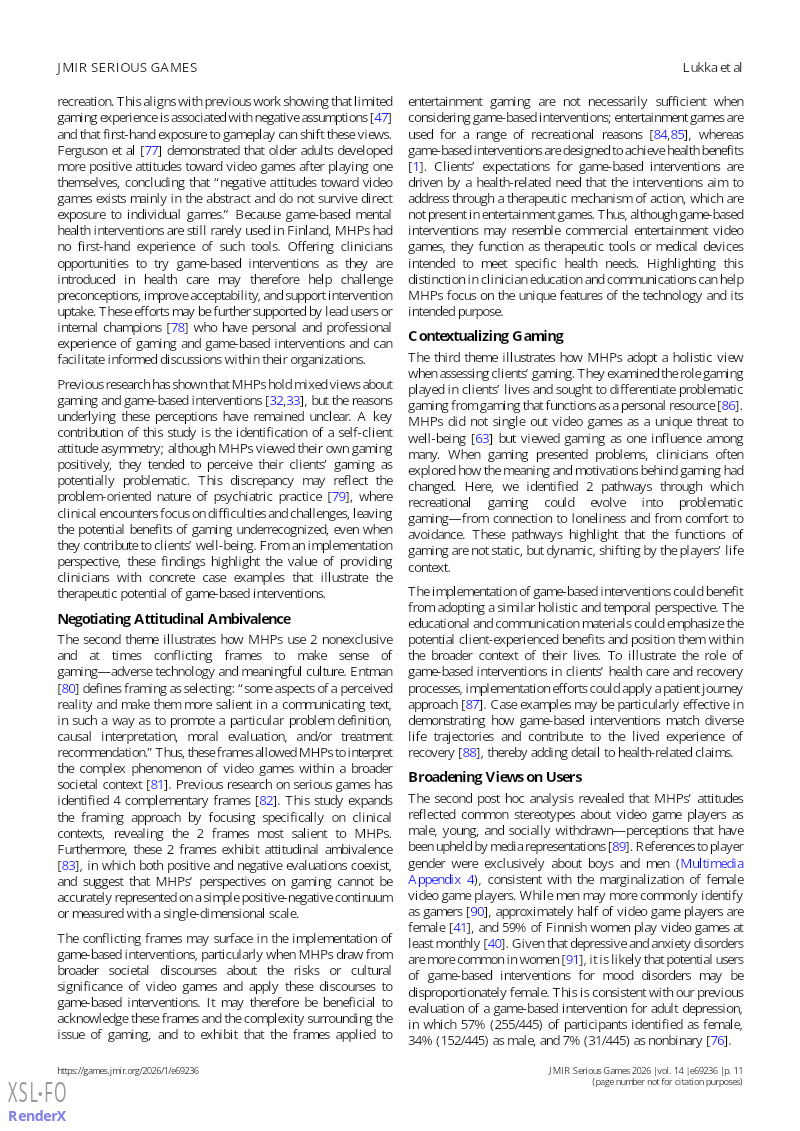
- 01Mental health professionals exhibit a 'self-client attitude asymmetry,' where they personally enjoy gaming but frequently associate client gaming with pathology, addiction, and avoidance.See it on page 11
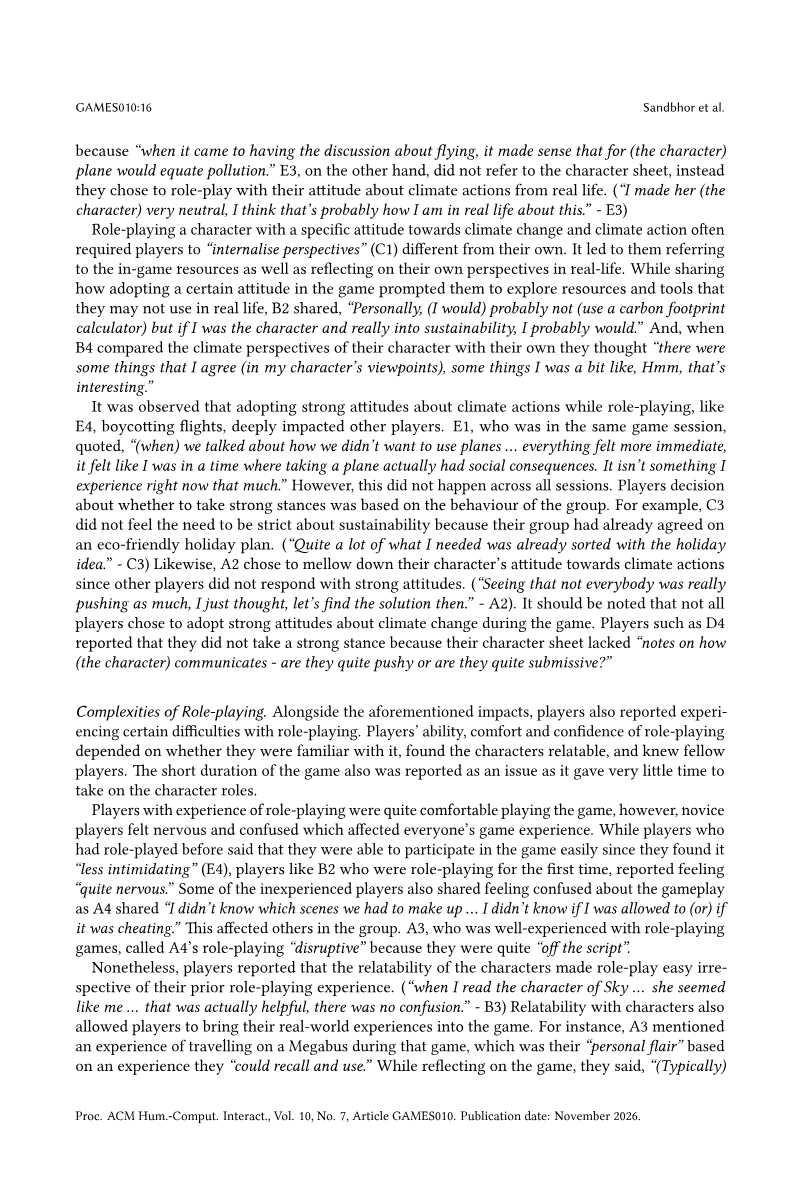
- 02Clinicians’ professional biases against gaming are often rooted in outdated stereotypes regarding gamer demographics and social status, which currently act as a barrier to adopting digital therapeutics.See it on page 12
- 03Despite personal biases, clinicians generally view gaming as a life behavior to be balanced within a patient's overall well-being rather than an inherently pathological activity.See it on page 11
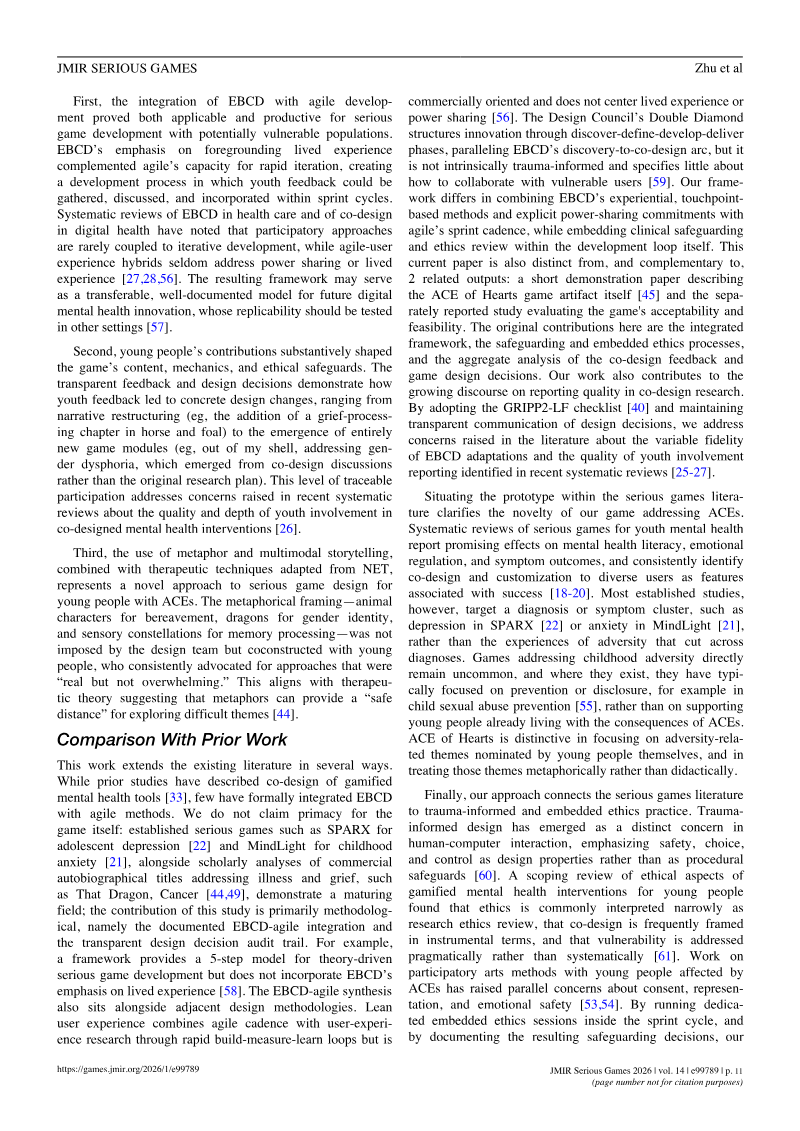
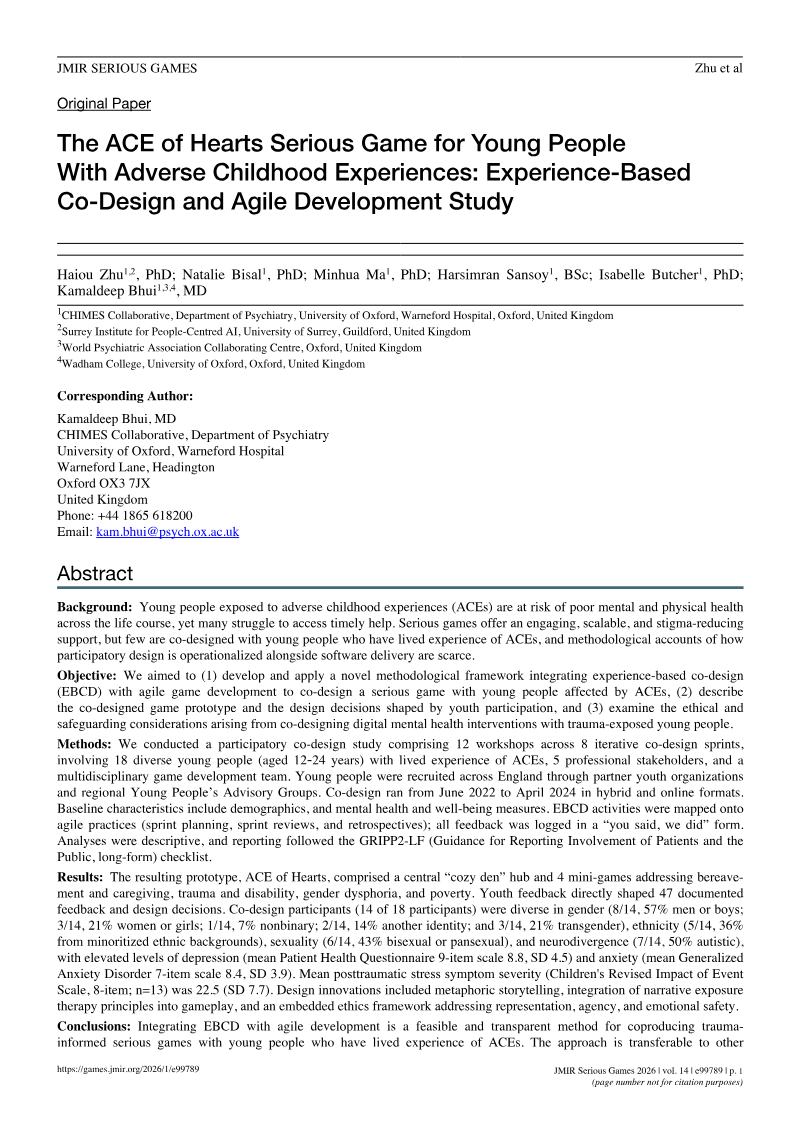
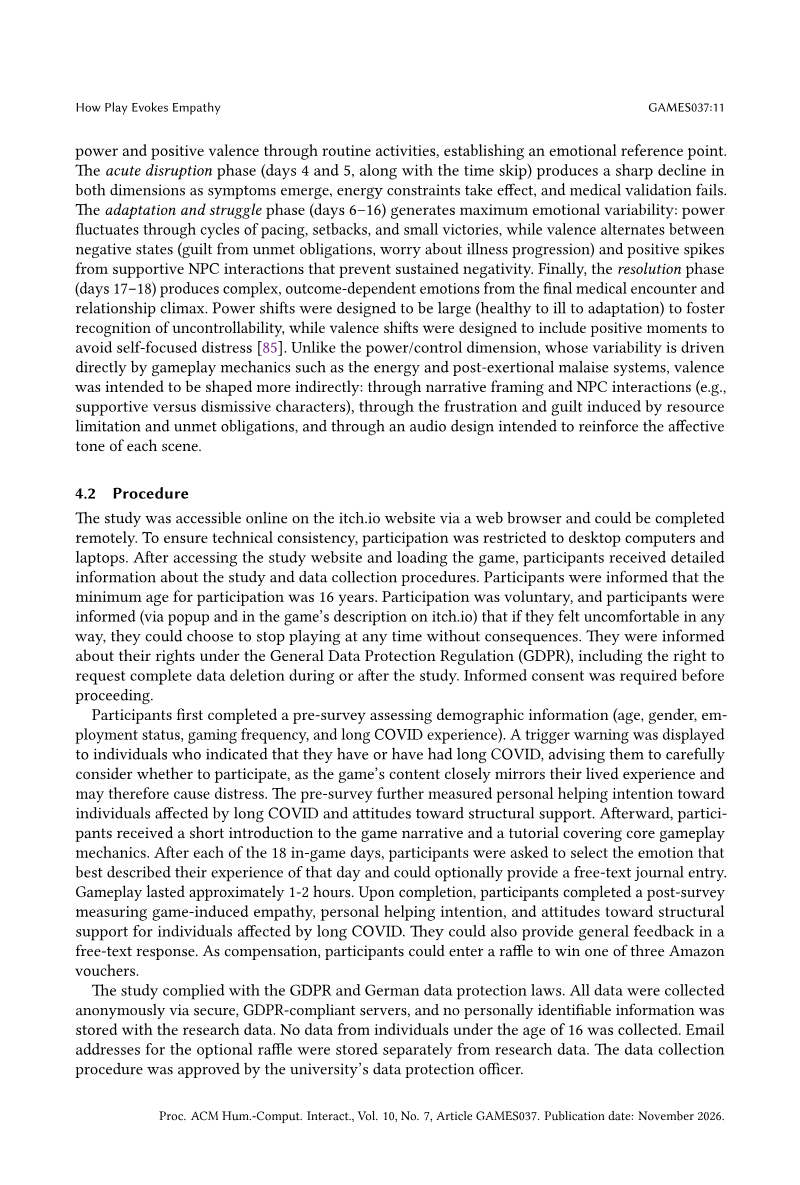
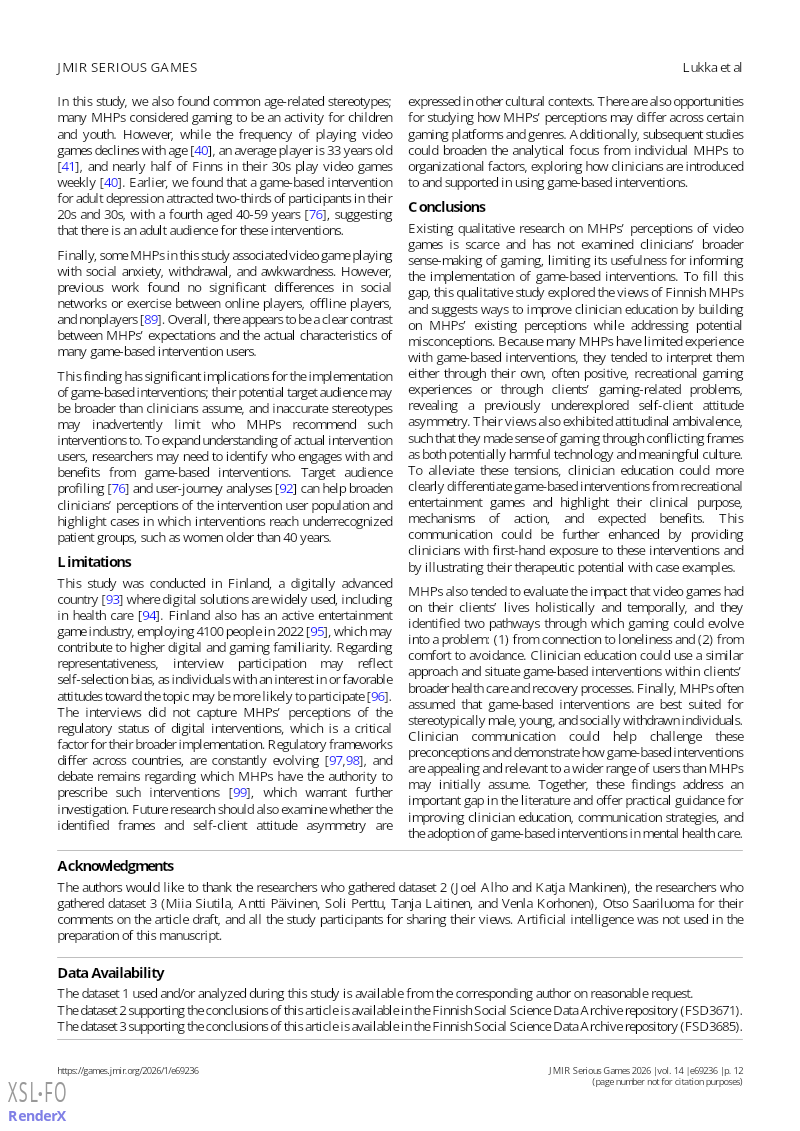
- 04Game-based interventions are recognized as highly effective, motivating tools for engaging youth and populations that are traditionally difficult to reach through conventional therapy.See it on page 2
- 05The successful integration of digital health tools requires clinician training that clearly differentiates between commercial entertainment gaming and purpose-built therapeutic interventions.See it on page 14
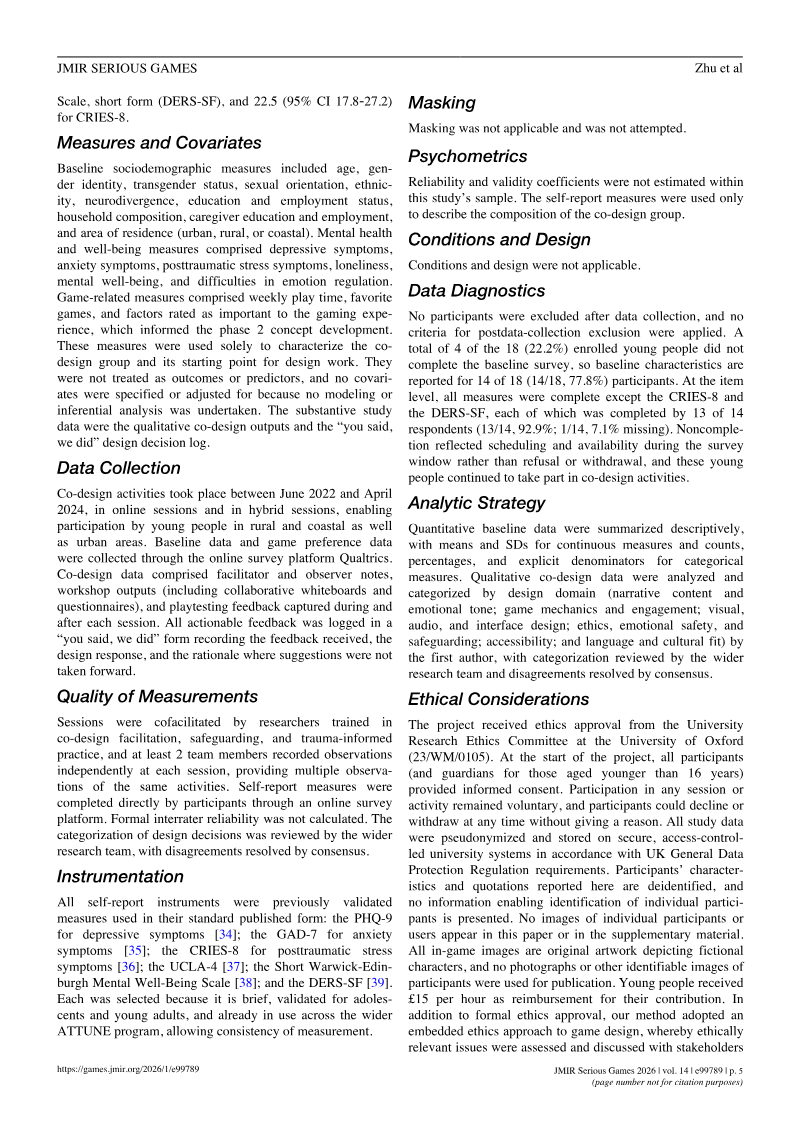
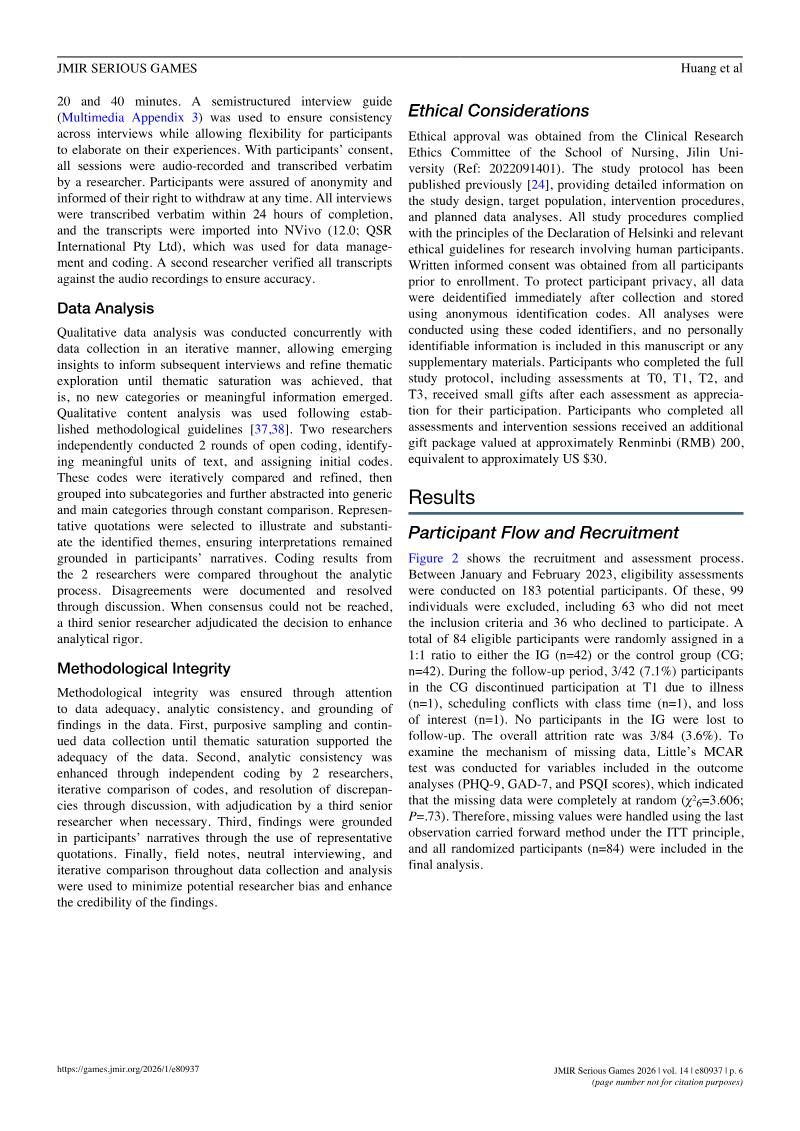
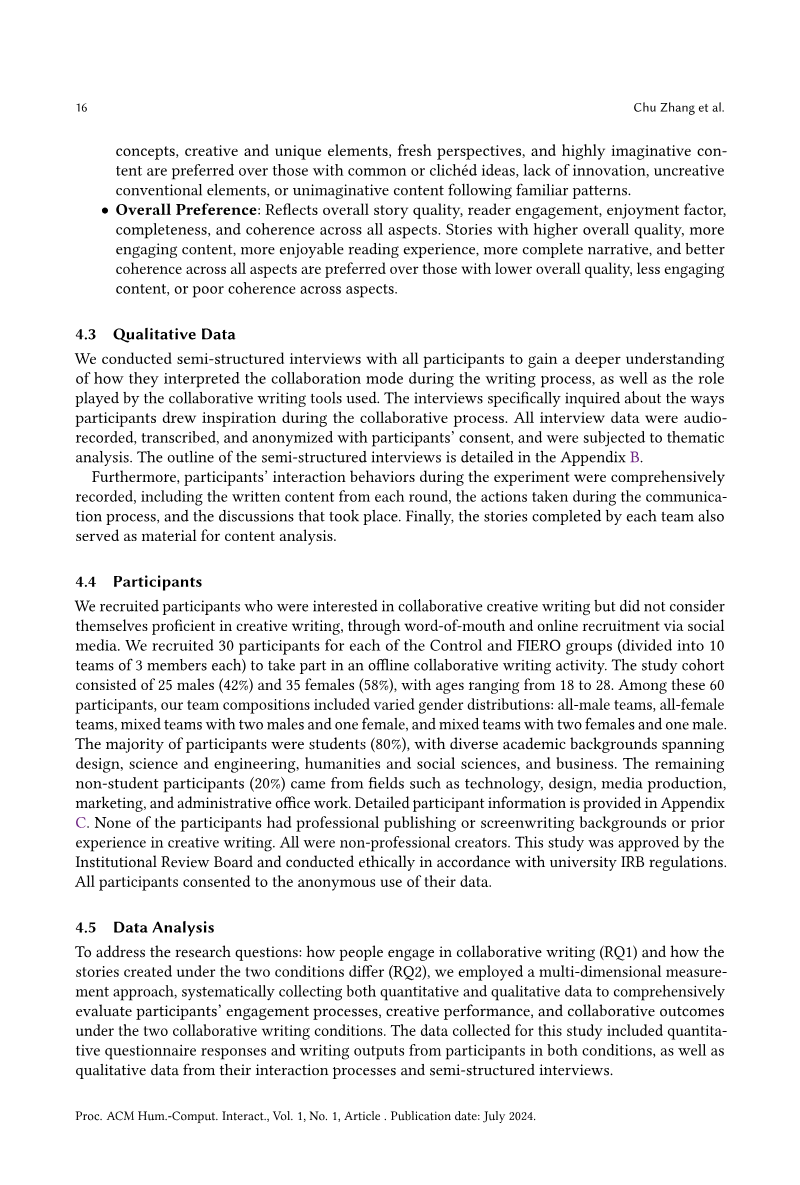
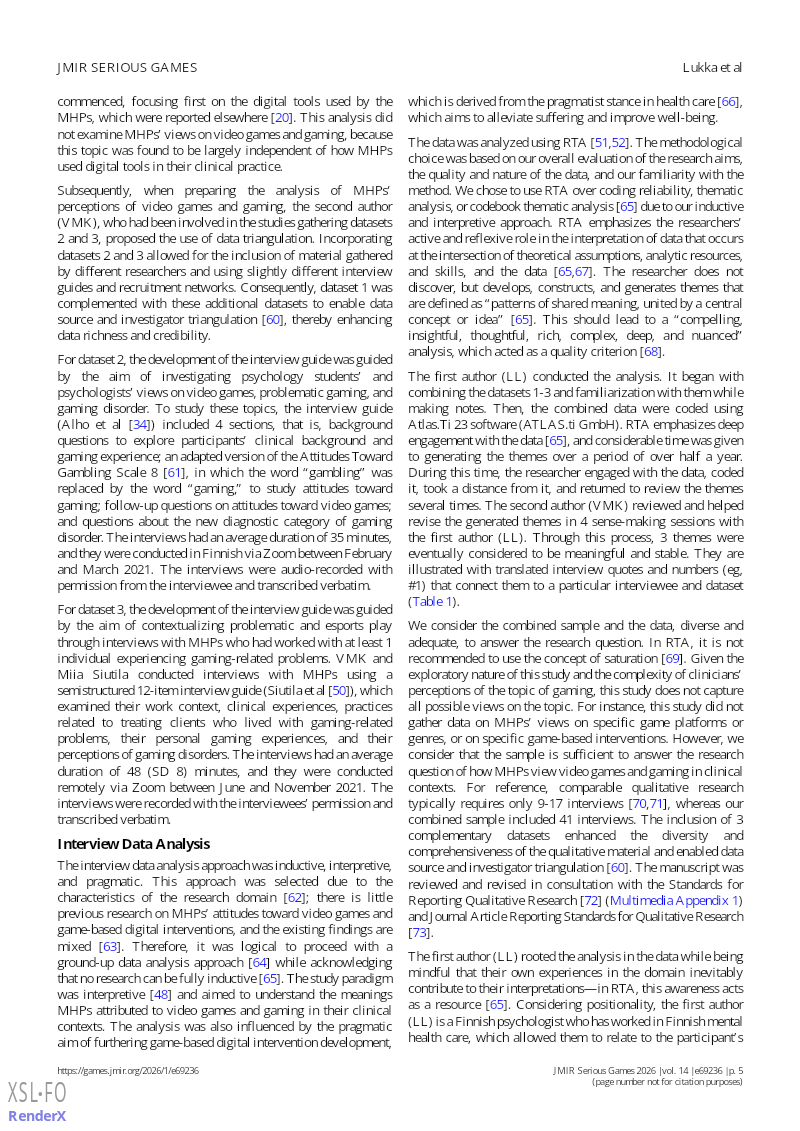
- 06Bridging the gap between personal gaming habits and clinical practice requires the use of evidence-based case studies to demonstrate the specific mechanisms of action in digital health solutions.See it on page 5
Ask AI about this report
Summary
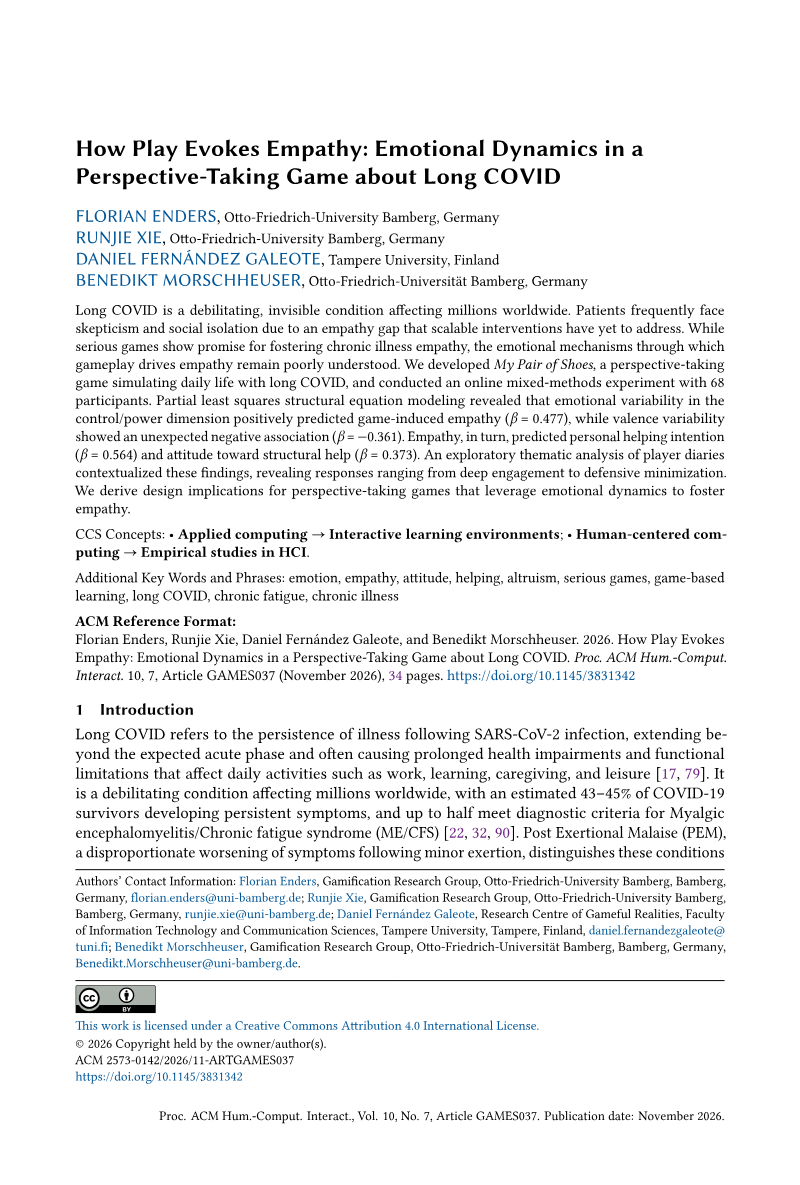
Mental health professionals in Finland maintain a complex, dualistic perspective on gaming, characterized by a distinct self-client attitude asymmetry. While clinicians frequently engage in gaming for personal recreation and view it as a meaningful cultural practice, they simultaneously associate client gaming with clinical harm, avoidance behaviors, and addiction. This disconnect suggests that professional perceptions are often influenced by outdated stereotypes regarding the demographics and social status of gamers, which may inadvertently hinder the adoption of digital therapeutics in clinical practice.
Despite these biases, clinicians generally adopt a holistic approach to patient care, evaluating gaming not as an inherently pathological activity, but as one of many life behaviors that must be balanced against a client’s overall well-being. There is a recognized potential for game-based interventions to serve as highly effective, motivating tools, particularly when engaging youth or populations that are traditionally difficult to reach through conventional therapy. The successful integration of these technologies depends on moving beyond broad generalizations to understand the specific clinical mechanisms at play.
To bridge the gap between personal gaming habits and clinical application, the field requires more robust clinician education. Training initiatives must clearly differentiate between entertainment-based gaming and purpose-built therapeutic interventions. By utilizing evidence-based case studies and clarifying the diverse populations that stand to benefit from digital health tools, the mental health sector can better leverage gaming as a constructive, approachable medium for treatment. This shift in perspective is essential for evolving clinical practice to keep pace with the increasing prevalence of digital health solutions in the modern therapeutic landscape.