Loading the document
Key insights
4 slides
The rising bill
Visual limitations are a more significant barrier to surgical task performance than other common challenges.
Restricted fields of view in keyhole surgery pose a substantial challenge.
1 / 4
- 01Restricted fields of view in laparoscopic simulations cause task completion times to increase by 60% to 100%.See it on page 7
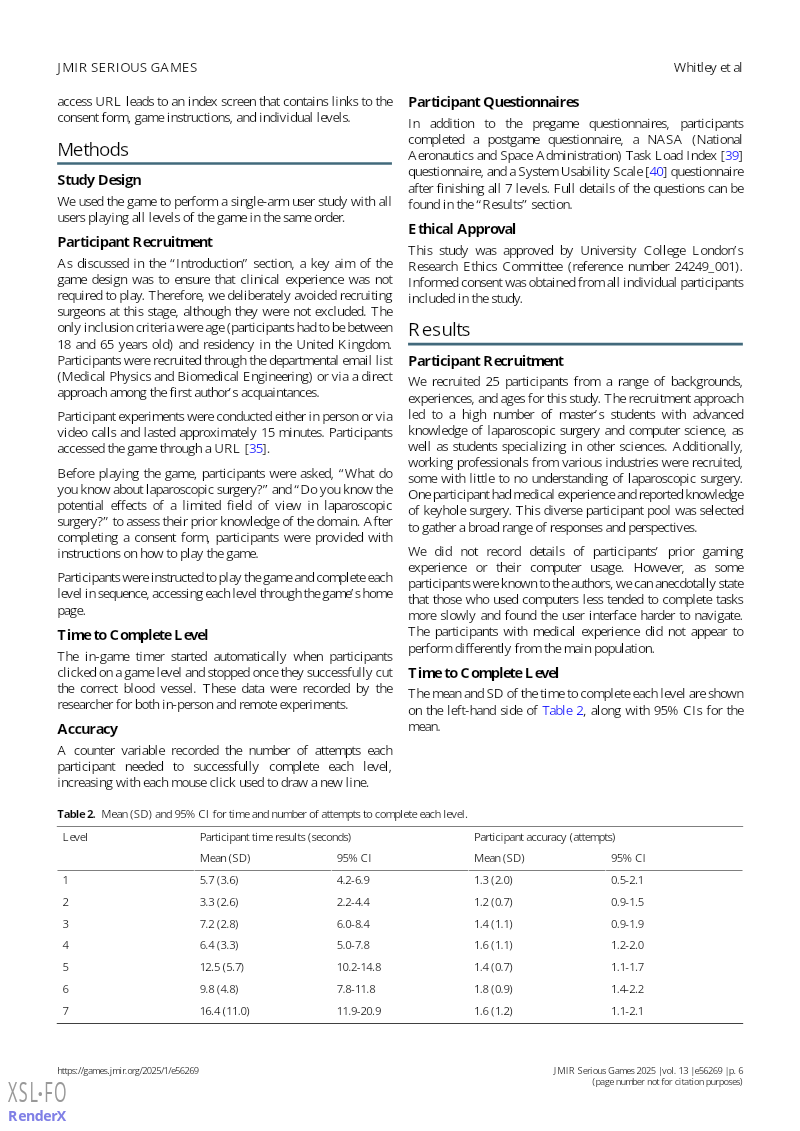
- 02Controlled tests showed average task completion times rising from 9.8 seconds to 16.4 seconds when visual constraints were applied.See it on page 6
- 03Visual limitations represent a more significant barrier to surgical task performance than other common challenges, such as vessel intertwining.See it on page 1
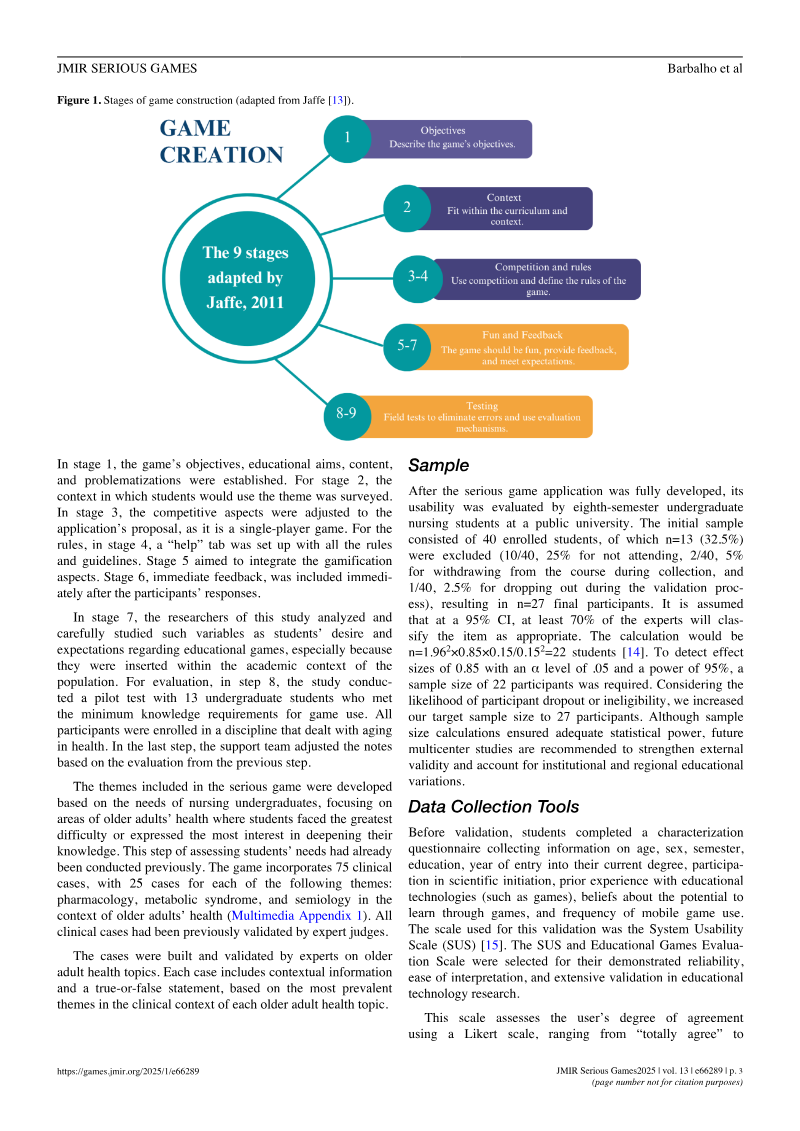
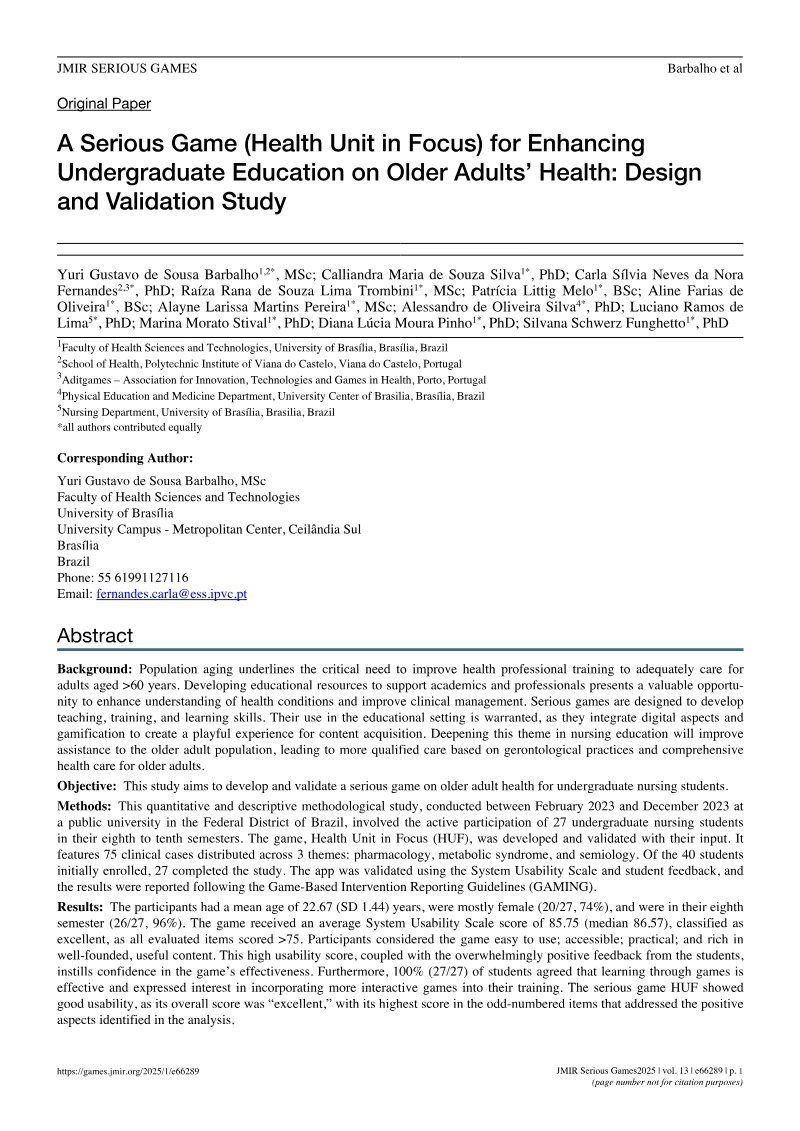
- 04Serious games serve as effective, scalable, and cost-effective proxies for clinical environments to gather quantitative data on surgical ergonomics.See it on page 3
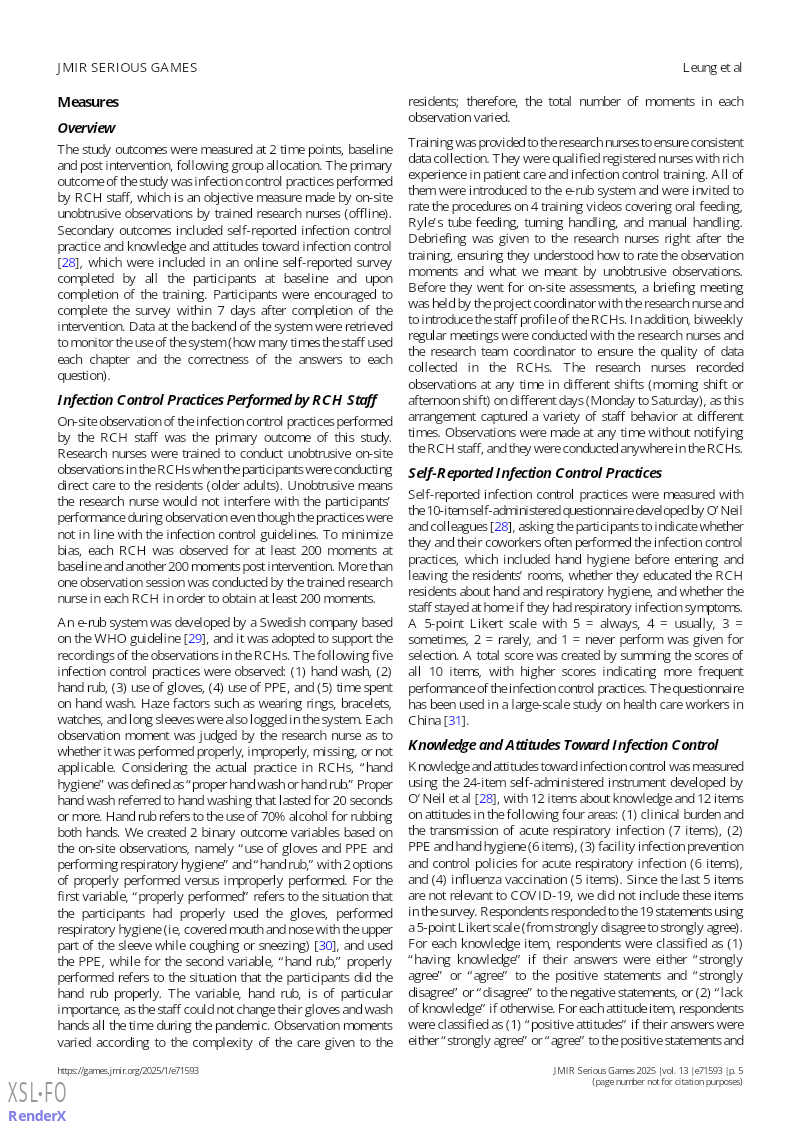
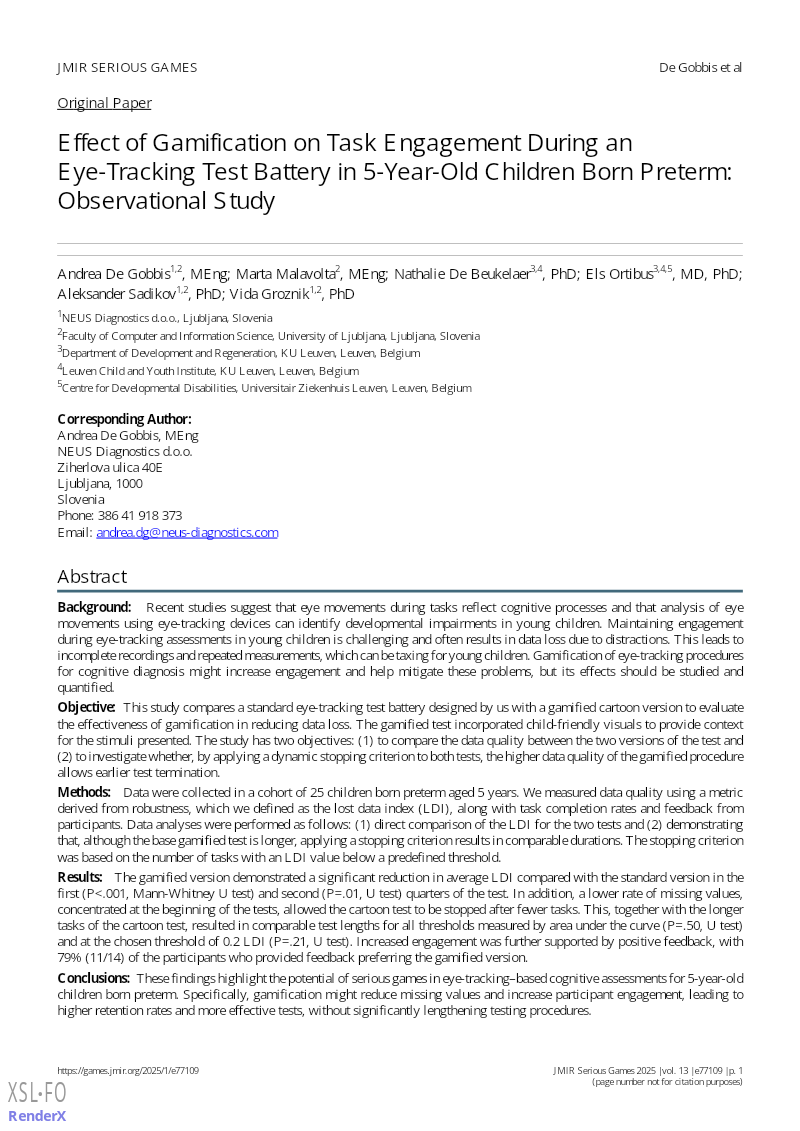
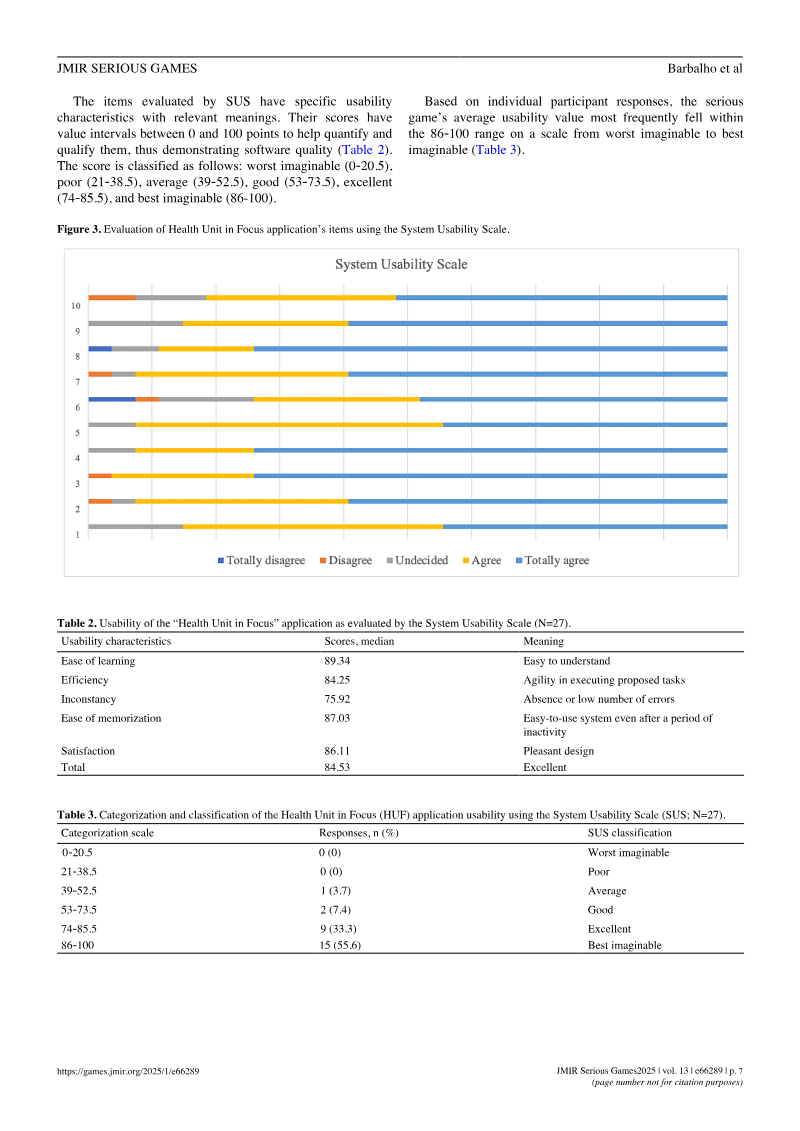
- 05Standardized metrics including the NASA-TLX and System Usability Scale were used to validate the cognitive load and platform usability for 25 study participants.See it on page 8
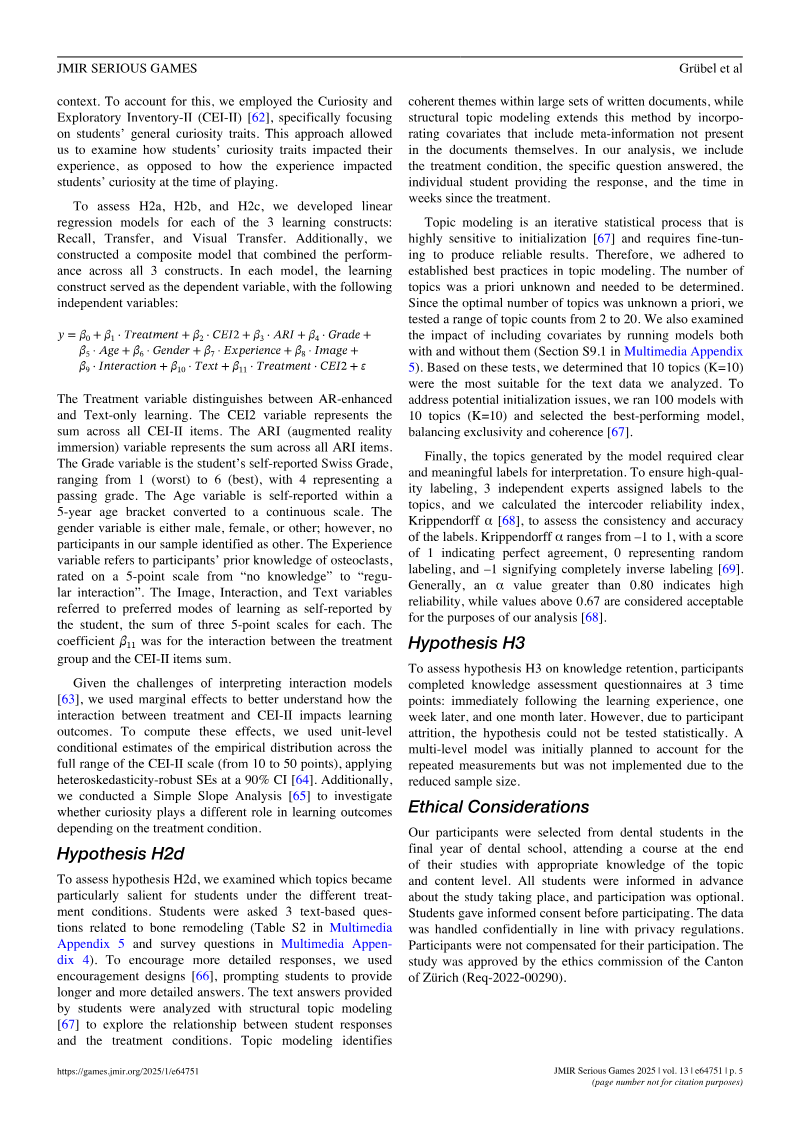
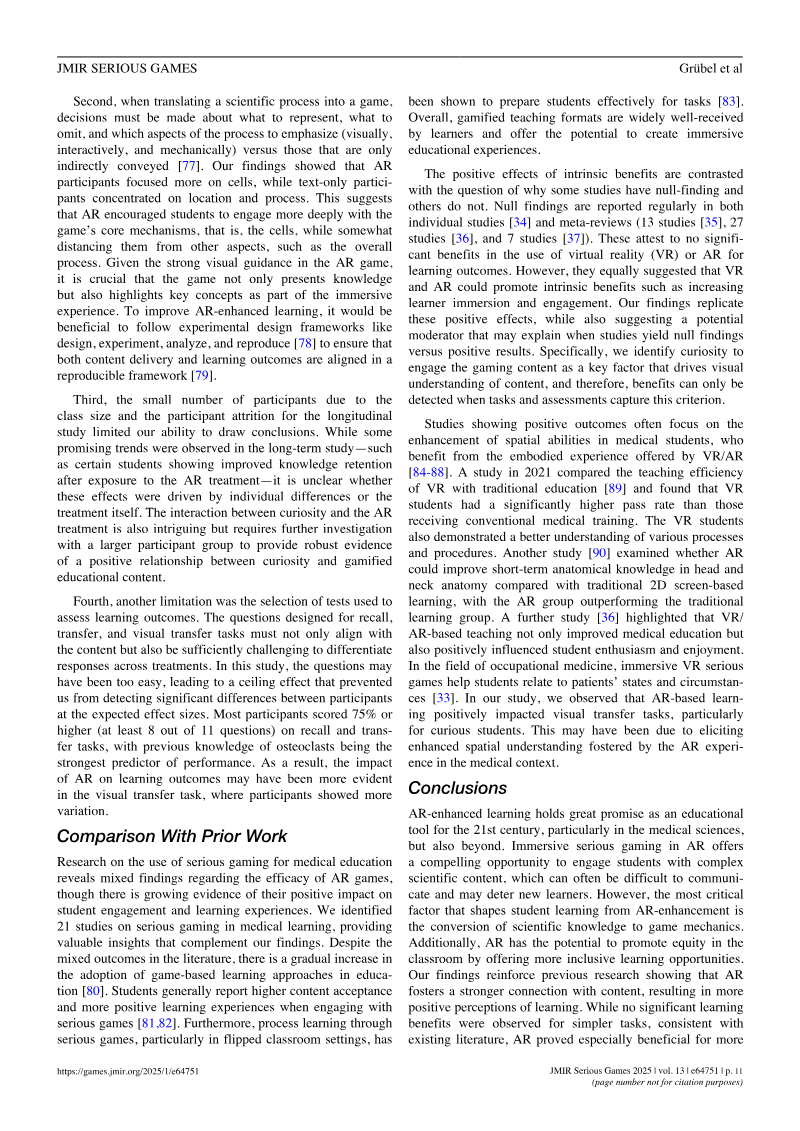
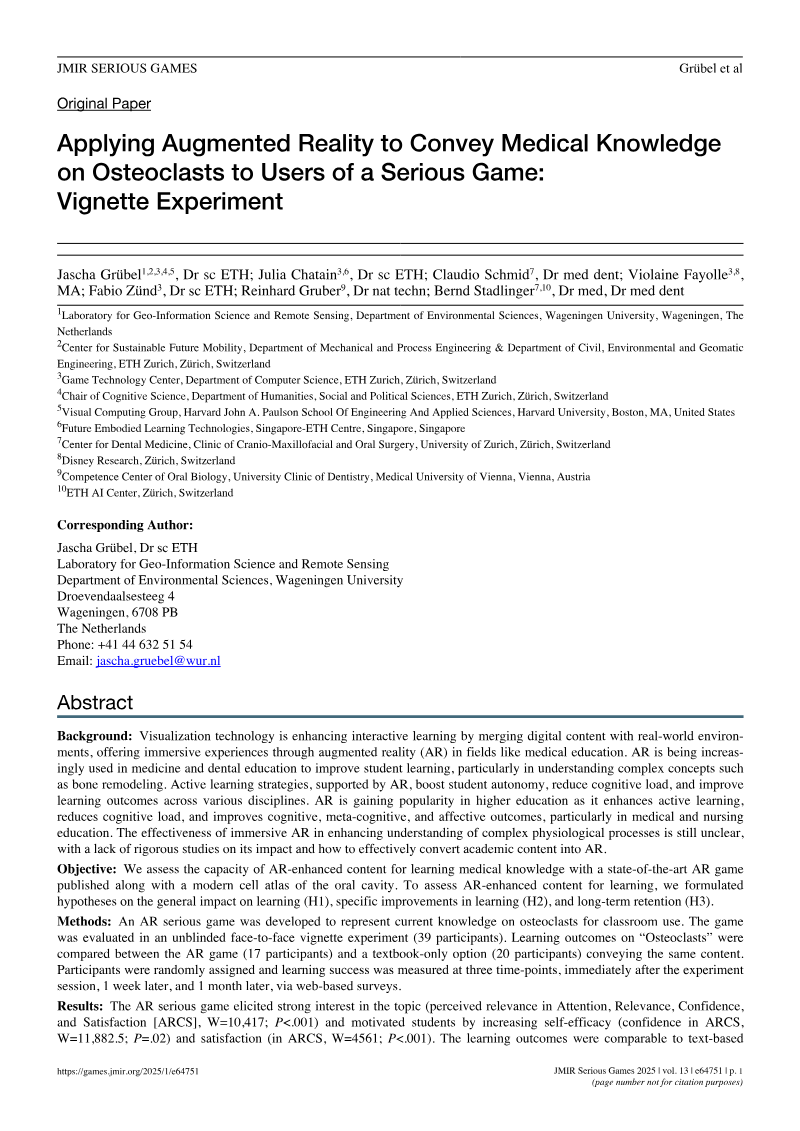
- 06The research, published in February 2025, provides a foundational data set to inform the development of computational image mosaicking and surgical support technologies.See it on page 11
Ask AI about this report
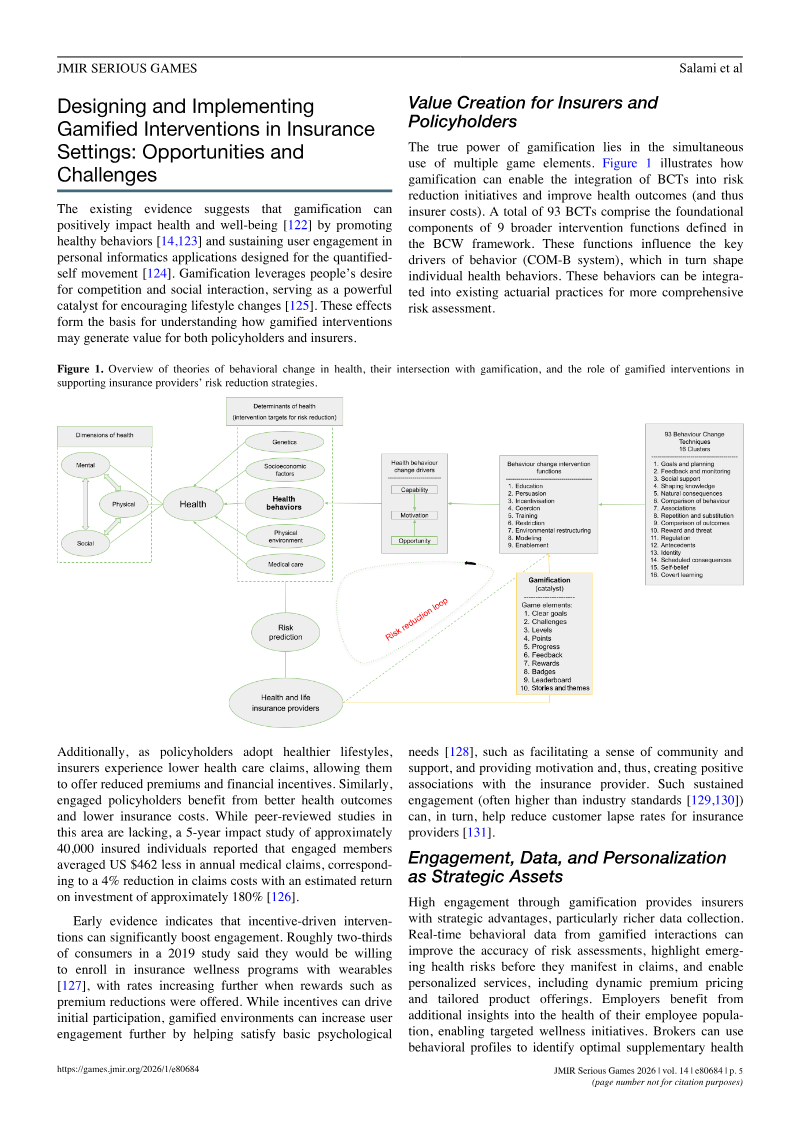
Summary
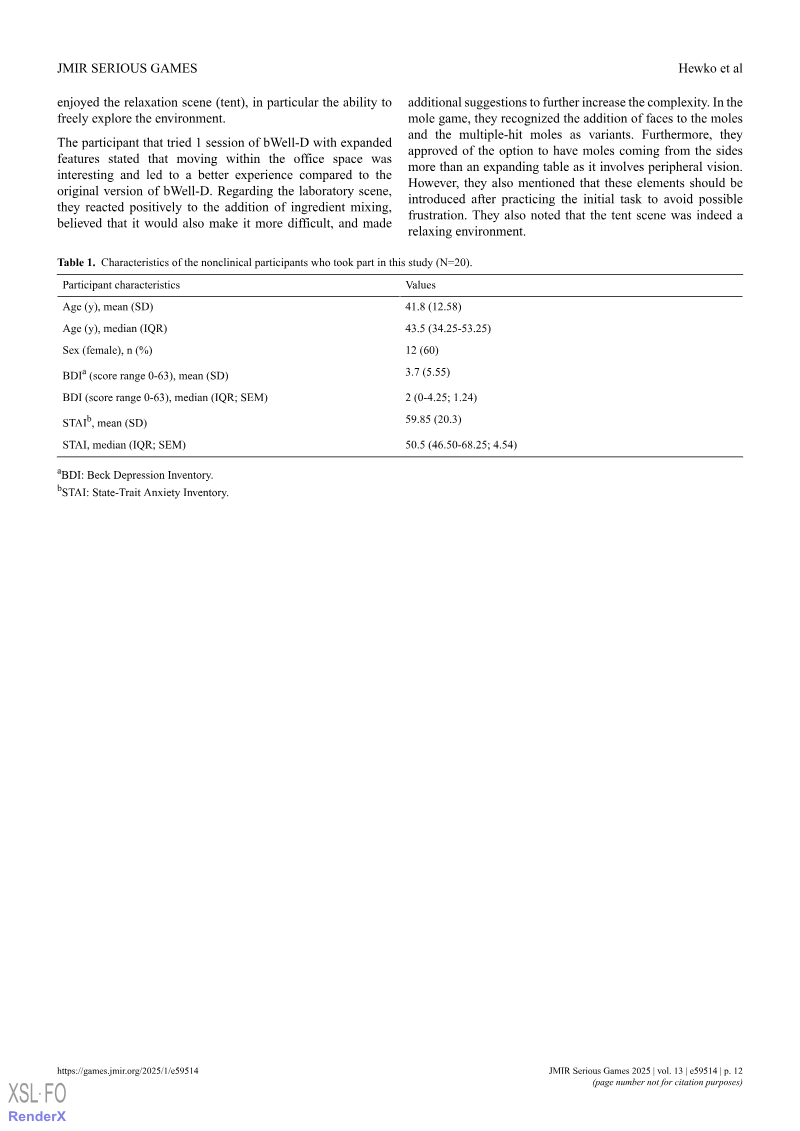
The development of an open-source serious game provides a novel, accessible methodology for quantifying the cognitive and performance-based challenges inherent in keyhole surgery. By simulating the restricted field of view typical of laparoscopic procedures, this research establishes a clear correlation between visual limitations and decreased operational efficiency. The primary thesis posits that serious games serve as effective, engaging proxies for clinical environments, allowing researchers to gather robust quantitative data that can inform the development of computational image mosaicking and other surgical support technologies.
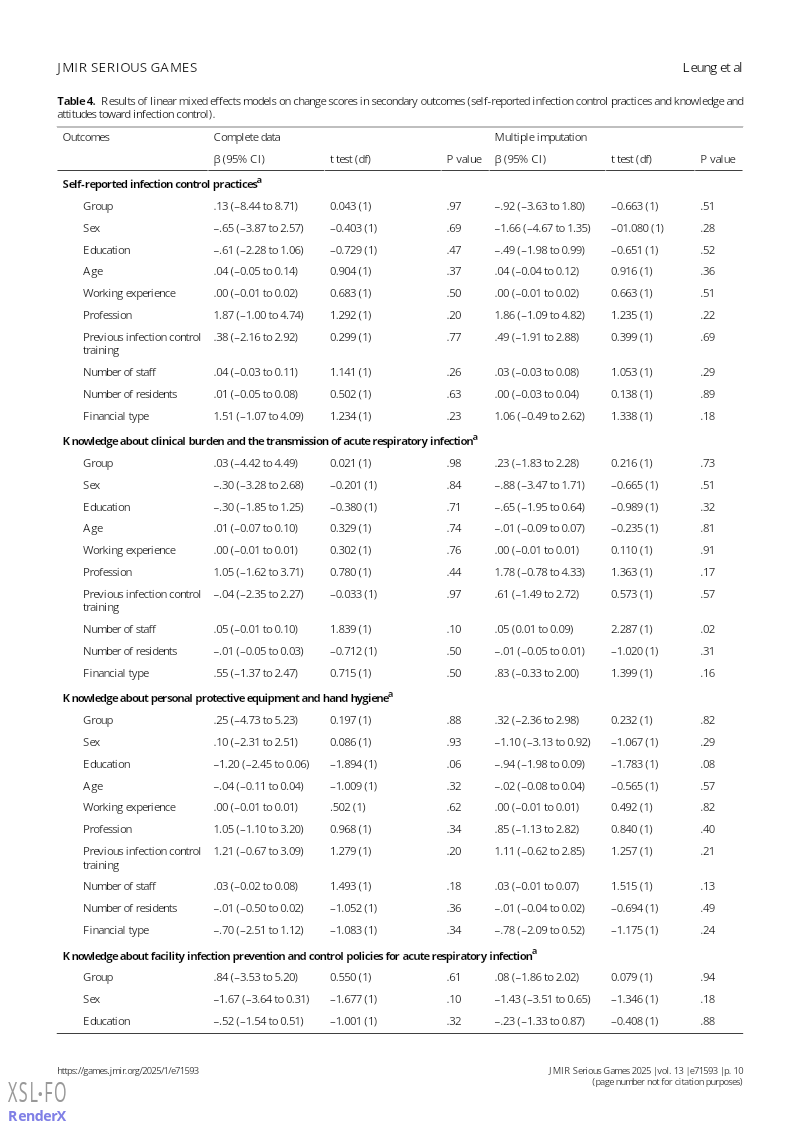
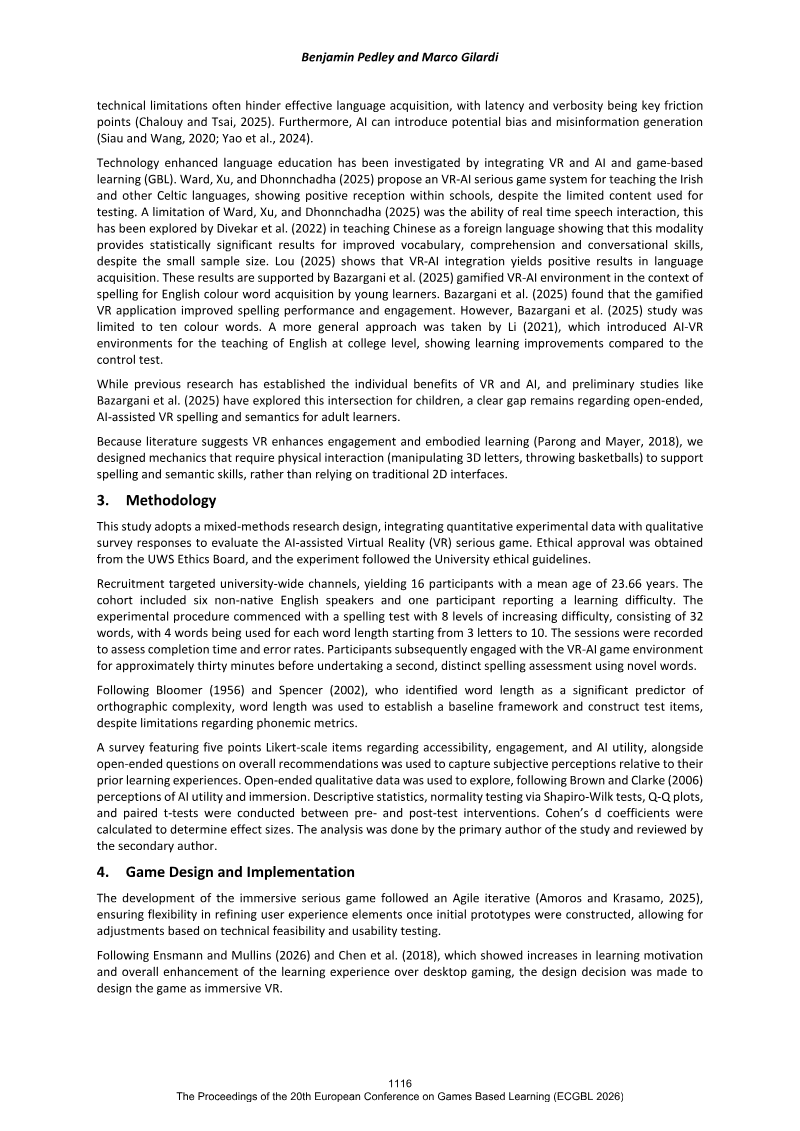
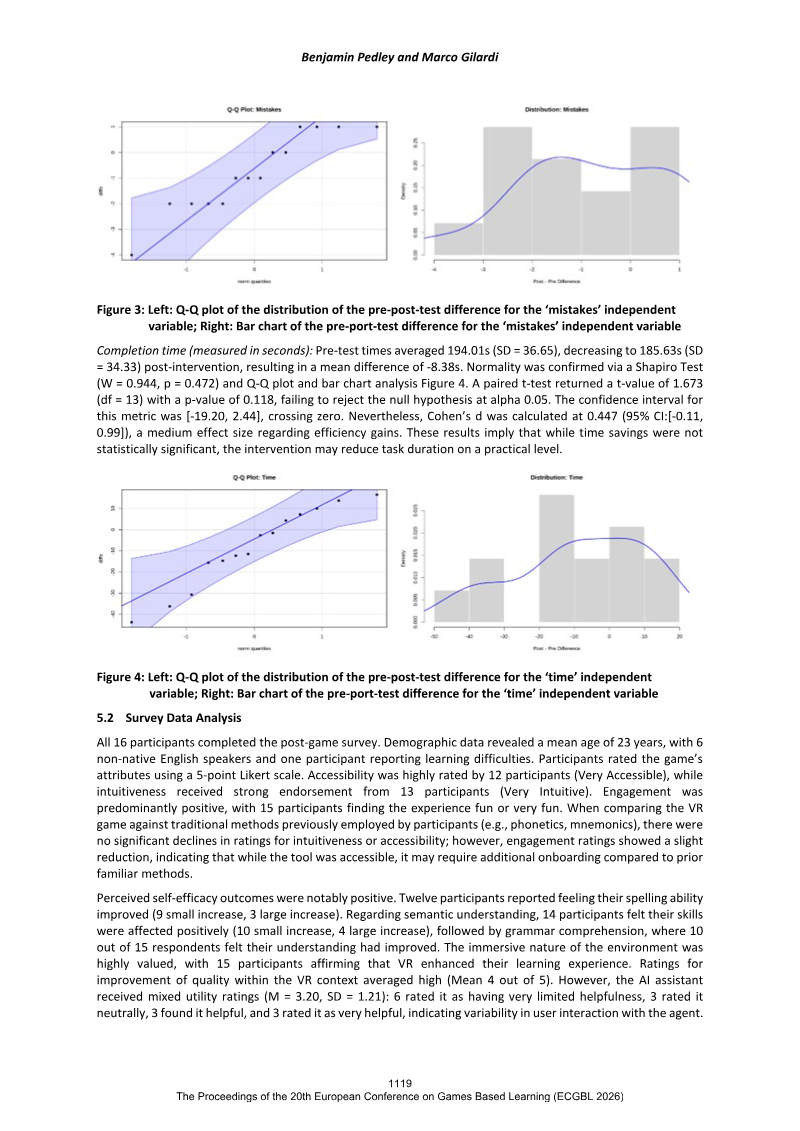
Experimental data derived from 25 participants confirms that a reduced field of view exerts a profound impact on task performance, with completion times increasing by 60% to 100% under restricted conditions. Statistical analysis reveals significant performance degradation, with completion times rising from 9.8 seconds to 16.4 seconds in controlled tests. These findings indicate that visual constraints represent a more substantial barrier to task completion than other common surgical difficulties, such as vessel intertwining. The study utilizes standardized metrics, including the NASA-TLX and System Usability Scale, to validate both the cognitive load experienced by users and the overall usability of the simulation platform.
Published in February 2025, this research highlights the utility of gamified simulations in bridging the gap between nontechnical engagement and clinical training. While the current findings demonstrate the efficacy of the game as a data-gathering tool, future iterations are expected to incorporate more clinically realistic environments and broader user demographics to further validate these results. Ultimately, the study confirms that serious games offer a scalable, cost-effective approach to analyzing the ergonomic and visual demands of minimally invasive surgery, providing a foundation for future advancements in surgical visualization technology.