1 free read left. Create a free account for unlimited reading + AI research.
Create free accountWhitepaper National Research Council Canada
1 free read left. Create a free account for unlimited reading + AI research.
Create free accountWhitepaperNational Research Council Canada
Distilling the key insights…
The bWell-D project establishes a framework for developing immersive virtual reality interventions for major depressive disorder by prioritizing theory-based gamification over conventional extrinsic reward systems. By grounding the design process in the COM-B model and self-determination theory, the intervention focuses on fostering intrinsic motivation, autonomy, and competence. This approach shifts the focus of cognitive remediation from simple task completion to a more sustainable, user-centered experience that addresses the specific psychological needs of patients undergoing treatment.
The development process utilized an iterative co-design methodology, incorporating continuous feedback from both patients and clinicians to refine the platform. Key technical enhancements included the implementation of adaptive difficulty progression, multisensory elements, and customizable artificial challenges. These modifications successfully improved usability, aesthetics, and overall user satisfaction without increasing the incidence of simulator sickness. Quantitative evaluations confirmed that these design choices resulted in high engagement levels throughout a four-week training program, validating the feasibility of the platform for clinical application.
Published in March 2025, this research highlights the efficacy of integrating behavioral science into digital health tools to improve patient adherence. The findings suggest that when gamification is strategically aligned with psychological theories, it significantly enhances the user experience in therapeutic VR environments. Future development will expand upon these results by incorporating social connection features and transitioning toward formal clinical trials to measure the long-term therapeutic impact of the intervention on cognitive health.
JMIR Serious Games · 2026
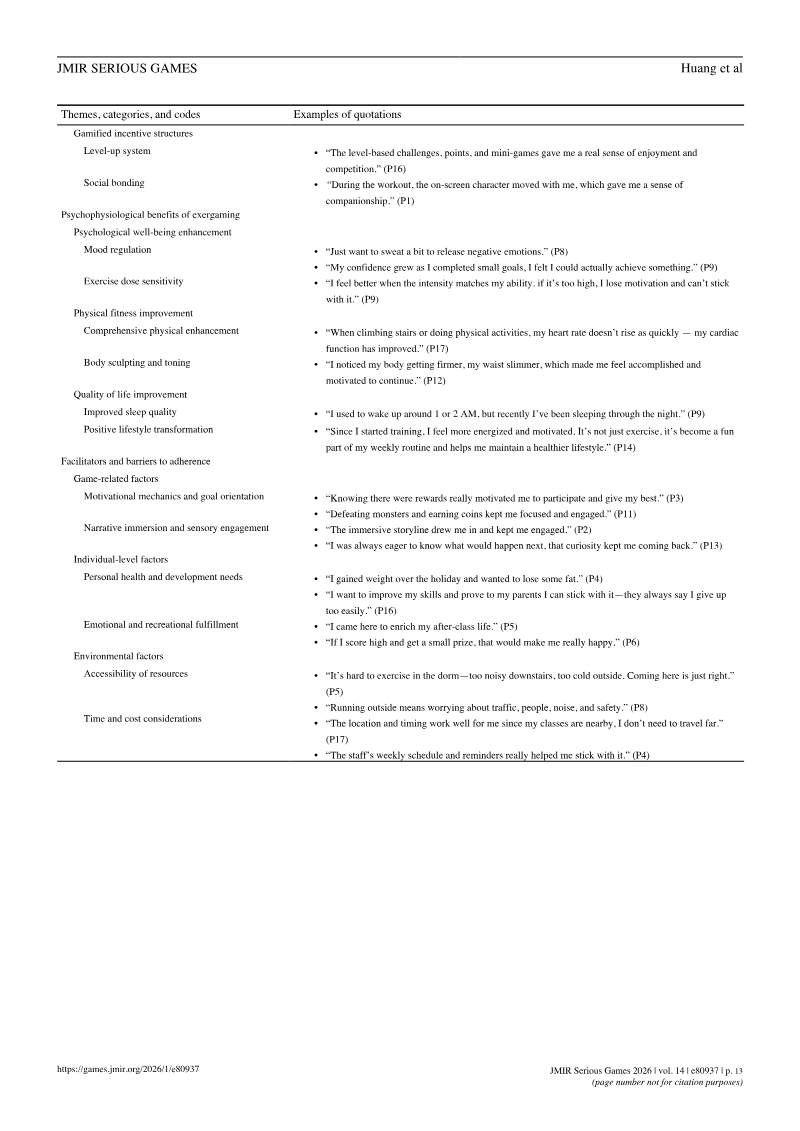
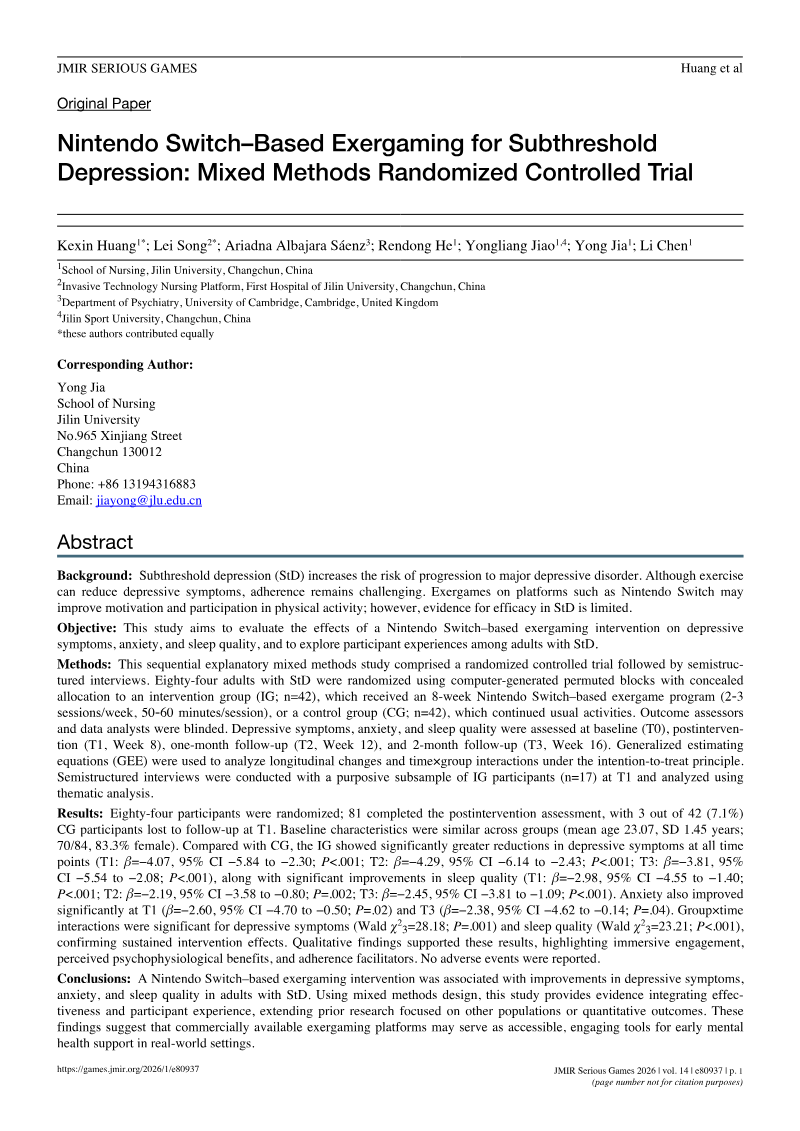
JMIR Serious Games · 2026
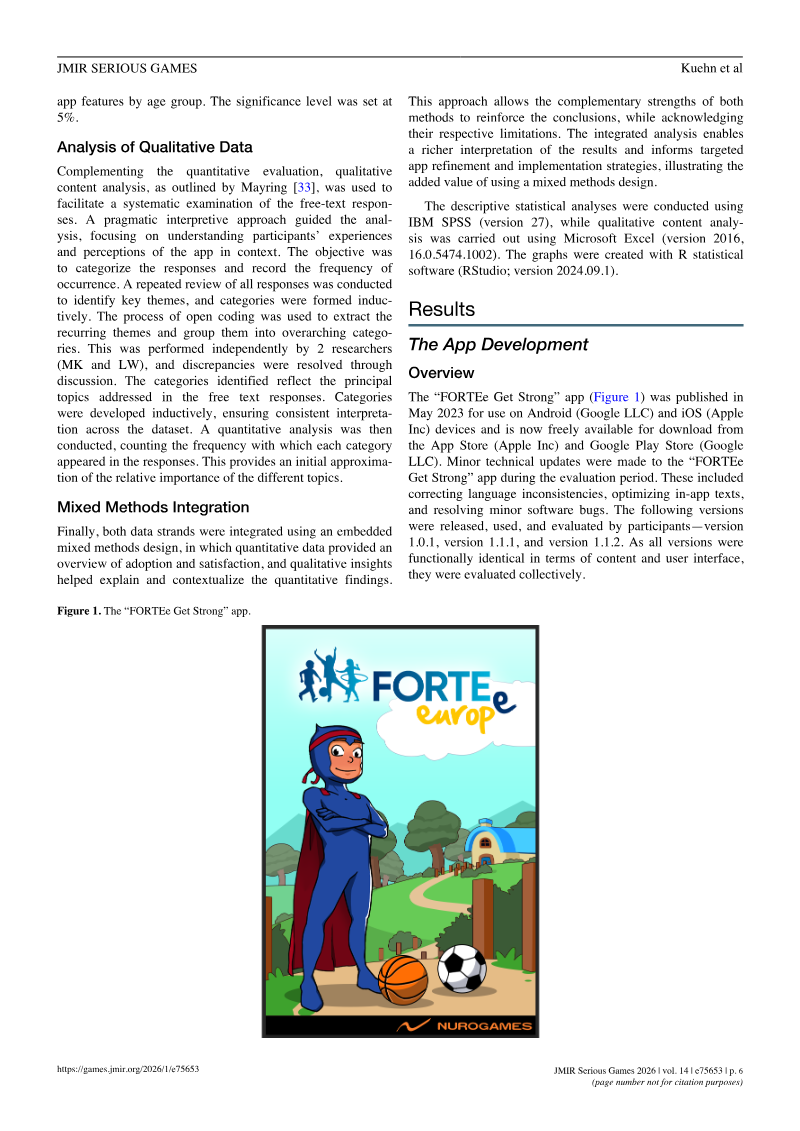
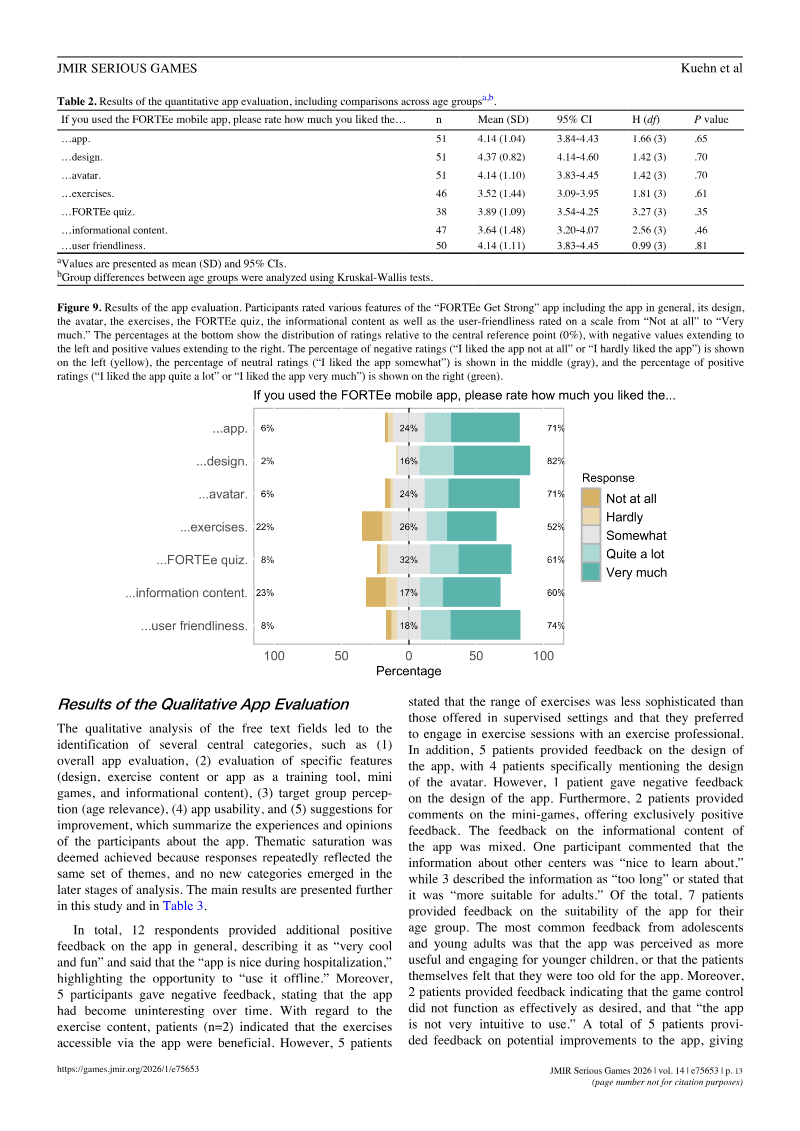
JMIR Serious Games · 2026
JMIR Serious Games · 2026
JMIR Serious Games · 2026
JMIR Serious Games · 2025
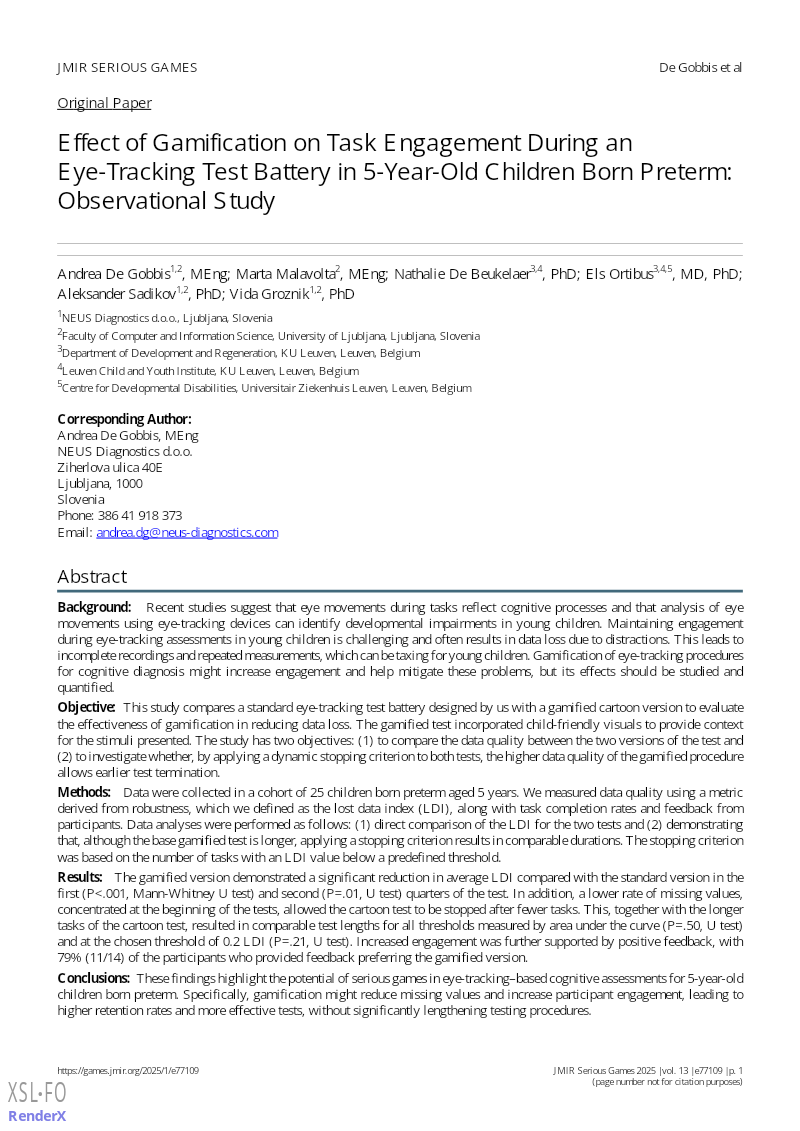
JMIR Serious Games · 2025
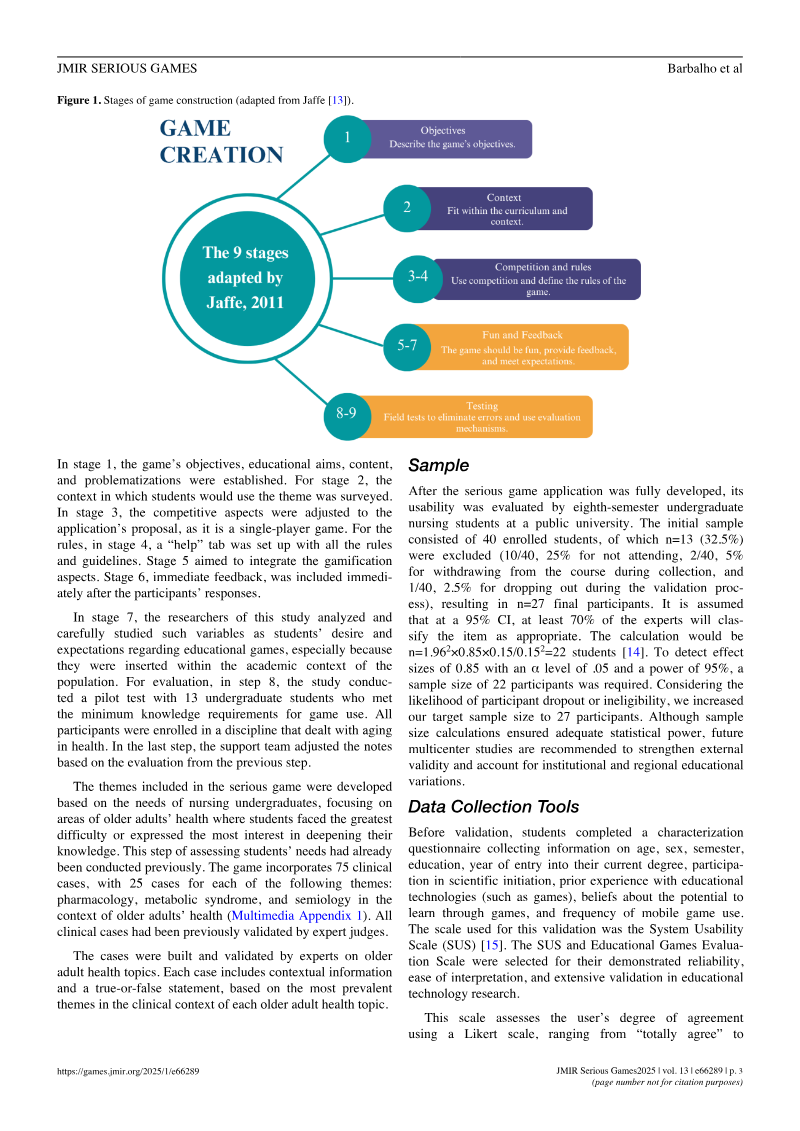
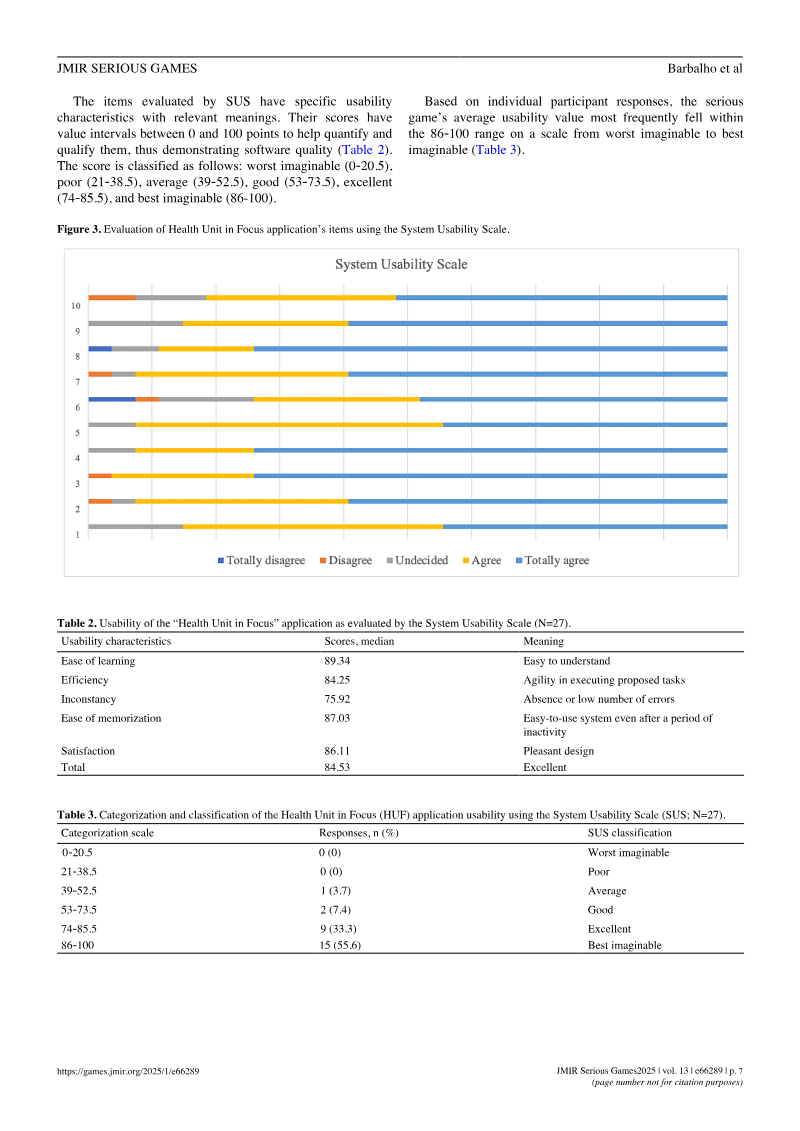
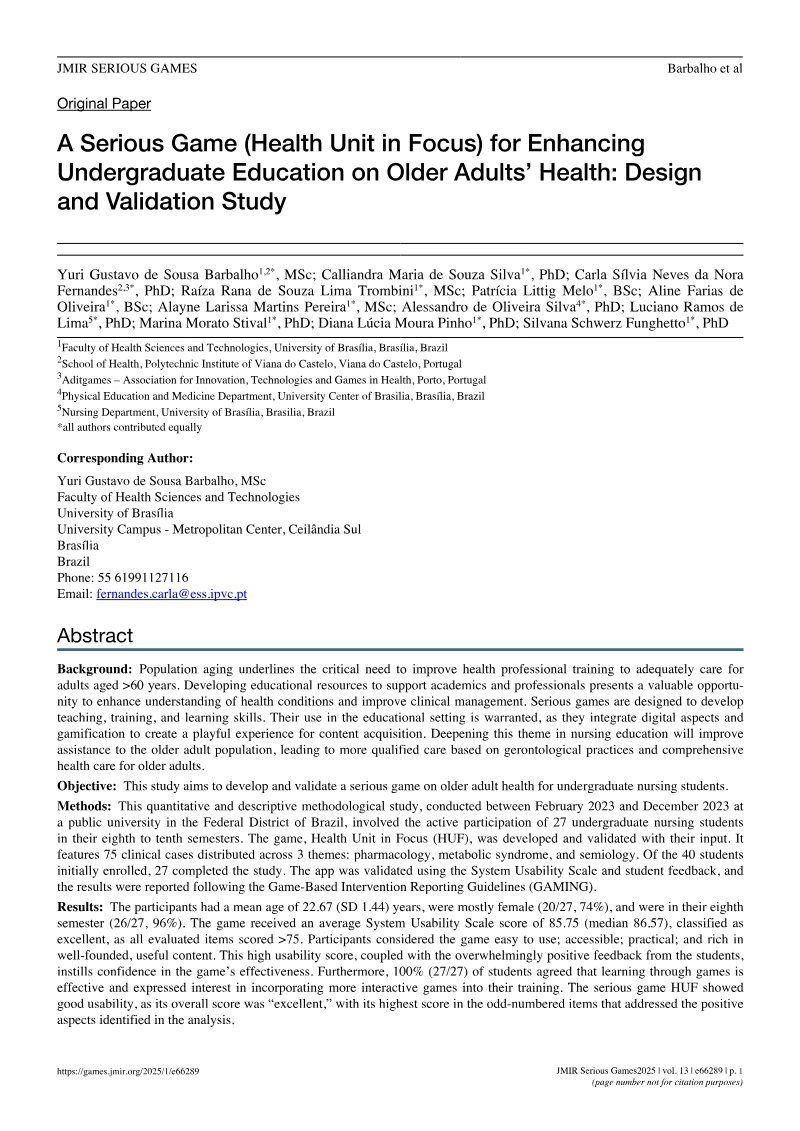
JMIR Serious Games · 2025
JMIR Serious Games · 2025
JMIR Serious Games · 2025
JMIR Serious Games · 2024
JMIR Serious Games · 2024

Game Dev Unchained · 2025