1 free read left. Create a free account for unlimited reading + AI research.
Create free accountWhitepaperJMIR Serious Games
Distilling the key insights…
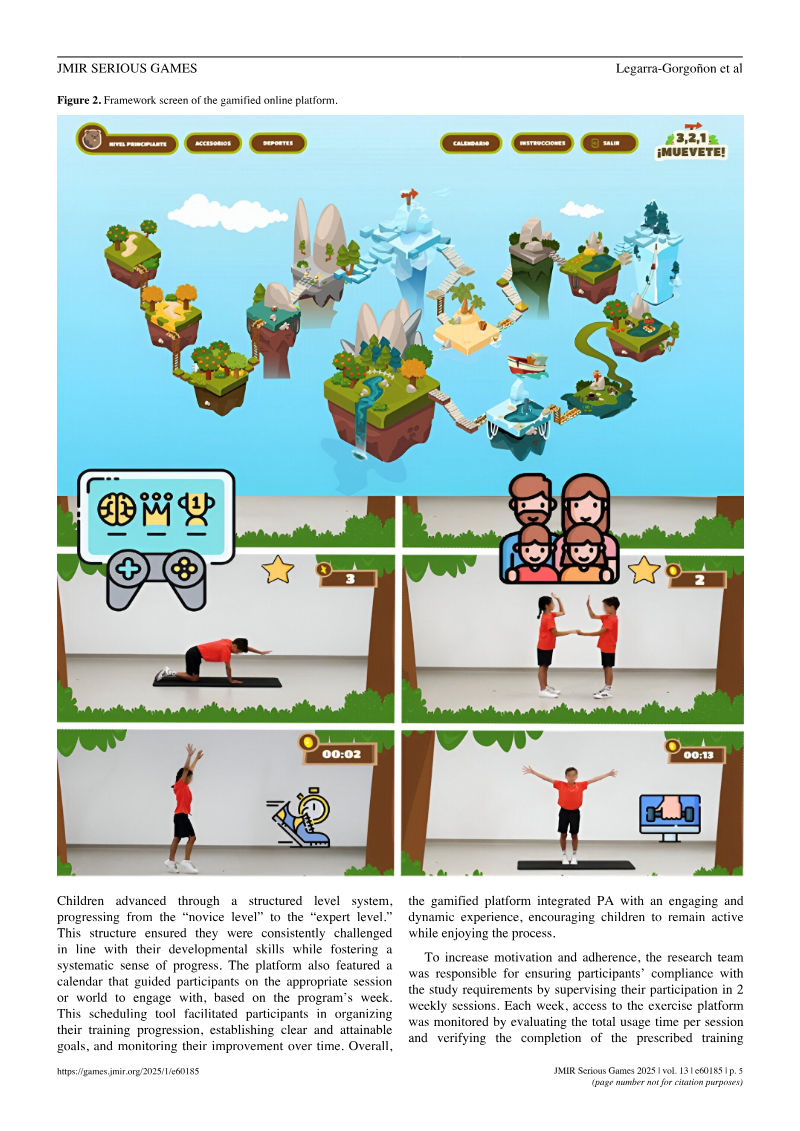
The 3, 2, 1 Move on Study investigates the efficacy of a 12-week gamified, family-based exercise intervention designed to improve adherence to 24-hour movement behavior recommendations among 80 preschool-aged children. By integrating game-like elements such as progress tracking and reward systems into family routines, the intervention seeks to establish sustainable, healthy movement habits during early childhood. The research focuses on evaluating physical activity levels, fitness metrics, and broader developmental outcomes compared to standard routine care.
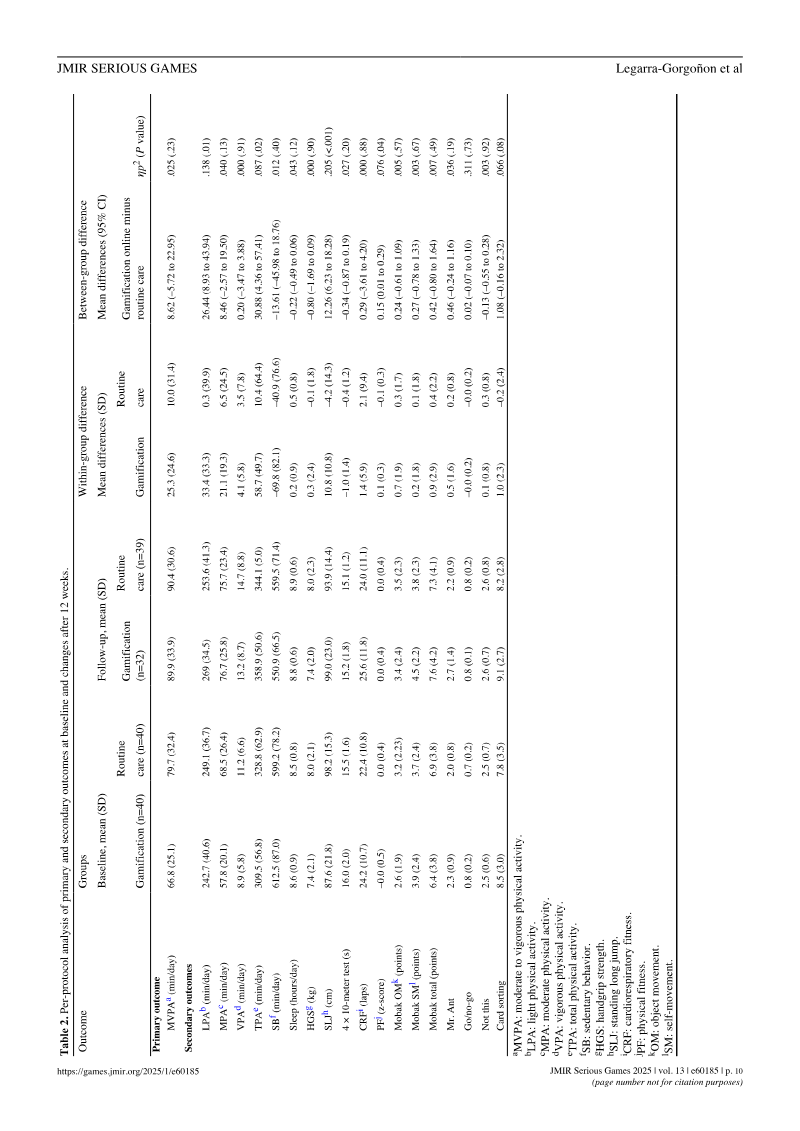
Findings indicate that while the intervention did not produce statistically significant changes in moderate-to-vigorous physical activity or sedentary behavior, it yielded measurable improvements in other key areas. Participants in the gamified group demonstrated significant increases in light physical activity and total physical activity, alongside enhanced performance in physical fitness assessments, specifically the standing long jump. Despite an observed 8.62-minute increase in daily moderate-to-vigorous physical activity, the study found no significant impact on sleep patterns, motor competence, or executive function.
Published in March 2025, this research confirms that gamification serves as a viable strategy for boosting overall physical engagement in pediatric populations. Although long-term adherence remains a complex challenge, the combination of family support and structured gamified activity provides a promising framework for promoting physical health in young children. These results suggest that while gamification may not be a panacea for all movement behaviors, it effectively encourages higher volumes of total daily activity and contributes to measurable gains in physical fitness.
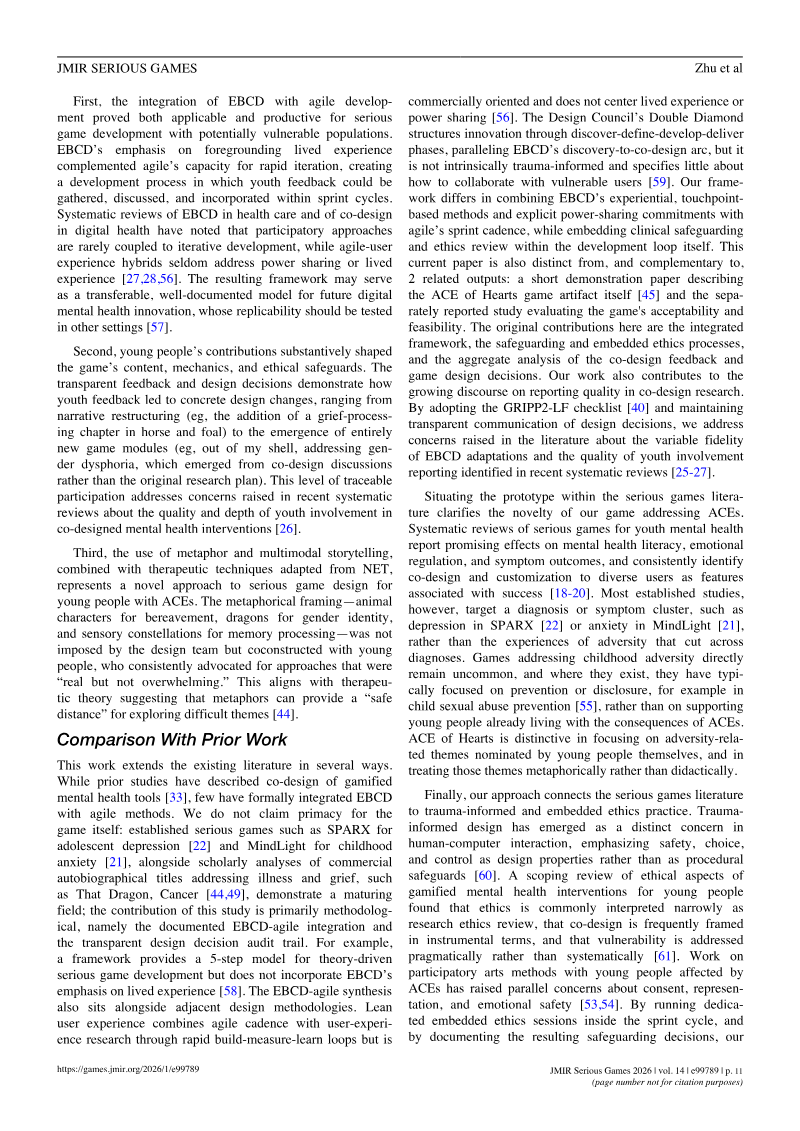
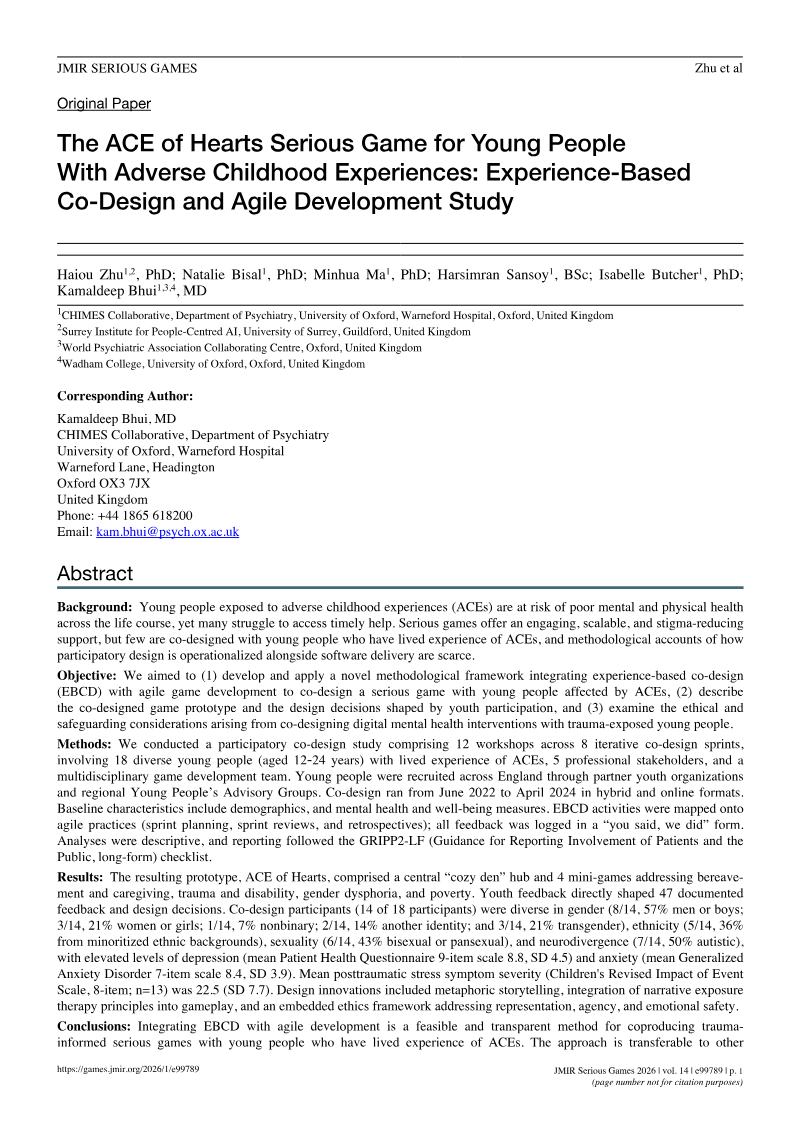
JMIR Serious Games · 2026
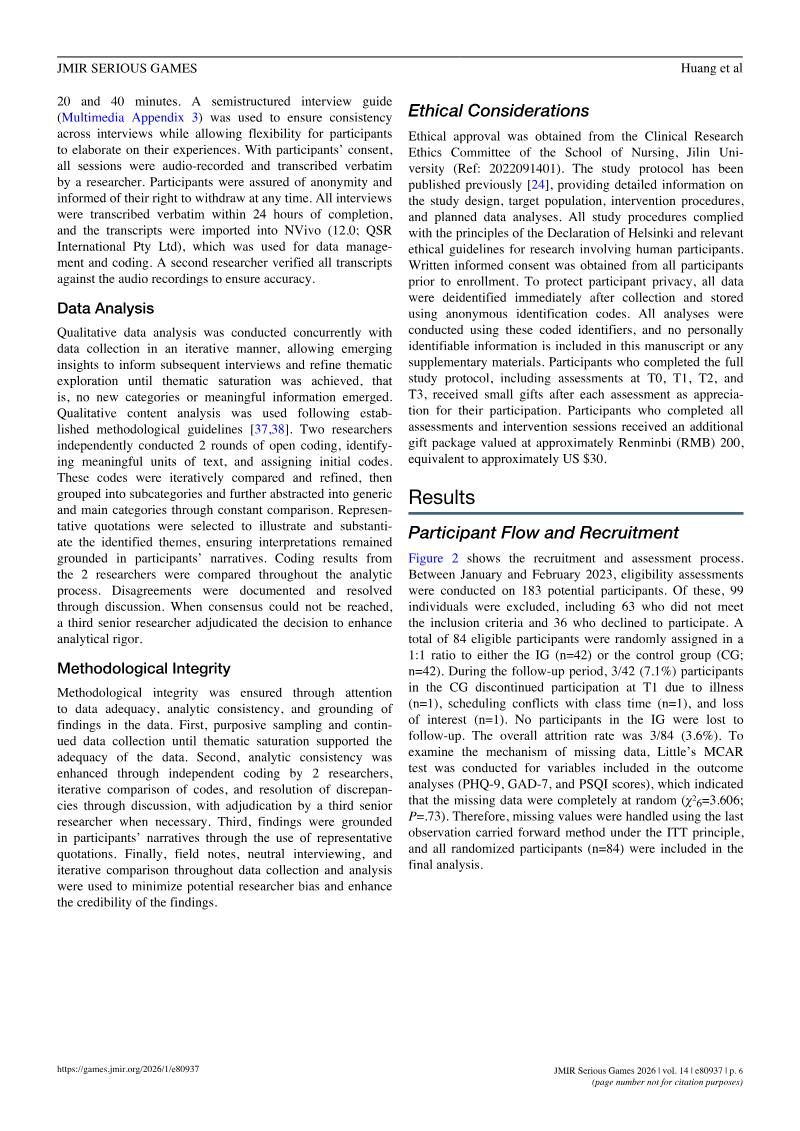
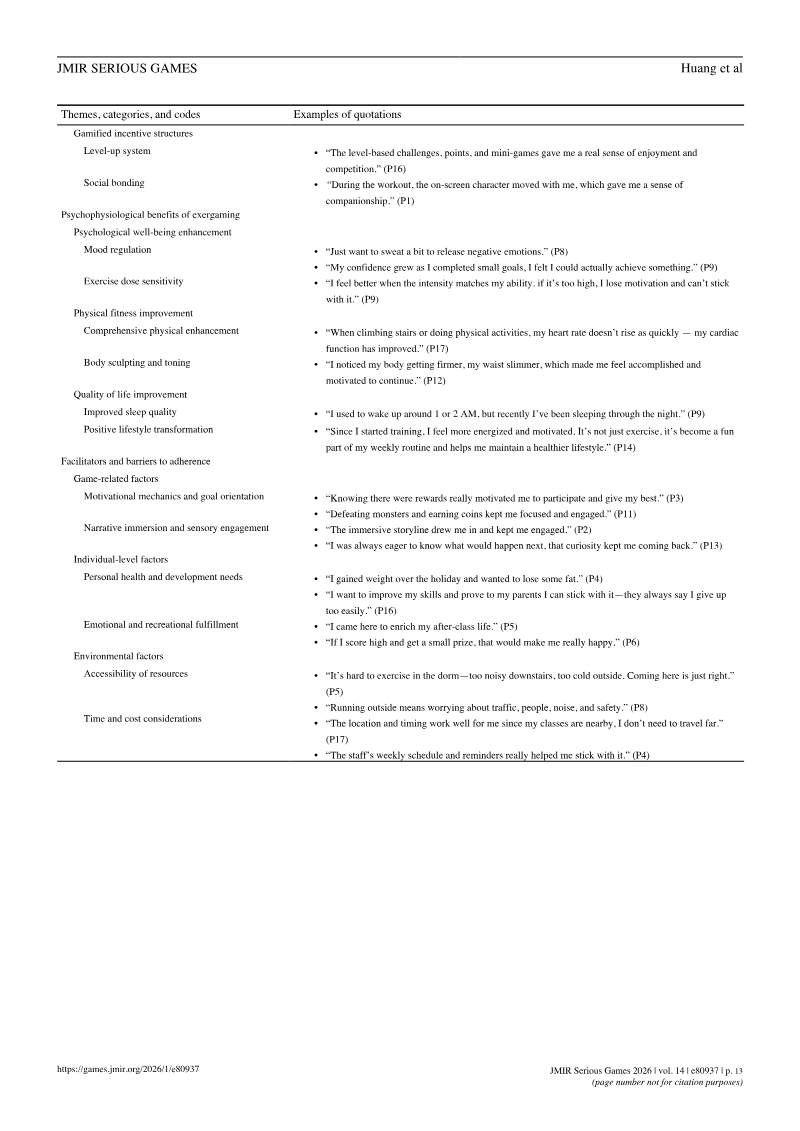
JMIR Serious Games · 2026
JMIR Serious Games · 2026
JMIR Serious Games · 2026
JMIR Serious Games · 2026
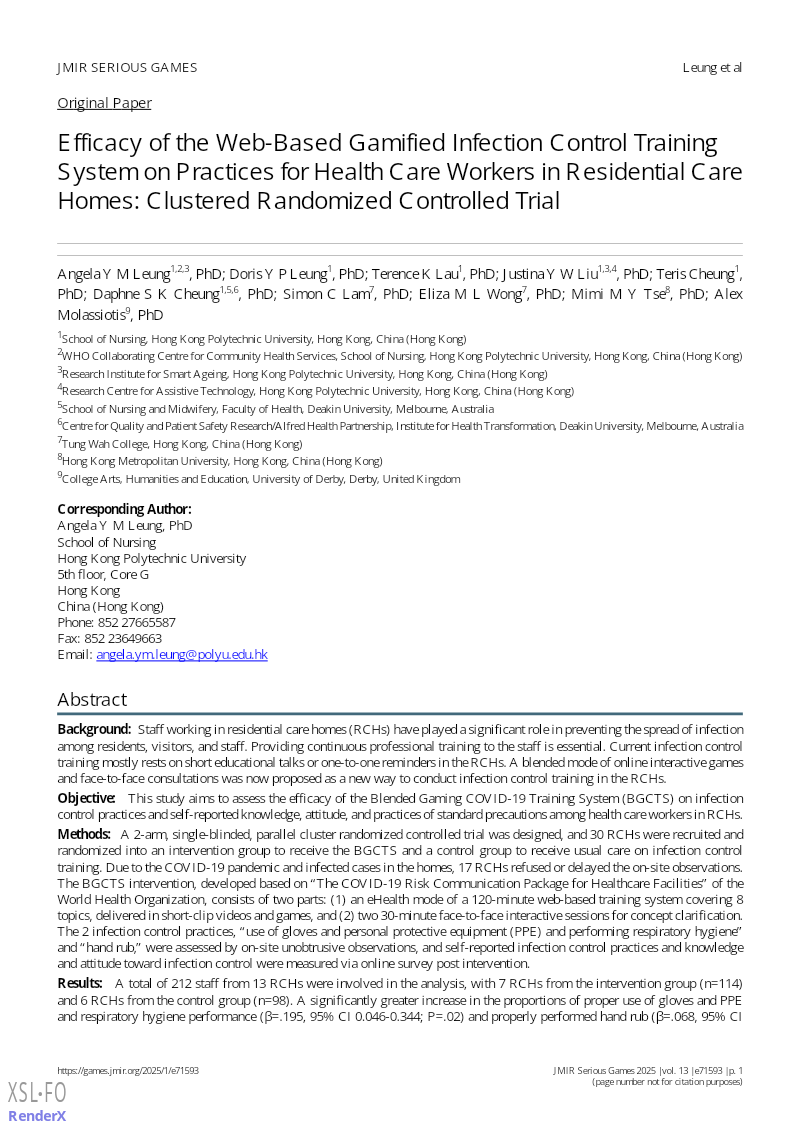
JMIR Serious Games · 2025
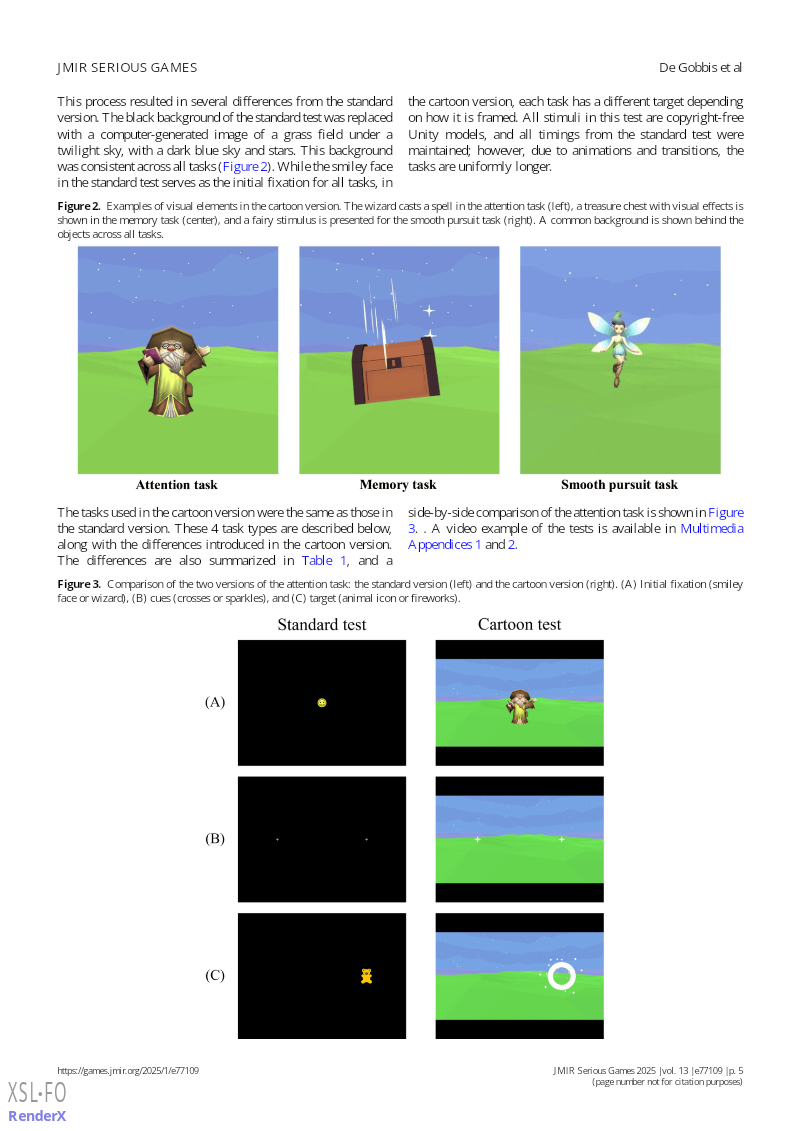
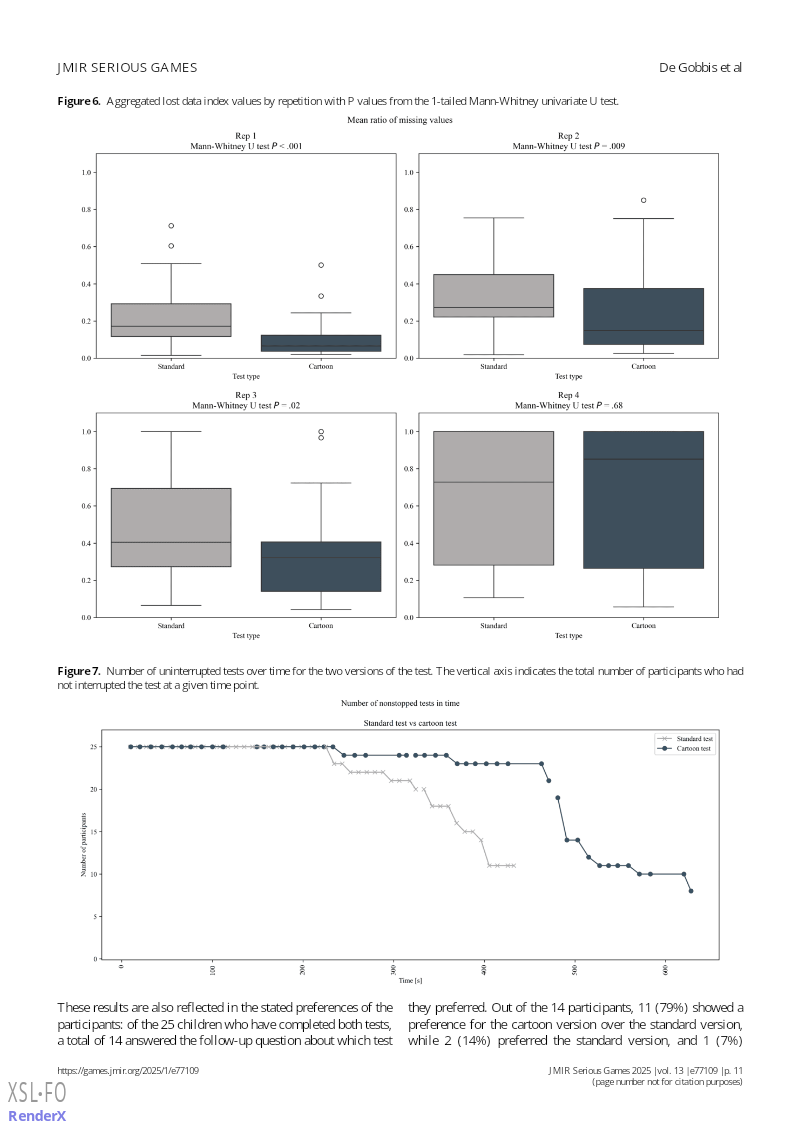
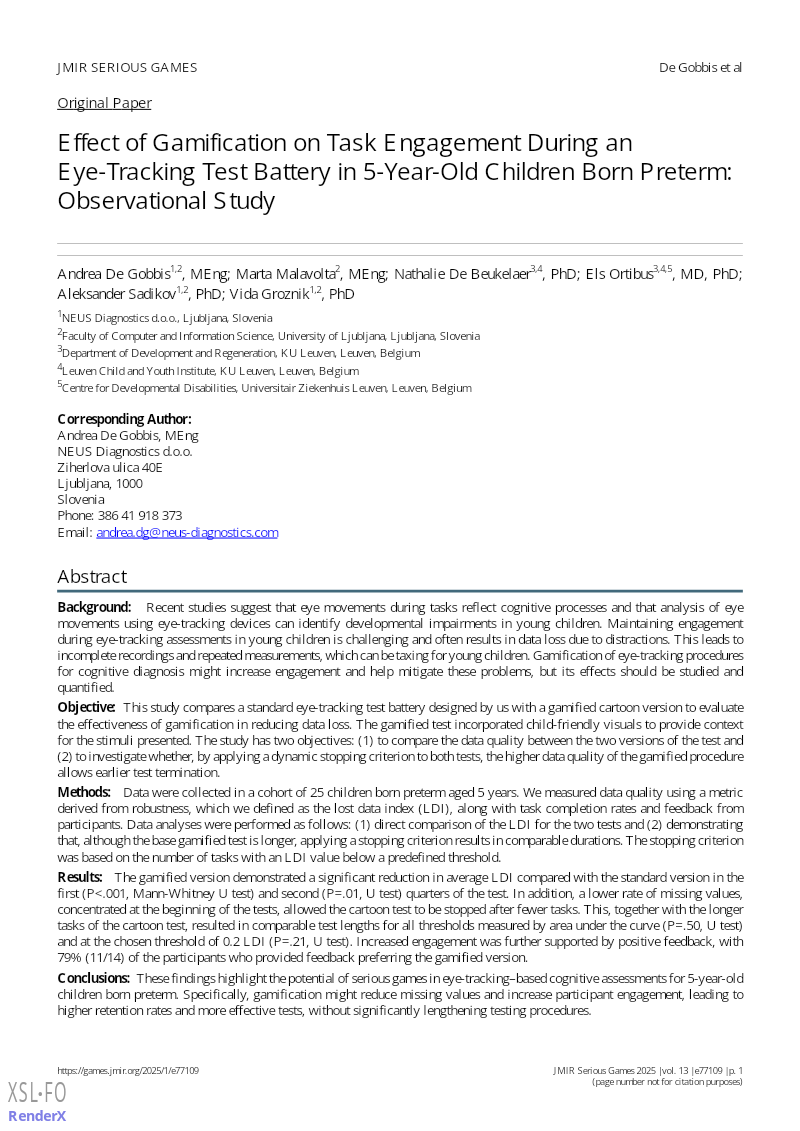
JMIR Serious Games · 2025
JMIR Serious Games · 2025
JMIR Serious Games · 2025
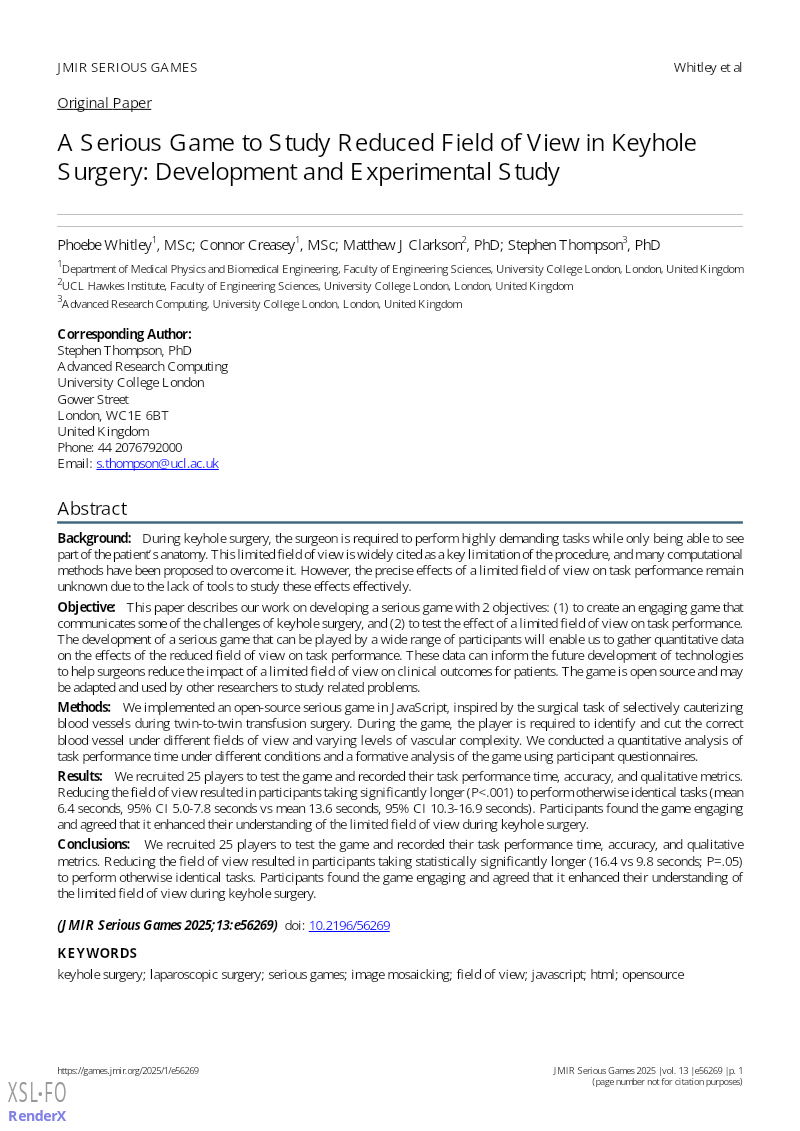
JMIR Serious Games · 2025
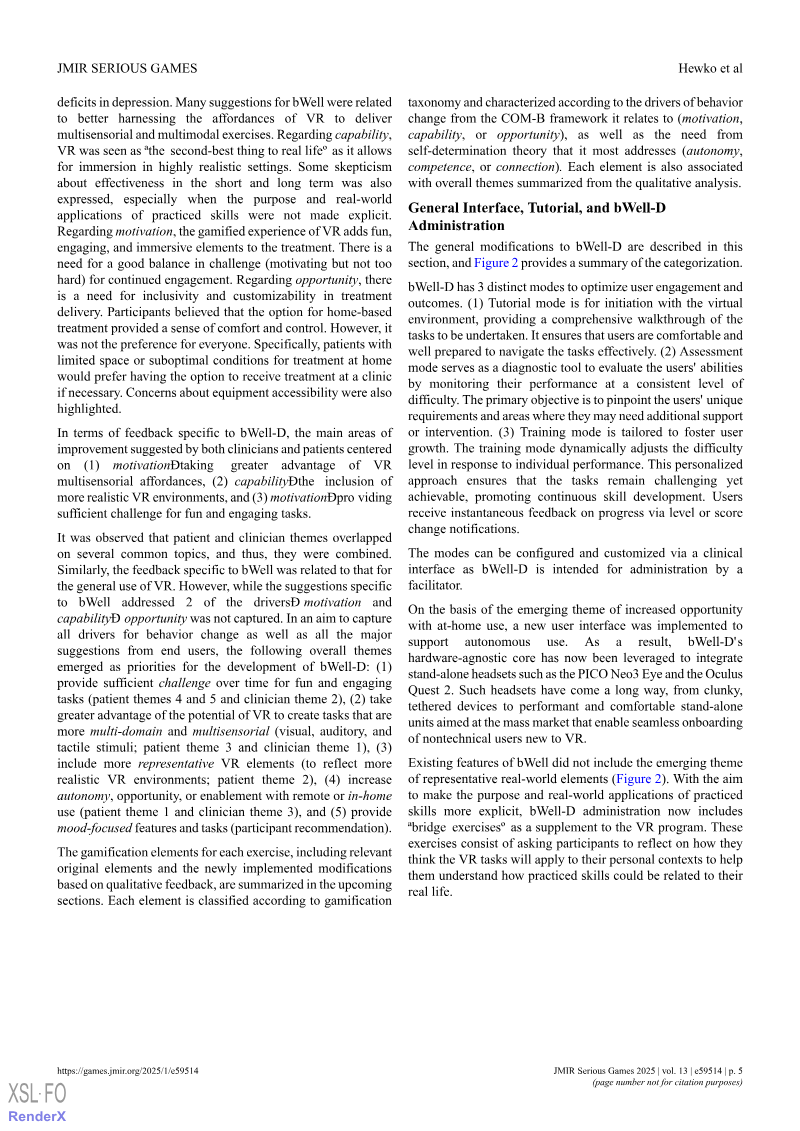
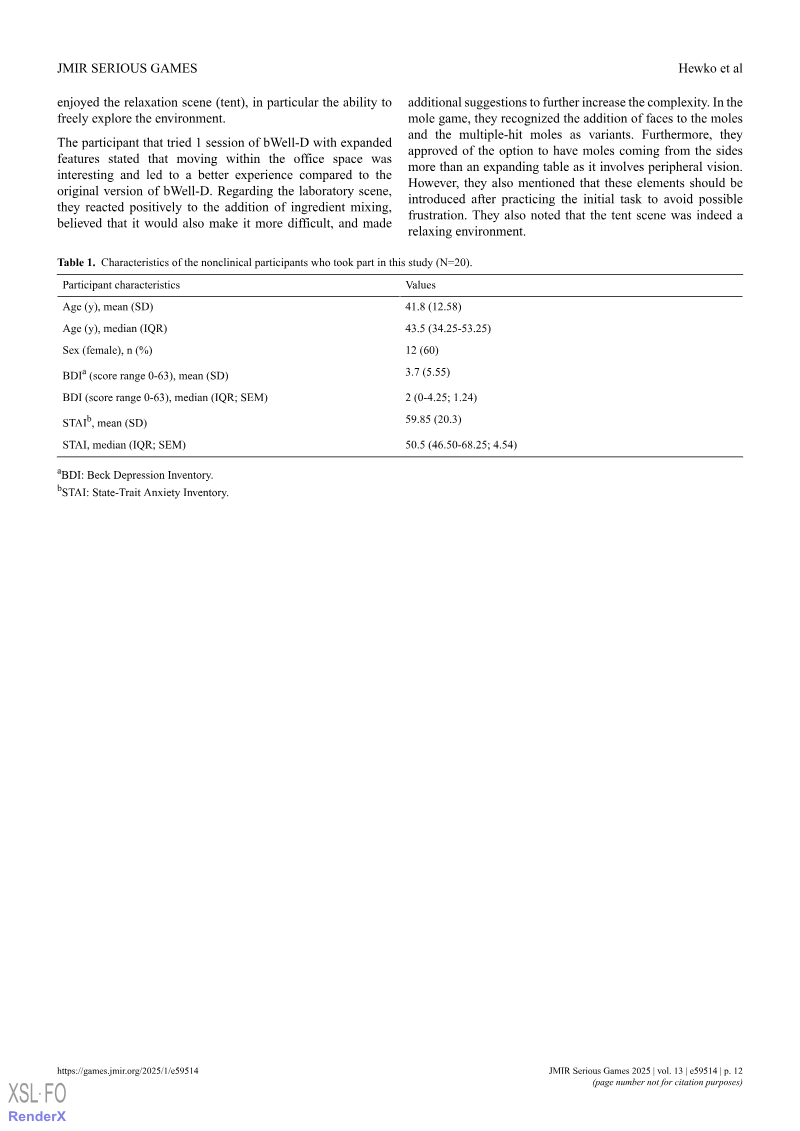
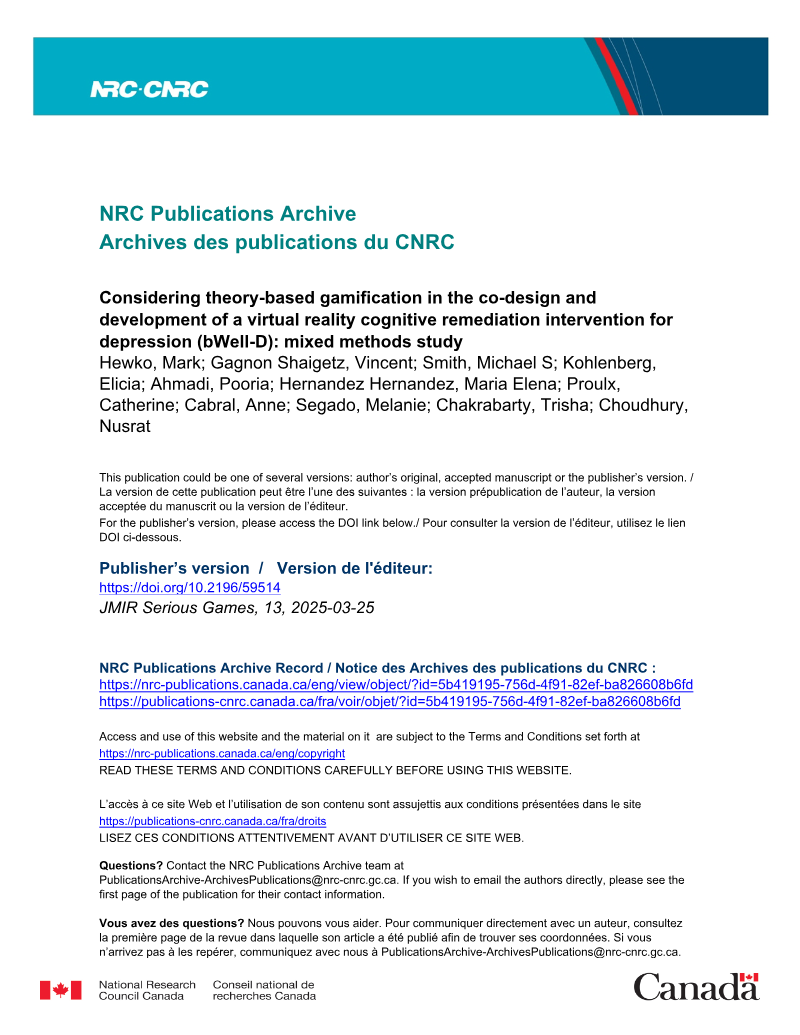
National Research Council Canada · 2025
JMIR Serious Games · 2024
European Conference on Games Based Learning (ECGBL) · 2026



Comments